

White-tailed Ptarmigan vs Willow Ptarmigan
Lagopus leucura contro Lagopus lagopus
Fai un quiz con White-tailed Ptarmigan e Willow Ptarmigan
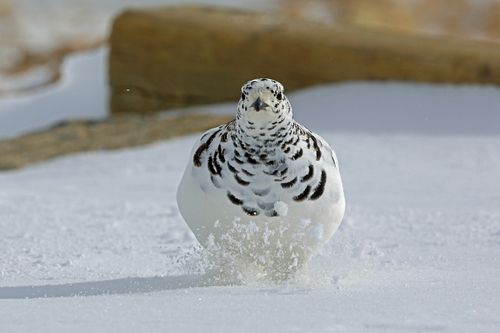 White-tailed Ptarmigan
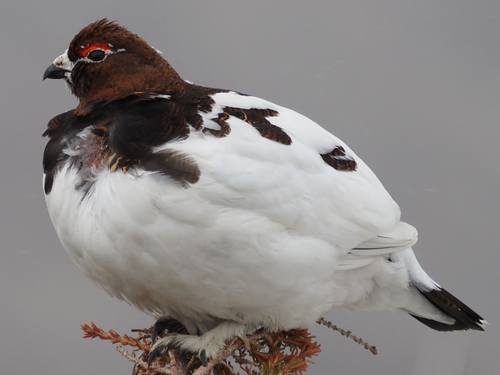 Willow Ptarmigan
In breve
Il segno di campo più affidabile tra White-tailed Ptarmigan e Willow Ptarmigan è la coda: White-tailed Ptarmigan mostra sempre una coda completamente bianca e ali bianche in tutte le livree, mentre Willow Ptarmigan ha una coda nera (eccetto per le due piume centrali) e ali bianche. In estate, White-tailed è finemente barrato di grigio-marrone sopra con un ventre e una coda bianchi, in contrasto con le parti superiori molto più marroni e rossastre di Willow e la coda nera. White-tailed è molto più piccolo e compatto, con un becco più corto e una preferenza per i terreni alpini alti sopra la linea degli alberi, mentre Willow è più grande, più pesante e si trova in habitat più bassi e cespugliosi. Queste differenze si mantengono per tutte le età e stagioni, ma sono particolarmente evidenti in volo o quando gli uccelli vengono disturbati.
Consigli di identificazione
- Il colore della coda è il segno più affidabile: White-tailed Ptarmigan ha sempre una coda completamente bianca, mentre Willow Ptarmigan ha una coda nera con solo le due piume centrali bianche. Questo è visibile in volo, quando viene disturbato, o quando la coda è aperta.
- Colore delle ali: Entrambe le specie hanno ali bianche tutto l'anno, ma la combinazione di ali bianche e coda bianca è unica per White-tailed.
- Dimensioni e struttura complessive: Willow Ptarmigan è molto più grande e pesante, con un petto profondo, un collo più lungo e un becco più largo. White-tailed è più piccolo, più rotondo e più compatto, con un becco più corto e fine.
- Dimensioni del becco: Il becco di Willow è visibilmente più spesso e più largo, specialmente quando visto frontalmente o di profilo.
- Parti superiori estive: White-tailed ha parti superiori finemente barrate di grigio-marrone con un ventre e una coda bianchi. Willow è molto più marrone e rosso sopra, con un collo e un petto rossastri.
- Livrea invernale: Entrambe le specie diventano per lo più bianche, ma Willow mantiene le sue piume della coda nere, mentre White-tailed è completamente bianco.
- Livrea femminile e immatura: La femmina di Willow Ptarmigan ha piume marroni mescolate nel ventre bianco, mentre la femmina di White-tailed ha un ventre bianco pulito. Gli uccelli immaturi di entrambe le specie assomigliano agli adulti, ma i modelli di coda e ali rimangono diagnostici.
- Habitat: White-tailed si trova solo in zone alpine alte sopra la linea degli alberi; Willow si trova in habitat più bassi, cespugliosi o di brughiera, spesso vicino a salici o betulle.
- Comportamento: White-tailed è più probabile che venga visto seduto tranquillamente o camminando tra rocce e neve, raramente vola a meno che non venga disturbato. Willow è più probabile che venga visto in gruppi familiari o stormi, specialmente in tarda estate e autunno.
- Pettini oculari: Entrambi i maschi hanno pettini oculari rossi, ma questo non è un segno di separazione affidabile tra queste due specie.
- Piumaggio delle gambe e dei piedi: Entrambe le specie hanno gambe e piedi piumati, ma questo non è un segno di separazione utile.
- Aspetto in volo: In volo, White-tailed appare più compatto e arrotondato, con una coda più corta e un'apertura alare più piccola rispetto alla dimensione del corpo. Willow appare più massiccio e con ali più lunghe.
- Contesto: Se ti trovi sopra la linea degli alberi nelle Montagne Rocciose o nelle alte montagne dell'America del Nord occidentale, è molto più probabile che tu veda White-tailed. Nella tundra cespugliosa, nella brughiera o al margine della foresta boreale, ci si aspetta di vedere Willow.
- Trappola: In inverno, entrambe le specie possono apparire molto simili a distanza, ma la coda nera di Willow è sempre presente e diagnostica.
- Quando hai dubbi: Concentrati sul colore della coda e sull'habitat: questi due segni separeranno tutte le età e i sessi sul campo.
Taglia
Willow Ptarmigan è sostanzialmente più grande e pesante di White-tailed Ptarmigan. Willow pesa in media circa 650 g (intervallo 430–810 g), con una lunghezza di 35–44 cm, rendendolo il più grande dei ptarmigan. White-tailed è il più piccolo gallo cedrone in Nord America, con un peso medio di 325 g e una lunghezza di 31–34 cm. Sul campo, White-tailed appare visibilmente più compatto e rotondo, con un becco più piccolo e fine e gambe più corte rispetto alla dimensione del corpo. Willow ha un petto profondo, un collo più lungo e un becco più largo.
Piumaggio
Per tutte le età e stagioni, White-tailed Ptarmigan ha una coda completamente bianca e ali bianche, anche in estate e nelle livree di transizione. Willow Ptarmigan mostra sempre una coda nera (eccetto per le due piume centrali della coda, che sono bianche) e ali bianche. In estate, White-tailed è finemente barrato di grigio-marrone sopra con un ventre, una coda e ali bianchi, e il modello è ottenuto da bande marginali di marrone chiaro e piccole macchie interne sulle parti superiori scure. Willow è molto più marrone e rosso sopra, con un collo e un petto rossastri, una coda nera e ali e parti inferiori bianche; la femmina di Willow ha piume marroni sparse tra il ventre bianco. In inverno, entrambe le specie diventano per lo più bianche, ma Willow mantiene le sue piume della coda nere, mentre White-tailed è completamente bianco. Gli uccelli immaturi di entrambe le specie assomigliano agli adulti, ma il modello di coda e ali superiori rimane coerente e diagnostico.
Comportamento
White-tailed Ptarmigan è più sedentario, spesso evitando il volo e preferendo riposare nelle accumuli di neve durante l'inverno. È adattato a ambienti alpini alti e tende a essere meno appariscente, facendo affidamento sulla colorazione criptica e sulla immobilità per il camuffamento. Willow Ptarmigan è più probabile che venga visto in stormi familiari in tarda estate e autunno, e i maschi sono territoriali e aggressivi durante la stagione riproduttiva. Willow può migrare per brevi distanze verso altitudini più basse in inverno, mentre White-tailed rimane residente nelle zone alpine tutto l'anno.
Habitat
White-tailed Ptarmigan è strettamente una specie alpina, trovata su o sopra la linea degli alberi nelle regioni montuose dell'America del Nord occidentale, inclusi Alaska, Canada occidentale e le Montagne Rocciose. È raramente trovato sotto la linea degli alberi. Willow Ptarmigan occupa altitudini più basse, riproducendosi in cespugli di betulle e salici, brughiere e tundra in tutta l'Eurasia settentrionale e in Nord America, inclusi Terranova, Labrador e Quebec. Willow non si trova tipicamente negli habitat alpini alti e spogli preferiti da White-tailed.
Voce
Entrambe le specie sono generalmente silenziose, ma White-tailed Ptarmigan è particolarmente silenzioso, a volte emettendo bassi hoot o morbidi clucking. Willow Ptarmigan non è noto per vocalizzazioni distintive nelle note fornite, e la voce non è un segno di campo affidabile per la separazione.
White-tailed Ptarmigan · Willow Ptarmigan · I miei uccelli difficili