

Motmot

オジロライチョウ 対 ライチョウ

Lagopus leucura 対 Lagopus muta

オジロライチョウとライチョウのクイズ
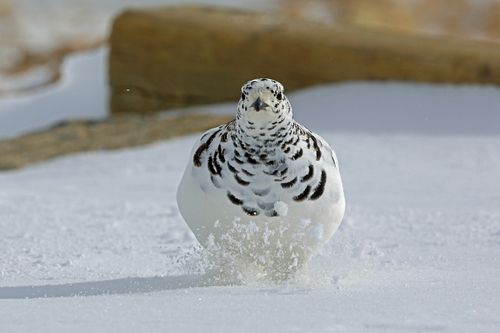
オジロライチョウ (Lagopus leucura) オジロライチョウ
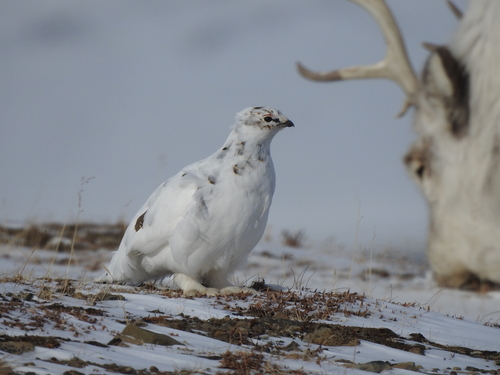
ライチョウ (Lagopus muta) ライチョウ

メディア

読み込み中…

要点

オジロライチョウとライチョウの最も信頼できるフィールドマークは、すべての羽色における尾の色です:オジロライチョウは常に完全に白い尾を示し、ライチョウは深い雪や奇妙な角度を除いて、黒い外尾羽が見えます。飛んでいる時や止まっている時、この尾の違いはすべての年齢と季節において診断的です。構造的に、オジロライチョウは明らかに小さく、よりコンパクトで、短いくちばしと丸い翼を持っています。両種は季節ごとに羽色を変えますが、オジロライチョウは夏により淡く、より細かい模様を持ち、ライチョウはより大きく、上面は茶色がかっています。生息地も役立ちます:オジロライチョウはより高い、よりアルプス的な標高、しばしば樹木限界を超えて見られ、ライチョウはより広範囲に分布し、やや低い標高でも見られます。

識別のコツ

  1. 尾の色(すべての年齢/季節): オジロライチョウは常に純白の尾を持ち、ライチョウは飛んでいる時や扇状に広げた時に黒い外尾羽が見えます、完全な冬羽でも。
  2. 翼の色(すべての年齢/季節): 両種はすべての羽色で白い翼を持っているため、これは診断的ではありません。
  3. サイズと構造: オジロライチョウは非常に小さく、よりコンパクトで、短くて太いくちばしと丸い翼を持っています。ライチョウはより大きく、尾が長く、くちばしが重いです。
  4. くちばしの形: オジロライチョウのくちばしは小さく、より繊細です;ライチョウのくちばしは長く、より頑丈です。
  5. 夏の上面: オジロライチョウは細かい縞模様があり、淡い灰色がかった茶色で、白い腹部と白い翼を持っています;ライチョウはより茶色がかり、よりまだらで、細かい縞模様がありません。
  6. オスの顔の模様(夏/冬): オスのライチョウは繁殖期と冬羽で黒い目のストライプ(ロレス)を示します;オジロライチョウのオスはこれがなく、赤みがかったアイコームを持っています。
  7. アイコーム: 両方のオスは赤みがかったアイコームを持っていますが、これは強い区別要因ではありません。
  8. 冬羽: 両方とも白ですが、ライチョウだけが尾に黒を保持し(オスでは)黒い目のラインがあります。
  9. 足: 両方とも羽毛のある足を持っていますが、これはフィールドでは簡単に見えず、診断的ではありません。
  10. 生息地: オジロライチョウは厳密にアルプス的で、樹木限界を超えた場所にいます;ライチョウはより低い標高やより植生の多いツンドラでも見られます。
  11. 行動: オジロライチョウはしゃがんでいるか、ゆっくり歩いているのが見られる可能性が高く、飛ぶことはほとんどありません;ライチョウはより活発で、飛んだりディスプレイしたりしているのがよく見られます。
  12. 鳴き声: オジロライチョウはほとんど静かです;ライチョウのオスは春に騒がしく、クローキング、ラトリング、またはラスピングの呼び声を出します。
  13. 飛行の印象: オジロライチョウは飛んでいる時によりコンパクトで丸みを帯びて見えます;ライチョウはより大きく、尾が長く見えます。
  14. 季節的な換羽: 両種は徐々に換羽しますが、オジロライチョウの移行はより淡く、より隠蔽的であり、ライチョウは夏により茶色がかり、よりまだらになります。
  15. 落とし穴: 冬には、両方とも遠くから見ると全白に見えることがありますが、ライチョウの黒い尾は通常、飛んでいる時や尾を広げた時に見えます。夏には、まだらの茶色の羽色の重複に注意してください;最良の区別には尾の色と生息地に頼ってください。

大きさ

オジロライチョウは北アメリカで最も小さなライチョウで、平均約325gであり、ライチョウは平均610gでほぼ2倍の重さです [wikidata]。オジロライチョウは31〜34cm、ライチョウは34〜36cmです。フィールドでは、オジロライチョウは明らかに華奢に見え、よりコンパクトで丸い体型と短い尾を持っています。ライチョウはより大きく、尾が長く、体つきが重いです。

羽色

行動

オジロライチョウは非常に定住的で、飛ぶことを避け、エネルギーを節約するために雪の中に止まることを好みます。年間を通じて樹木限界の上に留まる傾向があります。ライチョウも主に定住的ですが、特に北部ではより大きな局所的な移動を行うことがあり、カバーのパッチ間を飛んだり、開けた地面でディスプレイしたりしているのが見られる可能性が高いです。ライチョウのオスは、領土や求愛のディスプレイでより声が大きく、活発で、空中追跡や地面でのポスチャリングを含みます。

生息環境

オジロライチョウは厳密にアルプス的で、北アメリカ西部の最高峰の樹木限界を超えた場所に見られ、岩だらけのツンドラや風にさらされた斜面を好みます。ライチョウも開けた、荒れた生息地を好みますが、より柔軟で、やや低い標高、ツンドラ、岩の突出部、時にはより植生の多い地域でも見られます。重複する範囲では、オジロライチョウは通常、より高く、より露出した場所にいます。

声

オジロライチョウは一般的に静かで、時折低いフーという声や柔らかいクルクル音を出します。ライチョウのオスは繁殖期に非常に声が大きく、喉の奥からのいびき、ラトル音、ディスプレイ飛行中の特徴的なラスピングの呼び声を出します。大きなクローキングやラトリングの呼び声が聞こえた場合、それはライチョウである可能性が高いです。

より良い説明を送る

比較と同じ項目を使ってください。文章はすぐに公開されます。

The most reliable field mark between White-tailed Ptarmigan and Rock Ptarmigan is the color of the tail in all plumages: White-tailed Ptarmigan always shows a completely white tail, while Rock Ptarmigan has black outer tail feathers visible except in deep snow or odd angles. In flight or perched, this tail difference is diagnostic for all ages and seasons. Structurally, White-tailed is distinctly smaller and more compact, with a shorter bill and rounder wings. Both species change plumage seasonally, but White-tailed is paler and more finely patterned in summer, while Rock Ptarmigan is bulkier and browner above. Habitat can help: White-tailed is found at higher, more alpine elevations, often above treeline, while Rock Ptarmigan is more widespread and can occur at slightly lower elevations.

  1. Tail color (all ages/seasons): White-tailed Ptarmigan always has a pure white tail; Rock Ptarmigan has black outer tail feathers visible in flight or when fanned, even in full winter plumage.
  2. Wing color (all ages/seasons): Both species have white wings in all plumages, so this is not diagnostic.
  3. Size and structure: White-tailed Ptarmigan is much smaller and more compact, with a shorter, stubbier bill and rounder wings. Rock Ptarmigan is bulkier, longer-tailed, and heavier-billed.
  4. Bill shape: White-tailed's bill is smaller and more delicate; Rock Ptarmigan's is longer and more robust.
  5. Summer upperparts: White-tailed is finely barred and pale gray-brown above, with a 'grass-pattern' of light brown bands and white belly; Rock Ptarmigan is browner and more mottled, lacking the fine barring.
  6. Male facial pattern (summer/winter): Male Rock Ptarmigan shows a black eye stripe (lores) in breeding and winter plumage; White-tailed males lack this but have reddish eyecombs.
  7. Eyecombs: Both males have reddish eyecombs, but this is not a strong separator.
  8. Winter plumage: Both are white, but only Rock Ptarmigan retains black in the tail and (in males) a black eye line.
  9. Feet: Both have feathered feet, but this is not easily seen in the field and not diagnostic.
  10. Habitat: White-tailed is strictly alpine, above treeline; Rock Ptarmigan can be found at lower elevations and in more vegetated tundra.
  11. Behavior: White-tailed is more likely to be seen crouching or walking slowly, rarely flying; Rock Ptarmigan is more active, often seen flying or displaying.
  12. Vocalizations: White-tailed is nearly silent; Rock Ptarmigan males are noisy in spring, giving croaking, rattling, or rasping calls.
  13. Flight jizz: White-tailed appears more compact and rounded in flight; Rock Ptarmigan looks bulkier and longer-tailed.
  14. Seasonal molt: Both species molt gradually, but White-tailed's transitions are paler and more cryptic, while Rock Ptarmigan becomes browner and more mottled in summer.
  15. Pitfalls: In winter, both can appear all-white at a distance, but the black tail of Rock Ptarmigan is usually visible in flight or when the tail is spread. In summer, beware of overlap in mottled brown plumage; rely on tail color and habitat for best separation.

White-tailed Ptarmigan is the smallest grouse in North America, averaging about 325 g, while Rock Ptarmigan is nearly twice as heavy at 610 g on average [wikidata]. White-tailed is 31–34 cm long, Rock Ptarmigan 34–36 cm. In the field, White-tailed appears notably daintier, with a more compact, round-bodied look and shorter tail. Rock Ptarmigan is bulkier, with a longer, more prominent tail and a heavier build.

  • Juvenile/immature/first-winter (flight and perched): Both species undergo gradual molts, but the key is the tail: White-tailed Ptarmigan always has a pure white tail and white wings, regardless of age or season. Rock Ptarmigan, even in full winter white, retains black outer tail feathers and a black eye line in males. No unique upperwing pattern is described for either species at these ages, but the tail is always reliable.

  • Adult breeding (summer): White-tailed Ptarmigan is finely barred and pale grayish-brown above, with a white belly, white wings, and white tail. Rock Ptarmigan is browner and darker above, with a more mottled gray-brown back, but also with white wings and underparts. Male Rock Ptarmigan shows a black eye stripe, absent in White-tailed.

  • Fall: White-tailed transitions to a reddish-brown with white feathers coming through; Rock Ptarmigan becomes grayish-brown but keeps black in the tail.

  • Winter: Both species are mostly white, but White-tailed Ptarmigan is entirely white including tail and wings, while Rock Ptarmigan is white with black outer tail feathers and, in males, a black eye line.

White-tailed Ptarmigan is extremely sedentary, often avoiding flight and preferring to roost in snowbanks to conserve energy. It tends to remain above treeline year-round. Rock Ptarmigan is also largely sedentary but may undertake more significant local movements, especially in the far north, and is more likely to be seen flying between patches of cover or displaying on open ground. Rock Ptarmigan males are more vocal and active in territorial and courtship displays, including aerial chases and ground posturing.

White-tailed Ptarmigan is strictly alpine, found above treeline in the highest mountains of western North America, favoring rocky tundra and windswept slopes. Rock Ptarmigan also prefers open, barren habitats but is more flexible, occurring at slightly lower elevations, in tundra, rocky outcrops, and sometimes in more vegetated areas. In overlapping ranges, White-tailed is usually at higher, more exposed sites.

White-tailed Ptarmigan is generally silent, occasionally giving low hoots or soft clucking. Rock Ptarmigan males are much more vocal, especially in breeding season, producing guttural snores, rattles, and a distinctive rasping call during display flights. If you hear a loud, croaking or rattling call, it is more likely Rock Ptarmigan.

変更を破棄しますか?

保存していない編集があります。今離れると失われます。

オジロライチョウ · ライチョウ · 苦手な鳥