

Motmot

コシジロガモ 対 アンゴラセワタビタキ

Thalassornis leuconotus 対 Batis minulla

コシジロガモとアンゴラセワタビタキのクイズ
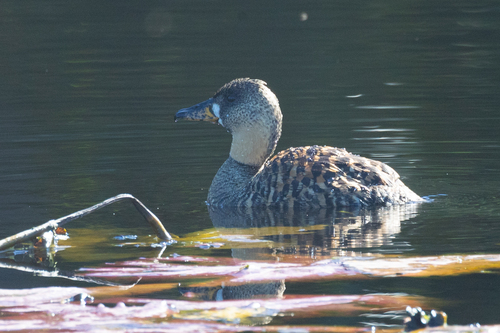
コシジロガモ (Thalassornis leuconotus) コシジロガモ
アンゴラセワタビタキ (Batis minulla) アンゴラセワタビタキ

メディア

読み込み中…

要点

コシジロガモとアンゴラセワタビタキを区別する最も信頼性の高い方法は、全体の構造とサイズによるものです:ガモは巨大で重い体を持つ水鳥であり、バティスは小さく活発な歌鳥です。フィールドでは、距離があっても、ガモの体格、浮かんでいる姿勢、水生環境は、バティスの落ち着きのない直立した姿勢や樹上での習性とは明らかに異なります。羽毛は全く似ていませんが、比較を強いられた場合は、バティスの鮮やかな斑点模様と大胆な顔のマスクに対して、ガモのより控えめでガモらしい色合いに注目してください。年齢特有の翼の模様はどちらの種についても記載されていないため、全体の印象、サイズ、文脈に注目してください。

識別のコツ

  1. サイズが最初のチェック:もし鳥がガモのサイズに近いなら、それはアンゴラセワタビタキではありません。逆に、もしそれが小さく、枝に止まっているなら、それはガモではありません。
  2. 生息地の文脈:ガモは水の上にいます;バティスは木や低木の中にいます。泳いでいるか潜っている鳥はガモです;枝を飛び回っている鳥はバティスです。
  3. 全体の形と構造:コシジロガモは重い体、広いくちばしを持ち、水中で低く座ります。アンゴラセワタビタキはコンパクトで、短いくちばしを持ち、直立して止まります。
  4. 顔の模様:アンゴラセワタビタキのオスは大胆な黒いマスクと白い斑点を持っています;メスは栗色の胸の帯を持っています。ガモにはそのような顔のマーキングはありません。
  5. 翼の模様:アンゴラセワタビタキは白い翼のストライプと黒い飛行羽を示します;ガモには翼のストライプや強いコントラストはありません。
  6. 尾:アンゴラセワタビタキは黒い尾を持ち、白い外羽を持ち、しばしば振られます;ガモの尾は短く、コントラストはありません。
  7. 腹部:バティスはきれいな白い腹部を持ち、シャープな黒(オス)または栗色(メス)の胸の帯を持っています。ガモの腹部はシャープにマーキングされていません。
  8. 目の色:アンゴラセワタビタキは明るい黄色の目を持ち、近距離で目立つことがあります。ガモの目の色は特に目立つとは記載されていません。
  9. くちばし:ガモは水鳥に典型的な広く平らなくちばしを持っています;バティスは昆虫食に適した小さく尖ったくちばしを持っています。
  10. 行動:潜るか泳ぐ(ガモ)か、活発に跳ねたり羽を振ったりする(バティス)のを観察してください。
  11. 飛行中の印象:ガモは遅く深い翼のビートと重いシルエットで飛びます;バティスは迅速で敏捷で、止まり木の間を飛び回ります。
  12. 性差:バティスにのみ関連します—メスは黒ではなく栗色の胸の帯を持っています。
  13. 年齢特有の混乱はなし:どちらの種についても特別な幼鳥や未成熟の翼の模様は記載されていないため、年齢は大きな落とし穴ではありません。
  14. 声の混乱はなし:鳴き声や歌は記載されていませんが、これらの種は非常に異なるため、声が区別に必要になることはないでしょう。
  15. 地理的文脈:どちらもアフリカにいますが、生息地(水と森林)がフィールドでの主要な区別要因です。

大きさ

コシジロガモは劇的に大きく、約707gの重さに対して、アンゴラセワタビタキはわずか9.8gです。ガモはフルサイズの水鳥であり、バティスは小さく、スズメサイズの小鳥です。直接比較がなくても、ガモのサイズと質量はフィールドで明確であり、特に開けた水面で見られるときは一目瞭然です。バティスは小柄で、約10cmの長さであり、どんなガモの隣にいても非常に小さく見えるでしょう。

羽色

どちらの種についても年齢特有の翼や飛行パターンは記載されていないため、成鳥の羽毛に注目してください。コシジロガモは一般的に控えめでガモらしい外観を持ち、強い顔や翼の模様はありません。それに対して、成鳥のオスのアンゴラセワタビタキは目を引く斑点模様を持っています:青灰色の冠、黒いマスク、顔やうなじに白い斑点、白い翼のストライプ、そして大胆な黒い胸の帯(メスは栗色)を示します。バティスの腹部はきれいな白で、尾は白い外羽を持つ黒です。ガモはこれらの鋭いコントラストや顔のマーキングを示しません。バティスの翼のストライプとマスクは、止まっているときや活発に餌を探しているときに特に目立ちますが、ガモの羽毛は水生生活によりカモフラージュされています。

行動

コシジロガモは遅く浮力のある泳ぎ手であり、しばしば水中で低く浮かんでいるか潜っているのが見られます。一般的に静かで目立たない存在です。一方、アンゴラセワタビタキは落ち着きがなくエネルギッシュで、常に枝の間を動き回り、羽や尾を振り、ほとんどじっとしていません。バティスの活発で直立した姿勢と素早い動きは、ガモの遅く浮かんでいる行動とは全く異なります。

生息環境

コシジロガモは常に水の上または近くに見られます—湖、湿地、池—水生生息地から遠くに出ることはほとんどありません。アンゴラセワタビタキは厳密に陸生であり、西中央アフリカの森林や低木のある地域に生息し、水の上には決して現れません。もし鳥が木や低木の中にいるなら、特に水から離れている場合、ほぼ確実にバティスです;もし泳いでいるか潜っているなら、それはガモです。

より良い説明を送る

比較と同じ項目を使ってください。文章はすぐに公開されます。

The most reliable way to separate White-backed Duck from Angola Batis is by overall structure and size: the duck is a massive, heavy-bodied waterbird, while the batis is a tiny, active songbird. In the field, even at a distance, the duck’s bulk, floating posture, and aquatic setting are instantly different from the batis’s restless, upright stance and arboreal habits. Plumage is not remotely similar, but if you are forced to compare, note the batis’s crisp pied pattern and bold face mask versus the duck’s more muted, duck-like tones. Age-specific wing patterns are not described for either species, so focus on jizz, size, and context.

  1. Size is the first check: If the bird is anything close to duck-sized, it cannot be Angola Batis. Conversely, if it is tiny and perching on twigs, it is not a duck.
  2. Habitat context: Ducks are on water; batises are in trees or shrubs. A bird swimming or diving is a duck; a bird flitting through branches is a batis.
  3. Overall shape and structure: White-backed Duck is heavy-bodied, broad-billed, and sits low in the water. Angola Batis is compact, short-billed, and perches upright.
  4. Facial pattern: Angola Batis males have a bold black mask and white spots on the face and nape; females have a chestnut breast band. The duck lacks any such facial markings.
  5. Wing pattern: Angola Batis shows a white wing stripe and black flight feathers with narrow white edges; the duck does not have a wing stripe or strong contrast in the wing.
  6. Tail: Angola Batis has a black tail with white outer feathers, often flicked; the duck’s tail is short and not contrasting.
  7. Underparts: Batises have clean white underparts with a sharp black (male) or chestnut (female) breast band. The duck’s underparts are not sharply marked.
  8. Eye color: Angola Batis has bright yellow eyes, which can be noticeable at close range. The duck’s eye color is not described as distinctive.
  9. Bill: The duck has a broad, flat bill typical of waterfowl; the batis has a small, pointed bill suited for insect-eating.
  10. Behavior: Watch for diving or swimming (duck) versus active, hopping, and wing-flicking (batis).
  11. Jizz in flight: The duck flies with slow, deep wingbeats and a heavy silhouette; the batis is rapid, agile, and flits between perches.
  12. Sex differences: Only relevant for batis—females have a chestnut, not black, breast band.
  13. No age-specific confusion: No special juvenile or immature wing patterns are described for either species, so age is not a major pitfall.
  14. No vocal confusion: Calls and songs are not described, but these species are so different that voice is unlikely to be needed for separation.
  15. Geographic context: Both are African, but habitat (water vs woodland) is the key separator in the field.

White-backed Duck is dramatically larger, weighing about 707 g compared to the Angola Batis’s mere 9.8 g. The duck is a full-sized waterfowl, while the batis is a small, sparrow-sized passerine. Even without direct comparison, the duck’s size and mass are unmistakable in the field, especially when seen on open water. The batis is petite, around 10 cm long, and would look minuscule next to any duck.

No age-specific wing or flight patterns are described for either species, so focus on adult plumage. The White-backed Duck has a generally subdued, duck-like appearance, lacking any strong facial or wing pattern. In contrast, adult male Angola Batis is strikingly pied: it shows a bluish-grey crown, black mask, white spots on the lores and nape, a white wing stripe, and a bold black breast band (chestnut in females). The batis’s underparts are clean white, and the tail is black with white outer feathers. The duck does not show any of these sharp contrasts or facial markings. The batis’s wing stripe and mask are especially obvious when perched or in active foraging, while the duck’s plumage is more camouflaged for aquatic life.

White-backed Duck is a slow, buoyant swimmer, often seen floating low in the water or diving. It is generally sedentary and unobtrusive. Angola Batis, on the other hand, is restless and energetic, constantly moving through branches, flicking wings and tail, and rarely sitting still. The batis’s active, upright posture and quick movements are completely unlike the duck’s slow, floating behavior.

White-backed Duck is always found on or near water—lakes, marshes, and ponds—rarely venturing far from aquatic habitats. Angola Batis is strictly terrestrial, inhabiting wooded or bushy areas in western central Africa, and is never seen on water. If the bird is in a tree or shrub, especially away from water, it is almost certainly a batis; if it is swimming or diving, it is a duck.

変更を破棄しますか?

保存していない編集があります。今離れると失われます。

コシジロガモ · アンゴラセワタビタキ · 苦手な鳥