

White-backed Duck vs Angola Batis
Thalassornis leuconotus contro Batis minulla
Fai un quiz con White-backed Duck e Angola Batis
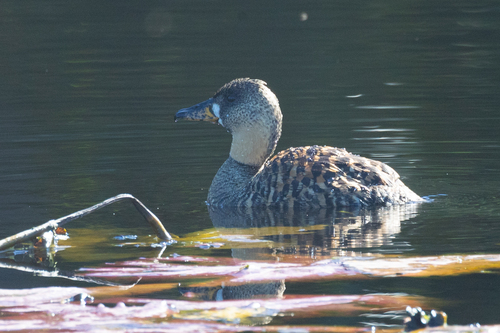 White-backed Duck
 Angola Batis
In breve
Il modo più affidabile per separare il White-backed Duck dall'Angola Batis è attraverso la struttura e la dimensione complessive: l'anatra è un uccello acquatico massiccio e pesante, mentre il batis è un piccolo e attivo uccello canoro. Sul campo, anche a distanza, la massa, la postura galleggiante e l'ambiente acquatico dell'anatra sono istantaneamente diversi dalla postura inquieta, eretta e dalle abitudini arboree del batis. Il piumaggio non è minimamente simile, ma se sei costretto a confrontare, nota il motivo a macchie nette del batis e la maschera facciale audace rispetto ai toni più attenuati e simili a quelli di un'anatra. Non sono descritti motivi specifici delle ali per età per nessuna delle due specie, quindi concentrati su jizz, dimensione e contesto.
Consigli di identificazione
- La dimensione è il primo controllo: Se l'uccello è di dimensioni simili a quelle di un'anatra, non può essere un Angola Batis. Al contrario, se è piccolo e si posa su rametti, non è un'anatra.
- Contesto dell'habitat: Le anatre sono sull'acqua; i batis sono sugli alberi o nei cespugli. Un uccello che nuota o tuffa è un'anatra; un uccello che si muove tra i rami è un batis.
- Forma e struttura complessive: Il White-backed Duck è massiccio, con becco largo, e si trova basso nell'acqua. L'Angola Batis è compatto, con becco corto, e si posa eretto.
- Motivo facciale: I maschi di Angola Batis hanno una maschera nera audace e macchie bianche sul viso e sulla nuca; le femmine hanno una banda petto castagna. L'anatra non presenta segni facciali simili.
- Motivo delle ali: L'Angola Batis mostra una striscia bianca sulle ali e penne di volo nere con bordi bianchi stretti; l'anatra non ha una striscia sulle ali o un forte contrasto nelle ali.
- Coda: L'Angola Batis ha una coda nera con piume esterne bianche, spesso scossa; la coda dell'anatra è corta e non contrastante.
- Parte inferiore: I batis hanno parti inferiori bianche pulite con una banda petto nera (maschio) o castagna (femmina). Le parti inferiori dell'anatra non sono marcate in modo netto.
- Colore degli occhi: L'Angola Batis ha occhi gialli brillanti, che possono essere evidenti a distanza ravvicinata. Il colore degli occhi dell'anatra non è descritto come distintivo.
- Becco: L'anatra ha un becco largo e piatto tipico degli uccelli acquatici; il batis ha un becco piccolo e appuntito adatto per mangiare insetti.
- Comportamento: Fai attenzione a tuffi o nuotate (anatra) rispetto a movimenti attivi, salti e scosse delle ali (batis).
- Jizz in volo: L'anatra vola con battiti lenti e profondi delle ali e una silhouette pesante; il batis è rapido, agile e si muove tra i posatoi.
- Differenze sessuali: Solo rilevante per il batis: le femmine hanno una banda petto castagna, non nera.
- Nessuna confusione specifica per età: Non sono descritti motivi delle ali giovanili o immaturi per nessuna delle due specie, quindi l'età non è un grande problema.
- Nessuna confusione vocale: I richiami e i canti non sono descritti, ma queste specie sono così diverse che la voce è improbabile che sia necessaria per la separazione.
- Contesto geografico: Entrambi sono africani, ma l'habitat (acqua contro bosco) è il principale separatore sul campo.
Taglia
Il White-backed Duck è notevolmente più grande, pesando circa 707 g rispetto ai soli 9,8 g dell'Angola Batis. L'anatra è un'anatra di dimensioni complete, mentre il batis è un passeriforme di piccole dimensioni, simile a un passero. Anche senza un confronto diretto, la dimensione e la massa dell'anatra sono inconfondibili sul campo, specialmente quando vista su acque aperte. Il batis è piccolo, lungo circa 10 cm, e apparirebbe minuscolo accanto a qualsiasi anatra.
Piumaggio
Non sono descritti motivi specifici delle ali o di volo per nessuna delle due specie, quindi concentrati sul piumaggio degli adulti. Il White-backed Duck ha un aspetto generalmente attenuato, simile a quello di un'anatra, privo di un forte motivo facciale o delle ali. Al contrario, il maschio adulto di Angola Batis è straordinariamente a macchie: mostra una corona grigio-blu, una maschera nera, macchie bianche sulle lore e sulla nuca, una striscia bianca sulle ali e una banda petto nera audace (castagna nelle femmine). Le parti inferiori del batis sono bianche pulite, e la coda è nera con piume esterne bianche. L'anatra non mostra nessuno di questi contrasti netti o segni facciali. La striscia e la maschera del batis sono particolarmente evidenti quando è posato o in cerca attiva di cibo, mentre il piumaggio dell'anatra è più mimetizzato per la vita acquatica.
Comportamento
Il White-backed Duck è un nuotatore lento e galleggiante, spesso visto galleggiare basso nell'acqua o tuffarsi. È generalmente sedentario e poco appariscente. L'Angola Batis, d'altra parte, è inquieto ed energetico, si muove costantemente tra i rami, scossa le ali e la coda, e raramente rimane fermo. La postura attiva e eretta del batis e i movimenti rapidi sono completamente diversi dal comportamento lento e galleggiante dell'anatra.
Habitat
Il White-backed Duck si trova sempre su o vicino all'acqua—laghi, paludi e stagni—raramente avventurandosi lontano dagli habitat acquatici. L'Angola Batis è strettamente terrestre, abitante di aree boschive o cespugliose nell'Africa centrale occidentale, e non è mai visto sull'acqua. Se l'uccello è in un albero o in un cespuglio, specialmente lontano dall'acqua, è quasi certamente un batis; se sta nuotando o tuffandosi, è un'anatra.