

Motmot

ニシアコウザンムシクイ 対 オナガムシクイ

Curruca iberiae 対 Curruca undata

ニシアコウザンムシクイとオナガムシクイのクイズ
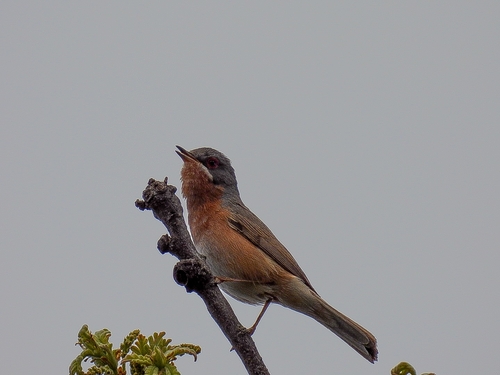
ニシアコウザンムシクイ (Curruca iberiae) ニシアコウザンムシクイ
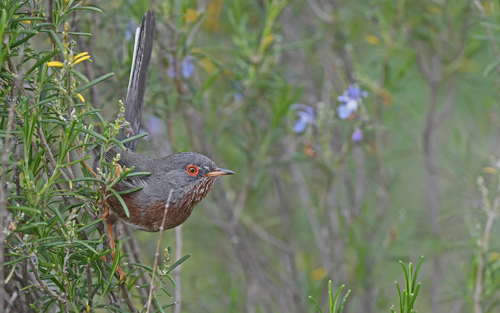
オナガムシクイ (Curruca undata) オナガムシクイ

メディア

読み込み中…

要点

西アコウザンムシクイとオナガムシクイを区別する最も信頼できるフィールドマークは、オスのアコウザンに見られる太い白いマラーストリーク(「口ひげ」)の存在であり、これはオナガムシクイにはありません。オナガムシクイは構造的に異なり、明らかに長くて細い尾と、より細長く尖ったくちばしを持っていますが、アコウザンムシクイはよりコンパクトに見えます。両種のオスは赤みを帯びた腹部を示しますが、アコウザンムシクイのオスはレンガ色の腹部に明確な白いマラーを持ち、オナガムシクイのオスは下側が鈍い赤褐色で、汚れた白い腹部の斑点と白い斑点のある喉を持っています。メスと幼鳥はより難しいですが、オナガムシクイは常に長い尾と赤い目を示し、アコウザンのメスは下側にピンクのフラッシュがあり、赤い目がありません。両種は南ヨーロッパと北西アフリカで重なりますが、オナガムシクイはよりヒース地帯と低木に結びついています。

識別のコツ

  1. 白いマラーストリーク(オスのアコウザンのみ): アコウザンムシクイの成鳥オスの顔に太い白い「口ひげ」を探してください。オナガムシクイはこの特徴を示さず、代わりに喉は赤みを帯びて白い斑点があります。
  2. 尾の長さと形状: オナガムシクイは明らかに長くて細い尾を持ち、しばしば傾けたり振ったりします。アコウザンムシクイの尾は短く、目立たないため、特に鳥が止まっているときや飛んでいるときに役立ちます。
  3. 目の色: オナガムシクイ(すべての年齢/性別)は赤い目と赤いアイリングを持ち、これはアコウザンムシクイには決して見られません。
  4. 腹部の色(オス): アコウザンのオスはレンガ色の腹部を持ち、オナガムシクイのオスは鈍い赤褐色で、腹部に汚れた白い斑点があります。
  5. 喉のパターン: オナガムシクイは白い斑点のある赤い喉を持ち(オスではより明らか)、アコウザンムシクイのオスは白いマラーを持つ平坦なレンガ色の喉を持っています。両者のメスはより地味ですが、オナガムシクイのメスは依然としていくつかの白い喉の斑点を示します。
  6. メス/幼鳥の腹部: アコウザンのメスは下側が白っぽく、ピンクのフラッシュがありますが、オナガムシクイのメスはより淡く、色が少なく、ピンクのトーンがありません。
  7. 上面: アコウザンのオスは上面がきれいな灰色ですが、オナガムシクイのオスは灰褐色または褐色がかった灰色です。両者のメスはより褐色ですが、オナガムシクイは常に鈍く、より muted です。
  8. くちばしの形: オナガムシクイは長くて細く、尖ったくちばしを持ち、ヒース地帯での昆虫食性を反映しています。アコウザンのくちばしは短く、あまり細かくありません。
  9. ジズ: オナガムシクイは長い尾と細い体型のため、特にトゲやヒースの上に直立して止まっているときに細長く見えることがよくあります。アコウザンムシクイはよりコンパクトで、尾を目立たせることは少ないです。
  10. 生息地の文脈: トゲやヒースのある開けたヒース地帯ではオナガムシクイがより可能性が高く、密な地中海の低木やマキではアコウザンが好まれます。生息地を主要な区別要因ではなく、補助的な手がかりとして使用してください。
  11. 歌: 聞こえた場合、アコウザンの速くてガラガラした歌はコノドジロムシクイに似ていますが、これはオナガムシクイの歌の詳細がない限り診断的ではありません。
  12. 性差: 両種はオス/メスの違いを示しますが、アコウザンの両性の赤い目とアコウザンのオスの白いマラーが重要です。
  13. 幼鳥/未熟な鳥: 両者はメスに似ていますが、オナガムシクイの長い尾と赤い目は依然として役立ちます。若い鳥にはどちらの種にも特徴的な上翼パターンは記載されていません。
  14. 落とし穴: 色あせた羽毛の鈍いオスのアコウザンムシクイに注意してください。これは色が少なく見えることがあります。白いマラーと全体の構造を確認してください。強い光の中のオナガムシクイは灰色に見えることがありますが、尾と目は信頼できます。
  15. 季節的文脈: オナガムシクイはその範囲の多くで定住していますが、アコウザンは移動性であるため、タイミングは一部の地域で役立つかもしれませんが、単独では診断的ではありません。

大きさ

両種は小型のムシクイですが、オナガムシクイはわずかに大きく、見た目がより細長いです。これは主に比例的に長くて細い尾によるものです。アコウザンムシクイは全体的によりコンパクトです。メモには正確な長さや質量の数値は記載されていませんが、オナガムシクイの尾はフィールドでの明確な構造的違いです。

羽色

どちらの種にも特徴的な幼鳥や初冬の上翼パターンは記載されていないため、分離は全体の羽毛と頭のパターンに依存します。

行動

オナガムシクイはヒースの上を低く滑るか、トゲやヒースの上に止まっているのが見られることが多く、しばしば長い尾を傾けたり振ったりします。アコウザンムシクイは地中海の低木の中で見られることが多く、素早く動き、尾を目立たせることは少ないです。両者は活発で隠れがちですが、オナガムシクイの尾とジズは開けた場所で特徴的です。

生息環境

アコウザンムシクイは南ヨーロッパと北西アフリカの最南部で繁殖し、地中海の低木やマキを好みます。オナガムシクイも西/南ヨーロッパと北西アフリカに生息しますが、特に西ヨーロッパでは乾燥したヒース地帯、トゲ、低木により密接に結びついています。重なり合う地域では、オナガムシクイは開けたヒースやトゲにより可能性が高く、アコウザンはより密な地中海型の低木に見られます。

声

アコウザンムシクイの歌は速くてガラガラしたもので、コノドジロムシクイに似ています。オナガムシクイの声はメモに詳細が記載されていないため、提供された情報では歌は信頼できる区別要因ではありません。

より良い説明を送る

比較と同じ項目を使ってください。文章はすぐに公開されます。

The most reliable field mark to separate Western Subalpine Warbler from Dartford Warbler is the presence of bold white malar streaks ('moustaches') on the male Subalpine, which are absent in Dartford. Dartford Warbler is structurally distinct with a noticeably longer, thinner tail and a more slender, pointed bill, while Subalpine Warbler appears more compact. Males of both species show reddish underparts, but Subalpine Warbler males have brick-red underparts with a clear white malar, whereas Dartford males are duller reddish-brown below, with a dirty white belly patch and white-spotted throat. Females and immatures are trickier, but Dartford always shows a longer tail and a red eye, while Subalpine females have a pink flush below and lack the red eye. Both species overlap in southern Europe and NW Africa, but Dartford is more tied to heathland and scrub.

  1. White malar streak (male Subalpine only): Look for a bold white 'moustache' on the face of adult male Subalpine Warbler. Dartford Warbler never shows this feature; its throat is reddish with white spots instead.
  2. Tail length and shape: Dartford Warbler has a distinctly long, thin tail, often held cocked or flicked. Subalpine Warbler's tail is shorter and less prominent; this is especially useful when birds are perched or in flight.
  3. Eye color: Dartford Warbler (all ages/sexes) has a red eye and red eye-ring, a feature never shown by Subalpine Warbler.
  4. Underpart color (males): Subalpine males have brick-red underparts, while Dartford males are duller reddish-brown with a dirty white patch on the belly.
  5. Throat pattern: Dartford Warbler has a reddish throat with white spots (more obvious in males), while Subalpine Warbler males have a plain brick-red throat with a white malar; females of both are plainer, but Dartford females still show some white throat spots.
  6. Female/immature underparts: Subalpine females are whitish below with a pink flush, while Dartford females are paler and less colorful, lacking the pinkish tone.
  7. Upperparts: Subalpine males are clean grey above; Dartford males are grey-brown or brownish-grey. Females of both are browner, but Dartford is always duller and more muted.
  8. Bill shape: Dartford Warbler has a longer, thinner, and more pointed bill, reflecting its insectivorous habits in heathland; Subalpine's bill is shorter and less fine.
  9. Jizz: Dartford Warbler often appears elongated due to its long tail and slim build, especially when perched upright on gorse or heather. Subalpine Warbler is more compact and less likely to show its tail so prominently.
  10. Habitat context: In open heathland with gorse or heather, Dartford is more likely; in dense Mediterranean scrub or maquis, Subalpine is favored. Use habitat as a supporting clue, not a primary separator.
  11. Song: If heard, Subalpine's fast, rattling song is similar to Lesser Whitethroat, but this is not diagnostic without more details on Dartford's song.
  12. Sexual dimorphism: Both species show male/female differences, but the white malar in Subalpine males and the red eye in Dartford of both sexes are key.
  13. Juvenile/immature birds: Both are similar to females, but Dartford's long tail and red eye remain useful. No distinctive upperwing patterns are described for either species in young birds.
  14. Pitfalls: Beware of dull male Subalpine Warblers in worn plumage, which may appear less colorful; check for the white malar and overall structure. Dartford Warblers in strong light may appear greyer, but the tail and eye remain reliable.
  15. Seasonal context: Dartford is resident in much of its range; Subalpine is a migrant, so timing may help in some regions but is not diagnostic on its own.

Both species are small warblers, but Dartford Warbler is slightly larger and more elongated in appearance, mainly due to its proportionally longer, thinner tail. Subalpine Warbler is more compact overall. No precise length or mass figures are given in the notes, but the Dartford's tail is a clear structural difference in the field.

There are no distinctive juvenile or first-winter upperwing patterns described for either species, so separation relies on overall plumage and head pattern.

  • Adult males: Subalpine Warbler males have a clean grey back and head, brick-red underparts, and a striking white malar streak. Dartford Warbler males are grey-brown above, dull reddish-brown below with a dirty white belly patch, and have a reddish throat with white spots and a red eye.

  • Females and immatures: Subalpine females are brown above with a greyer head, whitish below with a pink flush, and lack the red eye. Dartford females are browner-grey above, paler below (especially on the throat), and have smaller white throat spots; juveniles resemble females. Dartford's underparts are less vivid, and the white throat spots are a subtle but consistent feature.

  • Shared features: Both have some degree of reddish underparts and sexual dimorphism, but only Subalpine males have the bold white malar. Dartford always has a red eye, which Subalpine lacks.

Dartford Warbler is more likely to be seen skimming low over heath or perched atop gorse or heather, often with its long tail cocked or flicked. Subalpine Warbler is more likely to be seen in Mediterranean scrub, moving quickly and less likely to display its tail so prominently. Both are active and skulking, but Dartford's tail and jizz are distinctive in the open.

Subalpine Warbler breeds in southernmost Europe and NW Africa, favoring Mediterranean scrub and maquis. Dartford Warbler also occurs in western/southern Europe and NW Africa but is more closely tied to dry heathland, gorse, and low scrub, especially in western Europe. In overlapping areas, Dartford is more likely in open heath or gorse, Subalpine in denser, more Mediterranean-type scrub.

Subalpine Warbler's song is described as fast and rattling, similar to Lesser Whitethroat. Dartford Warbler's vocalizations are not detailed in the notes, so song is not a reliable separator with the information provided.

変更を破棄しますか?

保存していない編集があります。今離れると失われます。

ニシアコウザンムシクイ · オナガムシクイ · 苦手な鳥