

Motmot

ニシアマサギ 対 コバシカンムリヒバリ

Ardea ibis 対 Galerida theklae

ニシアマサギとコバシカンムリヒバリのクイズ
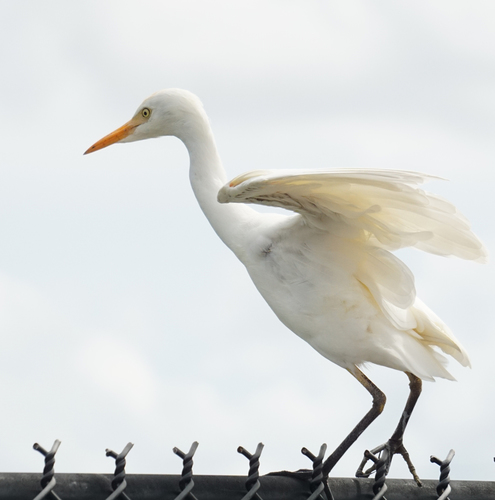
ニシアマサギ (Ardea ibis) ニシアマサギ
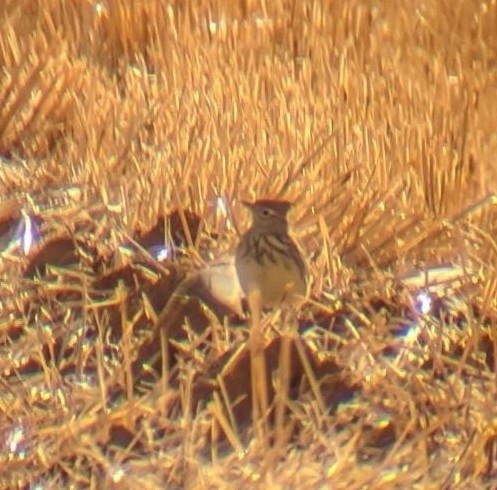
コバシカンムリヒバリ (Galerida theklae) コバシカンムリヒバリ

メディア

読み込み中…

要点

ニシアマサギとコバシカンムリヒバリの最も信頼できる区別は、全体的な構造とサイズです:ニシアマサギは、短くて太い首を持つがっしりとした中型の白いサギであり、コバシカンムリヒバリは、目立つトゲトゲの冠を持つ小さくて縞模様の茶色い歌鳥です。飛行中、ニシアマサギは広く丸みを帯びた翼と全体が白い羽毛を示します(繁殖期の成鳥には季節的なオレンジ色の斑点があります)が、コバシカンムリヒバリは灰色の下羽と縞模様の茶色がかった灰色の上半身を示します。幼鳥のニシアマサギも白いですが、黒いくちばしを持ち、コバシカンムリヒバリの幼鳥は成鳥に似ています。生息地と行動によっても区別されます:ニシアマサギはしばしば家畜のいる開けた野原で見られ、ゆっくりと動きますが、コバシカンムリヒバリは乾燥した開けた土地を好み、しばしば岩の上に止まったり、ディスプレイ飛行で歌ったりします。

識別のコツ

  1. Size and shape: ニシアマサギははるかに大きく重く、太い首と頑丈な体を持っています;コバシカンムリヒバリは小さくてコンパクトな歌鳥です。これは遠くからでも明らかです。
  2. Plumage color: ニシアマサギは繁殖期の成鳥のオレンジ色の斑点を除いて、すべての羽毛が白です;コバシカンムリヒバリは茶色がかった灰色で縞模様で、決して白ではありません。
  3. Bill color and shape: 成鳥のニシアマサギは頑丈な黄色いくちばしを持っています(幼鳥は黒い);コバシカンムリヒバリは短くて細いくちばしを持ち、同じように黄色や黒い先端はありません。
  4. Crest: コバシカンムリヒバリは長くてトゲトゲの立ち上がる冠を持ち、止まっているときや警戒しているときに見えます;ニシアマサギには冠がありません。
  5. Wing pattern in flight: ニシアマサギは広く丸みを帯びた全白の翼を示します;コバシカンムリヒバリは灰色の下羽、縞模様の上半身を示し、翼や尾に白はありません。
  6. Breeding plumage: ニシアマサギだけが繁殖期に頭、胸、背中にオレンジ色の羽毛を発達させます;コバシカンムリヒバリはそのような色の変化を示しません。
  7. Juvenile marks: 幼鳥のニシアマサギは黒いくちばしを持つ白い鳥です;コバシカンムリヒバリの幼鳥は成鳥のように茶色がかった灰色で縞模様です。
  8. Leg color: ニシアマサギは灰色がかった黄色の足を持っています(繁殖期の成鳥では一時的に明るい赤になります);コバシカンムリヒバリは典型的なスズメ目の足を持ち、明るい色ではありません。
  9. Posture: ニシアマサギはしばしば首を引っ込めて背中を丸めて立っています;コバシカンムリヒバリは直立して立ち、しばしば冠を立てています。
  10. Behavior: ニシアマサギはゆっくりと歩き、しばしば家畜の間にいます;コバシカンムリヒバリは地面で餌を探し、しばしば走ったり跳ねたりし、岩の上や飛行中に歌います。
  11. Habitat: ニシアマサギは通常、湿ったまたは草の生えた野原におり、しばしば家畜と一緒にいます;コバシカンムリヒバリは乾燥した開けた土地におり、しばしば岩や砂の多い場所にいて、決して家畜とは一緒にいません。
  12. Vocalizations: ニシアマサギはコロニー以外では静かです;コバシカンムリヒバリは頻繁に歌う歌鳥で、複雑なヒバリの歌を持っています。
  13. Groupings: ニシアマサギは緩い群れやコロニーで見られることがあります;コバシカンムリヒバリは通常、孤独または小さな群れでいます。
  14. Flight style: ニシアマサギは遅くて深い翼の打撃と直接的な飛行を持っています;コバシカンムリヒバリはヒバリ特有の跳ねるような波打つ飛行をし、しばしば歌を伴います。
  15. Confusion risk: 間違いは、明るい光の中で遠くに止まっている鳥や幼鳥のニシアマサギ(黒いくちばし)で最も起こりやすいですが、全体的な構造と色がすぐに識別を解決するはずです。

大きさ

ニシアマサギはかなり大きく、長さ46〜56 cm、翼幅88〜96 cm、体重270〜512 gです [wikipedia]。コバシカンムリヒバリは小さめのヒバリで、ヒバリよりも小さく、ここでは正確な測定値は示されていませんが、どのサギよりもはるかに小さく軽いです。フィールドでは、サギは中型で頑丈な鳥として見え、ヒバリは小さくてコンパクトなスズメ目の鳥です。

羽色

幼鳥と成鳥の非繁殖期のニシアマサギはすべて白で、幼鳥は黒いくちばしを、成鳥は黄色いくちばしを持っています。繁殖期には、成鳥のニシアマサギは頭、胸、背中にオレンジ色の羽毛を発達させ、くちばし、足、虹彩が一時的に明るい赤に変わります。それに対して、コバシカンムリヒバリは決して白ではなく、上面は茶色がかった灰色で暗い縞模様があり、胸は縞模様で、飛行中は灰色の下羽を持っています。コバシカンムリヒバリの幼鳥は成鳥に似ており、白やオレンジの色合いはありません。飛行中、ニシアマサギは完全に白い翼を示し、コバシカンムリヒバリは灰色の下羽を示し、翼や尾に白はありません。コバシカンムリヒバリはまた、止まっているときや時には飛行中に見える目立つトゲトゲの冠を持ち、ニシアマサギにはありません。

行動

ニシアマサギはしばしば開けた野原でゆっくりと意図的に歩いているのが見られ、しばしば家畜や他の大型哺乳類の近くにいて、時には緩い群れやコロニーで見られます。姿勢は背中を丸めており、地面で餌を探し、他のサギのように水の屈折を補正することはほとんどありません。コバシカンムリヒバリは、乾燥した開けた土地の岩の上に止まっているか、ディスプレイ飛行で歌っているのが見られることが多いです。その行動はヒバリ特有で、地面で餌を探し、短い飛行をし、露出した止まり木から頻繁に歌います。ニシアマサギはコロニーから離れるとほとんど静かですが、コバシカンムリヒバリは声を出す歌鳥です。

生息環境

ニシアマサギは開けた野原、草原、農業地域に見られ、しばしば家畜と関連しており、時には湿地や水域の近く、特に巣作りのコロニーで見られます。コバシカンムリヒバリは乾燥した開けた土地を好み、しばしば高地にいて、水や家畜とは関連していません。乾燥した地域や半乾燥地域の常駐種で、しばしば植生がまばらな岩や砂の多い場所に見られます。

声

ニシアマサギは繁殖コロニーでの静かな喉の「リックラック」コールを除いてほとんど静かです。コバシカンムリヒバリは、ほとんどのヒバリのように頻繁で多様な歌手であり、飛行中や止まり木から歌を届けることがよくあります。声は似ておらず、混乱を引き起こす可能性は低いです。

より良い説明を送る

比較と同じ項目を使ってください。文章はすぐに公開されます。

The most reliable separation between Western Cattle Egret and Thekla's Lark is overall structure and size: Cattle Egret is a stocky, medium-sized white heron with a short, thick neck, while Thekla's Lark is a small, streaky brown songbird with a prominent spiky crest. In flight, Cattle Egret shows broad, rounded wings and all-white plumage (except for seasonal buff patches in breeding adults), whereas Thekla's Lark shows grey underwings and a streaked, brownish-grey upperbody. Juvenile Cattle Egrets are also white, but with a black bill, while Thekla's Lark juveniles resemble adults. Habitat and behavior further separate them: Cattle Egret is often seen in open fields with livestock, moving deliberately, while Thekla's Lark prefers dry, open country and is often perched on rocks or singing in display flight.

  1. Size and shape: Cattle Egret is much larger and heavier, with a thick neck and robust body; Thekla's Lark is a small, compact songbird. This is obvious even at a distance.
  2. Plumage color: Cattle Egret is all white in all plumages except for buff-orange patches in breeding adults; Thekla's Lark is brownish-grey and streaked, never white.
  3. Bill color and shape: Adult Cattle Egret has a sturdy yellow bill (black in juveniles); Thekla's Lark has a shorter, finer bill, never yellow or black-tipped in the same way.
  4. Crest: Thekla's Lark has a long, spiky, erectile crest, visible when perched or alert; Cattle Egret lacks any crest.
  5. Wing pattern in flight: Cattle Egret shows broad, rounded, all-white wings; Thekla's Lark shows grey underwings, streaked upperparts, and no white in wings or tail.
  6. Breeding plumage: Only Cattle Egret develops orange-buff plumes on head, breast, and back in breeding season; Thekla's Lark shows no such color change.
  7. Juvenile marks: Juvenile Cattle Egret is white with a black bill; Thekla's Lark juveniles are like adults, brownish-grey and streaked.
  8. Leg color: Cattle Egret has greyish-yellow legs (turning bright red briefly in breeding adults); Thekla's Lark has typical passerine legs, not brightly colored.
  9. Posture: Cattle Egret often stands hunched, with neck retracted; Thekla's Lark stands upright, often with crest raised.
  10. Behavior: Cattle Egret walks slowly, often among livestock; Thekla's Lark forages on the ground, often runs or hops, and sings from rocks or in flight.
  11. Habitat: Cattle Egret is usually in wet or grassy fields, often with cattle; Thekla's Lark is in dry, open country, often rocky or sandy, never with livestock.
  12. Vocalizations: Cattle Egret is silent except at colonies; Thekla's Lark is a frequent singer, with complex lark song.
  13. Groupings: Cattle Egret may be seen in loose flocks or colonies; Thekla's Lark is usually solitary or in small groups.
  14. Flight style: Cattle Egret has slow, deep wingbeats and a direct flight; Thekla's Lark has bounding, undulating flight typical of larks, often with song.
  15. Confusion risk: Mistakes are most likely with distant, perched birds in bright light, or with juvenile Cattle Egrets (black bill), but overall structure and color should quickly resolve the ID.

Western Cattle Egret is substantially larger: 46–56 cm in length with an 88–96 cm wingspan and weighing 270–512 g [wikipedia]. Thekla's Lark is a smallish lark, smaller than Eurasian Skylark, with no precise measurements given here, but it is much smaller and lighter than any heron. In the field, the egret will appear as a medium-sized, robust bird, while the lark is a small, compact passerine.

Juvenile and adult non-breeding Western Cattle Egrets are all white, with juveniles showing a black bill and adults a yellow one. In breeding season, adult Cattle Egrets develop orange-buff plumes on the head, breast, and back, with bill, legs, and irises briefly turning bright red. Thekla's Lark, by contrast, is never white: it is brownish-grey above with dark streaks, a streaked breast, and grey underwings in flight. Thekla's Lark juveniles are similar to adults, lacking any white or orange tones. In flight, Cattle Egret shows entirely white wings, while Thekla's Lark shows grey underwings and lacks any white in the wings or tail. Thekla's Lark also has a prominent spiky crest, visible both perched and sometimes in flight, which is absent in Cattle Egret.

Cattle Egret is often seen walking slowly and deliberately in open fields, frequently near cattle or other large mammals, sometimes in loose flocks or colonies. It has a hunched posture and forages on land, rarely correcting for water refraction like other herons. Thekla's Lark is more likely to be seen perched on rocks, fence posts, or singing in display flight over dry, open country. Its behavior is typical of larks: ground-foraging, short flights, and frequent singing from exposed perches. Cattle Egret is largely silent away from colonies, while Thekla's Lark is a vocal songbird.

Cattle Egret is found in open fields, grasslands, and agricultural areas, often in association with livestock, and sometimes near wetlands or water bodies, especially at nesting colonies. Thekla's Lark prefers dry, open country, often at some altitude, and is not associated with water or livestock. It is a resident species in arid and semi-arid regions, often found in rocky or sandy areas with sparse vegetation.

Cattle Egret is largely silent except for a quiet, throaty 'rick-rack' call at breeding colonies. Thekla's Lark, like most larks, is a frequent and varied singer, often delivering its song in flight or from a perch. Vocalizations are not similar and are unlikely to cause confusion.

変更を破棄しますか?

保存していない編集があります。今離れると失われます。

ニシアマサギ · コバシカンムリヒバリ · 苦手な鳥