

Airone guardabuoi vs Thekla's Lark
Ardea ibis contro Galerida theklae
Fai un quiz con Airone guardabuoi e Thekla's Lark
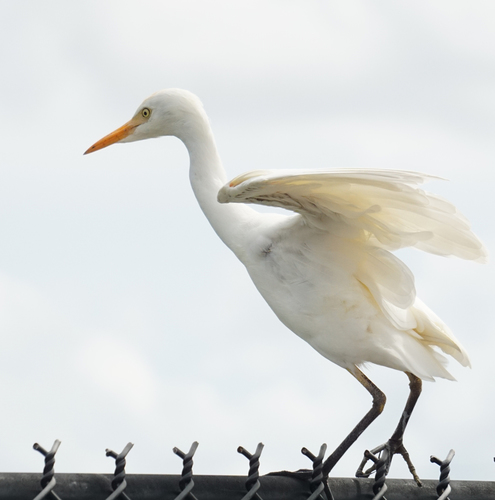 Airone guardabuoi
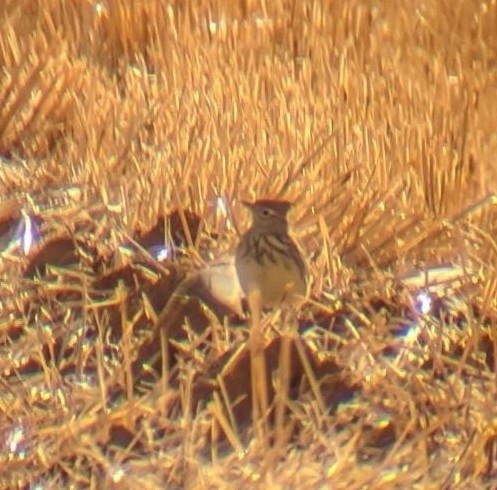 Thekla's Lark
In breve
La separazione più affidabile tra Airone guardabuoi e Thekla's Lark è la struttura e la dimensione complessive: l'Airone guardabuoi è un airone bianco tozzo di dimensioni medie con un collo corto e spesso, mentre Thekla's Lark è un piccolo uccello canoro marrone striato con una cresta prominente e spinosa. In volo, l'Airone guardabuoi mostra ali larghe e arrotondate e un piumaggio completamente bianco (eccetto per macchie buff stagionali negli adulti in riproduzione), mentre Thekla's Lark mostra sottocoda grigia e un corpo superiore striato di grigio-marrone. Gli Aironi guardabuoi juvenili sono anch'essi bianchi, ma con un becco nero, mentre i juvenili di Thekla's Lark somigliano agli adulti. L'habitat e il comportamento li separano ulteriormente: l'Airone guardabuoi è spesso visto in campi aperti con bestiame, muovendosi deliberatamente, mentre Thekla's Lark preferisce paesaggi asciutti e aperti ed è spesso posato su rocce o canta in volo di esibizione.
Consigli di identificazione
- Dimensione e forma: L'Airone guardabuoi è molto più grande e pesante, con un collo spesso e un corpo robusto; Thekla's Lark è un piccolo uccello canoro compatto. Questo è ovvio anche da lontano.
- Colore del piumaggio: L'Airone guardabuoi è completamente bianco in tutti i piumaggi eccetto per macchie buff-arancioni negli adulti in riproduzione; Thekla's Lark è grigio-marrone e striato, mai bianco.
- Colore e forma del becco: L'Airone guardabuoi adulto ha un becco giallo robusto (nero nei juvenili); Thekla's Lark ha un becco più corto e fine, mai giallo o con punta nera nello stesso modo.
- Cresta: Thekla's Lark ha una lunga cresta spiky ed erettile, visibile quando è posata o allerta; l'Airone guardabuoi non ha alcuna cresta.
- Schema delle ali in volo: L'Airone guardabuoi mostra ali larghe, arrotondate e completamente bianche; Thekla's Lark mostra sottocoda grigia, parti superiori striate e nessun bianco nelle ali o nella coda.
- Piumaggio di riproduzione: Solo l'Airone guardabuoi sviluppa piume arancione-buff sulla testa, sul petto e sulla schiena durante la stagione di riproduzione; Thekla's Lark non mostra alcun cambiamento di colore simile.
- Segni juvenili: L'Airone guardabuoi juvenile è bianco con un becco nero; i juvenili di Thekla's Lark sono simili agli adulti, grigio-marrone e striati.
- Colore delle gambe: L'Airone guardabuoi ha gambe grigio-giallastre (che diventano rosso brillante brevemente negli adulti in riproduzione); Thekla's Lark ha gambe tipiche di un passeriforme, non colorate in modo vivace.
- Postura: L'Airone guardabuoi spesso sta curvo, con il collo ritratto; Thekla's Lark sta dritto, spesso con la cresta sollevata.
- Comportamento: L'Airone guardabuoi cammina lentamente, spesso tra il bestiame; Thekla's Lark cerca cibo a terra, spesso corre o salta, e canta da rocce o in volo.
- Habitat: L'Airone guardabuoi si trova di solito in campi umidi o erbosi, spesso con bestiame; Thekla's Lark si trova in paesaggi asciutti e aperti, spesso rocciosi o sabbiosi, mai con bestiame.
- Vocalizzazioni: L'Airone guardabuoi è silenzioso eccetto che nelle colonie; Thekla's Lark è un cantante frequente, con un canto complesso da allodola.
- Raggruppamenti: L'Airone guardabuoi può essere visto in stormi sciolti o colonie; Thekla's Lark è solitamente solitaria o in piccoli gruppi.
- Stile di volo: L'Airone guardabuoi ha battiti d'ali lenti e profondi e un volo diretto; Thekla's Lark ha un volo saltellante e ondulato tipico delle allodole, spesso con canto.
- Rischio di confusione: Gli errori sono più probabili con uccelli lontani e posati in luce brillante, o con Aironi guardabuoi juvenili (becco nero), ma la struttura complessiva e il colore dovrebbero rapidamente risolvere l'identificazione.
Taglia
L'Airone guardabuoi è sostanzialmente più grande: 46–56 cm di lunghezza con un'apertura alare di 88–96 cm e un peso di 270–512 g [wikipedia]. Thekla's Lark è un'allodola di dimensioni ridotte, più piccola dell'Allodola, senza misure precise fornite qui, ma è molto più piccola e leggera di qualsiasi airone. Sul campo, l'airone apparirà come un uccello robusto di dimensioni medie, mentre l'allodola è un passeriforme piccolo e compatto.
Piumaggio
Gli Aironi guardabuoi juvenili e adulti non in riproduzione sono completamente bianchi, con i juvenili che mostrano un becco nero e gli adulti un becco giallo. Durante la stagione di riproduzione, gli Aironi guardabuoi adulti sviluppano piume arancione-buff sulla testa, sul petto e sulla schiena, con becco, gambe e iridi che diventano brevemente rosso brillante. Thekla's Lark, al contrario, non è mai bianca: è grigio-marrone sopra con striature scure, un petto striato e sottocoda grigia in volo. I juvenili di Thekla's Lark sono simili agli adulti, privi di toni bianchi o arancioni. In volo, l'Airone guardabuoi mostra ali completamente bianche, mentre Thekla's Lark mostra sottocoda grigia e non ha bianco nelle ali o nella coda. Thekla's Lark ha anche una cresta prominente e spinosa, visibile sia posata che a volte in volo, che è assente nell'Airone guardabuoi.
Comportamento
L'Airone guardabuoi è spesso visto camminare lentamente e deliberatamente in campi aperti, frequentemente vicino a bestiame o altri grandi mammiferi, a volte in stormi sciolti o colonie. Ha una postura curva e cerca cibo a terra, raramente correggendo per la rifrazione dell'acqua come altri aironi. Thekla's Lark è più probabile che venga vista posata su rocce, pali di recinzione, o cantando in volo di esibizione su paesaggi asciutti e aperti. Il suo comportamento è tipico delle allodole: cerca cibo a terra, brevi voli e frequenti canti da posatoi esposti. L'Airone guardabuoi è per lo più silenzioso lontano dalle colonie, mentre Thekla's Lark è un uccello canoro vocale.
Habitat
L'Airone guardabuoi si trova in campi aperti, praterie e aree agricole, spesso in associazione con bestiame, e talvolta vicino a zone umide o corpi idrici, specialmente presso colonie di nidificazione. Thekla's Lark preferisce paesaggi asciutti e aperti, spesso a qualche altitudine, e non è associata ad acqua o bestiame. È una specie residente in regioni aride e semi-aride, spesso trovata in aree rocciose o sabbiose con vegetazione scarsa.
Voce
L'Airone guardabuoi è per lo più silenzioso eccetto per un richiamo sommesso e profondo 'rick-rack' nelle colonie di riproduzione. Thekla's Lark, come la maggior parte delle allodole, è un cantante frequente e variegato, spesso esibendo il suo canto in volo o da un posatoio. Le vocalizzazioni non sono simili e sono improbabili da confondere.
Airone guardabuoi · Thekla's Lark · I miei uccelli difficili