

Motmot

ボネリームシクイ 対 キマユムシクイ

Phylloscopus bonelli 対 Phylloscopus inornatus

ボネリームシクイとキマユムシクイのクイズ
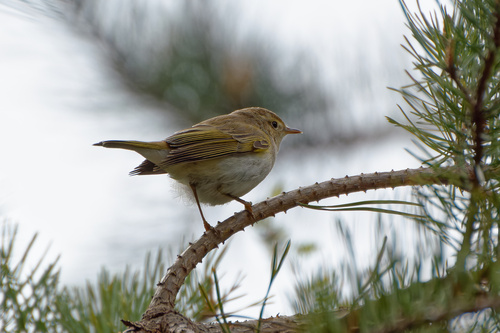
ボネリームシクイ (Phylloscopus bonelli) ボネリームシクイ
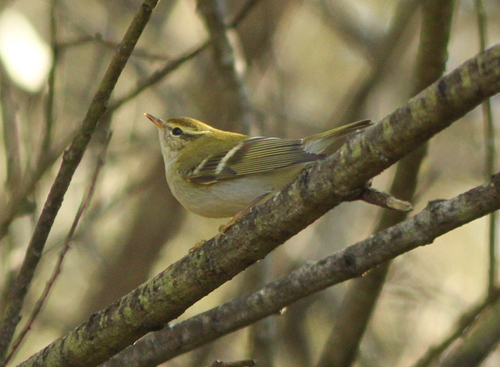
キマユムシクイ (Phylloscopus inornatus) キマユムシクイ

メディア

読み込み中…

要点

ボネリームシクイとキマユムシクイを区別する最も信頼できるフィールドマークは、Yellow-browedに存在する大胆な黄味がかった翼帯と強い黄色のスーパシリウムであり、これらはWestern Bonelli'sには完全に欠けています。Western Bonelli'sは地味で、灰緑色の背中と白っぽい腹部を持ち、Yellow-browedは上面が明るい緑色で、下面が白く、明らかな黄色のハイライトがあります。飛んでいるときや止まっているとき、Yellow-browedの二重翼帯と三次羽の黄色い縁が際立ち、特に幼鳥や非繁殖期の鳥で顕著です。声も特徴的です:Bonelli'sは二音節の「hu-it」と呼ぶのに対し、Yellow-browedは鋭い「tseeweest」を発します。生息地と範囲はほとんど重ならないが、両方とも西ヨーロッパで迷鳥として現れることがあります。

識別のコツ

  1. Wing bars are key: キマユムシクイは、すべての年齢と季節において常に二つの黄味がかった白い翼帯(大覆羽と中覆羽)を示します;ボネリームシクイは翼帯を示しません。
  2. Supercilium: Yellow-browedは目の後ろまで達する長く強い黄色のスーパシリウムを持っています;Bonelli'sはせいぜい淡い、薄い眉しか持っていません。
  3. Tertial edges: Yellow-browedは三次羽に黄味がかった縁を示し、全体的に明るい印象を与えます;Bonelli'sの三次羽は地味です。
  4. Crown stripe: 一部のYellow-browed個体は淡い冠の縞を持っていますが、これは変動があり、常に存在するわけではありません;Bonelli'sは冠の縞を持っていません。
  5. Upperparts color: Bonelli'sは灰緑色から茶色がかった上面を持ち、緑がかった尾を持っています;Yellow-browedは特に新鮮な鳥で上面が明るい緑色です。
  6. Underparts: 両者は下面が白っぽいですが、Yellow-browedは明るい上面のためによりクリーンなコントラストを示すことがあります。
  7. Leg color: 両者は茶色の脚を持っています;これはこの二者を区別する信頼できる特徴ではありません。
  8. Bill: 両者はPhylloscopusムシクイに典型的な小さく尖ったくちばしを持っています;ここでは有用なフィールドマークではありません。
  9. Flight views: 飛行中、Yellow-browedの翼帯と黄色い三次羽の縁がフラッシュすることがあります;Bonelli'sは地味です。
  10. Behavior: Yellow-browedは非常に活発で、しばしば翼と尾をひらひらさせながら急速に葉の間を移動します;Bonelli'sは活発ですが、少し落ち着いています。
  11. Voice: Bonelli'sの呼び声は柔らかい二音節の「hu-it」で、Yellow-browedは大きく鋭い「tseeweest」を発します。呼び声はよく聞こえれば診断的です。
  12. Song: 両者は高音で速いトリルの歌を持っていますが、これらは呼び声よりも区別にはあまり信頼できません。
  13. Habitat and range: Bonelli'sは南西ヨーロッパ/北アフリカで繁殖し、サハラ以南のアフリカで越冬します;Yellow-browedは東パレアルクティックで繁殖し、アジアで越冬しますが、両者とも西ヨーロッパで迷鳥として現れることがあります。繁殖地で見られた場合、範囲は強い手がかりです。
  14. Season: 西ヨーロッパでは、Yellow-browedは定期的な秋の渡り鳥であり、越冬者です;Bonelli'sは繁殖範囲外では珍しい迷鳥です。
  15. Pitfalls: Bonelli'sを翼帯のある他の緑がかったPhylloscopusムシクイと混同しないでください—翼やスーパシリウムに黄色が見られた場合、それはBonelli'sではありません。逆に、ヨーロッパで地味で無印のムシクイはYellow-browedである可能性は低いです。

大きさ

キマユムシクイは、長さ9.5〜11 cm、重さ4〜9 gの最小の旧世界のムシクイの一つです。ボネリームシクイはサイズが似ていますが、特に小さいとは説明されていません;両者は小さくスリムなムシクイですが、Yellow-browedはわずかに繊細で短尾に見える傾向があります。サイズだけでは、これら二者をフィールドで信頼できる区別にはなりません。

羽色

幼鳥と非繁殖期のキマユムシクイは、二つの目立つ黄味がかった白い翼帯(大覆羽と中覆羽)、三次羽の黄色い縁、長い黄色のスーパシリウムを示します—これらのマークは止まっているときも飛んでいるときも見られ、すべての年齢に存在します。ボネリームシクイはすべての年齢で翼帯や黄色のハイライトが欠けており、灰緑色の背中、緑がかった尾と翼、そして清潔な白っぽい腹部を持っています。Bonelli'sは小さく尖ったくちばしと茶色の脚を持っていますが、羽毛には黄色がありません。Yellow-browedは淡い冠の縞を示すことがありますが、これは変動があります。要約すると:明らかな黄色の翼帯とスーパシリウムを持つ鳥はYellow-browedであり、地味で無印のムシクイはBonelli'sです。

行動

キマユムシクイは非常に活発で、ほぼ常に葉の間を移動しており、長時間観察するのが難しいですが、恥ずかしがり屋ではありません。ボネリームシクイも活発ですが、やや落ち着いているかもしれません。両者は樹上性の昆虫食ですが、Yellow-browedの落ち着きのなさと翼や尾をひらひらさせる傾向がより顕著です。飛行中、両者は小さくて素早いですが、Yellow-browedの翼帯がフラッシュすることがあります。

生息環境

ボネリームシクイは南西ヨーロッパと北アフリカで繁殖し、森林や林地を好み、サハラ以南のアフリカで越冬します。キマユムシクイは東パレアルクティック(ウラル山脈のすぐ西から東へ)で繁殖し、熱帯南アジアと東南アジアで越冬しますが、現在は西ヨーロッパで定期的に越冬する小さな数がいます。両者は西ヨーロッパで迷鳥として現れることがありますが、Bonelli'sは繁殖範囲外でははるかに珍しいです。典型的な範囲では、生息地の重なりは最小限です。

声

ボネリームシクイはその歌に速い単調なトリルを持ち、特徴的な二音節の呼び声「hu-it」を持っています。キマユムシクイの歌は高音の笛のメドレーですが、その呼び声は大きく鋭い「tseeweest」で、しばしば二音節ですが、Bonelli'sよりも鋭く、より強いです。呼び声は完全に異なり、よく聞こえれば診断的です。

より良い説明を送る

比較と同じ項目を使ってください。文章はすぐに公開されます。

The most reliable field mark to separate Western Bonelli's Warbler from Yellow-browed Warbler is the presence of bold yellowish wing bars and a strong yellow supercilium in Yellow-browed, which are completely absent in Western Bonelli's. Western Bonelli's is plainer, with a grey-green back and whitish underparts, while Yellow-browed is brighter green above and white below, with obvious yellow highlights. In flight or perched, the double wing bars and yellow edges to tertials of Yellow-browed stand out, especially in juveniles and non-breeding birds. Voice is also distinctive: Bonelli's has a disyllabic 'hu-it' call, while Yellow-browed gives a piercing 'tseeweest'. Habitat and range rarely overlap, but both can occur as vagrants in western Europe.

  1. Wing bars are key: Yellow-browed Warbler always shows two yellowish-white wing bars (greater and median coverts) at all ages and seasons; Western Bonelli's Warbler never shows any wing bars.
  2. Supercilium: Yellow-browed has a long, strong yellow supercilium reaching behind the eye; Bonelli's has only a faint, pale brow at best.
  3. Tertial edges: Yellow-browed shows yellowish edges to the tertials, adding to the overall bright impression; Bonelli's tertials are plain.
  4. Crown stripe: Some Yellow-browed individuals have a faint pale crown stripe, but this is variable and not always present; Bonelli's lacks any crown stripe.
  5. Upperparts color: Bonelli's is grey-green to brownish above, with a greenish rump; Yellow-browed is brighter green above, especially fresh birds.
  6. Underparts: Both are whitish below, but Yellow-browed may show a cleaner contrast due to its brighter upperparts.
  7. Leg color: Both have brown legs; this is not a reliable separator between these two.
  8. Bill: Both have small, pointed bills typical of Phylloscopus warblers; not a useful field mark here.
  9. Flight views: In flight, Yellow-browed's wing bars and yellow tertial edges may flash; Bonelli's remains plain.
  10. Behavior: Yellow-browed is extremely active, often flicking wings and tail and moving rapidly through foliage; Bonelli's is active but less frenetic.
  11. Voice: Bonelli's call is a soft, disyllabic 'hu-it'; Yellow-browed gives a loud, piercing 'tseeweest'. Calls are diagnostic if heard well.
  12. Song: Both have high-pitched, fast trilled songs, but these are less reliable for separation than calls.
  13. Habitat and range: Bonelli's breeds in southwest Europe/North Africa and winters in sub-Saharan Africa; Yellow-browed breeds in the east Palearctic and winters in Asia, but both can occur as vagrants in western Europe. If seen in breeding habitat, range is a strong clue.
  14. Season: In western Europe, Yellow-browed is a regular autumn migrant and winterer; Bonelli's is a rare vagrant outside its breeding range.
  15. Pitfalls: Do not confuse Bonelli's with other greenish Phylloscopus warblers with wing bars—if you see any yellow in the wing or supercilium, it is not Bonelli's. Conversely, a plain, unmarked warbler in Europe is unlikely to be Yellow-browed.

Yellow-browed Warbler is one of the smallest Old World warblers, at 9.5–11 cm long and 4–9 g. Western Bonelli's Warbler is similar in size but not described as especially small for the genus; both are small, slim warblers, but Yellow-browed tends to look slightly more delicate and short-tailed. Size alone is not a reliable separator in the field between these two.

Juvenile and non-breeding Yellow-browed Warblers show two prominent yellowish-white wing bars (on greater and median coverts), yellow edges to tertials, and a long yellow supercilium—these marks are visible both perched and in flight and are present in all ages. Western Bonelli's Warbler of all ages lacks any wing bars or yellow highlights; it is plainer, with a grey-green back, greenish rump and wings, and clean whitish underparts. The Bonelli's has a small, pointed bill and brown legs, but no yellow in the plumage. Yellow-browed may show a faint pale crown stripe, but this is variable. In summary: any bird with obvious yellow wing bars and supercilium is Yellow-browed; a plain, unmarked warbler is Bonelli's.

Yellow-browed Warbler is highly active, almost constantly moving through foliage and often difficult to observe for long, despite not being shy. Western Bonelli's Warbler is also active but may be slightly less frenetic. Both are arboreal insectivores, but Yellow-browed's restlessness and tendency to flick wings and tail are more pronounced. In flight, both are small and quick, but Yellow-browed's wing bars may flash.

Western Bonelli's Warbler breeds in southwest Europe and North Africa, favoring forests and woodlands, and winters in sub-Saharan Africa. Yellow-browed Warbler breeds in the east Palearctic (from just west of the Urals eastwards) and winters in tropical South and Southeast Asia, but small numbers now regularly winter in western Europe. Both may occur as vagrants in western Europe, but Bonelli's is much rarer outside its breeding range. In their typical ranges, habitat overlap is minimal.

Western Bonelli's Warbler has a fast, monotone trill for its song, and a distinctive disyllabic call: 'hu-it'. Yellow-browed Warbler's song is a high-pitched medley of whistles, but its call is a loud, piercing 'tseeweest', often disyllabic but sharper and more insistent than Bonelli's. The calls are completely different and diagnostic if heard well.

変更を破棄しますか?

保存していない編集があります。今離れると失われます。

ボネリームシクイ · キマユムシクイ · 苦手な鳥