

Motmot

Western Black-headed Batis 対 コビトセワタビタキ

Batis erlangeri 対 Batis perkeo

Western Black-headed Batisとコビトセワタビタキのクイズ
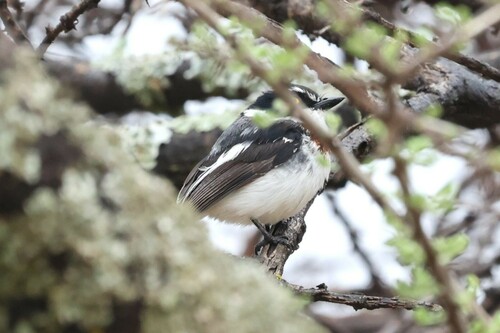
Western Black-headed Batis (Batis erlangeri) Western Black-headed Batis
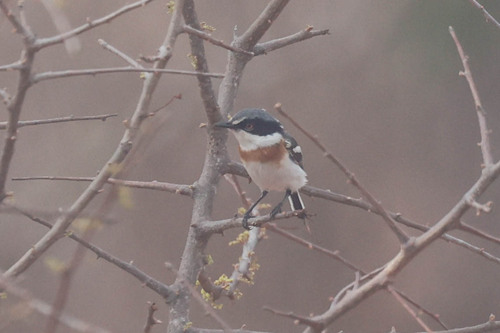
コビトセワタビタキ (Batis perkeo) コビトセワタビタキ

メディア

読み込み中…

要点

Western Black-headed Batisとコビトセワタビタキを区別する最も信頼できるフィールドマークはサイズです:コビトセワタビタキは明らかに小さく、よりコンパクトで、ずんぐりとした外観とふわふわした斑点のある尾羽を持っていますが、Western Black-headed Batisはより大きく、スリムです。羽毛では、オスのコビトセワタビタキは青灰色の背中、太い黒いマスク、広い白い翼のストライプを示し、メスは赤褐色の胸帯と顎を持っています。Western Black-headed Batisはこれらの特定の特徴を欠いており、その羽毛は対照的ではありません。両種は黒、白、灰色の色合いを共有していますが、構造と微妙な羽毛の詳細に注意を払うことが重要です。生息地も役立ちます:コビトセワタビタキは北東アフリカの乾燥サバンナを好み、Western Black-headed Batisは中央アフリカの乾燥した森林と湿ったサバンナに生息しています。

識別のコツ

  1. Size is the quickest separator: コビトセワタビタキはWestern Black-headed Batisよりもはるかに小さく、よりコンパクトです。特に他のバティスと比較して、鳥が小さくずんぐりしているように見える場合は、コビトセワタビタキを疑ってください。
  2. Rump and lower back: コビトセワタビタキはふわふわした白い斑点のある尾羽を示し、特に鳥が活発であったり羽繕いをしているときに目立ちます。Western Black-headed Batisはこの特徴を欠いています。
  3. Wing pattern: コビトセワタビタキの広くて太い白い翼のストライプを探してください。これは、中央と大きなカバーと内側の二次羽/三次羽の白いエッジによって形成されています。これは、止まっている鳥と飛んでいる鳥の両方で見ることができます。Western Black-headed Batisはそのような目立つ翼のストライプを持っていません。
  4. Head and face: オスのコビトセワタビタキは青灰色の頭と背中、はっきりとした黒い顔のマスク、黄色い目の上に短い白い眉があります。Western Black-headed Batisは青灰色のトーンを欠いており、対照的なマスクが少ないかもしれません。
  5. Tail pattern: コビトセワタビタキは外側の羽に白いエッジと先端を持つ黒い尾羽を持っています。これは、尾が広がったり飛んでいるときに見ることができます。Western Black-headed Batisはこのパターンを明確には示しません。
  6. Underparts and breast band: 両種は白い腹部を持っていますが、オスのコビトセワタビタキは狭い黒い胸帯を持ち、メスは淡い赤褐色の胸帯と顎を持っています。Western Black-headed Batisのメスはこの赤褐色の色合いを示しません。
  7. Female plumage: メスのコビトセワタビタキは赤褐色の胸帯、顎、そして茶色がかった顔のマスクと翼のストライプで特徴的です。Western Black-headed Batisのメスはこれらの暖かいトーンを欠いています。
  8. Bill and legs: 両種は黒いくちばしと足を持っているため、これは有用な区別にはなりません。
  9. Jizz: コビトセワタビタキはずんぐりして短い尾を持っているように見え、しばしばふわふわした後部を持っていますが、Western Black-headed Batisはより細長くスリムです。
  10. Habitat: もしあなたが北東アフリカの乾燥した開けたサバンナにいるなら、コビトセワタビタキの方がはるかに可能性が高いです。中央アフリカの乾燥した森林や湿ったサバンナでは、Western Black-headed Batisがデフォルトです。
  11. Behavior: コビトセワタビタキはしばしば小さな群れや混合フロックで見られ、活発に樹冠で餌を探します。Western Black-headed Batisはより孤独またはペアでいるかもしれませんが、これはあまり信頼できません。
  12. No strong age-specific flight marks: 両種には記載された幼鳥や未熟な上翼パターンがないため、サイズ、構造、成鳥の羽毛に頼ってください。
  13. Voice: 利用可能なメモには診断的な声の違いは記載されていないため、分離のために呼び声に頼らないでください。
  14. Pitfall: 両種は一般的に黒、白、灰色のカラースキームを共有しているため、素早い視界は誤解を招く可能性があります。IDを行う前に、サイズ、翼のストライプ、尾羽のパターンを必ず確認してください。
  15. Season and sex: メスのコビトセワタビタキは赤褐色のトーンのために分離が容易ですが、オスは翼と頭のパターンにもっと注意を必要とします。

大きさ

コビトセワタビタキは明らかに小さく、軽量で、体長は8〜9 cm、体重は5〜9 g([wikipedia])で、Western Black-headed Batisは11.2 g([wikidata])です。フィールドでは、コビトセワタビタキは明らかに小さく、よりコンパクトに見え、ずんぐりした短い尾の外観を持っていますが、Western Black-headed Batisはより大きく、より細長いです。このサイズの違いは、距離があっても混合フロックの中でもしばしば明らかです。

羽色

両種には年齢特有の幼鳥や未熟な上翼パターンは記載されていないため、成鳥とメスの羽毛に焦点を当てます。オスのコビトセワタビタキは青灰色の頭と背中、鋭い黒い顔のマスク、黄色い目の上に短い白い眉を持って際立っています。その翼には、中央と大きなカバーおよび内側の二次羽/三次羽の白いエッジによって形成された広く目立つ白いストライプがあり、尾羽は白い斑点があり、ふわふわしています。腹部は白く、狭い黒い胸帯があります。メスのコビトセワタビタキは淡い赤褐色の胸帯と顎を持ち、顔のマスク、眉、翼のストライプには茶色がかったトーンがあります。Western Black-headed Batisは青灰色の上部、太い白い翼のストライプ、またはメスの赤褐色のトーンを示しません。両種は黒い尾を持っていますが、コビトセワタビタキは外側の尾羽に白いエッジと先端を持ち、良好な視界で見ることができるかもしれません。

行動

コビトセワタビタキは非常に活発で樹上性であり、しばしばペアや小さな家族群で餌を探し、混合種のフロックに頻繁に参加します。葉や小枝から昆虫を採取し、時折空中での急襲を行います。Western Black-headed Batisは同じバティスとしていくつかの採餌行動を共有している可能性がありますが、メモにはその習性の詳細は記載されていません。フィールドでは、コビトセワタビタキは特に他の小さな昆虫食の仲間と一緒にいるときに、よりエネルギッシュで社交的に見えるかもしれません。

生息環境

コビトセワタビタキは北東アフリカの乾燥したサバンナに生息していますが、Western Black-headed Batisは中央アフリカ全体に広い範囲を占め、亜熱帯または熱帯の乾燥した森林と湿ったサバンナを好みます。もし乾燥した開けたサバンナで木がまばらに生えているのを観察した場合、コビトセワタビタキの方が可能性が高いです。より木が多いまたは湿った生息地、特に中央アフリカでは、Western Black-headed Batisが期待される種です。生息地の重複は最小限であるため、場所と環境は強い手がかりです。

より良い説明を送る

比較と同じ項目を使ってください。文章はすぐに公開されます。

The most reliable field mark to separate Western Black-headed Batis from Pygmy Batis is size: Pygmy Batis is notably smaller and more compact, with a dumpy appearance and fluffy, spotted rump, while Western Black-headed Batis is larger and sleeker. In plumage, male Pygmy Batis shows a bluish-grey back, a bold black mask, and a broad white wing stripe, while females have a rufous-buff breast band and chin. Western Black-headed Batis lacks these specific features, and its plumage is less contrasting. Both species share black, white, and grey coloration, but careful attention to structure and subtle plumage details is key. Habitat can also help: Pygmy Batis prefers dry savannahs in NE Africa, while Western Black-headed Batis is found in central Africa's dry forests and moist savannas.

  1. Size is the quickest separator: Pygmy Batis is much smaller and more compact than Western Black-headed Batis. If the bird looks tiny and dumpy, especially compared to other batises, suspect Pygmy Batis.
  2. Rump and lower back: Pygmy Batis shows a fluffy, white-spotted rump, which is especially noticeable when the bird is active or preening. Western Black-headed Batis lacks this feature.
  3. Wing pattern: Look for a broad, bold white wing stripe on Pygmy Batis, formed by the white edges to the median and greater coverts and inner secondaries/tertials. This is visible in both perched and flying birds. Western Black-headed Batis does not have such a prominent wing stripe.
  4. Head and face: Male Pygmy Batis has a bluish-grey head and back, a sharply defined black face mask, and a short white supercilium above a yellow eye. Western Black-headed Batis lacks the bluish tones and may have a less contrasting mask.
  5. Tail pattern: Pygmy Batis has black tail feathers with white edges and tips on the outer feathers. This can be seen when the tail is fanned or in flight. Western Black-headed Batis does not show this pattern as distinctly.
  6. Underparts and breast band: Both species have white underparts, but male Pygmy Batis has a narrow black breast band, while the female has a pale rufous-buff breast band and chin. Western Black-headed Batis females do not show this rufous-buff coloration.
  7. Female plumage: Female Pygmy Batis is distinctive with its rufous-buff breast band, chin, and buffy brown face mask and wing stripe. Western Black-headed Batis females lack these warm tones.
  8. Bill and legs: Both species have black bills and legs, so this is not a useful separator.
  9. Jizz: Pygmy Batis appears dumpy and short-tailed, often with a fluffy rear, while Western Black-headed Batis is more elongated and sleeker.
  10. Habitat: If you are in dry, open savannah in northeastern Africa, Pygmy Batis is far more likely. In central Africa's dry forests or moist savannas, Western Black-headed Batis is the default.
  11. Behavior: Pygmy Batis is often seen in small groups or mixed flocks, actively foraging in the canopy. Western Black-headed Batis may be more solitary or in pairs, but this is less reliable.
  12. No strong age-specific flight marks: There are no described juvenile or immature upperwing patterns for either species, so rely on size, structure, and adult plumage.
  13. Voice: No diagnostic vocal differences are described in the available notes, so do not rely on calls for separation.
  14. Pitfall: Both species share a general black, white, and grey color scheme, so quick views can be misleading. Always check for size, wing stripe, and rump pattern before making an ID.
  15. Season and sex: Female Pygmy Batis is easier to separate due to its rufous-buff tones, while males require more attention to wing and head pattern.

Pygmy Batis is significantly smaller and lighter, with a body length of 8–9 cm and a mass of 5–9 g ([wikipedia]), compared to Western Black-headed Batis at 11.2 g ([wikidata]). In the field, Pygmy Batis will appear noticeably tinier and more compact, with a dumpy, short-tailed look, while Western Black-headed Batis is larger and more elongated. This size difference is often apparent even at a distance or in mixed flocks.

No age-specific juvenile or immature upperwing patterns are described for either species, so focus is on adult and female plumage. Male Pygmy Batis stands out with a bluish-grey head and back, a sharp black face mask, and a short white supercilium above a yellow eye. Its wings have a broad, conspicuous white stripe formed by the white edges of the median and greater coverts and inner secondaries/tertials, and the rump is spotted white and appears fluffy. The underparts are white with a narrow black breast band. Female Pygmy Batis differs by having a pale rufous-buff breast band and chin, and buffy brown tones in the face mask, supercilium, and wing stripe. Western Black-headed Batis does not show the bluish-grey upperparts, bold white wing stripe, or rufous-buff tones in females. Both species have black tails, but Pygmy Batis has white edges and tips to the outer tail feathers, which may be visible in good views.

Pygmy Batis is highly active and arboreal, often foraging in pairs or small family groups, and frequently joins mixed-species flocks. It gleans insects from leaves and twigs, with occasional aerial sallies. While Western Black-headed Batis likely shares some foraging behaviors as a fellow batis, the notes do not specify its habits in detail. In the field, Pygmy Batis may appear more energetic and social, especially in the company of other small insectivores.

Pygmy Batis is found in dry savannahs of northeastern Africa, while Western Black-headed Batis occupies a broader range across central Africa, favoring subtropical or tropical dry forests and moist savannas. If observed in arid, open savannah with sparse trees, Pygmy Batis is more likely. In more wooded or moister habitats, especially in central Africa, Western Black-headed Batis is the expected species. Habitat overlap is minimal, so location and environment are strong clues.

変更を破棄しますか?

保存していない編集があります。今離れると失われます。

Western Black-headed Batis · コビトセワタビタキ · 苦手な鳥