

Motmot

ヨーロッパクイナ 対 バン

Rallus aquaticus 対 Gallinula chloropus

ヨーロッパクイナとバンのクイズ
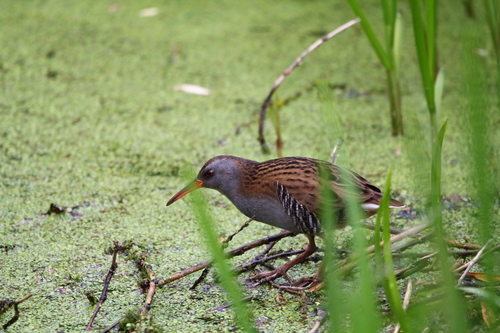
ヨーロッパクイナ (Rallus aquaticus) ヨーロッパクイナ
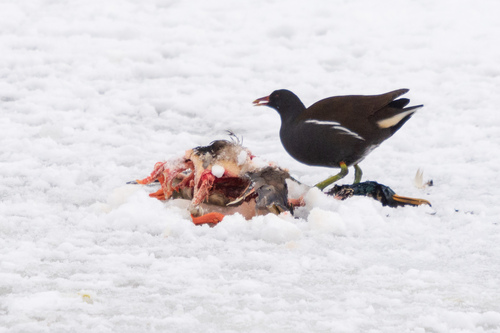
バン (Gallinula chloropus) バン

メディア

読み込み中…

要点

ヨーロッパクイナとバンの最も信頼できる違いは、くちばしと顔です:ヨーロッパクイナは長く、細く、わずかに下向きの赤いくちばしと暗いスレートブルーの顔を持ち、バンは短く、太く、先端が黄色の赤いくちばしとくちばしの上に目立つ赤い前頭盾を持っています。飛行中または水上では、ヨーロッパクイナはスリムで、茶色の上面と強い黒と白の側面の縞模様を持ち、バンはより大きく、暗く、側面に大胆な白い筋と明るい白い尾羽を示します。幼鳥のヨーロッパクイナは混乱を招くことがあります。なぜなら、彼らの尾羽はバフ色で、羽毛はコントラストが少ないですが、バンの顔の盾と黄色い脚が欠けています。両種は似たような湿地生息地に生息していますが、バンはオープンに泳いでいるのがはるかに見られやすく、ヨーロッパクイナは秘密主義で、カバーを離れることはほとんどありません。

識別のコツ

  1. Bill shape and color: ヨーロッパクイナは長く、細く、わずかに下向きの赤いくちばしを持ち、バンのくちばしは短く、太く、先端が黄色の赤いくちばしで、目立つ赤い前頭盾があります。これは、どの年齢でも最も信頼できる特徴です。
  2. Facial pattern: ヨーロッパクイナは暗いスレートブルーの顔と下部を示し(成鳥)、バンの顔は暗い茶色がかった黒で、くちばしの上に明るい赤い盾があります。
  3. Flank markings: 成鳥のヨーロッパクイナは側面に強い黒と白の縞模様があります。バンは側面に大胆な白い筋がありますが、縞模様はありません。
  4. Undertail coverts: 両種とも白い尾羽を持っていますが、ヨーロッパクイナの尾羽は白で、変動する暗い筋があります(特に成鳥のオス)、バンの尾羽は純白です(いくつかの亜種を除いて、バフ色になることがあります)。
  5. Leg color: バンは明るい黄色の脚を持っています(時には緑がかることもあります)。ヨーロッパクイナの脚は肉色がかった茶色で、決して黄色ではありません。
  6. Body shape and posture: ヨーロッパクイナは細く、側面が圧縮されており、背を丸めた、隠れた歩き方で移動します。バンはより大きく、より直立しており、泳いでいるのがよく見られます。
  7. Juvenile confusion: 幼鳥のヨーロッパクイナはバフ色の尾羽と茶色とバフの側面の模様を持ち、成鳥の黒と白の縞模様はありません。幼鳥のバンは赤い盾が欠けており、全体的に茶色がかっていますが、白い尾羽といくつかの白い側面の筋を示します。両者とも、くちばしの色は成鳥よりも鈍いですが、バンだけが黄色のくちばしの先端を示すことがあります。
  8. Swimming behavior: バンはオープンな水域で泳いでいるのが頻繁に見られますが、ヨーロッパクイナはほとんど泳がず、密な植生の中を走ったり歩いたりするのを好みます。
  9. Tail flicking: 両種とも尾を振って尾羽を露出させますが、バンの尾はより目立ち、オープンな環境でよく見られます。
  10. Size impression: バンはヨーロッパクイナよりもはるかに大きく、重いです。一緒に見られる場合、サイズの違いは明らかです。
  11. Habitat context: ヨーロッパクイナはほとんど常に密な葦原や湿地に生息し、オープンな水域や芝生に出ることはほとんどありません。バンは適応力があり、オープンな、さらには都市の湿地でもよく見られます。
  12. Flight views: 両者は飛ぶのを嫌がりますが、もし飛び立つと、ヨーロッパクイナは細く、レールのようなプロファイルを示し、後ろに脚を引きずり、丸い翼を持っています。バンはより大きく、脚をぶら下げて飛び、しばしば短距離しか飛びません。
  13. Voice: カバーからの豚のような鳴き声はヨーロッパクイナのもので、さまざまなガーグリング、クルック、またはシーッという鳴き声はバンのものです。
  14. Sex and season: 両種の性別は似ています。ヨーロッパクイナのオスは尾羽に強い黒い筋があるかもしれません。繁殖後、ヨーロッパクイナは完全な換羽を行い、約3週間飛べなくなりますが、これは野外ではほとんど観察されません。
  15. Pitfalls: 幼鳥のヨーロッパクイナはバンと混同されることがあります。なぜなら、バフ色の尾羽とコントラストの少ない羽毛を持っているからですが、バンの顔の盾、黄色い脚、白い側面の筋が欠けています。常にくちばしの形と色を確認してください。

大きさ

バンはヨーロッパクイナよりもかなり大きく、重いです。バンは平均348gで、長さは30〜38cm、翼幅は50〜62cmです。ヨーロッパクイナは約111.5gとかなり軽く、長さは23〜28cm、翼幅は38〜45cmです。フィールドでは、バンはより大きく、頑丈に見え、ヨーロッパクイナは細く、側面が圧縮されており、密な葦をすり抜けるために適応しています。

羽色

行動

ヨーロッパクイナは秘密主義で、通常は密な葦原に隠れており、オープンに出ることはほとんどありません。背を丸めた、隠れた歩き方で移動し、短い尾を振って白い尾羽を見せることがよくあります。バンははるかに大胆で、オープンな水域で泳いでいるのが頻繁に見られ、浮遊する植物の上を歩いたり、水辺で餌を食べたりします。バンも尾を振り、白い尾羽を見せ、グループや家族のパーティーで見られる可能性が高いです。ヨーロッパクイナは泳いでいるのがほとんど見られず、オープンな水域ではほとんど見られません。

生息環境

両種は、葦原、湿地、池の縁など、よく植生がある湿地に生息しています。しかし、ヨーロッパクイナは密なカバーに厳密に結びついており、オープンな地域で見られる可能性は低いです。バンは都市の池、運河、さらには小さな溝を含む、より広範囲の湿地生息地に適応し、オープンで乱された、人間によって修正された場所で見られる可能性がはるかに高いです。

声

ヨーロッパクイナは特徴的な豚のような鳴き声を出し、通常は深いカバーから聞こえ、視覚的な目撃はほとんどありません。バンはさまざまなガーグリングの鳴き声や大きなシーッという音を持ち、特に警戒したり、領土争いの際に聞かれます。フィールドでは、豚のような鳴き声を聞くことはヨーロッパクイナの強い手がかりであり、さまざまなカッカッという音、クルック、またはシーッという鳴き声はバンを示唆します。

より良い説明を送る

比較と同じ項目を使ってください。文章はすぐに公開されます。

The most reliable difference between Water Rail and Common Moorhen is the bill and face: Water Rail shows a long, slender, slightly down-curved red bill and a dark slate-blue face, while Common Moorhen has a shorter, thicker red bill with a yellow tip and a prominent red frontal shield above the bill. In flight or on water, Water Rail is slimmer, with brown upperparts and strong black-and-white flank barring, while Moorhen is bulkier, darker, and shows bold white streaks along the flanks and a bright white undertail. Juvenile Water Rails can be confusing, as their undertail is buff and their plumage is less contrasting, but they lack the Moorhen’s facial shield and yellow legs. Both species occur in similar wetland habitats, but Moorhen is far more likely to be seen openly swimming, while Water Rail is secretive and rarely leaves cover.

  1. Bill shape and color: Water Rail has a long, slender, slightly down-curved red bill; Moorhen’s bill is shorter, thicker, red with a yellow tip, and topped by a prominent red frontal shield. This is the most reliable mark at any age.
  2. Facial pattern: Water Rail shows a dark slate-blue face and underparts (adult), while Moorhen’s face is darker brownish-black with a bright red shield above the bill.
  3. Flank markings: Adult Water Rail has strong black-and-white barring on the flanks; Moorhen has bold white streaks along the flanks but no barring.
  4. Undertail coverts: Both show white undertail, but Water Rail’s is white with variable dark streaks (especially in adult males), while Moorhen’s is pure white (except in some subspecies, where it may be buffish).
  5. Leg color: Moorhen has bright yellow legs (sometimes tinged green); Water Rail’s legs are flesh-brown and never yellow.
  6. Body shape and posture: Water Rail is slim, laterally compressed, and moves with a hunched, furtive gait; Moorhen is bulkier, more upright, and often seen swimming.
  7. Juvenile confusion: Juvenile Water Rail has a buff undertail and brown-and-buff flank markings, not the black-and-white barring of adults. Juvenile Moorhen lacks the red shield and is browner overall but still shows white undertail and some white flank streaks. In both, bill color is duller than adult, but only Moorhen ever shows a yellow bill tip.
  8. Swimming behavior: Moorhen is frequently seen swimming in open water; Water Rail almost never swims and prefers to run or walk through dense vegetation.
  9. Tail flicking: Both species flick their tails, exposing the undertail, but Moorhen’s is more conspicuous and often seen in open settings.
  10. Size impression: Moorhen is much larger and heavier than Water Rail. If seen together, the size difference is obvious.
  11. Habitat context: Water Rail is almost always in dense reedbeds or marshes, rarely venturing into open water or lawns. Moorhen is adaptable and often found in open, even urban, wetlands.
  12. Flight views: Both are reluctant fliers, but if flushed, Water Rail shows a slim, rail-like profile with trailing legs and rounded wings; Moorhen is bulkier and flies with legs dangling, often for short distances only.
  13. Voice: A pig-like squeal from cover is Water Rail; a variety of gargling, clucking, or hissing calls are Moorhen.
  14. Sex and season: Sexes are similar in both species; Water Rail males may have stronger black streaks on the undertail. After breeding, Water Rail undergoes a full moult and is flightless for about three weeks, but this is rarely observed in the field.
  15. Pitfalls: Juvenile Water Rail can be confused with Moorhen due to buff undertail and less contrasting plumage, but lacks the Moorhen’s facial shield, yellow legs, and white flank streaks. Always check bill shape and color for confirmation.

Common Moorhen is substantially larger and heavier than Water Rail. Moorhen averages 348 g, with a length of 30–38 cm and a wingspan of 50–62 cm. Water Rail is much lighter at about 111.5 g, measuring 23–28 cm in length with a 38–45 cm wingspan. In the field, Moorhen appears bulkier and more robust, while Water Rail is slimmer and more laterally compressed, adapted for slipping through dense reeds.

  • Juveniles and immatures: Juvenile Water Rails have a blackish crown, white chin and throat, buff or white underparts with darker bars, and brown-and-buff (not black-and-white) flank markings. Their undertail is buff, and their bill, eye, and leg colors are duller than adults. Juvenile Moorhens are browner overall, lack the red shield, and have a less contrasting face, but still show the white undertail and some white flank streaks.

  • Adults: Adult Water Rail has olive-brown upperparts with black streaks, dark slate-blue face and underparts, black-and-white barred flanks, a white undertail with some dark streaks, and a long red bill. Moorhen adults are mostly dark brownish-black with a white undertail, bold white streaks on the flanks, yellow legs, and a red bill with a yellow tip and a prominent red frontal shield. Moorhen’s undertail is pure white (except in some subspecies, where it can be buffish), while Water Rail’s undertail is white with variable dark streaks (strongest in adult males).

Water Rail is secretive, typically skulking in dense reed beds and rarely venturing into the open. It moves with a hunched, furtive gait, often flicking its short tail to reveal the white undertail. Moorhen is much bolder, frequently seen swimming in open water, walking on floating vegetation, or feeding at the water’s edge. Moorhen also flicks its tail, showing the white undertail, and is more likely to be seen in groups or family parties. Water Rail is rarely seen swimming and almost never in open water.

Both species inhabit well-vegetated wetlands, including reedbeds, marshes, and pond margins. However, Water Rail is more strictly tied to dense cover and is less likely to be seen in open areas. Moorhen tolerates a wider range of wetland habitats, including urban ponds, canals, and even small ditches, and is much more likely to be seen in open, disturbed, or human-modified sites.

Water Rail gives a distinctive pig-like squeal, often heard from deep cover and rarely accompanied by visual sightings. Moorhen has a wide range of gargling calls and loud hisses, especially when alarmed or during territorial disputes. In the field, hearing a pig-like squeal is a strong clue for Water Rail, while a variety of cackling, clucking, or hissing calls suggest Moorhen.

変更を破棄しますか?

保存していない編集があります。今離れると失われます。

ヨーロッパクイナ · バン · 苦手な鳥