

Porciglione vs Gallinella d'acqua
Rallus aquaticus contro Gallinula chloropus
Fai un quiz con Porciglione e Gallinella d'acqua
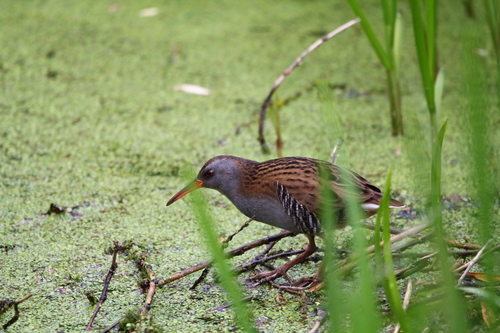 Porciglione
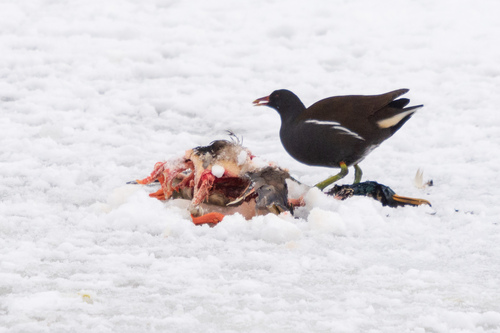 Gallinella d'acqua
In breve
La differenza più affidabile tra Porciglione e Gallinella d'acqua è il becco e il viso: il Porciglione mostra un lungo becco rosso, snodato e leggermente ricurvo, e un viso blu scuro, mentre la Gallinella d'acqua ha un becco rosso più corto e spesso con una punta gialla e un prominente scudo frontale rosso sopra il becco. In volo o sull'acqua, il Porciglione è più snello, con parti superiori marroni e forti strisce nere e bianche ai fianchi, mentre la Gallinella d'acqua è più robusta, più scura e mostra audaci strisce bianche lungo i fianchi e un sottocoda bianco brillante. I giovani Porciglioni possono essere confusi, poiché il loro sottocoda è color sabbia e il loro piumaggio è meno contrastante, ma mancano dello scudo facciale della Gallinella d'acqua e delle gambe gialle. Entrambe le specie si trovano in habitat umidi simili, ma la Gallinella d'acqua è molto più probabile da vedere nuotare apertamente, mentre il Porciglione è riservato e raramente lascia la copertura.
Consigli di identificazione
- Forma e colore del becco: Il Porciglione ha un lungo becco rosso, snodato e leggermente ricurvo; il becco della Gallinella d'acqua è più corto, più spesso, rosso con una punta gialla e sormontato da un prominente scudo frontale rosso. Questo è il segno più affidabile a qualsiasi età.
- Schema facciale: Il Porciglione mostra un viso blu scuro e parti inferiori (adulto), mentre il viso della Gallinella d'acqua è di un marrone scuro-nerastro con uno scudo rosso brillante sopra il becco.
- Marcature ai fianchi: Il Porciglione adulto ha forti strisce nere e bianche ai fianchi; la Gallinella d'acqua ha audaci strisce bianche lungo i fianchi ma nessuna striatura.
- Coperture del sottocoda: Entrambi mostrano un sottocoda bianco, ma quello del Porciglione è bianco con strisce scure variabili (soprattutto nei maschi adulti), mentre quello della Gallinella d'acqua è bianco puro (eccetto in alcune sottospecie, dove può essere color sabbia).
- Colore delle gambe: La Gallinella d'acqua ha gambe gialle brillanti (a volte con una sfumatura verde); le gambe del Porciglione sono color carne-marrone e mai gialle.
- Forma del corpo e postura: Il Porciglione è snello, compresso lateralmente, e si muove con un passo curvo e furtivo; la Gallinella d'acqua è più robusta, più eretta e spesso vista nuotare.
- Confusione giovanile: Il giovane Porciglione ha un sottocoda color sabbia e marcature ai fianchi marroni e color sabbia, non le striature nere e bianche degli adulti. La giovane Gallinella d'acqua manca dello scudo rosso ed è complessivamente più marrone ma mostra ancora il sottocoda bianco e alcune strisce bianche ai fianchi. In entrambi, il colore del becco è più opaco rispetto agli adulti, ma solo la Gallinella d'acqua mostra mai una punta di becco gialla.
- Comportamento di nuoto: La Gallinella d'acqua è frequentemente vista nuotare in acque aperte; il Porciglione quasi mai nuota e preferisce correre o camminare attraverso la vegetazione densa.
- Flicking della coda: Entrambe le specie muovono le loro code, esponendo il sottocoda, ma quello della Gallinella d'acqua è più evidente e spesso visto in ambienti aperti.
- Impressione di dimensione: La Gallinella d'acqua è molto più grande e pesante del Porciglione. Se viste insieme, la differenza di dimensione è ovvia.
- Contesto dell'habitat: Il Porciglione è quasi sempre in densi canneti o paludi, raramente avventurandosi in acque aperte o prati. La Gallinella d'acqua è adattabile e spesso trovata in habitat umidi aperti, anche urbani.
- Viste di volo: Entrambi sono riluttanti a volare, ma se disturbati, il Porciglione mostra un profilo snello, simile a un rail, con gambe penzolanti e ali arrotondate; la Gallinella d'acqua è più robusta e vola con le gambe penzolanti, spesso solo per brevi distanze.
- Voce: Un grido simile a un maiale dalla copertura è il Porciglione; una varietà di richiami gorgoglianti, clucking o hissing sono della Gallinella d'acqua.
- Sesso e stagione: I sessi sono simili in entrambe le specie; i maschi del Porciglione possono avere strisce nere più forti sul sottocoda. Dopo la riproduzione, il Porciglione subisce una muta completa ed è incapace di volare per circa tre settimane, ma questo è raramente osservato sul campo.
- Trappole: Il giovane Porciglione può essere confuso con la Gallinella d'acqua a causa del sottocoda color sabbia e del piumaggio meno contrastante, ma manca dello scudo facciale della Gallinella d'acqua, delle gambe gialle e delle strisce bianche ai fianchi. Controlla sempre la forma e il colore del becco per conferma.
Taglia
La Gallinella d'acqua è sostanzialmente più grande e pesante del Porciglione. La Gallinella d'acqua pesa in media 348 g, con una lunghezza di 30–38 cm e un'apertura alare di 50–62 cm. Il Porciglione è molto più leggero, circa 111,5 g, misurando 23–28 cm di lunghezza con un'apertura alare di 38–45 cm. Sul campo, la Gallinella d'acqua appare più robusta e robusta, mentre il Porciglione è più snello e compresso lateralmente, adattato per scivolare attraverso i canneti densi.
Piumaggio
-
Giovani e immaturi: I giovani Porciglioni hanno una corona nerognola, un mento e una gola bianchi, parti inferiori color sabbia o bianche con barre più scure, e marcature ai fianchi marroni e color sabbia (non nere e bianche). Il loro sottocoda è color sabbia e i colori del becco, degli occhi e delle gambe sono più opachi rispetto agli adulti. I giovani Gallinelle d'acqua sono complessivamente più marroni, mancano dello scudo rosso e hanno un viso meno contrastante, ma mostrano ancora il sottocoda bianco e alcune strisce bianche ai fianchi.
-
Adulti: L'adulto Porciglione ha parti superiori marrone oliva con strisce nere, viso blu scuro e parti inferiori, fianchi barrati in bianco e nero, un sottocoda bianco con alcune strisce scure e un lungo becco rosso. Gli adulti della Gallinella d'acqua sono per lo più di un marrone scuro-nerastro con un sottocoda bianco, audaci strisce bianche sui fianchi, gambe gialle e un becco rosso con una punta gialla e un prominente scudo frontale rosso. Il sottocoda della Gallinella d'acqua è bianco puro (eccetto in alcune sottospecie, dove può essere color sabbia), mentre il sottocoda del Porciglione è bianco con strisce scure variabili (più forti nei maschi adulti).
Comportamento
Il Porciglione è riservato, tipicamente si nasconde in densi canneti e raramente si avventura in spazi aperti. Si muove con un passo curvo e furtivo, spesso muovendo la sua corta coda per rivelare il sottocoda bianco. La Gallinella d'acqua è molto più audace, frequentemente vista nuotare in acque aperte, camminare su vegetazione galleggiante o nutrirsi al bordo dell'acqua. La Gallinella d'acqua muove anche la sua coda, mostrando il sottocoda bianco, ed è più probabile da vedere in gruppi o famiglie. Il Porciglione è raramente visto nuotare e quasi mai in acque aperte.
Habitat
Entrambe le specie abitano habitat umidi ben vegetati, inclusi canneti, paludi e margini di stagni. Tuttavia, il Porciglione è più strettamente legato a coperture dense ed è meno probabile da vedere in aree aperte. La Gallinella d'acqua tollera una gamma più ampia di habitat umidi, inclusi stagni urbani, canali e persino piccoli fossati, ed è molto più probabile da vedere in siti aperti, disturbati o modificati dall'uomo.
Voce
Il Porciglione emette un distintivo grido simile a un maiale, spesso udito da una copertura profonda e raramente accompagnato da avvistamenti visivi. La Gallinella d'acqua ha una vasta gamma di richiami gorgoglianti e forti hiss, specialmente quando allarmata o durante dispute territoriali. Sul campo, sentire un grido simile a un maiale è un forte indizio per il Porciglione, mentre una varietà di richiami cackling, clucking o hissing suggerisce la Gallinella d'acqua.