

Motmot

ヒガシウタイモズモドキ 対 ユカタンモズモドキ

Vireo gilvus 対 Vireo magister

ヒガシウタイモズモドキとユカタンモズモドキのクイズ
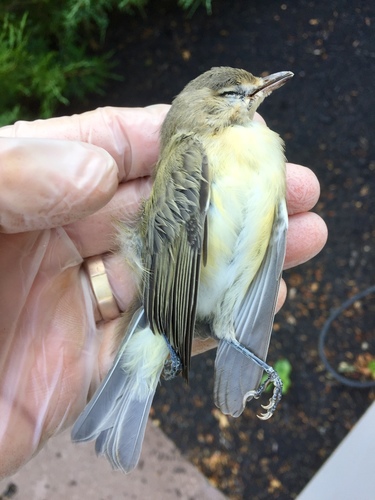
ヒガシウタイモズモドキ (Vireo gilvus) ヒガシウタイモズモドキ
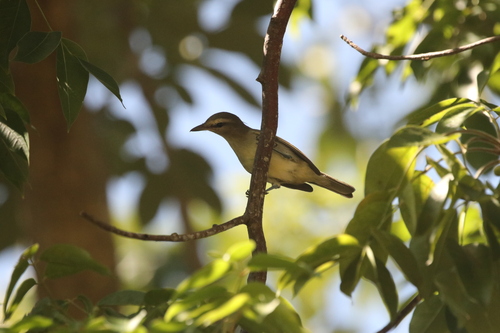
ユカタンモズモドキ (Vireo magister) ユカタンモズモドキ

メディア

読み込み中…

要点

ヒガシウタイモズモドキとユカタンモズモドキを区別する最も信頼できるフィールドマークは、全体的なサイズと構造です:ユカタンモズモドキは明らかに大きくてがっしりしており、より重いくちばしとより頑丈な体つきを持っています。羽色では、ユカタンモズモドキはより暗く、オリーブグレーの上面の色合いと、より広く鈍い眉斑を示しますが、ヒガシウタイモズモドキはより淡く、繊細で、よりクリーンな白い眉斑と明るい顔を持っています。両種は似たようなモズの形と青灰色の脚を持っていますが、頭の模様、サイズ、くちばしの形に注意を払うことで、通常は識別が可能です。未成熟または非繁殖の鳥は特有の飛行マークを示さないため、止まっている姿と構造的な違いに焦点を当ててください。

識別のコツ

  1. Size and Structure: ユカタンモズモドキは大きくてがっしりしており、明らかに重いくちばしと太い首を持っています。ヒガシウタイモズモドキは全体的に小さく、スリムで、より繊細です。これはしばしば最初で最良の手がかりであり、特にどちらかの種に経験がある場合はそうです。
  2. Bill Shape and Color: ユカタンモズモドキのくちばしはより太く、暗く、下顎の基部は淡い灰色です。ヒガシウタイモズモドキのくちばしはスリムで、より均一な色合いです。このマークは良い光と近い視点で最もよく見えます。
  3. Supercilium (Eyebrow): ヒガシウタイモズモドキは淡い顔に対して際立つクリーンで鮮明な白い眉斑を持っています。ユカタンモズモドキの眉斑はより広く、鈍く(淡い茶色がかった白)、あまりはっきりと定義されておらず、より暗い顔と混ざり合っています。
  4. Face Pattern: ユカタンモズモドキは目の後ろに延びる茶色がかった灰色の顔を示し、顔にマスクのような暗い外観を与えます。ヒガシウタイモズモドキの顔はより淡く、全体的に明るく、より開放的です。
  5. Crown and Upperparts: ヒガシウタイモズモドキは上面がオリーブグレーで、特に東部では冠がより淡いです。ユカタンモズモドキは上面がより暗い灰色がかった茶色で、背中により強いオリーブ色の色合いと、特にいくつかの亜種ではより対照的な冠を持っています。
  6. Underparts: ヒガシウタイモズモドキは下部がクリーンな白で、時々脇腹に淡い洗いがかかっています。ユカタンモズモドキは喉と胸の中心が淡い白で、脇腹と側面が灰色がかったオリーブ色で洗われており、下部がより鈍く、鮮明でないように見えます。
  7. Leg Color: 両者とも青灰色の脚を持っていますが、ユカタンモズモドキの脚は特にケイマン亜種ではより青みがかっているか、スレート色になることがあります。これは微妙なマークで、常に見えるわけではありません。
  8. Tail and Wing Pattern: どちらの種にも特有の年齢に特化した飛行マークは記載されていません;両者とも暗い翼を持ち、淡いエッジがありますが、ユカタンモズモドキの翼は黒っぽい灰色でオリーブ色のエッジがあり、ヒガシウタイモズモドキはより単調です。
  9. Sex and Age: 両種は両性およびすべての年齢で似た羽色を持ち、強い年齢特有のマークは記載されていません。すべての年齢に対して構造的および顔の違いに焦点を当ててください。
  10. Habitat and Range: ヒガシウタイモズモドキは北アメリカ全体に広く分布しており、特に温帯および山地の森林に生息しています。ユカタンモズモドキはユカタン半島、ベリーズ、ホンジュラス、グランドケイマンに限定されています。ユカタン地域の外にいる場合、ヒガシウタイモズモドキの方がはるかに可能性が高いです。
  11. Behavior: ヒガシウタイモズモドキはより活発で敏捷であり、しばしば高い場所でより開けた森林で餌を探します。ユカタンモズモドキはより慎重で、より密な熱帯の生息地に見られることがあります。
  12. Voice: ヒガシウタイモズモドキは特徴的で陽気なさえずりを持っています;ユカタンモズモドキの歌はここでは記載されていないため、録音がない限り声に頼って区別しないでください。
  13. Pitfalls: Western ヒガシウタイモズモドキは上面がより暗く見えることがありますが、ユカタンモズモドキほどがっしりしていたり、マスクのような顔を持っていることはありません。照明や摩耗に注意してください。これによりヒガシウタイモズモドキがより鈍く見えることがありますが、全体的な構造と顔の模様は依然として異なります。
  14. Subspecies Variation: 一部のユカタンモズモドキの亜種(例:stilesi、caymanensis)はより明るいオリーブ色や淡い下部を示すことがありますが、すべてがヒガシウタイモズモドキよりもがっしりしていて、顔が暗いままです。
  15. Vagrancy: 通常の範囲外のユカタンモズモドキ(例:テキサス)は、上記のすべてのマークを注意深く調べる必要があります。これは非常にまれな存在です。

大きさ

ユカタンモズモドキはヒガシウタイモズモドキよりも明らかに大きくて重いです。ユカタンモズモドキは約15 cmの長さで、重さは13.5〜25 g(平均約15.4 g)ですが、ヒガシウタイモズモドキは12〜13 cmで10〜16 gと小さいです。この違いはフィールドで明らかです:ユカタンモズモドキはがっしりしており、より太いくちばしとより頑丈な全体的な体つきを持っていますが、ヒガシウタイモズモドキはよりスリムで繊細です。この違いは、並べて見たり、経験がある場合に最も明らかですが、単独の止まっている鳥でも、相対的にがっしりしたプロポーション(Yucatan)とスリムで優雅な(Warbling)で判断できることがよくあります。

羽色

どちらの種にも年齢特有の上翼や飛行マークは記載されていないため、止まっている鳥に焦点を当ててください。成鳥のヒガシウタイモズモドキは上面がオリーブグレーで、下部が淡い白、クリーンな白い眉斑、明るい顔を持っています。冠はより淡く、特に東部の個体群では対照が少ないです;西部の鳥はやや暗い灰色の冠を持つことがありますが、ユカタンモズモドキよりは依然として淡いです。ユカタンモズモドキの成鳥は、オリーブ色の色合いを持つより暗い灰色がかった茶色の冠と上面、より広く鈍い淡い茶色がかった白の眉斑、目の後ろに延びる茶色がかった灰色の顔を持ち、顔により暗い、マスクのような外観を与えます。下部は中央が淡い白で、灰色がかったオリーブ色の脇腹を持っています。ユカタンモズモドキのくちばしはより太く、暗く、下顎の基部は淡い色ですが、ヒガシウタイモズモドキのくちばしはややスリムで、色がより均一です。ユカタンモズモドキの亜種はさらにオリーブ色や灰色のトーンを示すことがありますが、すべてがヒガシウタイモズモドキよりも暗く、よりがっしりとした外観を持っています。両者とも青灰色の脚を持っていますが、Yucatanの脚は亜種によってはより青みがかっているか、スレート色になることがあります。

行動

両種は木や低木で餌を探し、枝に沿って慎重に移動し、時には昆虫のためにホバリングします。ヒガシウタイモズモドキは開けた、十分に間隔を空けた落葉樹の中で見られる可能性が高く、しばしば小川の沿いに生息し、より敏捷で軽やかに動く傾向があります。ユカタンモズモドキはがっしりしているため、より慎重で敏捷性が低いように見えることがあります。両者は枝から吊るされた深いカップ型の巣を作りますが、これはフィールドマークとしてはあまり見られません。ヒガシウタイモズモドキは人間が改変した生息地でより近づきやすいかもしれませんが、ユカタンモズモドキはそのような場所を避ける傾向があります。

生息環境

ヒガシウタイモズモドキはアラスカからメキシコまでの広範囲にわたる開けた落葉樹や混合林で繁殖し、水辺に沿った広く間隔を空けた木(コットンウッド、アスペン)を好みます。ユカタンモズモドキはユカタン半島、ベリーズ、ホンジュラス、グランドケイマンに限定されており、テキサスでの単一の迷い記録があります;ヒガシウタイモズモドキのコア範囲には見られません。ユカタンモズモドキは亜熱帯および熱帯の森林、マングローブ、沿岸の低木を好み、ヒガシウタイモズモドキが好むより温帯または山地の森林では通常見られません。したがって、地理と生息地は強力な手がかりとなる可能性がありますが、迷いは可能です。

声

ヒガシウタイモズモドキは、ペインテッドバンティングやパープルフィンチを思わせる陽気でさえずる歌を持ち、東部と西部の個体群の間に微妙な違いがあります。ユカタンモズモドキの声の記述は提供されていないため、この文脈で声に頼ることは信頼できる区別ではありません。

より良い説明を送る

比較と同じ項目を使ってください。文章はすぐに公開されます。

The most reliable field mark to separate Warbling Vireo from Yucatan Vireo is overall size and structure: Yucatan Vireo is distinctly larger and bulkier, with a heavier bill and more robust jizz. In plumage, Yucatan Vireo shows a darker, more olive-gray upperpart tone and a broader, duller supercilium, while Warbling Vireo is paler and more delicate, with a cleaner white supercilium and lighter face. Both species have a similar vireo shape and blue-gray legs, but careful attention to head pattern, size, and bill shape will usually clinch the ID. Immature or non-breeding birds do not show distinctive flight marks, so focus on perched views and structural differences.

  1. Size and Structure: Yucatan Vireo is larger and bulkier, with a noticeably heavier bill and thicker neck. Warbling Vireo is smaller, slimmer, and more delicate overall. This is often the first and best clue, especially if you have experience with either species.
  2. Bill Shape and Color: Yucatan Vireo's bill is stouter and darker, with a paler gray base to the mandible; Warbling Vireo's bill is slimmer and more uniformly colored. This mark is best seen in good light and close views.
  3. Supercilium (Eyebrow): Warbling Vireo has a clean, crisp white supercilium that stands out against a pale face. Yucatan Vireo's supercilium is broader, duller (pale brownish-white), and less sharply defined, blending into duskier lores and a darker face.
  4. Face Pattern: Yucatan Vireo shows brownish-gray lores that extend behind the eye, giving a masked or dusky appearance to the face. Warbling Vireo's lores are paler, and the face is overall lighter and more open.
  5. Crown and Upperparts: Warbling Vireo is olive-gray above, with a paler crown (especially in the east). Yucatan Vireo is darker gray-brown above, with a stronger olive tinge on the back and a more contrasting crown, especially in some subspecies.
  6. Underparts: Warbling Vireo is clean white below, sometimes with a faint wash on the flanks. Yucatan Vireo has buffy white on the throat and breast center, with grayish and olive-washed flanks and sides, making the underparts appear dingier and less crisp.
  7. Leg Color: Both have blue-gray legs, but Yucatan Vireo's can be more bluish or slaty, especially in the Cayman subspecies. This is a subtle mark and not always visible.
  8. Tail and Wing Pattern: No distinctive age-specific flight marks are described for either species; both have darkish wings with paler edges, but Yucatan Vireo's are blackish gray with olive edges, while Warbling Vireo is plainer.
  9. Sex and Age: Both species have similar plumage in both sexes and all ages; no strong age-specific marks are noted. Focus on structural and facial differences for all ages.
  10. Habitat and Range: Warbling Vireo is widespread in North America, especially in temperate and montane forests. Yucatan Vireo is restricted to the Yucatan Peninsula, Belize, Honduras, and Grand Cayman. If you are outside the Yucatan region, Warbling Vireo is vastly more likely.
  11. Behavior: Warbling Vireo is more active and agile, often foraging higher and in more open woodland. Yucatan Vireo is more deliberate and may be found in denser, more tropical habitats.
  12. Voice: Warbling Vireo has a distinctive, cheerful warble; Yucatan Vireo's song is not described here, so do not rely on voice for separation unless you have a known recording.
  13. Pitfalls: Western Warbling Vireos can appear darker above, but never as bulky or as masked-faced as Yucatan Vireo. Beware of lighting and wear, which can make Warbling Vireo look dingier, but the overall structure and face pattern will still differ.
  14. Subspecies Variation: Some Yucatan Vireo subspecies (e.g., stilesi, caymanensis) may show brighter olive or paler underparts, but all remain bulkier and duskier-faced than any Warbling Vireo.
  15. Vagrancy: A Yucatan Vireo outside its normal range (e.g., Texas) should be scrutinized carefully for all the above marks, as it is a major rarity.

Yucatan Vireo is noticeably larger and heavier than Warbling Vireo. Yucatan Vireo measures about 15 cm in length and weighs between 13.5–25 g (mean ~15.4 g), while Warbling Vireo is smaller at 12–13 cm and 10–16 g. This difference is apparent in the field: Yucatan Vireo appears bulkier, with a stouter bill and a more robust overall build, while Warbling Vireo is more slender and delicate. The difference is most obvious when seen side-by-side or with experience, but even a single perched bird can often be judged by its relatively chunky proportions (Yucatan) versus slim and dainty (Warbling).

No age-specific upperwing or flight marks are described for either species, so focus on perched birds. Adult Warbling Vireo is olive-gray above with a pale white underpart, a clean white supercilium, and a light face. Its crown is paler and less contrasting, especially in eastern populations; western birds may have a slightly darker gray crown but are still paler than Yucatan Vireo. Yucatan Vireo adults have a darker gray-brown crown and upperparts with an olive tinge, a broader and duller pale brownish-white supercilium, and brownish-gray lores that extend behind the eye, giving the face a duskier, more masked look. The underparts are buffy white centrally, with grayish and olive-washed flanks. The bill of Yucatan Vireo is stouter and darker, with a paler base to the mandible, while Warbling Vireo's bill is slightly slimmer and more uniform in color. Subspecies of Yucatan Vireo can show even more olive or gray tones, but all are darker and more robust-looking than Warbling Vireo. Both have blue-gray legs, but Yucatan's may be more bluish or slaty depending on subspecies.

Both species forage in trees and shrubs, moving methodically along branches and sometimes hovering for insects. Warbling Vireo is more likely to be seen in open, well-spaced deciduous trees, often along streams, and tends to move more nimbly and lightly. Yucatan Vireo, being bulkier, may appear more deliberate and less agile. Both construct deep cup nests suspended from branches, but this is rarely a field mark. Warbling Vireo may be more approachable in human-modified habitats, while Yucatan Vireo tends to avoid such areas.

Warbling Vireo breeds in open deciduous and mixed woods across a vast range from Alaska to Mexico, favoring widely spaced trees (cottonwood, aspen) along waterways. Yucatan Vireo is restricted to the Yucatan Peninsula, Belize, Honduras, and Grand Cayman, with a single vagrant record in Texas; it is not found in the core range of Warbling Vireo. Yucatan Vireo prefers subtropical and tropical woodland, mangroves, and coastal scrub, and is not typically found in the more temperate or montane forests favored by Warbling Vireo. Thus, geography and habitat can be strong clues, but vagrancy is possible.

Warbling Vireo has a cheerful, warbling song reminiscent of Painted Bunting or Purple Finch, with subtle differences between eastern and western populations. No vocal description is provided for Yucatan Vireo, so voice is not a reliable separator in this context.

変更を破棄しますか?

保存していない編集があります。今離れると失われます。

ヒガシウタイモズモドキ · ユカタンモズモドキ · 苦手な鳥