

Warbling Vireo vs Yucatan Vireo
Vireo gilvus contro Vireo magister
Fai un quiz con Warbling Vireo e Yucatan Vireo
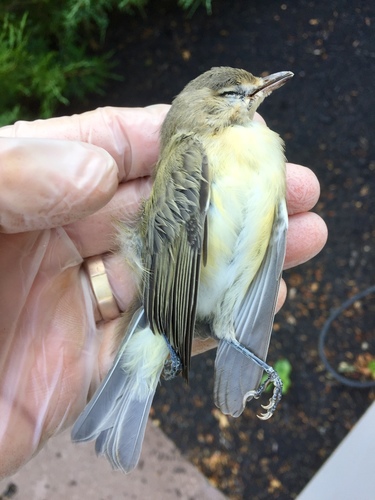 Warbling Vireo
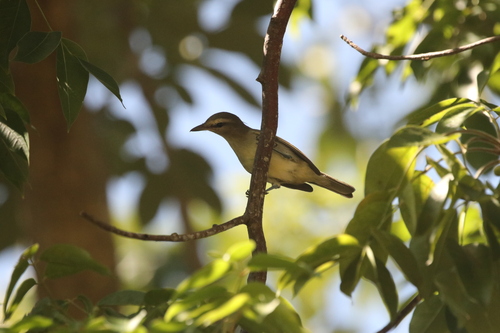 Yucatan Vireo
In breve
Il segno di campo più affidabile per separare il Warbling Vireo dal Yucatan Vireo è la dimensione e la struttura complessive: il Yucatan Vireo è nettamente più grande e massiccio, con un becco più pesante e un aspetto più robusto. Nel piumaggio, il Yucatan Vireo mostra un tono superiore più scuro e grigio-oliva e un supercilium più ampio e opaco, mentre il Warbling Vireo è più chiaro e più delicato, con un supercilium bianco più pulito e un volto più chiaro. Entrambe le specie hanno una forma simile di vireo e gambe blu-grigie, ma un'attenta attenzione al modello della testa, alla dimensione e alla forma del becco di solito confermerà l'identificazione. Gli uccelli immaturi o non in riproduzione non mostrano segni distintivi di volo, quindi concentrati sulle viste in percheggio e sulle differenze strutturali.
Consigli di identificazione
- Dimensione e Struttura: Il Yucatan Vireo è più grande e massiccio, con un becco visibilmente più pesante e un collo più spesso. Il Warbling Vireo è più piccolo, più snello e più delicato nel complesso. Questo è spesso il primo e migliore indizio, specialmente se hai esperienza con una delle due specie.
- Forma e Colore del Becco: Il becco del Yucatan Vireo è più robusto e scuro, con una base grigia più chiara per la mandibola; il becco del Warbling Vireo è più snello e di colore più uniforme. Questo segno è meglio visibile in buona luce e da vicino.
- Supercilium (Sopracciglio): Il Warbling Vireo ha un supercilium bianco pulito e nitido che spicca contro un volto chiaro. Il supercilium del Yucatan Vireo è più ampio, più opaco (bianco-grigiastro chiaro) e meno nettamente definito, fondendosi in lore più scure e un volto più scuro.
- Modello del Volto: Il Yucatan Vireo mostra lore grigio-brunastro che si estendono dietro l'occhio, dando un aspetto mascherato o scuro al volto. Le lore del Warbling Vireo sono più chiare, e il volto è nel complesso più chiaro e più aperto.
- Corona e Parti Superiori: Il Warbling Vireo è grigio-oliva sopra, con una corona più chiara (soprattutto a est). Il Yucatan Vireo è più scuro grigio-bruno sopra, con una tonalità olivastro più forte sulla schiena e una corona più contrastante, specialmente in alcune sottospecie.
- Parti Inferiori: Il Warbling Vireo è bianco pulito sotto, a volte con una leggera sfumatura sui fianchi. Il Yucatan Vireo ha bianco buffo sulla gola e al centro del petto, con fianchi e lati grigiastri e lavati di oliva, rendendo le parti inferiori più sporche e meno nitide.
- Colore delle Gambe: Entrambi hanno gambe blu-grigie, ma quelle del Yucatan Vireo possono essere più bluastre o grigio-ardesia, specialmente nella sottospecie delle Cayman. Questo è un segno sottile e non sempre visibile.
- Modello della Coda e delle Ali: Non sono descritti segni distintivi di volo specifici per età per nessuna delle due specie; entrambe hanno ali scure con bordi più chiari, ma quelle del Yucatan Vireo sono grigio-nerastre con bordi olivastri, mentre il Warbling Vireo è più semplice.
- Sesso e Età: Entrambe le specie hanno piumaggio simile in entrambi i sessi e in tutte le età; non sono notati segni forti specifici per età. Concentrati sulle differenze strutturali e facciali per tutte le età.
- Habitat e Distribuzione: Il Warbling Vireo è diffuso in Nord America, specialmente nelle foreste temperate e montane. Il Yucatan Vireo è ristretto alla Penisola dello Yucatan, Belize, Honduras e Grand Cayman. Se ti trovi al di fuori della regione dello Yucatan, è molto più probabile che tu incontri un Warbling Vireo.
- Comportamento: Il Warbling Vireo è più attivo e agile, spesso cercando cibo più in alto e in boschi più aperti. Il Yucatan Vireo è più deliberato e può essere trovato in habitat più densi e tropicali.
- Voce: Il Warbling Vireo ha un canto distintivo e allegro; il canto del Yucatan Vireo non è descritto qui, quindi non fare affidamento sulla voce per la separazione a meno che tu non abbia una registrazione nota.
- Trappole: I Western Warbling Vireo possono apparire più scuri sopra, ma mai così massicci o con un volto mascherato come il Yucatan Vireo. Fai attenzione all'illuminazione e all'usura, che possono far sembrare il Warbling Vireo più sporco, ma la struttura complessiva e il modello del volto differiranno comunque.
- Variazione delle Sottospecie: Alcune sottospecie di Yucatan Vireo (ad es., stilesi, caymanensis) possono mostrare toni olivastri più brillanti o parti inferiori più chiare, ma tutte rimangono più massicce e con un volto più scuro rispetto a qualsiasi Warbling Vireo.
- Vagabondaggio: Un Yucatan Vireo al di fuori della sua gamma normale (ad es., Texas) dovrebbe essere esaminato attentamente per tutti i segni sopra menzionati, poiché è una rarità importante.
Taglia
Il Yucatan Vireo è nettamente più grande e pesante del Warbling Vireo. Il Yucatan Vireo misura circa 15 cm di lunghezza e pesa tra 13,5 e 25 g (media ~15,4 g), mentre il Warbling Vireo è più piccolo, con una lunghezza di 12-13 cm e un peso di 10-16 g. Questa differenza è evidente sul campo: il Yucatan Vireo appare più massiccio, con un becco più robusto e una costruzione complessiva più robusta, mentre il Warbling Vireo è più snello e delicato. La differenza è più ovvia quando visti fianco a fianco o con esperienza, ma anche un singolo uccello in percheggio può spesso essere giudicato dalle sue proporzioni relativamente robuste (Yucatan) rispetto a quelle snelle e delicate (Warbling).
Piumaggio
Non sono descritti segni di volo o di ala specifici per età per nessuna delle due specie, quindi concentrati sugli uccelli in percheggio. Il Warbling Vireo adulto è grigio-oliva sopra con una parte inferiore bianca pallida, un supercilium bianco pulito e un volto chiaro. La sua corona è più chiara e meno contrastante, soprattutto nelle popolazioni orientali; gli uccelli occidentali possono avere una corona grigia leggermente più scura ma sono comunque più chiari del Yucatan Vireo. Gli adulti del Yucatan Vireo hanno una corona e parti superiori grigio-bruno più scure con una tonalità olivastra, un supercilium più ampio e opaco di un bianco-grigiastro chiaro, e lore grigio-brunastre che si estendono dietro l'occhio, dando al volto un aspetto più scuro e mascherato. Le parti inferiori sono bianche buffe centralmente, con fianchi grigiastri e lavati di oliva. Il becco del Yucatan Vireo è più robusto e scuro, con una base più chiara per la mandibola, mentre il becco del Warbling Vireo è leggermente più snello e più uniforme nel colore. Le sottospecie di Yucatan Vireo possono mostrare toni ancora più olivastri o grigi, ma tutte sono più scure e dall'aspetto più robusto rispetto al Warbling Vireo. Entrambi hanno gambe blu-grigie, ma quelle del Yucatan possono essere più bluastre o grigio-ardesia a seconda della sottospecie.
Comportamento
Entrambe le specie cercano cibo negli alberi e nei cespugli, muovendosi metodicamente lungo i rami e a volte sospendendosi per gli insetti. Il Warbling Vireo è più probabile da vedere in alberi decidui aperti e ben distanziati, spesso lungo i corsi d'acqua, e tende a muoversi in modo più agile e leggero. Il Yucatan Vireo, essendo più massiccio, può apparire più deliberato e meno agile. Entrambi costruiscono nidi a coppa profondi sospesi dai rami, ma questo è raramente un segno di campo. Il Warbling Vireo può essere più avvicinabile in habitat modificati dall'uomo, mentre il Yucatan Vireo tende ad evitare tali aree.
Habitat
Il Warbling Vireo nidifica in boschi decidui aperti e misti su un vasto territorio che va dall'Alaska al Messico, preferendo alberi ampiamente distanziati (cotone, pioppo) lungo i corsi d'acqua. Il Yucatan Vireo è ristretto alla Penisola dello Yucatan, Belize, Honduras e Grand Cayman, con un singolo record di vagabondaggio in Texas; non si trova nell'area centrale del Warbling Vireo. Il Yucatan Vireo preferisce boschi subtropicali e tropicali, mangrovie e cespugli costieri, e non è tipicamente trovato nelle foreste più temperate o montane preferite dal Warbling Vireo. Pertanto, la geografia e l'habitat possono essere indizi forti, ma il vagabondaggio è possibile.
Voce
Il Warbling Vireo ha un canto allegro e gorgheggiante che ricorda il Painted Bunting o il Purple Finch, con sottili differenze tra le popolazioni orientali e occidentali. Non è fornita alcuna descrizione vocale per il Yucatan Vireo, quindi la voce non è un separatore affidabile in questo contesto.