

Motmot

メリケンキアシシギ 対 エリグロアジサシ

Tringa incana 対 Sterna sumatrana

メリケンキアシシギとエリグロアジサシのクイズ
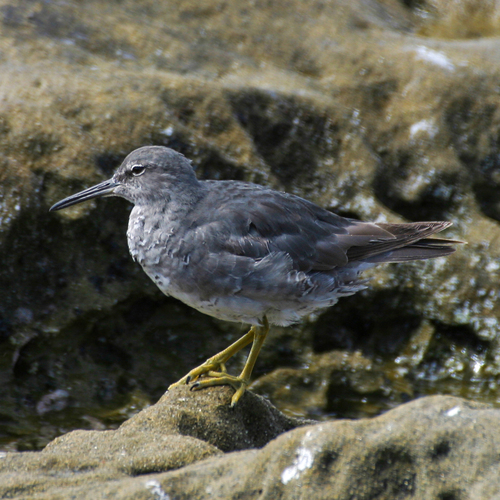
メリケンキアシシギ (Tringa incana) メリケンキアシシギ

エリグロアジサシ (Sterna sumatrana) エリグロアジサシ

メディア

読み込み中…

要点

メリケンキアシシとエリグロアジサシを区別する最も信頼できる方法は、全体の構造と翼のパターンによるものです。メリケンキアシシは、無地の翼と繁殖羽衣の鱗状の下部パターンを持つ、ずんぐりした灰色の海岸鳥であり、エリグロアジサシは、目を引く黒い後頭部の帯と深く分かれた尾を持つ、細長い白い海鳥です。飛行中、アジサシの長く尖った翼と尾の流れは特徴的ですが、キアシシは広く無地の灰色の翼と短く四角い尾を示します。止まっている鳥を見た場合、キアシシの黄色い脚と灰色の上面に対して、アジサシの全体が白い羽衣と黒い脚とくちばしを持っていることに注意してください。生息地も強い手がかりです:キアシシは岩の多い海岸や河岸に見られ、エリグロアジサシは厳密に海洋性で、内陸で見られることはほとんどありません。

識別のコツ

  1. Wing and tail shape in flight: エリグロアジサシは長く尖った翼と、止まっているときに翼の先端を超えて伸びる深く分かれた尾を持っています。メリケンキアシシは短く広い翼と四角い尾を持っています。これは、飛行中または横から見たときに最も明らかです。
  2. Plumage color: キアシシは上面が灰色で、下面が白(繁殖期の成鳥には鱗状の縞模様があります)。エリグロアジサシは淡い銀色の翼と黒い後頭部の帯を持つ純白です。
  3. Head pattern: エリグロアジサシは目から後頭部にかけての特徴的な黒い線を持ち、「キャップ」効果を形成します。メリケンキアシシは目立つ眉斑(スーペリシリウム)を持っていますが、黒い後頭部の帯はありません。
  4. Bill and leg color: キアシシは暗い灰色のくちばしと短い暗い黄色の脚を持っています。エリグロアジサシは黒いくちばしと黒い脚を持っています。脚の色は止まっている鳥で最もよく見えます。
  5. Underpart pattern: 繁殖期には、メリケンキアシシは胸と腹に重い縞模様または鱗状のパターンを示します。エリグロアジサシは常に清潔な白です。
  6. Upperwing pattern: 両種は比較的無地の翼を持っていますが、アジサシの翼は淡く銀色で、最も外側の一次羽には狭い黒い縁があります。キアシシの翼は無地の灰色で、黒い縁はありません。
  7. Tail projection: 止まっている鳥では、アジサシの尾の流れは翼の先端を超えて伸びます。キアシシの尾は短く、翼を超えて伸びません。
  8. Body shape: キアシシはコンパクトでずんぐりしています。アジサシは細長く、特に飛行中はそうです。
  9. Habitat context: 鳥が岩の多い海岸、河岸、または干潟にいる場合は、キアシシを疑ってください。沖の岩、島、または開けた海の上にいる場合は、エリグロアジサシを疑ってください。
  10. Behavior: キアシシは海岸に沿って歩いたり、上下に動いたりします。アジサシは水の上を飛んだり、ホバリングしたり、急降下して魚を捕まえたりするのがよく見られます。
  11. Juvenile confusion: 幼鳥のエリグロアジサシはまだらの茶色で、キアシシの羽衣とは異なります。若いキアシシは鈍い灰色ですが、決して茶色でまだらではありません。
  12. Vocalization: 速いトリルはメリケンキアシシを示します。鋭く、きしむような鳴き声はアジサシに典型的です。
  13. Size in context: 一緒に見られる場合、アジサシは長くて細く見え、翼幅が大きくなりますが、両者は質量が似ています。
  14. Season: メリケンキアシシの下部の縞模様は繁殖期の成鳥にのみ存在します。非繁殖期には、両種ともにより無地になりますので、構造と生息地にもっと依存してください。
  15. Supercilium vs. nape band: キアシシの眉は、アジサシの黒い後頭部の帯ほどはっきりしておらず、暗くありません。この頭部のパターンのコントラストを探してください。

大きさ

両種は質量が似ています(メリケンキアシシ:108.5g、エリグロアジサシ:106g [wikidata])が、アジサシはわずかに長いです(30–35 cm対キアシシの26–30 cm)し、翼幅も顕著に長いです(66 cm対50–55 cm)。フィールドでは、エリグロアジサシはより細長く、スリムに見え、止まっているときには翼の先端を超えて伸びる尾を持っています。メリケンキアシシはよりコンパクトでずんぐりしており、体に対して短い翼と尾を持っています。

羽色

行動

メリケンキアシシは通常、岩の多い海岸、河岸、または干潟を歩いたり、上下に動いたりしているのが見られ、しばしば単独または小さな群れで行動します。無脊椎動物をついばんで餌を取り、警戒心が強く、急速で直接的な飛行で逃げることがあります。エリグロアジサシはほとんど常に開けた海の上を優雅に飛んでいるか、沖の岩や島に止まっているのが見られ、繁殖のためにしか陸に降りることはほとんどありません。その飛行は浮遊感があり、長く尖った翼と深く分かれた尾を持ち、魚を捕まえるために急降下したり、水の上で一時的にホバリングしたりするのがよく見られます。

生息環境

生息地は大きな区別要因です:メリケンキアシシは岩の多い海岸、河岸、時には干潟に生息し、ほぼ常に海岸線や淡水に近いです。エリグロアジサシは厳密に海洋性で、沖の島や岩で繁殖し、休息し、内陸で見られることはほとんどありません。もし内陸や川で鳥を見た場合、それはほぼ確実にエリグロアジサシではありません。

声

メリケンキアシシは加速するスタッカート音の速いトリルを出し、しばしば逃げるときに聞かれます。エリグロアジサシの声は提供されたノートには記述されていませんが、アジサシは通常、高音で鋭い鳴き声を持ち、キアシシのトリルとはかなり異なります。トリルを聞いた場合はキアシシを疑い、鋭くきしむような鳴き声を聞いた場合はアジサシを考慮してください。

より良い説明を送る

比較と同じ項目を使ってください。文章はすぐに公開されます。

The most reliable way to separate Wandering Tattler from Black-naped Tern is by overall structure and wing pattern: Wandering Tattler is a stocky, grayish shorebird with unpatterned wings and a scaly-barred underpart pattern in breeding plumage, while Black-naped Tern is a slim, white seabird with a striking black nape band and a deeply forked tail. In flight, the tern’s long, pointed wings and tail streamers are distinctive, whereas the tattler shows broad, unmarked gray wings and a shorter, square-tipped tail. If you see a bird perched, note the tattler’s yellow legs and gray upperparts versus the tern’s all-white plumage with black legs and bill. Habitat is also a strong clue: tattlers are found on rocky shores and riverbanks, while Black-naped Terns are strictly oceanic, rarely seen inland.

  1. Wing and tail shape in flight: Black-naped Tern has long, pointed wings and a deeply forked tail that extends beyond the wingtips when perched; Wandering Tattler has shorter, broader wings and a square-tipped tail. This is most obvious in flight or side-on perched views.
  2. Plumage color: Tattler is gray above and white below (with scaly barring in breeding adults); Black-naped Tern is pure white with pale silvery wings and a black nape band.
  3. Head pattern: Black-naped Tern has a distinctive black line from the eye across the nape, forming a 'cap' effect; Wandering Tattler has a prominent supercilium (eyebrow) but lacks any black nape band.
  4. Bill and leg color: Tattler has a dark gray bill and short, dark yellow legs; Black-naped Tern has a black bill and black legs. Leg color is best seen on perched birds.
  5. Underpart pattern: In breeding season, Wandering Tattler shows heavy barring or scaly pattern on the breast and belly; Black-naped Tern is always clean white below.
  6. Upperwing pattern: Both species have relatively plain wings, but the tern’s wings are paler and silvery, with a narrow black edge on the outermost primary; tattler’s wings are plain gray with no black edge.
  7. Tail projection: On perched birds, the tern’s tail streamers extend well past the wingtips; the tattler’s tail is shorter and does not project beyond the wings.
  8. Body shape: Tattler is compact and stocky; tern is slim and elongated, especially in flight.
  9. Habitat context: If the bird is on a rocky shore, riverbank, or mudflat, suspect tattler. If it’s on an offshore rock, island, or over open ocean, suspect Black-naped Tern.
  10. Behavior: Tattler walks or bobs along shorelines; tern is often seen flying, hovering, or plunge-diving over water.
  11. Juvenile confusion: Juvenile Black-naped Tern is mottled brown, unlike any tattler plumage. Young tattlers are duller gray but never brown and mottled.
  12. Vocalization: A rapid trill points to Wandering Tattler; sharp, squeaky calls are more typical of terns.
  13. Size in context: If seen together, the tern will appear longer and more slender, with a larger wingspan, but both are similar in mass.
  14. Season: Wandering Tattler’s underpart barring is only present in breeding adults; in non-breeding, both species become plainer, so rely more on structure and habitat.
  15. Supercilium vs. nape band: Tattler’s eyebrow is never as bold or as dark as the tern’s black nape band—look for this contrast in head pattern.

Both species are similar in mass (Wandering Tattler: 108.5g, Black-naped Tern: 106g [wikidata]), but the tern is slightly longer (30–35 cm vs. tattler’s 26–30 cm) and has a noticeably longer wingspan (66 cm vs. 50–55 cm). In the field, Black-naped Tern appears more elongated and slender, with longer wings and a tail that extends well beyond the wingtips when perched. Wandering Tattler is more compact and stocky, with shorter wings and tail relative to its body.

  • Juvenile/immature birds: No detailed age-specific upperwing pattern is described for either species, but both lack the bold wing markings typical of many shorebirds and terns. Juvenile Black-naped Terns are mottled brown, while young tattlers resemble adults but may be duller.

  • Adults, breeding plumage: Wandering Tattler shows a scaly, barred pattern extending from the breast onto the belly, with plain gray upperparts and wings. Black-naped Tern is pure white overall except for pale silvery-gray wings and mantle, and a sharp black line from the eye across the nape. The tern’s wings are paler, and the outermost primary has a narrow black edge, but otherwise the wings are clean and silvery. Tattler’s wings are unpatterned gray, lacking any black edge or contrast.

  • Adults, non-breeding: Both species become plainer, but the tattler retains gray upperparts and loses much of the underpart barring, while the tern remains white with the black nape band.

Wandering Tattler is typically seen walking or bobbing along rocky shores, riverbanks, or mudflats, often alone or in small groups. It feeds by picking at invertebrates and may be wary, flushing with a rapid, direct flight. Black-naped Tern is almost always seen flying gracefully over open ocean or perched on offshore rocks and islands, rarely coming to land except to breed. Its flight is buoyant, with long, pointed wings and a deeply forked tail, often seen plunge-diving for fish or hovering briefly above the water.

Habitat is a major separator: Wandering Tattler frequents rocky coastlines, riverbanks, and sometimes mudflats—almost always close to shorelines or freshwater. Black-naped Tern is strictly oceanic, breeding and roosting on offshore islands and rocks, and is rarely, if ever, found inland. If you see a bird inland or on a river, it is almost certainly not a Black-naped Tern.

Wandering Tattler gives a rapid trill of accelerating, staccato notes, often heard when flushed. Black-naped Tern’s voice is not described in the provided notes, but terns typically have high-pitched, sharp calls, quite different from the tattler’s trill. If you hear a trill, suspect tattler; if you hear a sharp, squeaky call, consider tern.

変更を破棄しますか?

保存していない編集があります。今離れると失われます。

メリケンキアシシギ · エリグロアジサシ · 苦手な鳥