

Wandering Tattler vs Black-naped Tern
Tringa incana contro Sterna sumatrana
Fai un quiz con Wandering Tattler e Black-naped Tern
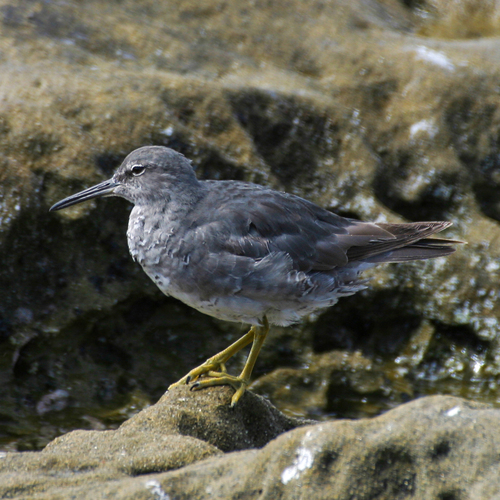 Wandering Tattler
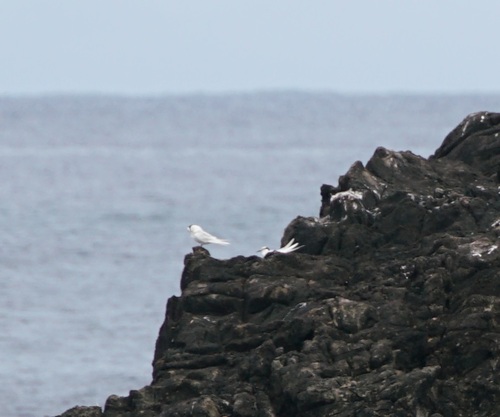 Black-naped Tern
In breve
Il modo più affidabile per separare il Wandering Tattler dal Black-naped Tern è attraverso la struttura generale e il modello delle ali: il Wandering Tattler è un uccello costiero tozzo e grigiastro con ali non decorate e un modello di parti inferiori a barre squamose in abito nuziale, mentre il Black-naped Tern è un uccello marino snello e bianco con una sorprendente banda nera sulla nuca e una coda profondamente forked. In volo, le lunghe ali appuntite e le streamers della coda del tern sono distintive, mentre il tattler mostra ali grigie larghe e non marcate e una coda più corta e a punta quadrata. Se vedi un uccello appollaiato, nota le gambe gialle del tattler e le parti superiori grigie rispetto al piumaggio completamente bianco del tern con gambe e becco neri. L'habitat è anche un forte indizio: i tattler si trovano su coste rocciose e rive di fiumi, mentre i Black-naped Terns sono strettamente oceanici, raramente visti nell'entroterra.
Consigli di identificazione
- Forma delle ali e della coda in volo: Il Black-naped Tern ha ali lunghe e appuntite e una coda profondamente forked che si estende oltre le punte delle ali quando è appollaiato; il Wandering Tattler ha ali più corte e più larghe e una coda a punta quadrata. Questo è più evidente in volo o in viste laterali appollaiate.
- Colore del piumaggio: Il tattler è grigio sopra e bianco sotto (con barre squamose negli adulti in abito nuziale); il Black-naped Tern è completamente bianco con ali grigio chiaro argentate e una banda nera sulla nuca.
- Modello della testa: Il Black-naped Tern ha una linea nera distintiva dall'occhio attraverso la nuca, formando un effetto 'cappello'; il Wandering Tattler ha un supercilium prominente (sopracciglio) ma non ha alcuna banda nera sulla nuca.
- Colore del becco e delle gambe: Il tattler ha un becco grigio scuro e gambe corte e gialle scure; il Black-naped Tern ha un becco nero e gambe nere. Il colore delle gambe è meglio visibile sugli uccelli appollaiati.
- Modello delle parti inferiori: Durante la stagione di riproduzione, il Wandering Tattler mostra pesanti barre o un modello squamoso sul petto e sull'addome; il Black-naped Tern è sempre bianco pulito sotto.
- Modello delle ali superiori: Entrambe le specie hanno ali relativamente semplici, ma le ali del tern sono più chiare e argentate, con un bordo nero stretto sulla primarie più esterna; le ali del tattler sono grigie senza alcun modello, mancando di qualsiasi bordo nero.
- Proiezione della coda: Sugli uccelli appollaiati, le streamers della coda del tern si estendono bene oltre le punte delle ali; la coda del tattler è più corta e non si proietta oltre le ali.
- Forma del corpo: Il tattler è compatto e tozzo; il tern è snello ed allungato, specialmente in volo.
- Contesto dell'habitat: Se l'uccello è su una costa rocciosa, una riva di fiume o una pianura fangosa, sospetta il tattler. Se è su una roccia al largo, un'isola o sopra l'oceano aperto, sospetta il Black-naped Tern.
- Comportamento: Il tattler cammina o si muove lungo le coste; il tern è spesso visto volare, librarsi o tuffarsi sopra l'acqua.
- Confusione giovanile: Il giovane Black-naped Tern è maculato di marrone, a differenza di qualsiasi piumaggio di tattler. I giovani tattler sono di un grigio più opaco ma mai marroni e maculati.
- Vocalizzazione: Un trill rapido indica il Wandering Tattler; richiami acuti e striduli sono più tipici dei tern.
- Dimensione nel contesto: Se visti insieme, il tern apparirà più lungo e più snello, con un'apertura alare più grande, ma entrambi sono simili in massa.
- Stagione: Le barre delle parti inferiori del Wandering Tattler sono presenti solo negli adulti in abito nuziale; in non riproduzione, entrambe le specie diventano più semplici, quindi fai affidamento maggiormente sulla struttura e sull'habitat.
- Supercilium vs. banda sulla nuca: L'eyebrow del tattler non è mai così audace o scura come la banda nera sulla nuca del tern—cerca questo contrasto nel modello della testa.
Taglia
Entrambe le specie sono simili in massa (Wandering Tattler: 108.5g, Black-naped Tern: 106g [wikidata]), ma il tern è leggermente più lungo (30–35 cm rispetto ai 26–30 cm del tattler) e ha un'apertura alare notevolmente più lunga (66 cm rispetto ai 50–55 cm). Sul campo, il Black-naped Tern appare più allungato e snello, con ali più lunghe e una coda che si estende bene oltre le punte delle ali quando è appollaiato. Il Wandering Tattler è più compatto e tozzo, con ali e coda più corte rispetto al suo corpo.
Piumaggio
-
Uccelli giovanili/immaturi: Non è descritto alcun modello specifico per età delle ali superiori per entrambe le specie, ma entrambe mancano delle marcature audaci delle ali tipiche di molti uccelli costieri e tern. I giovani Black-naped Terns sono maculati di marrone, mentre i giovani tattler somigliano agli adulti ma possono essere più opachi.
-
Adulti, piumaggio nuziale: Il Wandering Tattler mostra un modello squamoso e a barre che si estende dal petto all'addome, con parti superiori e ali grigie semplici. Il Black-naped Tern è completamente bianco tranne che per ali e mantello grigio chiaro argentato, e una linea nera netta dall'occhio attraverso la nuca. Le ali del tern sono più chiare, e la primarie più esterna ha un bordo nero stretto, ma altrimenti le ali sono pulite e argentate. Le ali del tattler sono grigie senza alcun modello, mancando di qualsiasi bordo nero o contrasto.
-
Adulti, non in riproduzione: Entrambe le specie diventano più semplici, ma il tattler mantiene le parti superiori grigie e perde gran parte delle barre delle parti inferiori, mentre il tern rimane bianco con la banda nera sulla nuca.
Comportamento
Il Wandering Tattler è tipicamente visto camminare o muoversi lungo coste rocciose, rive di fiumi o pianure fangose, spesso da solo o in piccoli gruppi. Si nutre raccogliendo invertebrati e può essere diffidente, volando via con un volo rapido e diretto. Il Black-naped Tern è quasi sempre visto volare graziosamente sopra l'oceano aperto o appollaiato su rocce e isole al largo, raramente atterrando se non per riprodursi. Il suo volo è leggero, con lunghe ali appuntite e una coda profondamente forked, spesso visto tuffarsi per pesci o librarsi brevemente sopra l'acqua.
Habitat
L'habitat è un separatore importante: il Wandering Tattler frequenta coste rocciose, rive di fiumi e talvolta pianure fangose—quasi sempre vicino a coste o acque dolci. Il Black-naped Tern è strettamente oceanico, nidificando e riposando su isole e rocce al largo, e raramente, se mai, si trova nell'entroterra. Se vedi un uccello nell'entroterra o su un fiume, quasi certamente non è un Black-naped Tern.
Voce
Il Wandering Tattler emette un trill rapido di note staccate che accelerano, spesso udite quando viene disturbato. La voce del Black-naped Tern non è descritta nelle note fornite, ma i tern tipicamente hanno richiami acuti e netti, molto diversi dal trill del tattler. Se senti un trill, sospetta il tattler; se senti un richiamo acuto e stridulo, considera il tern.
Wandering Tattler · Black-naped Tern · I miei uccelli difficili