

Motmot

スミレテリカッコウ 対 クリイロヒメカッコウ

Chrysococcyx xanthorhynchus 対 Cacomantis sonneratii

スミレテリカッコウとクリイロヒメカッコウのクイズ
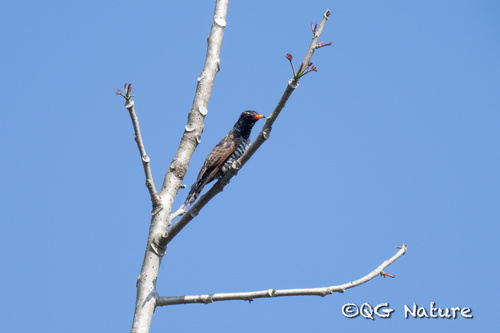
スミレテリカッコウ (Chrysococcyx xanthorhynchus) スミレテリカッコウ
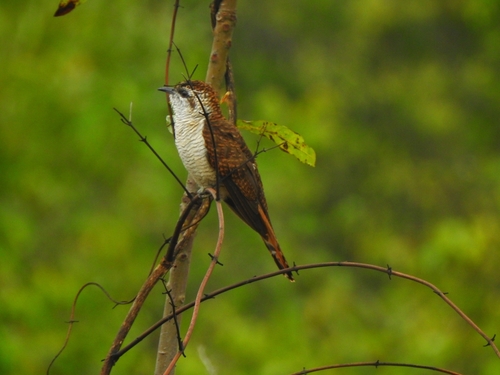
クリイロヒメカッコウ (Cacomantis sonneratii) クリイロヒメカッコウ

メディア

読み込み中…

要点

最も信頼できるフィールドマークは全体の色と縞模様です:成鳥のオスのスミレテリカッコウは、上面が光沢のある鮮やかな紫色で、明るい虹色の紫色の顎と上胸を持ち、一方、クリイロヒメカッコウは、上面が温かみのある赤褐色で、太い暗い縞模様と目立つ白い眉斑があります。幼鳥のスミレテリカッコウは、赤褐色と緑青銅色のまだら模様で、赤褐色の冠と縞模様の尾を持ち、幼鳥のクリイロヒメカッコウは、上面が淡い色で、上部に白い縁取りがあり、より均一な赤褐色のトーンを持っています。飛行中または止まっているとき、スミレテリカッコウ(両性)は、より短く、よりコンパクトな姿勢と、広い暗い縞模様のある白い腹部を示しますが、クリイロヒメカッコウは、くちばしが長く、尾も長く、細かい縞模様のある白い腹部を持っています。どちらも小型のカッコウですが、構造、顔の模様、尾の模 markings がフィールドでの鍵となります。

識別のコツ

  1. Juvenile/immature contrast: 幼鳥のスミレテリカッコウは明るい赤褐色の冠、緑青銅色の上面、赤褐色と茶色の縞模様の尾を持ち、一方、幼鳥のクリイロヒメカッコウは淡い色で、赤褐色の冠がなく、上面に白い縁取りがあります。
  2. Adult male スミレテリカッコウ: 光沢のある紫色の頭部と上面、虹色の紫色の顎と上胸、広い暗い縞模様のある白い腹部を探してください。この地域の他の小型カッコウはこれほど鮮やかな紫色ではありません。
  3. クリイロヒメカッコウ face pattern: 暗い目の上に白い眉斑(アイブロウ)が常に存在し、診断的です。スミレテリカッコウは強い眉斑を示しません。
  4. Upperparts color: クリイロヒメカッコウは、広い暗い縞模様のある明るい赤褐色または茶色の上面を持ち、スミレテリカッコウのオスは光沢のある紫色、メスは緑青銅色でまだら模様です。
  5. Tail pattern: クリイロヒメカッコウは、下端に黒い帯と白い先端を持つ暗い茶色の段階的な尾を持っています。スミレテリカッコウのオスは、白い先端と縞模様のある外側を持つ黒っぽい尾を持ち、メス/幼鳥は緑青銅色と赤褐色の縞模様の尾を持っています。
  6. Bill shape: クリイロヒメカッコウは、明らかに長く、わずかに曲がったくちばしを持っています。スミレテリカッコウのくちばしは短く、曲がりが少ないです。
  7. Belly and underparts: スミレテリカッコウ(オス)は、広い暗い縞模様のある白い腹部を持っています。クリイロヒメカッコウは、細かい縞模様のある白い腹部を持ち、決して広い縞模様はありません。
  8. Eye color: 成鳥のオスのスミレテリカッコウは赤いアイリングを持っています。クリイロヒメカッコウは黄色い虹彩を持っています。
  9. Crown color: クリイロヒメカッコウの冠はその赤褐色の上面と一致します。スミレテリカッコウのメスは暗い茶色の冠を持ち、幼鳥は明るい赤褐色の冠を持っています。
  10. Sexual dimorphism: スミレテリカッコウは性差があり(オスとメス/幼鳥は非常に異なる)、クリイロヒメカッコウの性は似ています。
  11. Flight jizz: スミレテリカッコウはよりコンパクトで短い尾を持っています。クリイロヒメカッコウは長い尾を持ち、飛行中はより細身です。
  12. Voice: クリイロヒメカッコウだけが特徴的で繰り返される4音の笛の音を持っています。スミレテリカッコウの歌はここでは説明されていません。
  13. Habitat context: クリイロヒメカッコウは、特にインド亜大陸の開けた森林や丘陵地帯にいる可能性が高いですが、スミレテリカッコウはより密な森林やエッジにいることが多いです。
  14. Seasonal context: クリイロヒメカッコウはその範囲の一部で渡りを行い、モンスーンや繁殖期により一般的である可能性があります。スミレテリカッコウの季節性はあまり顕著ではありません。
  15. Common pitfalls: 他のCacomantisの肝臓/羽毛の変種はクリイロヒメカッコウに似ることがありますが、白い眉斑と強く縞模様のある尾は信頼できます。スミレテリカッコウのメス/幼鳥は小型の赤褐色のカッコウと混同されることがありますが、緑青銅色のトーンと赤褐色の冠は特徴的です。

大きさ

両種は全体の長さが似ており、クリイロヒメカッコウは約22 cmの長さです [wikipedia]。スミレテリカッコウはここで正確な長さが示されていませんが、両方とも小型のカッコウとして説明されています。構造は絶対的なサイズよりも有用です:クリイロヒメカッコウは明らかに長く、わずかに曲がったくちばしと、より段階的な尾を持ち、スミレテリカッコウはよりコンパクトで短いくちばしと尾を持っています。

羽色

行動

両種は繁殖寄生者であり、主に昆虫食性で、時には果物を食べることもあります(スミレテリカッコウ)。スミレテリカッコウは枝に沿って這い回り、時折飛び捕りを行いますが、クリイロヒメカッコウは昆虫を採取し、獲物を求めて飛び出します。オスのクリイロヒメカッコウは、しばしば開けた場所で露出した止まり木から歌い、スミレテリカッコウのオスは繁殖中に活発で声を出しますが、メスは秘密主義です。どちらも宿主種に追われることがあります。クリイロヒメカッコウは、特にインドではしばしば渡りまたは部分的に渡ることがあり、スミレテリカッコウの動きはここでは説明されていません。

生息環境

両種は東南アジアに生息していますが、クリイロヒメカッコウは、特にインド亜大陸のよく木が生えた地域や低い丘陵地帯に関連しています。スミレテリカッコウの生息地はここでは詳細に説明されていませんが、一般的に森林や木の生えた地域に見られます。クリイロヒメカッコウは丘陵の開けた森林にいる可能性が高く、スミレテリカッコウはより密な森林やエッジに見られることがあります。

声

クリイロヒメカッコウは、特徴的で高音の4音の笛の音を持ち、"wee-ti wee-tee" または "smoke-yer-pepper" と書き起こされ、各音が音程を下げます。スミレテリカッコウの声はここでは説明されていないため、声はクリイロヒメカッコウの診断にのみ役立ちます。

より良い説明を送る

比較と同じ項目を使ってください。文章はすぐに公開されます。

The most reliable field mark is the overall color and barring pattern: adult male Violet Cuckoo is strikingly glossy violet above with a bright iridescent violet chin and upper breast, while Banded Bay Cuckoo is a warm rufous-brown above with bold dark barring and a prominent white supercilium. Juvenile Violet Cuckoo is mottled rufous and greenish-bronze with a rufous crown and barred tail, while juvenile Banded Bay Cuckoo is paler with white fringes on upperparts and a more uniform rufous-brown tone. In flight or perched, Violet Cuckoo (both sexes) shows a shorter, more compact jizz and a white belly with broad dark bars, while Banded Bay Cuckoo is longer-billed, longer-tailed, and has a white underside with fine striations. Both are small cuckoos, but their structure, face pattern, and tail markings are key in the field.

  1. Juvenile/immature contrast: Juvenile Violet Cuckoo has a bright rufous crown, greenish-bronze upperparts, and a barred rufous-and-brown tail, while juvenile Banded Bay Cuckoo is paler, lacks the rufous crown, and shows white fringes on upperparts.
  2. Adult male Violet Cuckoo: Look for glossy violet head and upperparts, iridescent violet chin and upper breast, and a white belly with broad dark bars. No other small cuckoo in the region is this vividly violet.
  3. Banded Bay Cuckoo face pattern: White supercilium (eyebrow) above a dark eye-line is always present and diagnostic. Violet Cuckoo never shows a strong supercilium.
  4. Upperparts color: Banded Bay Cuckoo is bright rufous or bay above with broad dark barring; Violet Cuckoo males are glossy violet, females greenish-bronze and mottled.
  5. Tail pattern: Banded Bay Cuckoo has a dark brown, graduated tail with a subterminal black band and white tips. Violet Cuckoo males have a blackish tail with white tip and barred outers; females/juveniles have greenish and rufous barred tails.
  6. Bill shape: Banded Bay Cuckoo has a noticeably longer, slightly curved bill; Violet Cuckoo's bill is shorter and less curved.
  7. Belly and underparts: Violet Cuckoo (male) has a white belly with broad dark bars; Banded Bay Cuckoo has a white underside with fine striations, never broad bars.
  8. Eye color: Adult male Violet Cuckoo has a red eye-ring; Banded Bay Cuckoo has a yellow iris.
  9. Crown color: Banded Bay Cuckoo's crown matches its rufous upperparts; Violet Cuckoo female has a dark brown crown, juvenile a bright rufous crown.
  10. Sexual dimorphism: Violet Cuckoo is sexually dimorphic (male vs female/juvenile very different); Banded Bay Cuckoo sexes are alike.
  11. Flight jizz: Violet Cuckoo is more compact with a shorter tail; Banded Bay Cuckoo is longer-tailed and more slender in flight.
  12. Voice: Only Banded Bay Cuckoo has a distinctive, repeated four-note whistle; Violet Cuckoo's song is not described here.
  13. Habitat context: Banded Bay Cuckoo is more likely in open woodland and hilly areas, especially in the Indian subcontinent; Violet Cuckoo is more often in denser forest or edge.
  14. Seasonal context: Banded Bay Cuckoo is migratory in parts of its range and may be more common in monsoon or breeding season; Violet Cuckoo's seasonality is less pronounced.
  15. Common pitfalls: Hepatic/plumage variants of other Cacomantis can resemble Banded Bay Cuckoo, but the white supercilium and strongly barred tail are reliable. Female/juvenile Violet Cuckoo may be confused with small rufous cuckoos, but the greenish-bronze tones and rufous crown are distinctive.

Both species are similar in overall length, with Banded Bay Cuckoo about 22 cm long [wikipedia]. Violet Cuckoo is not given a precise length here, but both are described as small cuckoos. Structure is more useful than absolute size: Banded Bay Cuckoo has a noticeably longer, slightly curved bill and a more graduated tail, while Violet Cuckoo is more compact with a shorter bill and tail.

  • Juveniles: Juvenile Violet Cuckoo is rufous-crowned, with barred rufous and greenish-bronze upperparts, a barred brown and rufous tail, and brown-barred white underparts. Juvenile Banded Bay Cuckoo is similar to adult but paler, with a pale lower mandible and white fringes to upper body feathers, lacking the strong rufous crown and greenish tones of Violet Cuckoo.
  • Adult males: Violet Cuckoo males are unmistakable with glossy violet head and upperparts, iridescent violet chin and upper breast, white belly with broad black/green/violet bars, and a red eye-ring. Banded Bay Cuckoo adults (sexes alike) are bright rufous above with broad dark brown barring, a white supercilium, dark eye-line, and a white underside with fine striations.
  • Adult females: Female Violet Cuckoo is mottled greenish-bronze above with a dark brown crown, white around the eye, and a tail with greenish central feathers and rufous, green-barred outers. Female Banded Bay Cuckoo is similar to male, with no strong sexual dimorphism.
  • Tail: Violet Cuckoo has a blackish tail with white tip and barred outers (male), or greenish and rufous barred tail (female/juvenile). Banded Bay Cuckoo has a dark brown tail with a subterminal black band and white tips, and a more graduated shape.

Both species are brood parasites and largely insectivorous, sometimes taking fruit (Violet Cuckoo). Violet Cuckoo forages by creeping along branches and occasionally flycatching; Banded Bay Cuckoo gleans insects and also sallies for prey. Male Banded Bay Cuckoos sing from exposed perches, often in the open, while Violet Cuckoo males are active and vocal during breeding but females are secretive. Both may be chased by host species. Banded Bay Cuckoo is often migratory or partially migratory, especially in India, while Violet Cuckoo's movements are not described here.

Both species occur in Southeast Asia, but Banded Bay Cuckoo is more associated with well-wooded areas and lower hills, often in the Indian subcontinent. Violet Cuckoo's habitat is not described in detail here, but it is generally found in forested or wooded areas. Banded Bay Cuckoo is more likely in hilly, open woodland, while Violet Cuckoo may be found in denser forest or edge.

Banded Bay Cuckoo has a distinctive, high-pitched four-note whistle, transcribed as "wee-ti wee-tee" or "smoke-yer-pepper," each note falling in pitch. Violet Cuckoo's vocalizations are not described here, so voice is only diagnostic for Banded Bay Cuckoo.

変更を破棄しますか?

保存していない編集があります。今離れると失われます。

スミレテリカッコウ · クリイロヒメカッコウ · 苦手な鳥