

Violet Cuckoo vs Banded Bay Cuckoo
Chrysococcyx xanthorhynchus contro Cacomantis sonneratii
Fai un quiz con Violet Cuckoo e Banded Bay Cuckoo
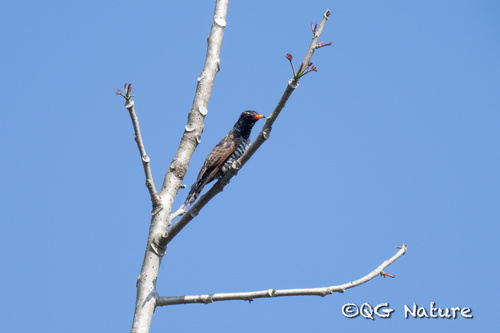 Violet Cuckoo
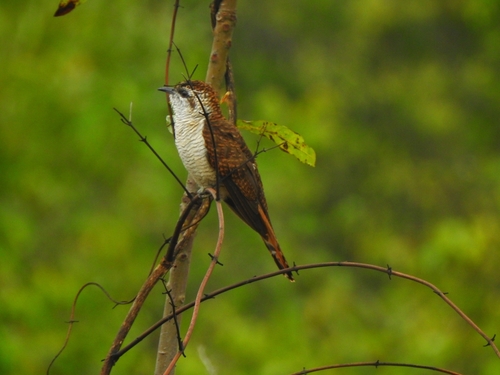 Banded Bay Cuckoo
In breve
Il segno distintivo più affidabile è il colore generale e il modello di barratura: il maschio adulto del Violet Cuckoo è sorprendentemente lucido e viola sopra con un mento e un petto superiore di un brillante viola iridescente, mentre il Banded Bay Cuckoo è di un caldo rufous-brown sopra con una forte barratura scura e un prominente supercilium bianco. Il Violet Cuckoo giovane è maculato di rufous e verde-bronzo con una corona rufous e una coda barrata, mentre il Banded Bay Cuckoo giovane è più chiaro con frange bianche sulle parti superiori e un tono rufous-brown più uniforme. In volo o posato, il Violet Cuckoo (entrambi i sessi) mostra un aspetto più corto e compatto e un ventre bianco con ampie barre scure, mentre il Banded Bay Cuckoo ha un becco più lungo, una coda più lunga e un sottocoda bianco con fini striature. Entrambi sono piccoli cuculi, ma la loro struttura, il modello del viso e le marcature della coda sono fondamentali sul campo.
Consigli di identificazione
- Contrasto giovanile/immaturo: Il Violet Cuckoo giovane ha una brillante corona rufous, parti superiori verde-bronzo e una coda barrata di rufous e marrone, mentre il Banded Bay Cuckoo giovane è più chiaro, privo della corona rufous e mostra frange bianche sulle parti superiori.
- Maschio adulto del Violet Cuckoo: Cerca una testa e parti superiori lucide di colore viola, un mento e un petto superiore iridescenti di viola, e un ventre bianco con ampie barre scure. Nessun altro piccolo cuculo nella regione è così vividamente viola.
- Modello del viso del Banded Bay Cuckoo: Il supercilium bianco (sopracciglio) sopra una linea oculare scura è sempre presente e diagnostico. Il Violet Cuckoo non mostra mai un forte supercilium.
- Colore delle parti superiori: Il Banded Bay Cuckoo è di un brillante rufous o bay sopra con ampie barre scure; i maschi del Violet Cuckoo sono di un viola lucido, le femmine verde-bronzo e maculate.
- Modello della coda: Il Banded Bay Cuckoo ha una coda marrone scuro, graduata, con una banda nera subterminale e punte bianche. I maschi del Violet Cuckoo hanno una coda nerastra con punta bianca e margini barrati; le femmine/giovani hanno code barrate di verde e rufous.
- Forma del becco: Il Banded Bay Cuckoo ha un becco visibilmente più lungo, leggermente curvo; il becco del Violet Cuckoo è più corto e meno curvo.
- Ventre e parti inferiori: Il Violet Cuckoo (maschio) ha un ventre bianco con ampie barre scure; il Banded Bay Cuckoo ha un sottocoda bianco con fini striature, mai barre ampie.
- Colore degli occhi: Il maschio adulto del Violet Cuckoo ha un anello oculare rosso; il Banded Bay Cuckoo ha un'iride gialla.
- Colore della corona: La corona del Banded Bay Cuckoo corrisponde alle sue parti superiori rufous; la femmina del Violet Cuckoo ha una corona marrone scuro, il giovane una brillante corona rufous.
- Dimorfismo sessuale: Il Violet Cuckoo è dimorfico sessualmente (maschio vs femmina/giovane molto diverso); i sessi del Banded Bay Cuckoo sono simili.
- Aspetto in volo: Il Violet Cuckoo è più compatto con una coda più corta; il Banded Bay Cuckoo ha una coda più lunga e più snella in volo.
- Voce: Solo il Banded Bay Cuckoo ha un fischio distintivo e ripetuto a quattro note; il canto del Violet Cuckoo non è descritto qui.
- Contesto dell'habitat: Il Banded Bay Cuckoo è più probabile che si trovi in boschi aperti e aree collinari, specialmente nel subcontinente indiano; il Violet Cuckoo si trova più spesso in foreste più dense o ai margini.
- Contesto stagionale: Il Banded Bay Cuckoo è migratorio in alcune parti del suo areale e può essere più comune nella stagione dei monsoni o di riproduzione; la stagionalità del Violet Cuckoo è meno pronunciata.
- Trappole comuni: Varianti epatiche/di piumaggio di altri Cacomantis possono somigliare al Banded Bay Cuckoo, ma il supercilium bianco e la coda fortemente barrata sono affidabili. La femmina/giovane del Violet Cuckoo può essere confusa con piccoli cuculi rufous, ma i toni verde-bronzo e la corona rufous sono distintivi.
Taglia
Entrambe le specie sono simili in lunghezza complessiva, con il Banded Bay Cuckoo lungo circa 22 cm [wikipedia]. Non viene fornita una lunghezza precisa per il Violet Cuckoo qui, ma entrambe sono descritte come piccoli cuculi. La struttura è più utile della dimensione assoluta: il Banded Bay Cuckoo ha un becco visibilmente più lungo e leggermente curvo e una coda più graduata, mentre il Violet Cuckoo è più compatto con un becco e una coda più corti.
Piumaggio
- Giovani: Il Violet Cuckoo giovane ha una corona rufous, con parti superiori barrate di rufous e verde-bronzo, una coda barrata di marrone e rufous, e parti inferiori bianche barrate di marrone. Il Banded Bay Cuckoo giovane è simile all'adulto ma più chiaro, con una mandibola inferiore pallida e frange bianche sulle piume del corpo superiore, privo della forte corona rufous e dei toni verde-bronzo del Violet Cuckoo.
- Maschi adulti: I maschi del Violet Cuckoo sono inconfondibili con testa e parti superiori lucide di viola, mento e petto superiore iridescenti di viola, ventre bianco con ampie barre nere/verdi/viola, e un anello oculare rosso. Gli adulti del Banded Bay Cuckoo (sessualmente simili) sono di un brillante rufous sopra con ampie barre marroni scure, un supercilium bianco, una linea oculare scura e un sottocoda bianco con fini striature.
- Femmine adulte: La femmina del Violet Cuckoo è maculata di verde-bronzo sopra con una corona marrone scuro, bianco attorno all'occhio, e una coda con piume centrali verde-bronzo e margini barrati di rufous e verde. La femmina del Banded Bay Cuckoo è simile al maschio, senza un forte dimorfismo sessuale.
- Coda: Il Violet Cuckoo ha una coda nerastra con punta bianca e margini barrati (maschio), o coda barrata di verde e rufous (femmina/giovane). Il Banded Bay Cuckoo ha una coda marrone scuro con una banda nera subterminale e punte bianche, e una forma più graduata.
Comportamento
Entrambe le specie sono parassiti della covata e per lo più insettivori, a volte mangiando frutta (Violet Cuckoo). Il Violet Cuckoo cerca cibo strisciando lungo i rami e occasionalmente catturando insetti in volo; il Banded Bay Cuckoo raccoglie insetti e si lancia anche per la preda. I maschi del Banded Bay Cuckoo cantano da posatoi esposti, spesso all'aperto, mentre i maschi del Violet Cuckoo sono attivi e vocali durante la riproduzione ma le femmine sono riservate. Entrambi possono essere inseguiti dalle specie ospiti. Il Banded Bay Cuckoo è spesso migratorio o parzialmente migratorio, specialmente in India, mentre i movimenti del Violet Cuckoo non sono descritti qui.
Habitat
Entrambe le specie si trovano nel Sud-est asiatico, ma il Banded Bay Cuckoo è più associato a aree ben alberate e colline basse, spesso nel subcontinente indiano. L'habitat del Violet Cuckoo non è descritto in dettaglio qui, ma si trova generalmente in aree forestali o boscose. Il Banded Bay Cuckoo è più probabile che si trovi in boschi aperti e collinari, mentre il Violet Cuckoo può essere trovato in foreste più dense o ai margini.
Voce
Il Banded Bay Cuckoo ha un fischio distintivo e acuto a quattro note, trascritto come "wee-ti wee-tee" o "smoke-yer-pepper," ogni nota che scende di tono. Le vocalizzazioni del Violet Cuckoo non sono descritte qui, quindi la voce è solo diagnostica per il Banded Bay Cuckoo.
Violet Cuckoo · Banded Bay Cuckoo · I miei uccelli difficili