

Motmot

シロハラムクドリ 対 ハジロテリムク

Cinnyricinclus leucogaster 対 Onychognathus nabouroup

シロハラムクドリとハジロテリムクのクイズ
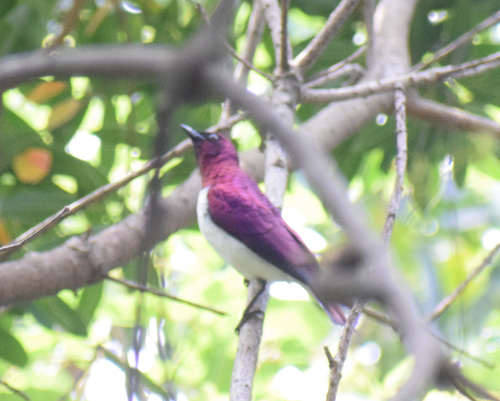
シロハラムクドリ (Cinnyricinclus leucogaster) シロハラムクドリ
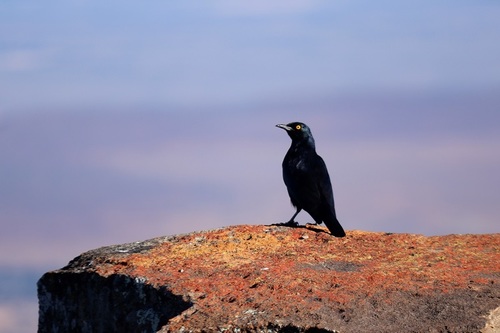
ハジロテリムク (Onychognathus nabouroup) ハジロテリムク

メディア

読み込み中…

要点

シロハラムクとハジロテリムクを区別する最も信頼できるフィールドマークは、シロハラムクの強い性的二形性です:成鳥のオスは上面が鮮やかな紫色で、腹部は純白です。一方、メスは茶色で強い縞模様があり、ツグミに似ています。対照的に、ハジロテリムクはこの二形性がなく、全体的にかなり大きく、体重も重いです。幼鳥とメスのシロハラムクは他の縞模様のあるムクドリと間違えられやすいですが、ハジロテリムクはそのような強い縞模様を示しません。もし淡い翼を持つムクドリを見たら、体のサイズと全体の色合いを確認してください;小さく、ツグミのような縞模様のあるムクドリを見た場合、それはほぼ確実にメスまたは未熟なシロハラムクです。生息地と行動も役立ちます:シロハラムクはより樹上性で、地面にはめったに降りませんが、ハジロテリムクはより一般的です。

識別のコツ

  1. 成鳥のオスのシロハラムクは間違いなく識別可能です: 輝く紫色の頭と背中、純白の腹部を探してください。この組み合わせを示す他のムクドリは地域にはいません。成鳥のオスにのみ適用されます。
  2. シロハラムクのメスと未熟個体はツグミのようです: 上面は茶色で、上部と下部に強い縞模様があります。もし小さく、縞模様のあるツグミのようなムクドリを見たら、それはほぼ確実にメスまたは未熟なシロハラムクです。ハジロテリムクはこのパターンを示しません。
  3. ハジロテリムクは強い縞模様がありません: 両性は似ており、シロハラムクのメス/未熟個体のような強い縞模様やツグミのようなパターンを示しません。もし鳥が地味であったり、わずかにしか模様がない場合は、ハジロテリムクを考慮してください。
  4. サイズと体格: ハジロテリムクは比較的小さなシロハラムク(17–18 cm、しかし軽い)よりもずっと重く、がっしりとしています(約103 g)。混合群れや経験があれば、このサイズの違いは明らかです。
  5. 虹彩の色: シロハラムクは黄色の虹彩を持っています(両性);ハジロテリムクの虹彩の色は指定されていないので、注意して使用してください。
  6. くちばしと足: 両方とも黒いくちばしと足を持っています;区別には役立ちません。
  7. 性的二形性: シロハラムクだけが強い性的二形性を示します(オスとメスは非常に異なって見えます);ハジロテリムクの性別は似ています。
  8. 生息地の好み: シロハラムクはより樹上性で、樹冠の高いところで餌を取り、地面にはめったに降りません。ハジロテリムクは一般的で、さまざまな高さで見られることがあり、地面にいることが多いかもしれません。
  9. 地理的範囲: 南アフリカ(アンゴラ、ボツワナ、ナミビア、南アフリカ)にいる場合、両方とも可能ですが、ハジロテリムクは乾燥した/開けた国でより可能性が高いです;シロハラムクは森林や森の端でより広く分布しています。
  10. 行動: シロハラムクの飛び捕りのような昆虫捕りに注意してください;ハジロテリムクは一般的な雑食性です。
  11. 翼の模様: どちらの種についても特定の年齢に関連する上翼や飛行パターンのマークはノートに記載されていないので、この特徴に頼らないでください。
  12. 止まっている時と飛行中の視点: サイズ、羽毛、縞模様は止まっている時に最もよく評価されます。飛行中はサイズと全体の色合いを使用しますが、メス/未熟なシロハラムクは遠くから見ると地味に見えることに注意してください。
  13. メス/未熟個体の間違い: 最も一般的な落とし穴は、メス/未熟なシロハラムク(縞模様のあるツグミのような)を他の地味なまたはハジロテリムクのムクドリと混同することです。常に強い縞模様と小さなサイズを確認してください。
  14. オスのシロハラムクはハジロテリムクに似ることはありません: 鳥が紫と白であれば、それはハジロテリムクではありません。
  15. 疑問がある場合は、組み合わせを使用してください: サイズ、羽毛(特に縞模様と色)、生息地、行動を組み合わせて、特にメスと未熟個体の最も信頼できる識別を行ってください。

大きさ

ハジロテリムクはシロハラムク(ノートには正確な質量は記載されていませんが、「比較的小さい」と説明され、長さは17–18 cm)よりもかなり重いです(体重約103 g)[wikipedia][wikidata]。シロハラムクは明らかに小さく、より繊細で、特に頑丈で重いハジロテリムクと比較すると顕著です。このサイズの違いは、直接比較や経験があればしばしば明らかです、特に飛行中や並んで止まっている時に。

羽色

行動

シロハラムクは主に樹上性で、樹冠の高いところで餌を取り、地面にはめったに降りません。時々、飛び捕りのスタイルで昆虫を捕まえます。ハジロテリムクは一般的な雑食性で、果物や昆虫を食べますが、特定の採餌の高さやスタイルは記載されていません。シロハラムクは樹木で見られる可能性が高いですが、ハジロテリムクはさまざまな高さで遭遇することがあり、地面にいることが多いかもしれません。

生息環境

シロハラムクはサハラ以南のアフリカの森林やサバンナの森林の端に広く分布し、樹上性の生息地を好みます。ハジロテリムクはアンゴラ、ボツワナ、ナミビア、南アフリカに見られ、ノートには正確な生息地の詳細はありませんが、その範囲はより南で、乾燥または開けた地域である可能性があります。もし密な森林や森林の端にいる場合、シロハラムクがより可能性が高いですが、開けたまたは南の生息地ではハジロテリムクがより可能性があります。

より良い説明を送る

比較と同じ項目を使ってください。文章はすぐに公開されます。

The most reliable field mark to separate Violet-backed Starling from Pale-winged Starling is the strong sexual dimorphism of the Violet-backed: adult males are strikingly iridescent violet above with pure white underparts, while females are brown and heavily streaked, resembling a thrush. In contrast, Pale-winged Starling lacks this dimorphism and is overall much larger and heavier-bodied. Juvenile and female Violet-backed Starlings are easily mistaken for other streaky starlings, but the Pale-winged never shows such strong streaking. If you see a starling with pale wings, check for body size and overall coloration; if you see a small, thrush-like, streaky starling, it's almost certainly a female or immature Violet-backed. Habitat and behavior can also help: Violet-backed is more arboreal and rarely on the ground, while Pale-winged is more generalist.

  1. Adult male Violet-backed Starling is unmistakable: Look for an iridescent violet head and back with pure white underparts. No other starling in the region, including Pale-winged, shows this combination. Works for adult males only.
  2. Females and immatures of Violet-backed are thrush-like: Brown above, heavily streaked above and below. If you see a small, streaky, thrush-like starling, it's almost certainly a female or immature Violet-backed. Pale-winged never shows this pattern.
  3. Pale-winged Starling lacks strong streaking: Both sexes are similar and do not show the heavy streaking or thrush-like pattern of female/immature Violet-backed. If the bird is plain or only faintly marked, consider Pale-winged.
  4. Size and build: Pale-winged is much heavier and bulkier (~103 g) than the relatively small Violet-backed (17–18 cm, but lighter). In mixed flocks or with experience, this size difference is obvious.
  5. Iris color: Violet-backed has yellow irises (both sexes); Pale-winged iris color not specified, so use with caution.
  6. Bill and legs: Both have black bills and legs; not useful for separation.
  7. Sexual dimorphism: Only Violet-backed shows strong sexual dimorphism (males and females look very different); Pale-winged sexes are similar.
  8. Habitat preference: Violet-backed is more arboreal, feeding high in the canopy and rarely on the ground. Pale-winged is a generalist and may be seen at various heights, possibly more often on the ground.
  9. Geographic range: If you are in southern Africa (Angola, Botswana, Namibia, South Africa), both are possible, but Pale-winged is more likely in arid/open country; Violet-backed is more widespread in woodland and forest edge.
  10. Behavior: Watch for flycatcher-like insect hawking in Violet-backed; Pale-winged is a generalist omnivore.
  11. Wing pattern: No specific age-related upperwing or flight pattern marks are described in the notes for either species, so do not rely on this feature.
  12. Perched vs. flight views: Size, plumage, and streaking are best assessed when perched. In flight, use size and overall coloration, but beware that female/immature Violet-backed can look plain at a distance.
  13. Mistaking females/immatures: The most common pitfall is confusing female/immature Violet-backed (streaky, thrush-like) for other plain or pale-winged starlings. Always check for heavy streaking and small size.
  14. Male Violet-backed never resembles Pale-winged: If the bird is violet and white, it's not Pale-winged.
  15. If in doubt, use a combination: Combine size, plumage (especially streaking and color), habitat, and behavior for the most reliable ID, especially for females and immatures.

Pale-winged Starling is substantially heavier (body mass ~103 g) than Violet-backed Starling (no precise mass in notes, but described as 'relatively small' and 17–18 cm in length) [wikipedia][wikidata]. Violet-backed is noticeably smaller and more delicate, especially compared to the robust, heavyset Pale-winged. This size difference is often apparent in direct comparison or with experience, especially in flight or when perched side by side.

  • Juvenile/Immature/Female: Violet-backed Starling females and immatures are brown above with bold streaking and white, heavily streaked underparts, resembling a small thrush. Pale-winged Starling never shows such strong streaking or thrush-like patterning at any age or sex.
  • Adult Male: Violet-backed adult males are unmistakable: iridescent violet head and back, with pure white underparts. No similar plumage in Pale-winged.
  • Adult Pale-winged: Lacks strong sexual dimorphism; both sexes have similar plumage, with no mention of violet or white contrast, and no heavy streaking. The key feature (from name and sources) is the pale wing, but details are not provided in the notes.
  • Iris and bare parts: Both have dark bills and legs, but Violet-backed has yellow irises in both sexes; iris color in Pale-winged not specified in notes.

Violet-backed Starling is mostly arboreal, feeding high in the canopy and rarely coming to the ground. It sometimes hawks insects flycatcher-style. Pale-winged Starling is a generalist omnivore, feeding on fruit and insects, but no specific foraging height or style is noted. Violet-backed is more likely to be seen in trees, while Pale-winged may be encountered at various heights and possibly more often on the ground.

Violet-backed Starling is widespread in woodlands and savannah forest edges across sub-Saharan Africa, favoring arboreal habitats. Pale-winged Starling is found in Angola, Botswana, Namibia, and South Africa, with no precise habitat details in the notes, but its range is more southern and possibly more arid or open. If you are in dense woodland or forest edge, Violet-backed is more likely; in open or southern habitats, Pale-winged is more probable.

変更を破棄しますか?

保存していない編集があります。今離れると失われます。

シロハラムクドリ · ハジロテリムク · 苦手な鳥