

Motmot

ビリーチャツグミ 対 オリーブチャツグミ

Catharus fuscescens 対 Catharus ustulatus

ビリーチャツグミとオリーブチャツグミのクイズ
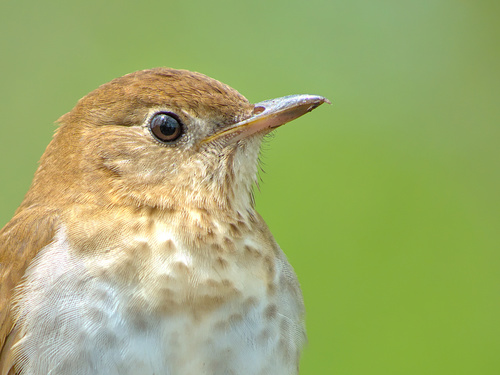
ビリーチャツグミ (Catharus fuscescens) ビリーチャツグミ
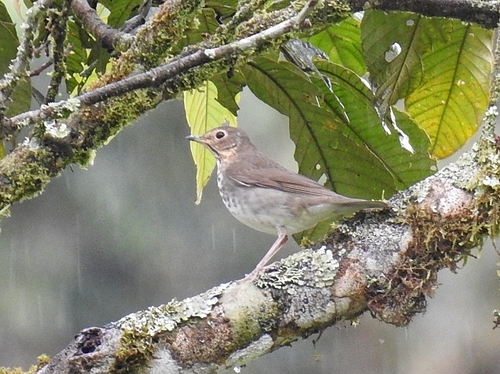
オリーブチャツグミ (Catharus ustulatus) オリーブチャツグミ

メディア

読み込み中…

要点

ビリーチャツグミとオリーブチャツグミの最も信頼できるフィールドマークは、胸の斑点のパターンと強度です:ビリーチャツグミは温かい黄褐色の胸にかすかなぼやけた薄茶色の斑点を示し、オリーブチャツグミはより暗く、よりはっきりとした斑点を持つ淡い胸を持っています。ビリーチャツグミは全体的に温かく、シナモン色が強い(特に東部で)、目の輪はあまりはっきりしていませんが、オリーブチャツグミはよりオリーブ色がかった茶色(東部)または赤褐色の背中(西部)を持ち、より目立つ淡い目の輪があります。両種はCatharusのアンダーウイングストライプとピンクの脚を共有しているため、分離のためには顔と胸のパターンに焦点を当ててください。構造とサイズは非常に似ているため、フィールドマークは微妙で、良い光の下または直接の並べて比較することで最もよく見えます。

識別のコツ

  1. Breast spotting: ビリーチャツグミは温かい黄褐色の胸にかすかなぼやけた薄茶色の斑点を持ち、オリーブチャツグミは淡い胸により暗く、よりはっきりとした斑点を持っています。これはすべての年齢と季節において最も一貫したフィールドマークです。
  2. Overall coloration: ビリーチャツグミは全体的に温かく、シナモン色または薄茶色が強い(特に東部で)、一方オリーブチャツグミはよりオリーブ色がかった茶色(東部)または赤褐色の背中(西部)です。西部では、オリーブチャツグミはかなり赤みがかっていることがありますが、ビリーチャツグミは東部のオリーブチャツグミほどオリーブ色ではありません。
  3. Eye ring: ビリーチャツグミの目の輪はあまりはっきりしておらず、かすかです;オリーブチャツグミは大胆で淡い、完全な目の輪を持ち、しばしば眼鏡のように見えます。これは良い光の下で信頼できます。
  4. Face pattern: オリーブチャツグミはしばしば淡い対照的な顔を示し、強い目の輪と淡いロアを持っていますが、ビリーチャツグミの顔はより平坦で対照が少ないです。
  5. Underwing stripe: 両種は飛行中にCatharusのアンダーウイングストライプ(白-黒-白)を示すため、これは分離には役立ちません。
  6. Leg color: 両方ともピンクの脚を持っており、これでは分離できません。
  7. Bill shape and color: 両方とも似たようなくちばしの形と長さを持ち、測定値が重なっています;信頼できるフィールドマークではありません。
  8. Structure and size: 両方ともサイズと比率が似ており、ジズや体格に頼らないでください。
  9. Song: オリーブチャツグミは上向きに渦巻くフルートのような歌を歌い、ビリーチャツグミの歌は下降する渦巻く音の連続です。歌っている場合、これは診断的です。
  10. Habitat: ビリーチャツグミは東部の水の近くの密な湿った落葉樹の森にいる可能性が高く、オリーブチャツグミは広範囲に分布し、西部の針葉樹林を含みます。ただし、ハビタットの重複は広範囲にわたるため、注意して使用してください。
  11. Geographic variation: 東部のビリーチャツグミはよりシナモン色が強く、西部の個体はよりオリーブ色がかった茶色で、オリーブチャツグミに近いトーンになることがあり、西部では分離が難しくなります—胸の斑点と目の輪に頼ってください。
  12. Juvenile/immature plumage: 両種に特有の年齢別の翼や飛行マークは説明されておらず、すべての年齢で顔と胸のパターンに焦点を当ててください。
  13. Perched vs. in flight: 両種は飛行中に似て見えます;止まっているときの視点が胸の斑点と目の輪を見るのに最適です。
  14. Pitfalls: 悪い光や短い視界では、両方とも淡い下部を持つ平坦な茶色に見えることがあります—常に胸の斑点と目の輪の組み合わせを探してください。
  15. Season: 両種は渡り鳥であり、渡りの際に重なることがあります;分離のために季節だけに頼らないでください。

大きさ

両種はサイズと構造がほぼ同一で、ビリーチャツグミは長さ16–19.5 cm、オリーブチャツグミは16–20 cmです。ビリーチャツグミの質量は通常26–39 g(例外的に54 gまで)、オリーブチャツグミは23–45 gです。翼幅も近い:ビリーチャツグミは平均28.5 cm、オリーブチャツグミは約30 cmです。くちばしとタルサスの長さは重なります。フィールドでは、どちらの種も他の種よりも明らかに大きく見えたり、体格が大きく見えたりすることはないため、サイズは信頼できる分離要因ではありません。

羽色

両種に特有の年齢別の上翼パターンの違いは説明されておらず、両方とも飛行中にCatharusのアンダーウイングストライプ(白-黒-白)を示すため、これは分離には役立ちません。すべての年齢において、ビリーチャツグミは全体的に明るく、温かみのある茶色で、特に東部の個体では胸に淡い黄褐色の洗いがあり、かすかなぼやけた茶色の斑点があります。オリーブチャツグミは東部ではよりオリーブ色がかった茶色で、西部では赤褐色の背中を持ち、胸はより淡く、よりはっきりとした暗い斑点があります。ビリーチャツグミの目の輪はあまりはっきりしていませんが、オリーブチャツグミでは目立ち、淡いです。両方とも白い下部とピンクの脚を持っています。幼鳥や未成熟の羽毛は、これらの種の間で特有のものとして説明されていません。

行動

両種は典型的なCatharusのツグミとして似たように行動します:彼らは密な下層で地面の上または近くで餌を探し、しばしば翼や尾をひらひらさせます。フィールドで信頼できる分離を行う行動の違いは、情報源には記載されていません。

生息環境

両種は湿った落葉樹または混合林で繁殖し、密な下層を持ち、しばしば水の近くにいます。ビリーチャツグミは特に密な成長を好み、東部のアメリカ合衆国と南部のカナダでより一般的です。オリーブチャツグミは北アメリカの北部全域に広がっており、東部の個体はよりオリーブ色がかった茶色の生息地におり、西部の個体は針葉樹林または混合林にいます。ハビタットの重複は広範囲にわたるため、文脈は西部の遠くで(赤褐色の背中のオリーブチャツグミが期待される場所)でない限り、診断的ではありません。

声

両種は美しいフルートのような歌を持っていますが、オリーブチャツグミは上昇し、渦巻く音の連続を提供し、しばしばエーテル的で上向きに渦巻くと説明されます。ビリーチャツグミの歌は下降する渦巻く、ビリー・ビリー・ビリーという音で、より柔らかく、エーテル的ですが、上昇しません。コールノートは情報源で詳細に説明されていないため、歌が主な音声の手がかりです:オリーブチャツグミは上向きに渦巻き、ビリーチャツグミは下向きに渦巻きます。

より良い説明を送る

比較と同じ項目を使ってください。文章はすぐに公開されます。

The most reliable field mark between Veery and Swainson's Thrush is the pattern and intensity of spotting on the breast: Veery shows faint, blurry, light brown spots on a warm tawny-washed breast, while Swainson's Thrush has darker, more distinct spots on a paler, less tawny breast. Veerys are overall warmer and more cinnamon-toned (especially in the east), with a poorly defined eye ring, while Swainson's Thrush is more olive-brown (east) or russet-backed (west) and has a more prominent pale eye ring. Both species share the Catharus underwing stripe and pink legs, so focus on face and breast pattern for separation. Structure and size are very similar, so field marks are subtle and best seen in good light or with a direct side-by-side comparison.

  1. Breast spotting: Veery has faint, blurry, light brown spots on a warm tawny-washed breast; Swainson's Thrush has darker, more distinct spots on a paler, less tawny breast. This is the most consistent field mark for all ages and seasons.
  2. Overall coloration: Veery is warmer and more cinnamon or light brown above (especially in the east), while Swainson's Thrush is more olive-brown (east) or russet-backed (west). In the west, Swainson's can be quite reddish above, but Veery is never as olive as eastern Swainson's.
  3. Eye ring: Veery's eye ring is poorly defined and faint; Swainson's Thrush has a bold, pale, and complete eye ring, often giving a spectacled look. This is reliable in good light.
  4. Face pattern: Swainson's Thrush often shows a pale, contrasting face with a strong eye ring and pale lores, while Veery's face is plainer and less contrasting.
  5. Underwing stripe: Both species show the Catharus underwing stripe (white-dark-white) in flight, so this is not useful for separation.
  6. Leg color: Both have pink legs; this does not separate them.
  7. Bill shape and color: Both have similar bill shapes and lengths, with overlapping measurements; not a reliable field mark.
  8. Structure and size: Both are similar in size and proportions; do not rely on jizz or bulk.
  9. Song: Swainson's Thrush sings an upward-spiraling, flute-like song; Veery's song is a descending, swirling series of notes. If singing, this is diagnostic.
  10. Habitat: Veery is more likely in dense, damp, deciduous woods near water in the east; Swainson's is widespread, including coniferous forests in the west. However, habitat overlap is broad, so use with caution.
  11. Geographic variation: Eastern Veerys are more cinnamon, western birds more olive-brown and can approach Swainson's in tone, making separation harder in the west—rely on breast spotting and eye ring.
  12. Juvenile/immature plumage: No distinctive age-specific wing or flight marks are described for either species; focus on face and breast pattern at all ages.
  13. Perched vs. in flight: Both species look similar in flight; perched views are best for seeing breast spots and eye ring.
  14. Pitfalls: In poor light or brief views, both can appear plain brown with pale underparts—always look for the combination of breast spotting and eye ring.
  15. Season: Both species are migratory and can overlap on migration; do not rely on season alone for separation.

Both species are nearly identical in size and structure, with Veery measuring 16–19.5 cm in length and Swainson's Thrush 16–20 cm. Veery's mass is typically 26–39 g (exceptionally up to 54 g), while Swainson's Thrush ranges from 23–45 g. Wingspans are also close: Veery averages 28.5 cm, Swainson's Thrush about 30 cm. Bill and tarsus lengths overlap. In the field, neither species appears noticeably larger or bulkier than the other, so size is not a reliable separator.

No age-specific upperwing pattern differences are described for either species; both show the Catharus underwing stripe (white-dark-white) in flight, so this is not useful for separation. For all ages, Veery is overall lighter and warmer brown above, especially in eastern birds, with a light tawny wash on the breast and faint, blurry brownish spots. Swainson's Thrush is more olive-brown above in the east or russet-backed in the west, with a paler breast and more distinct, darker spots. The eye ring is poorly defined in Veery but prominent and pale in Swainson's Thrush. Both have white underparts and pink legs. Juvenile and immature plumages are not described as distinctive between these species in the sources.

Both species behave similarly as typical Catharus thrushes: they forage on or near the ground in dense understory, often flicking wings and tails. No behavioral differences are noted in the sources that would reliably separate them in the field.

Both species breed in humid deciduous or mixed forests with dense understory, often near water. Veery prefers particularly dense growth close to streams and is more common in the eastern US and southern Canada. Swainson's Thrush is widespread across northern North America, with eastern populations in more olive-brown habitats and western birds in coniferous or mixed forests. Habitat overlap is extensive, so context is only weakly diagnostic unless in the far west (where russet-backed Swainson's is expected).

Both species have beautiful, flute-like songs, but Swainson's Thrush delivers an ascending, spiraling series of tones, often described as ethereal and upward-spiraling. Veery's song is a descending, swirling, veery-veery-veer sound, softer and more ethereal but not rising. Call notes are not described in detail in the sources, so song is the main vocal clue: upward-spiraling for Swainson's, downward-spiraling for Veery.

変更を破棄しますか?

保存していない編集があります。今離れると失われます。

ビリーチャツグミ · オリーブチャツグミ · 苦手な鳥