

Motmot

ムジアリモズ 対 シロボシアリモズ

Thamnophilus unicolor 対 Thamnophilus aethiops

ムジアリモズとシロボシアリモズのクイズ
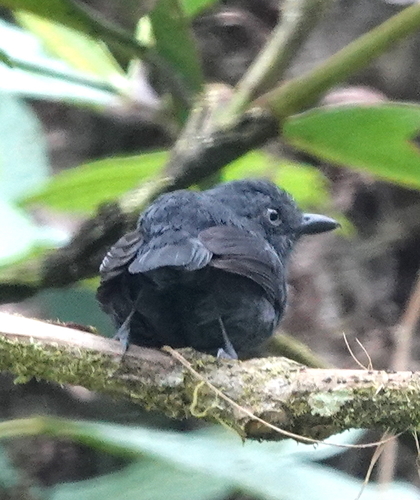
ムジアリモズ (Thamnophilus unicolor) ムジアリモズ
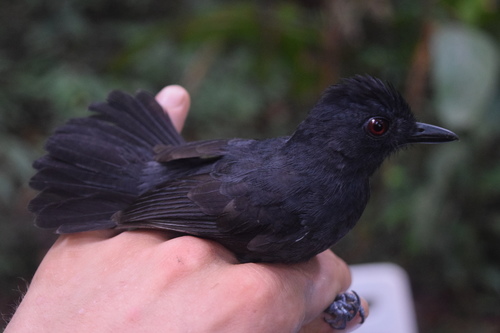
シロボシアリモズ (Thamnophilus aethiops) シロボシアリモズ

メディア

読み込み中…

要点

ムジアリモズとシロボシアリモズを区別する最も信頼できるフィールドマークは、シロボシアリモズのオスと一部のメスの翼覆や(時には)肩羽に見られる白い斑点やパッチの存在であり、これはすべての年齢のムジアリモズには存在しません。ムジアリモズのオスは均一に深い灰色または黒っぽい灰色であるのに対し、シロボシアリモズのオスは黒または黒っぽい灰色で、対照的な白い肩や翼の斑点があります。両種のメスは赤褐色ですが、ムジアリモズのメスは灰色の顔とより淡い腹部を示し、シロボシアリモズのメスはより均一に深い赤褐色です。未成熟のシロボシアリモズはしばしば淡い翼の斑点を示し、ムジアリモズのより均一な未成熟個体とは異なります。両種はサイズと構造が似ていますが、翼のパターンや微妙な羽毛の違いに注意を払うことが重要です。

識別のコツ

  1. 翼覆や肩羽に白い斑点やパッチがあるか確認する: ほとんどのオスと一部のメスのシロボシアリモズ(未成熟個体を含む)に存在し、すべてのムジアリモズには存在しません。これは最も信頼できるマークです。
  2. 白い肩羽のパッチを探す: 一部のシロボシアリモズの亜種(例: punctuliger)は肩羽の間に明確な白いパッチを示しますが、ムジアリモズは決して示しません。
  3. オスの全体的な色を調べる: ムジアリモズのオスは深い灰色または黒っぽい灰色で、翼の斑点はありません。シロボシアリモズのオスは黒または黒っぽい灰色で、白い翼の斑点や時には尾に白があります。
  4. メスの羽毛を評価する: ムジアリモズのメスは赤褐色の冠、灰色の顔、赤褐色の上面、より淡い腹部を持ち、シロボシアリモズのメスは全体的に深い赤褐色で、冠、顔、体の間のコントラストが少ないです。
  5. 未成熟の鳥: 未成熟のUniform Antshrikesは成鳥のメスに似ており、翼の斑点がありません; 未成熟のWhite-shouldered Antshrikes(特に亜成鳥のオス)は淡い翼覆の斑点を示し、時には他のメスのように見えることもあります。
  6. 尾のパターン: 両種は一部の亜種で外側の尾羽に小さな白い先端を示すことがありますが、これは単独では診断的ではありません。
  7. 虹彩、くちばし、脚: 両種は灰白色から白っぽい灰色の虹彩、黒いくちばし、灰色または青灰色の脚と足を持ち、区別には役立ちません。
  8. 構造: 両種は頑丈で、太くて鉤状のくちばしを持ち、構造は信頼できる区別要因ではありません。
  9. 声: ムジアリモズの歌は短く加速する鼻音または下降音の連続であり、シロボシアリモズの歌はより遅く、低音で、より均一です。呼び声は微妙に異なりますが、重複と変動が信頼性を制限します。
  10. 生息地と範囲: コロンビア、エクアドル、ペルーの外では、ムジアリモズは可能性が低いです。重複ゾーンでは、羽毛に頼ってください。
  11. 採餌行動: 両種は密な植生の中で低く採餌します; シロボシアリモズは混成群れに参加したり、アリの群れを追ったりすることが多いですが、これは強い区別要因ではありません。
  12. サイズ: 両種はサイズと体重が似ています; フィールドマークとして使用しないでください。
  13. 季節と換羽: 区別を助ける季節的な羽毛の違いは記載されていません; 年中、翼のパターンと全体的な色合いに焦点を当ててください。
  14. 飛行時の視点: 飛行中は、シロボシアリモズの白い翼の斑点や肩羽のパッチを探してください; ムジアリモズは平坦な翼に見えます。
  15. 疑わしい場合: 平坦で無地の灰色または赤褐色の外観で、翼に白がない鳥はおそらくムジアリモズ; 白い翼の斑点や肩羽のパッチがある鳥はシロボシアリモズです。

大きさ

両種は長さ(ムジアリモズ: 14.5–17 cm; シロボシアリモズ: 15–17 cm)と質量(ムジアリモズ: ~24 g; シロボシアリモズ: 23–30 g)で似ています [wikipedia][wikidata]。フィールドでの信頼できるサイズの違いはありません; 両者は頑丈で、中型のアリモズで、属に典型的な太くて鉤状のくちばしを持っています。

羽色

最も診断的な違いは、特にオスと未成熟個体の翼覆と肩羽にあります。シロボシアリモズのオス(ほとんどの亜種)は翼覆や時には肩羽に小さな白い斑点やパッチを示し、止まっているときも飛んでいるときも見えます; 一部の亜種は外側の尾羽に白い先端も持っています。未成熟および亜成鳥のオスは成鳥のメスに似ていますが、淡い翼覆の斑点を保持しています。メスは全体的に深い赤褐色です。対照的に、ムジアリモズのオスは完全に深い灰色または黒っぽい灰色で、翼に白い斑点はありません(ただし、一部は外側の尾羽に小さな白い先端を持つことがあります)。メスは赤褐色の冠、灰色の顔、赤褐色の上面、より淡い赤褐色の腹部を持ちます。両性の未成熟個体は成鳥のメスに似ており、翼の斑点がありません。したがって、淡い翼覆の斑点や白い肩羽のパッチを持つ鳥は、年齢に関係なくシロボシアリモズです。ムジアリモズは常に平坦な翼を持ち、メス/未成熟個体は下側がより淡く、灰色がかった顔を持っています。

行動

両種は密な植生の中で採餌し、通常は単独またはペアで行動し、混成種の群れにはほとんど参加しません。ムジアリモズは特に孤独で、混成群れに参加することは稀ですが、シロボシアリモズ(指名亜種)はエクアドルやペルーでより頻繁にそうすることがあります。両種は枝の間を跳ね回りながら獲物を探し、時には短い飛行を行います。シロボシアリモズは軍隊アリの群れを追うことが観察されていますが、これは稀です。

生息環境

両種は西アマゾンとアンデスの山麓の湿った森林に生息していますが、その範囲はコロンビア、エクアドル、ペルーでのみ重なります。シロボシアリモズはより広範囲に分布し、ボリビア、ブラジル、ベネズエラにも生息しています。生息地の好みは似ており、密な下草があり、しばしば低く採餌しますが、時には地上から8メートルまで上がることもあります。重複地域では、羽毛に注意を払う必要があります。

声

両種は鼻音や粗い音の連続を出しますが、ムジアリモズの歌は通常、3〜8の高い下降音の短くわずかに加速する連続("NYAH NYAH-nyah-nyah")であり、時には上昇する抑揚があります。その呼び声には、ガラガラとした吠え声や下降するカァ音が含まれます。シロボシアリモズの歌は、より遅く、低音の均一で不満を表す音の連続("anh...anh...anh...")であり、時にはトロゴンやフォレストファルコンに似ており、メスの歌はより高音です。その呼び声は突然の喉の"cuck"音、カァ音、鼻音のツイング、うなり声です。歌のペースと音程の違いが役立つことがありますが、重複と変動により声は二次的なフィールドマークとなります。

より良い説明を送る

比較と同じ項目を使ってください。文章はすぐに公開されます。

The most reliable field mark to separate Uniform Antshrike from White-shouldered Antshrike is the presence of white spots or patches on the wing coverts and (sometimes) scapulars of White-shouldered Antshrike males and some females, which are absent in Uniform Antshrike of all ages. Uniform Antshrike males are uniformly deep gray or blackish gray, while White-shouldered Antshrike males are black or blackish gray with contrasting white shoulder or wing spots. Females of both species are rufous-brown, but Uniform Antshrike females show a gray face and paler underparts, while White-shouldered Antshrike females are more uniformly deep reddish brown. Immature White-shouldered Antshrikes often show pale wing spots, unlike the more uniform immatures of Uniform Antshrike. Both species are similar in size and structure, but careful attention to wing pattern and subtle plumage differences is key.

  1. Check for white spots or patches on the wing coverts or scapulars: Present in most male and some female White-shouldered Antshrikes (including immatures), absent in all Uniform Antshrikes. This is the single most reliable mark.
  2. Look for a white scapular patch: Some White-shouldered Antshrike subspecies (e.g., punctuliger) show a distinct white patch between the scapulars; Uniform Antshrike never does.
  3. Examine the overall color of the male: Uniform Antshrike males are deep gray or blackish gray with no wing spots; White-shouldered Antshrike males are black or blackish gray with white wing spots and sometimes white on the tail.
  4. Assess the female plumage: Uniform Antshrike females have a rufous crown, gray face, rufous-brown upperparts, and paler underparts; White-shouldered Antshrike females are deep reddish brown overall, with less contrast between crown, face, and body.
  5. Immature birds: Immature Uniform Antshrikes resemble adult females and lack wing spots; immature White-shouldered Antshrikes (especially subadult males) show pale wing covert spots, sometimes even when otherwise female-like.
  6. Tail pattern: Both species may show small white tips on the outer tail feathers in some subspecies, but this is not diagnostic on its own.
  7. Iris, bill, and legs: Both have a gray-white to whitish gray iris, black bill, and gray or blue-gray legs and feet; not useful for separation.
  8. Structure: Both are robust, with stout, hooked bills; structure is not a reliable separator.
  9. Voice: Uniform Antshrike's song is a short, accelerating series of nasal or descending notes; White-shouldered Antshrike's is slower, lower-pitched, and more even. Calls differ subtly, but overlap and variability limit reliability.
  10. Habitat and range: If outside Colombia, Ecuador, or Peru, Uniform Antshrike is unlikely. In overlap zones, rely on plumage.
  11. Foraging behavior: Both forage low in dense vegetation; White-shouldered Antshrike may join mixed flocks or follow ant swarms more often, but this is not a strong separator.
  12. Size: Both are similar in size and weight; do not use as a field mark.
  13. Season and molt: No seasonal plumage differences are described that aid separation; focus on wing pattern and overall coloration year-round.
  14. Flight views: In flight, look for white wing spots or scapular patches on White-shouldered Antshrike; Uniform Antshrike will appear plain-winged.
  15. When in doubt: Any bird with a plain, unmarked gray or rufous-brown appearance and no white on the wing is likely Uniform Antshrike; any bird with white wing spots or a scapular patch is White-shouldered Antshrike.

Both species are similar in length (Uniform Antshrike: 14.5–17 cm; White-shouldered Antshrike: 15–17 cm) and mass (Uniform Antshrike: ~24 g; White-shouldered Antshrike: 23–30 g) [wikipedia][wikidata]. There is no reliable size difference in the field; both are robust, medium-sized antshrikes with stout hooked bills typical of the genus.

The most diagnostic difference is in the wing coverts and scapulars, especially in males and immatures. White-shouldered Antshrike males (most subspecies) show small white spots or patches on the wing coverts and sometimes scapulars, visible both perched and in flight; some subspecies also have white tips on the outer tail feathers. Immature and subadult males resemble adult females but retain pale wing covert spots. Females are deep reddish brown overall. In contrast, Uniform Antshrike males are entirely deep gray or blackish gray, with no white spots on the wings (though some may have small white tips on outer tail feathers). Females have a rufous crown, gray face, rufous-brown upperparts, and paler rufous-brown underparts. Immatures of both sexes resemble adult females and lack wing spots. Thus, any bird with pale wing covert spots or a white scapular patch is a White-shouldered Antshrike, regardless of age. Uniform Antshrike is always plain-winged, and females/immatures are paler below and have a grayish face.

Both species forage in dense vegetation, usually singly or in pairs, and seldom join mixed-species flocks. Uniform Antshrike is especially solitary, rarely joining mixed flocks, while White-shouldered Antshrike (nominate subspecies) may do so more often in Ecuador and Peru. Both species forage by hopping among branches and gleaning prey, sometimes making short flights. White-shouldered Antshrike has been observed following army ant swarms, but this is rare.

Both species occur in humid forests of the western Amazon and Andean foothills, but their ranges only overlap in Colombia, Ecuador, and Peru. White-shouldered Antshrike is more widespread, occurring also in Bolivia, Brazil, and Venezuela. Habitat preferences are similar: dense undergrowth, often foraging low but sometimes up to 8 m above ground. In areas of overlap, careful attention to plumage is needed.

Both species give series of nasal or gruff notes, but Uniform Antshrike's song is typically a short, slightly accelerating series of 3–8 high, descending notes ("NYAH NYAH-nyah-nyah"), sometimes with a rising inflection. Its calls include a rattled bark and descending caws. White-shouldered Antshrike's song is a slower, low-pitched series of even, complaining notes ("anh...anh...anh..."), sometimes likened to a trogon or forest-falcon, and the female's song is higher-pitched. Its calls are abrupt, throaty "cuck" notes, caws, nasal twangs, and growls. The difference in song pacing and pitch can help, but overlap and variation make voice a secondary field mark.

変更を破棄しますか?

保存していない編集があります。今離れると失われます。

ムジアリモズ · シロボシアリモズ · 苦手な鳥