

Uniform Antshrike vs White-shouldered Antshrike
Thamnophilus unicolor contro Thamnophilus aethiops
Fai un quiz con Uniform Antshrike e White-shouldered Antshrike
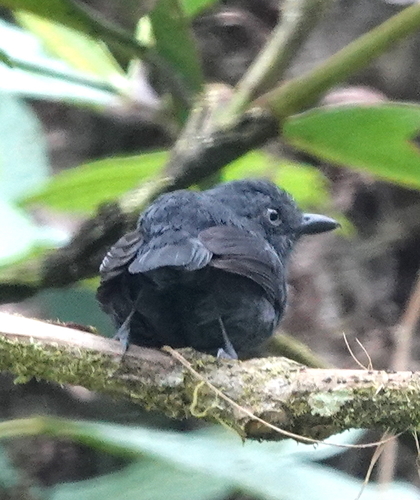 Uniform Antshrike
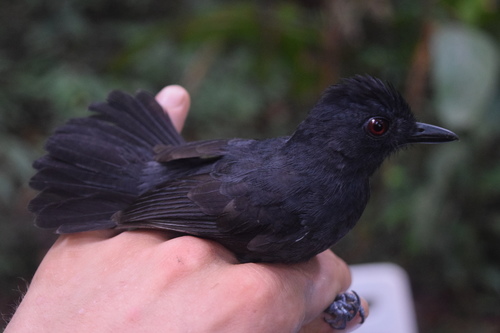 White-shouldered Antshrike
In breve
Il segno di campo più affidabile per separare il Uniform Antshrike dal White-shouldered Antshrike è la presenza di macchie o chiazze bianche sulle copritrici delle ali e (a volte) sulle scapolari dei maschi e di alcune femmine di White-shouldered Antshrike, che sono assenti in Uniform Antshrike di tutte le età. I maschi di Uniform Antshrike sono uniformemente grigio scuro o grigio nerastro, mentre i maschi di White-shouldered Antshrike sono neri o grigio nerastro con macchie bianche contrastanti sulle spalle o sulle ali. Le femmine di entrambe le specie sono marrone ruggine, ma le femmine di Uniform Antshrike mostrano un volto grigio e parti inferiori più chiare, mentre le femmine di White-shouldered Antshrike sono più uniformemente di un profondo marrone rossastro. Gli immaturi di White-shouldered Antshrike mostrano spesso macchie chiare sulle ali, a differenza degli immaturi più uniformi di Uniform Antshrike. Entrambe le specie sono simili in dimensioni e struttura, ma prestare attenzione al modello delle ali e alle sottili differenze nel piumaggio è fondamentale.
Consigli di identificazione
- Controlla la presenza di macchie o chiazze bianche sulle copritrici delle ali o sulle scapolari: Presenti nella maggior parte dei maschi e in alcune femmine di White-shouldered Antshrikes (compresi gli immaturi), assenti in tutti gli Uniform Antshrikes. Questo è il segno più affidabile.
- Cerca una macchia scapolare bianca: Alcune sottospecie di White-shouldered Antshrike (ad es., punctuliger) mostrano una distinta macchia bianca tra le scapolari; Uniform Antshrike non lo fa mai.
- Esamina il colore generale del maschio: I maschi di Uniform Antshrike sono grigio scuro o grigio nerastro senza macchie sulle ali; i maschi di White-shouldered Antshrike sono neri o grigio nerastro con macchie bianche sulle ali e a volte bianche sulla coda.
- Valuta il piumaggio femminile: Le femmine di Uniform Antshrike hanno una corona ruggine, un volto grigio, parti superiori marrone ruggine e parti inferiori più chiare; le femmine di White-shouldered Antshrike sono complessivamente di un profondo marrone rossastro, con meno contrasto tra corona, volto e corpo.
- Uccelli immaturi: Gli immaturi di Uniform Antshrikes assomigliano alle femmine adulte e non hanno macchie sulle ali; gli immaturi di White-shouldered Antshrikes (soprattutto i maschi subadulti) mostrano macchie chiare sulle copritrici delle ali, a volte anche quando altrimenti simili a femmine.
- Modello della coda: Entrambe le specie possono mostrare piccole punte bianche sulle piume della coda esterne in alcune sottospecie, ma questo non è diagnostico da solo.
- Iride, becco e zampe: Entrambi hanno un'iride grigio-bianca a grigio chiaro, becco nero e zampe e piedi grigio o blu-grigio; non utile per la separazione.
- Struttura: Entrambi sono robusti, con becchi robusti e ricurvi; la struttura non è un separatore affidabile.
- Voce: Il canto del Uniform Antshrike è una breve serie di note nasali o discendenti che accelerano; quello del White-shouldered Antshrike è più lento, a tono più basso e più uniforme. I richiami differiscono sottilmente, ma sovrapposizioni e variabilità limitano l'affidabilità.
- Habitat e distribuzione: Se al di fuori di Colombia, Ecuador o Perù, è improbabile incontrare il Uniform Antshrike. Nelle zone di sovrapposizione, fare affidamento sul piumaggio.
- Comportamento di foraggiamento: Entrambi foraggiano in basso nella vegetazione densa; il White-shouldered Antshrike può unirsi a stormi misti o seguire più spesso le colonne di formiche, ma questo non è un forte separatore.
- Dimensioni: Entrambi sono simili in dimensioni e peso; non usarli come segno di campo.
- Stagione e muta: Non sono descritte differenze di piumaggio stagionali che aiutino la separazione; concentrati sul modello delle ali e sulla colorazione generale tutto l'anno.
- Viste in volo: In volo, cerca macchie bianche sulle ali o chiazze scapolari sul White-shouldered Antshrike; il Uniform Antshrike apparirà con ali semplici.
- Quando hai dubbi: Qualsiasi uccello con un aspetto grigio o marrone ruggine semplice e senza bianco sulle ali è probabilmente un Uniform Antshrike; qualsiasi uccello con macchie bianche sulle ali o una macchia scapolare è un White-shouldered Antshrike.
Taglia
Entrambe le specie sono simili in lunghezza (Uniform Antshrike: 14.5–17 cm; White-shouldered Antshrike: 15–17 cm) e massa (Uniform Antshrike: ~24 g; White-shouldered Antshrike: 23–30 g) [wikipedia][wikidata]. Non c'è una differenza di dimensioni affidabile sul campo; entrambi sono antshrikes robusti di dimensioni medie con becchi robusti e ricurvi tipici del genere.
Piumaggio
La differenza più diagnostica è nelle copritrici delle ali e nelle scapolari, specialmente nei maschi e negli immaturi. I maschi di White-shouldered Antshrike (la maggior parte delle sottospecie) mostrano piccole macchie o chiazze bianche sulle copritrici delle ali e a volte sulle scapolari, visibili sia in posizione perpendicolare che in volo; alcune sottospecie hanno anche punte bianche sulle piume della coda esterne. Gli immaturi e i maschi subadulti assomigliano alle femmine adulte ma mantengono macchie chiare sulle copritrici delle ali. Le femmine sono complessivamente di un profondo marrone rossastro. Al contrario, i maschi di Uniform Antshrike sono completamente grigio scuro o grigio nerastro, senza macchie bianche sulle ali (anche se alcuni possono avere piccole punte bianche sulle piume della coda esterne). Le femmine hanno una corona ruggine, un volto grigio, parti superiori marrone ruggine e parti inferiori marrone ruggine più chiare. Gli immaturi di entrambi i sessi assomigliano alle femmine adulte e non hanno macchie sulle ali. Pertanto, qualsiasi uccello con macchie chiare sulle copritrici delle ali o una macchia scapolare bianca è un White-shouldered Antshrike, indipendentemente dall'età. Il Uniform Antshrike è sempre con ali semplici, e le femmine/gli immaturi sono più chiari sotto e hanno un volto grigiastro.
Comportamento
Entrambe le specie foraggiano in vegetazione densa, di solito singolarmente o in coppie, e raramente si uniscono a stormi di specie miste. Il Uniform Antshrike è particolarmente solitario, raramente si unisce a stormi misti, mentre il White-shouldered Antshrike (sottospecie nominativa) può farlo più spesso in Ecuador e Perù. Entrambe le specie foraggiano saltellando tra i rami e raccogliendo prede, a volte effettuando brevi voli. È stato osservato che il White-shouldered Antshrike segue colonne di formiche soldato, ma questo è raro.
Habitat
Entrambe le specie si trovano nelle foreste umide dell'Amazzonia occidentale e dei piedi delle Ande, ma i loro areali si sovrappongono solo in Colombia, Ecuador e Perù. Il White-shouldered Antshrike è più diffuso, presente anche in Bolivia, Brasile e Venezuela. Le preferenze di habitat sono simili: sottobosco denso, spesso foraggiando in basso ma a volte fino a 8 m sopra il suolo. Nelle aree di sovrapposizione, è necessaria un'attenta attenzione al piumaggio.
Voce
Entrambe le specie emettono serie di note nasali o gruffe, ma il canto del Uniform Antshrike è tipicamente una breve serie di 3–8 note alte e discendenti che accelerano ("NYAH NYAH-nyah-nyah"), a volte con un'inflessione ascendente. I suoi richiami includono un abbaiare ronzante e caw discendenti. Il canto del White-shouldered Antshrike è una serie più lenta e a tono più basso di note uniformi e lamentose ("anh...anh...anh..."), a volte paragonato a un trogon o a un falco delle foreste, e il canto della femmina è di tono più alto. I suoi richiami sono note "cuck" brusche e profonde, caw, twangs nasali e ringhi. La differenza nel ritmo e nel tono del canto può aiutare, ma sovrapposizioni e variazioni rendono la voce un segno di campo secondario.
Uniform Antshrike · White-shouldered Antshrike · I miei uccelli difficili