

Motmot

エボシガラ 対 ハマヒバリ

Baeolophus bicolor 対 Eremophila alpestris

エボシガラとハマヒバリのクイズ
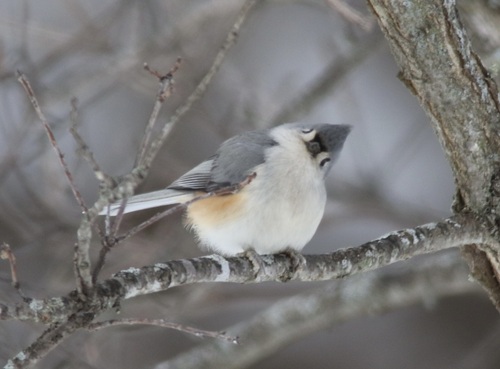
エボシガラ (Baeolophus bicolor) エボシガラ
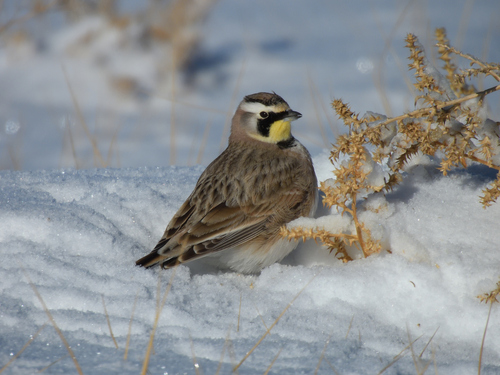
ハマヒバリ (Eremophila alpestris) ハマヒバリ

メディア

読み込み中…

要点

ハマヒバリとエボシガラを区別する最も信頼できるフィールドマークは、エボシガラに見られる目立つ灰色の冠羽の存在であり、ハマヒバリには決して見られません。飛行中または静止中のハマヒバリ(ホーンド・ラーク)は、より大きく、翼が長く、成鳥のオスには黒い「角」がある印象的な黒と黄色(または一部の亜種では黒と白)の顔のパターンを示しますが、エボシガラは上面がより地味な灰色で、黒い額と錆色の側面を持っています。幼鳥のエボシガラは完全な黒い額と冠羽を欠いていますが、それでもハマヒバリの大胆な顔のパターンには決して近づきません。これら2種は、構造、行動、生息地においても大きく異なります:エボシガラは小型で短い尾を持つ森林の鳥で、餌台や群れでよく見られますが、ハマヒバリは地面に生息し、開けた国の鳥で、より長い翼と尾を持ち、より直立した姿勢をしています。

識別のコツ

  1. Crest vs. Horns: エボシガラは常に目立つ灰色の冠羽を示します(幼鳥でも、減少していますが)、決して黒い「角」を持ちません。ハマヒバリには冠羽はありませんが、夏の成鳥のオスは黒い「角」を示します—頭頂に羽毛の房があります。雌や幼鳥のハマヒバリは角を欠いていますが、パターンのある顔を持っています。
  2. Face Pattern: ハマヒバリはすべての羽衣で黒いマスクと喉を持つ大胆な黒と黄色(または黒と白)の顔を持ち、特に成鳥のオスで際立っています。エボシガラは額に小さな黒い斑点がある地味な灰色の顔を持ち(幼鳥では減少)、マスクや黄色/白い顔を示しません。
  3. Rusty Flanks: エボシガラは側面から見える錆色またはシナモン色の側面を持ち、これら2種の中でユニークです。ハマヒバリの側面は淡色で、決して錆色ではありません。
  4. Tail Pattern: ハマヒバリの尾は中央の羽を除いてほとんど黒で、飛行中または広げたときに強いコントラストを生み出します。エボシガラは黒がない地味な灰色の尾を持っています。
  5. Body Structure: エボシガラはコンパクトで短い尾を持ち、丸い頭と短いくちばしを持っています。ハマヒバリは体が長く、尾も長く、より細長い尖ったくちばしを持っています。
  6. Size in Field: ハマヒバリはエボシガラよりも明らかに大きく、重いです。並んで見た場合、ハマヒバリはより長く、ずっしりとした印象を与えます。
  7. Perching vs. Ground: エボシガラはほとんど常に木や低木に止まっているのが見られ、地面にはめったにいません。ハマヒバリはほとんど常に地面にいて、歩いたり走ったりしています。
  8. Flight Style: エボシガラは木や餌台の間を短い跳ねるような飛行をします。ハマヒバリはより直接的で波のような飛行をし、しばしば開けた地面を越えて飛びます。
  9. Habitat: エボシガラは森林や郊外の地域で見られ、しばしば餌台にいます。ハマヒバリは開けた国—畑、海岸、ツンドラ、または山の斜面にいます。
  10. Vocalizations: エボシガラは大きく、明瞭な口笛を出します;ハマヒバリは柔らかく、きらきらしたさえずりと弱い呼び声を出します。強い「ピーター・ピーター・ピーター」という音が聞こえたら、それはエボシガラです。
  11. Juvenile Pitfall: 幼鳥のエボシガラは完全な黒い額を欠いているため、さらに地味に見えますが、それでもハマヒバリの大胆な顔のパターンを示すことはありません。幼鳥のハマヒバリは地味ですが、顔のパターンを保持しています。
  12. Sex Differences: 夏のオスのハマヒバリは完全な角と顔のパターンを持って最も目立ちます;雌や幼鳥は地味ですが、まだパターンがあります。エボシガラの性別は似ており、オスの方がわずかに大きいです。
  13. Feeder Behavior: エボシガラは頻繁に餌台を訪れ、一度に1つの種子を取り、隠します。ハマヒバリは餌台を訪れません。
  14. Association with Other Birds: エボシガラはしばしばシジュウカラや他の森林の鳥と混合群れに参加します。ハマヒバリは開けた生息地で単一種の群れを形成します。
  15. Tail Flicking: エボシガラは木の中で餌を探しているときに尾や翼を振ることがあります;ハマヒバリはこの行動を示しません。

大きさ

ハマヒバリはエボシガラよりも明らかに大きく、重いです。ハマヒバリは長さ16〜20 cm、重さ28〜48 g、翼幅30〜34 cmです [wikipedia][avonet]。エボシガラは小型で、長さ14〜16 cm、重さ18〜26 g、翼幅20〜26 cmです [wikipedia][avonet]。フィールドでは、これによりハマヒバリはより長い体型でより頑丈に見え、相対的に長い翼と尾を持ち、エボシガラはコンパクトで短い尾を持っています。

羽色

どちらの種にも年齢特有の上翼パターンは記載されていないため、頭部と体羽に焦点を当てます。成鳥のエボシガラは上面が灰色で、前面が白、錆色の側面、黒い額、目立つ灰色の冠羽を持っています。幼鳥は完全な黒い額を欠き、冠羽が減少していますが、それでも地味な灰色の上面を示し、大胆な顔のパターンはありません。ハマヒバリは上面が茶色がかった灰色で、下面が淡色ですが、その際立った顔で目立ちます:夏の成鳥のオスは黄色(または一部の亜種では白)の顔を持ち、大胆な黒いマスク、喉、そして「角」を持っています—頭頂に2つの黒い羽毛の房があります。ハマヒバリの尾は中央の羽を除いてほとんど黒で、飛行中に強いコントラストを生み出します。雌や幼鳥は地味ですが、まだパターンのある顔を示し、冠羽はありません。エボシガラは黒い「角」、黄色または白い顔、黒い尾を決して示しません。エボシガラの錆色の側面はこれら2種の中でユニークです。要約すると:エボシガラは冠羽と錆色の側面を持つ地味な外見であり、ハマヒバリは顔に大胆な模様があり、冠羽がなく、コントラストのある尾を持っています。

行動

エボシガラは活発で敏捷な森林の鳥で、しばしば小さな群れや混合種のグループで見られ、木や低木の間を移動し、頻繁に餌台を訪れ、カバーからカバーへと素早く飛びます。地面にいる時間はほとんどありません。ハマヒバリは地面に生息する種で、開けた地面を歩いたり走ったりし、繁殖シーズン外ではしばしば緩い群れで見られます。木の中で見られることはほとんどなく、その飛行はより波のようで直接的であり、しばしばディスプレイ飛行中に歌を伴います。エボシガラは食べ物を隠し、樹冠で声を出して活発ですが、ハマヒバリは裸の地面で餌を探したり巣を作ったりしているのが見られることが多いです。

生息環境

エボシガラは落葉樹や混合林、庭、公園、低木地に見られ—ほとんど常に木やかなりの低木の覆いがある地域にいます。これは米国東部の裏庭の餌台によく訪れる鳥です。ハマヒバリは開けた生息地を占有します:裸の地面、海岸、畑、ツンドラ、時には山の斜面です。森林地域を避け、餌台の近くで見られることはほとんどありません。森林や餌台で鳥を見た場合、それはほぼ確実にエボシガラです;開けた地面や海岸で、特に冬に見られる場合、それはおそらくハマヒバリです。

声

エボシガラは明瞭で口笛のような「ピーター・ピーター・ピーター」という歌を出し、しばしば繰り返され、変化があり、一般的に大きくて聞き取りやすいです。呼び声は鋭く、叱責するような音です。ハマヒバリの歌は高音で、きらきらしたまたは舌足らずのさえずりで、しばしば飛行中に発せられ、その呼び声はエボシガラに比べて弱く細いです。フィールドでは、エボシガラの声ははるかに目立ち、音楽的ですが、ハマヒバリの声はより柔らかく、繊細です。

より良い説明を送る

比較と同じ項目を使ってください。文章はすぐに公開されます。

The most reliable field mark to separate Tufted Titmouse from Shore Lark is the presence of a prominent gray crest on the titmouse, which is never shown by the lark. In flight or at rest, Shore Lark (Horned Lark) is larger, longer-winged, and shows a striking black-and-yellow (or black-and-white in some races) facial pattern with black 'horns' in adult males, while Tufted Titmouse is plainer gray above with a black forehead and rusty flanks. Juvenile titmice lack the full black forehead and crest, but still never approach the bold face pattern of any Shore Lark. The two species also differ strongly in structure, behavior, and habitat: titmice are small, short-tailed woodland birds often seen at feeders or in flocks, while larks are ground-dwelling, open-country birds with longer wings and tails, and a more upright stance.

  1. Crest vs. Horns: Tufted Titmouse always shows a prominent gray crest (even in juveniles, though reduced), never black 'horns'. Shore Lark never has a crest, but adult males in summer show black 'horns'—tufts of feathers on the crown. Females and immatures lark lack horns but still have patterned faces.
  2. Face Pattern: Shore Lark has a bold black-and-yellow (or black-and-white) face with a black mask and throat in all plumages, most striking in adult males. Tufted Titmouse has a plain gray face with a small black patch on the forehead (reduced in juveniles) and never shows a mask or yellow/white face.
  3. Rusty Flanks: Tufted Titmouse has rusty or cinnamon flanks, visible from the side, unique among these two. Shore Lark's flanks are pale and never rusty.
  4. Tail Pattern: Shore Lark's tail is mostly black except for the central feathers, creating a strong contrast in flight or when spread. Titmouse has a plain gray tail with no black.
  5. Body Structure: Titmouse is compact, short-tailed, and round-headed with a short bill. Shore Lark is longer-bodied, longer-tailed, and has a more slender, pointed bill.
  6. Size in Field: Shore Lark is noticeably larger and heavier than Tufted Titmouse. If seen side by side, the lark will look longer and bulkier.
  7. Perching vs. Ground: Titmice are almost always seen perched in trees or shrubs, rarely on the ground. Shore Larks are almost always on the ground, walking or running.
  8. Flight Style: Titmouse makes short, bounding flights between trees or feeders. Shore Lark has a more direct, undulating flight, often over open ground.
  9. Habitat: Titmouse is found in wooded or suburban areas, often at feeders. Shore Lark is in open country—fields, shorelines, tundra, or mountain slopes.
  10. Vocalizations: Titmouse gives loud, clear whistles; lark gives soft, tinkling warbles and weak calls. If you hear a strong 'peter-peter-peter', it's a titmouse.
  11. Juvenile Pitfall: Juvenile titmice lack the full black forehead, making them even plainer, but still never show the bold face pattern of lark. Juvenile larks are duller but retain facial patterning.
  12. Sex Differences: Male larks in summer are most striking with full horns and face pattern; females and immatures are duller but still patterned. Titmouse sexes are similar, with males slightly larger.
  13. Feeder Behavior: Titmouse frequently visits feeders, taking one seed at a time and caching it. Shore Lark does not visit feeders.
  14. Association with Other Birds: Titmouse often joins mixed flocks with chickadees and other woodland birds. Shore Lark forms single-species flocks in open habitats.
  15. Tail Flicking: Titmouse may flick its tail and wings while foraging in trees; Shore Lark does not show this behavior.

Shore Lark is distinctly larger and heavier than Tufted Titmouse. Shore Lark measures 16–20 cm in length, weighs 28–48 g, and has a wingspan of 30–34 cm [wikipedia][avonet]. Tufted Titmouse is smaller, at 14–16 cm long, 18–26 g, and a wingspan of 20–26 cm [wikipedia][avonet]. In the field, this translates to Shore Lark appearing longer-bodied and more robust, with proportionally longer wings and tail, while Tufted Titmouse is compact and short-tailed.

No age-specific upperwing pattern is described for either species, so focus is on head and body plumage. Adult Tufted Titmouse is gray above with a white front, rusty flanks, a black forehead, and a prominent gray crest. Juveniles lack the full black forehead and have a reduced crest, but still show plain gray upperparts and no bold face pattern. Shore Lark is brown-gray above and pale below, but stands out by its striking face: adult males in summer have a yellow (or white in some races) face with bold black mask, throat, and 'horns'—two tufts of black feathers on the crown. The tail of Shore Lark is mostly black except for the central feathers, creating a strong contrast in flight. Females and immatures are duller but still show a patterned face and lack any crest. Titmouse never shows black 'horns', yellow or white face, or a black tail. The rusty flanks of titmouse are unique among these two. In summary: titmouse is plainer with a crest and rusty flanks; lark is boldly marked on the face, lacks a crest, and has a contrasting tail.

Tufted Titmouse is an active, agile woodland bird, often seen in small flocks or mixed-species groups, moving through trees and shrubs, frequently visiting feeders, and making quick flights from cover to cover. It rarely spends time on the ground. Shore Lark is a ground-dwelling species, walking or running on open ground, often in loose flocks outside the breeding season. It is rarely seen in trees, and its flight is more undulating and direct, often accompanied by song in display flights. The titmouse caches food and is vocally active in the canopy, while the lark is more likely to be seen foraging or nesting on bare ground.

Tufted Titmouse is found in deciduous and mixed woodlands, gardens, parks, and shrublands—almost always in areas with trees or substantial shrub cover. It is a frequent visitor to backyard feeders in the eastern US. Shore Lark occupies open habitats: bare ground, shorelines, fields, tundra, and sometimes mountain slopes. It avoids wooded areas and is rarely seen near feeders. If you see the bird in a forest or at a feeder, it is almost certainly a titmouse; if on open ground or shorelines, especially in winter, it is likely a lark.

Tufted Titmouse gives a clear, whistled 'peter-peter-peter' song, often repeated and variable, and is generally loud and easy to hear. Calls are sharp and scolding. Shore Lark's song is a high-pitched, tinkling or lisping warble, often delivered in flight, and its calls are weak and thin compared to the titmouse. In the field, the titmouse's voice is much more prominent and musical, while the lark's is softer and more delicate.

変更を破棄しますか?

保存していない編集があります。今離れると失われます。

エボシガラ · ハマヒバリ · 苦手な鳥