

Tufted Titmouse vs Allodola golagialla
Baeolophus bicolor contro Eremophila alpestris
Fai un quiz con Tufted Titmouse e Allodola golagialla
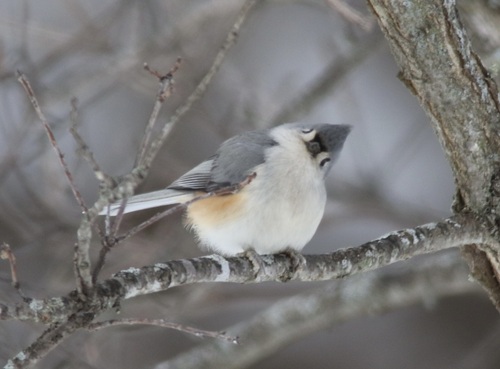 Tufted Titmouse
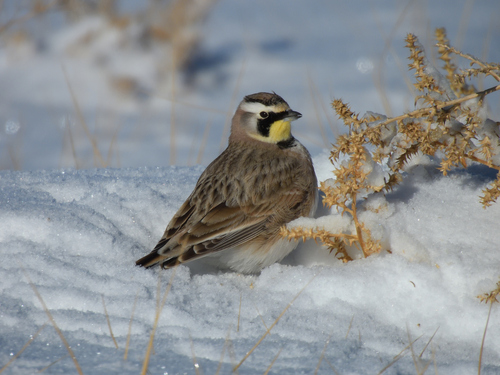 Allodola golagialla
In breve
Il segno distintivo più affidabile per separare il Tufted Titmouse dall'Allodola golagialla è la presenza di una prominente cresta grigia sul titmouse, che non è mai mostrata dall'allodola. In volo o a riposo, l'Allodola golagialla (Allodola cornuta) è più grande, con ali più lunghe, e mostra un sorprendente motivo facciale nero e giallo (o nero e bianco in alcune razze) con 'corna' nere nei maschi adulti, mentre il Tufted Titmouse è di un grigio più semplice sopra con una fronte nera e fianchi rugginosi. I giovani titmice mancano della piena fronte nera e della cresta, ma non si avvicinano mai al motivo facciale audace di qualsiasi Allodola golagialla. Le due specie differiscono anche fortemente in struttura, comportamento e habitat: i titmice sono piccoli, con code corte, uccelli di bosco spesso visti ai mangiatoie o in stormi, mentre le allodole sono uccelli di campagna che vivono a terra, con ali e code più lunghe, e una postura più eretta.
Consigli di identificazione
- Crest vs. Horns: Il Tufted Titmouse mostra sempre una prominente cresta grigia (anche nei giovani, sebbene ridotta), mai 'corna' nere. L'Allodola golagialla non ha mai una cresta, ma i maschi adulti in estate mostrano 'corna' nere—ciuffi di piume sulla corona. Le femmine e i giovani allodole mancano di corna ma hanno comunque facce decorate.
- Face Pattern: L'Allodola golagialla ha un audace volto nero e giallo (o nero e bianco) con una maschera nera e gola in tutte le livree, più sorprendente nei maschi adulti. Il Tufted Titmouse ha un volto grigio semplice con una piccola macchia nera sulla fronte (ridotta nei giovani) e non mostra mai una maschera o un volto giallo/bianco.
- Rusty Flanks: Il Tufted Titmouse ha fianchi rugginosi o cannella, visibili di lato, unici tra questi due. I fianchi dell'Allodola golagialla sono pallidi e mai rugginosi.
- Tail Pattern: La coda dell'Allodola golagialla è per lo più nera tranne che per le piume centrali, creando un forte contrasto in volo o quando è aperta. Il titmouse ha una coda grigia semplice senza nero.
- Body Structure: Il titmouse è compatto, con coda corta e testa rotonda con un becco corto. L'Allodola golagialla ha un corpo più lungo, una coda più lunga e un becco più snello e appuntito.
- Size in Field: L'Allodola golagialla è visibilmente più grande e pesante del Tufted Titmouse. Se visti fianco a fianco, l'allodola apparirà più lunga e robusta.
- Perching vs. Ground: I titmice sono quasi sempre visti posati su alberi o arbusti, raramente a terra. Le allodole sono quasi sempre a terra, camminando o correndo.
- Flight Style: Il titmouse compie brevi voli rimbalzanti tra alberi o mangiatoie. L'Allodola golagialla ha un volo più diretto e ondulato, spesso sopra terreni aperti.
- Habitat: Il titmouse si trova in aree boschive o suburbane, spesso ai mangiatoie. L'Allodola golagialla si trova in campagna aperta—campi, linee costiere, tundra o pendii montuosi.
- Vocalizations: Il titmouse emette fischi forti e chiari; l'allodola emette cinguettii morbidi e deboli richiami. Se senti un forte 'peter-peter-peter', è un titmouse.
- Juvenile Pitfall: I giovani titmice mancano della piena fronte nera, rendendoli ancora più semplici, ma non mostrano mai il motivo facciale audace dell'allodola. I giovani allodole sono più opachi ma mantengono la decorazione facciale.
- Sex Differences: I maschi delle allodole in estate sono i più sorprendenti con corna e motivo facciale completi; le femmine e i giovani sono più opachi ma ancora decorati. I sessi del titmouse sono simili, con i maschi leggermente più grandi.
- Feeder Behavior: Il titmouse visita frequentemente i mangiatoie, prendendo un seme alla volta e nascondendolo. L'Allodola golagialla non visita i mangiatoie.
- Association with Other Birds: Il titmouse spesso si unisce a stormi misti con i chickadees e altri uccelli di bosco. L'Allodola golagialla forma stormi di singola specie in habitat aperti.
- Tail Flicking: Il titmouse può muovere la coda e le ali mentre cerca cibo sugli alberi; l'Allodola golagialla non mostra questo comportamento.
Taglia
L'Allodola golagialla è distintamente più grande e pesante del Tufted Titmouse. L'Allodola golagialla misura 16–20 cm di lunghezza, pesa 28–48 g e ha un'apertura alare di 30–34 cm [wikipedia][avonet]. Il Tufted Titmouse è più piccolo, con una lunghezza di 14–16 cm, 18–26 g e un'apertura alare di 20–26 cm [wikipedia][avonet]. In campo, questo si traduce in un'Allodola golagialla che appare più robusta e con un corpo più lungo, con ali e coda proporzionalmente più lunghe, mentre il Tufted Titmouse è compatto e con coda corta.
Piumaggio
Nessun motivo specifico per l'età è descritto per nessuna delle due specie, quindi ci si concentra sulla livrea della testa e del corpo. L'adulto Tufted Titmouse è grigio sopra con un fronte bianco, fianchi rugginosi, una fronte nera e una prominente cresta grigia. I giovani mancano della piena fronte nera e hanno una cresta ridotta, ma mostrano comunque parti superiori grigie semplici e nessun motivo facciale audace. L'Allodola golagialla è marrone-grigia sopra e pallida sotto, ma si distingue per il suo sorprendente volto: i maschi adulti in estate hanno un volto giallo (o bianco in alcune razze) con una maschera nera audace, gola e 'corna'—due ciuffi di piume nere sulla corona. La coda dell'Allodola golagialla è per lo più nera tranne che per le piume centrali, creando un forte contrasto in volo. Le femmine e i giovani sono più opachi ma mostrano comunque un volto decorato e mancano di qualsiasi cresta. Il titmouse non mostra mai 'corna' nere, volto giallo o bianco, o una coda nera. I fianchi rugginosi del titmouse sono unici tra questi due. In sintesi: il titmouse è più semplice con una cresta e fianchi rugginosi; l'allodola è audacemente decorata sul volto, manca di cresta e ha una coda contrastante.
Comportamento
Il Tufted Titmouse è un uccello di bosco attivo e agile, spesso visto in piccoli stormi o gruppi di specie miste, muovendosi tra alberi e arbusti, visitando frequentemente i mangiatoie e compiendo voli rapidi da un riparo all'altro. Raramente trascorre tempo a terra. L'Allodola golagialla è una specie che vive a terra, camminando o correndo su terreni aperti, spesso in stormi sciolti al di fuori della stagione riproduttiva. È raramente vista sugli alberi, e il suo volo è più ondulato e diretto, spesso accompagnato da canti durante i voli di display. Il titmouse nasconde il cibo ed è vocalmente attivo nella chioma, mentre l'allodola è più probabile che venga vista cercando cibo o nidificando su terreno nudo.
Habitat
Il Tufted Titmouse si trova in boschi decidui e misti, giardini, parchi e arbusteti—quasi sempre in aree con alberi o una copertura arbustiva sostanziale. È un visitatore frequente dei mangiatoie nei cortili nel sud-est degli Stati Uniti. L'Allodola golagialla occupa habitat aperti: terreno nudo, linee costiere, campi, tundra e a volte pendii montuosi. Evita le aree boschive ed è raramente vista vicino ai mangiatoie. Se vedi l'uccello in una foresta o a un mangiatore, è quasi certamente un titmouse; se su terreno aperto o linee costiere, specialmente in inverno, è probabile che sia un'allodola.
Voce
Il Tufted Titmouse emette un canto chiaro e fischiante 'peter-peter-peter', spesso ripetuto e variabile, ed è generalmente forte e facile da sentire. I richiami sono acuti e rimproveranti. Il canto dell'Allodola golagialla è un cinguettio acuto, tintinnante o sussurrante, spesso emesso in volo, e i suoi richiami sono deboli e sottili rispetto al titmouse. In campo, la voce del titmouse è molto più prominente e musicale, mentre quella dell'allodola è più morbida e delicata.
Tufted Titmouse · Allodola golagialla · I miei uccelli difficili