

Motmot

フサボウシハエトリ 対 ミヤマモリタイランチョウ

Mitrephanes phaeocercus 対 Contopus ochraceus

フサボウシハエトリとミヤマモリタイランチョウのクイズ
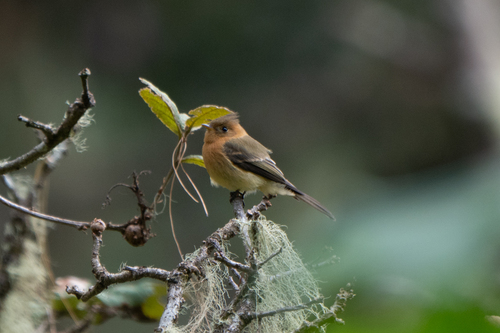
フサボウシハエトリ (Mitrephanes phaeocercus) フサボウシハエトリ
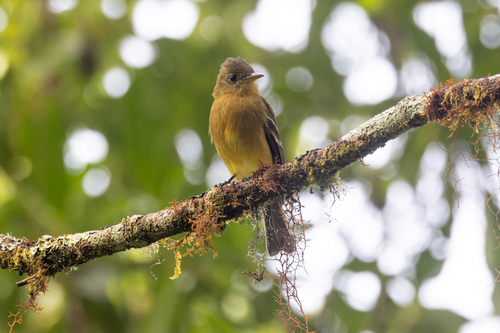
ミヤマモリタイランチョウ (Contopus ochraceus) ミヤマモリタイランチョウ

メディア

読み込み中…

要点

フサボウシハエトリとミヤマモリタイランチョウの最も信頼できるフィールドマークはサイズです:ミヤマモリタイランチョウははるかに大きく、ずんぐりしており、体が明らかに長く、くちばしも重いです。両種は冠羽を持ち、似たような直立した飛び出し行動を示しますが、フサボウシハエトリはコンパクトで色彩が豊かで、特に下部がそうであるのに対し、ミヤマモリタイランチョウは細長く、色が鈍く、オリーブ色の羽毛を持っています。幼鳥の翼の模様はあまり特徴的ではないため、全体の構造、顔の模様、下部の色に注目してください。止まっているときや飛んでいるときの視点では、フサボウシハエトリの明るいオークルシナモンの下部と小さなサイズが、ミヤマモリタイランチョウの muted olive と buff tones に対して際立っています。

識別のコツ

  1. Size is the fastest separator: ミヤマモリタイランチョウはフサボウシハエトリよりもはるかに大きく、重いです。もし鳥が小さくて優雅に見えるなら、フサボウシハエトリを選びましょう;もし大きくてずんぐりした飛び出しのように見えるなら、ミヤマモリタイランチョウを疑ってください。これはすべての年齢と季節に当てはまります。
  2. Crest shape and prominence: 両者は冠羽を持っていますが、フサボウシハエトリの冠羽はより尖っていて直立しており、トゲトゲしい外観を与えます。ミヤマモリタイランチョウの冠羽はトゲトゲしいですが、尖り方はそれほど強くありません。
  3. Underpart color: フサボウシハエトリは豊かなオークルからシナモン色の喉と胸を持ち、オークルイエローの腹部があります—非常に温かく、飽和しています。ミヤマモリタイランチョウの下部は鈍い色合いです:淡い黄色の喉、オリーブ色の胸/側面、バフィーイエローの腹部。ミヤマモリタイランチョウは下部が明るくシナモン色に見えることはありません。
  4. Face pattern: フサボウシハエトリは薄いバフホワイトのアイリングと、ロアの上に淡い斑点を示し、シナモン色の顔にセットされています。ミヤマモリタイランチョウの顔はより均一なオリーブ色で、強いアイリングやシナモン色のトーンが欠けています。
  5. Upperparts: フサボウシハエトリの上面はオリーブ色の色合いを持つ茶色がかっています;ミヤマモリタイランチョウは上面がより均一なオリーブ色で、より暗いオリーブ色の冠と冠羽を持っています。
  6. Wing bars: 両種は2本の淡い翼帯を持っていますが、フサボウシハエトリの翼帯はバフ色でより対照的であり、ミヤマモリタイランチョウの翼帯は細く、オークルまたはオリーブバフ色で、あまり目立ちません。幼鳥のミヤマモリタイランチョウはより明るいオークルの翼帯を持っていますが、これはフィールドでは微妙です。
  7. Tail: 両者は暗い尾を持っていますが、ミヤマモリタイランチョウの尾はわずかに切れ込みがあります;フサボウシハエトリの尾はまっすぐです。
  8. Bill: 両者は黒い上顎とオレンジイエローの下顎を持っていますが、ミヤマモリタイランチョウのくちばしはより広く、重く、全体の体格に合っています。
  9. Perch height and context: フサボウシハエトリは通常、森林の中の中間レベルで見られ、非常に高い場所や端ではめったに見られません。ミヤマモリタイランチョウは森林の端や樹冠で高く、露出した止まり木を好みます。
  10. Behavior with flocks: フサボウシハエトリは単独またはペアで行動し、混合群れにはめったに参加しません。ミヤマモリタイランチョウは通過する混合種の群れに参加することがあります。
  11. Posture: フサボウシハエトリはコンパクトで直立しており、しばしば短い首に見えます。ミヤマモリタイランチョウはより細長く直立しており、時には細身に見えます。
  12. Juvenile marks: 両方の幼鳥はより明るい翼帯を持っていますが、これは強い分離要因ではありません。若い鳥の構造と下部の色に注目してください。
  13. Seasonal plumage wear: ミヤマモリタイランチョウの羽毛は摩耗によって鈍くなり、より色あせて、フサボウシハエトリよりも対照が少なくなります。
  14. Range (if outside Costa Rica/Panama): フサボウシハエトリはコスタリカの北またはエクアドルの南にのみ生息し、ミヤマモリタイランチョウはコスタリカとパナマに限られています。
  15. Sex is not helpful: 両種は性別的に単形であり、オスとメスは似ています。

大きさ

ミヤマモリタイランチョウはかなり大きく、長さは16.5〜18 cm、重さは約23 gで、フサボウシハエトリの12〜13.5 cmと8.5 gと比較されます。ミヤマモリタイランチョウのサイズはフィールドで明らかです—その体は長く、ずんぐりしており、くちばしは広く、より頑丈です。フサボウシハエトリは小さくてコンパクトに見え、比較するとしばしば「優雅」と表現されます。一緒に見たり、馴染みのある種と一緒に見たりすると、このサイズのギャップは迅速な分離要因となります。

羽色

幼鳥の羽毛はこの2種の間であまり診断的ではありません:両者は未成熟時により明るい翼帯を持っていますが、ミヤマモリタイランチョウの幼鳥の翼帯はオークルでより目立ち、フサボウシハエトリの翼帯はシナモンバフの縁取りがあります。すべての年齢において、フサボウシハエトリは尖った冠を持つ茶色のオリーブ色の冠、薄いバフホワイトのアイリング、豊かなオークルからシナモン色の喉と胸、オークルイエローの腹部を示します。その顔は明確にシナモン色で、翼帯はバフ色です。対照的に、ミヤマモリタイランチョウはより暗い茶色がかったオリーブ色の冠と冠羽、より均一なオリーブ色の頭部と上面、オリーブ色の胸と側面を持つ淡い黄色の喉、バフィーイエローの腹部を持っています。その翼帯はより細く、オークルまたはオリーブバフ色で、全体的な効果ははるかに鈍く、対照が少ないです。両者は暗い尾を持っていますが、ミヤマモリタイランチョウの尾はわずかに切れ込みがあります。くちばしの色は似ています:黒い上顎とオレンジイエローの下顎です。

行動

両種は露出した止まり木から昆虫を捕まえ、同じ場所に戻ります。着地時にはしばしば尾や翼を震わせます。しかし、フサボウシハエトリは通常、森林内の中間レベルで採餌し、通常は単独またはペアで行動し、混合群れにはめったに参加しません。ミヤマモリタイランチョウは樹冠や森林の端近くの高く、より露出した止まり木を好み、通過する混合種の群れに参加することがあります。ミヤマモリタイランチョウの大きなサイズとより直立した細長い姿勢は、特に高いところに止まっているときに目立つことがあります。

生息環境

フサボウシハエトリはメキシコからエクアドルまで分布していますが、コスタリカとパナマ(両方が生息する場所)では、より頻繁に森林の中の中間レベルで見られます。ミヤマモリタイランチョウはコスタリカとパナマに制限されており、森林の端や開けた場所の近くの高い木にいる可能性が高く、しばしば高い位置にいます。もし森林の中層で小さなハエトリを見たら、フサボウシハエトリの可能性が高いです;端や樹冠で高い位置にいる大きなハエトリはミヤマモリタイランチョウかもしれません。

より良い説明を送る

比較と同じ項目を使ってください。文章はすぐに公開されます。

The most reliable field mark between Tufted Flycatcher and Ochraceous Pewee is size: Ochraceous Pewee is much larger and bulkier, with a noticeably longer body and heavier bill. Both species have crests and similar upright, sallying behavior, but Tufted Flycatcher is compact and richly colored, especially below, while Ochraceous Pewee is lankier with duller, more olive plumage. Juvenile wing patterns are not strongly distinctive, so focus on overall structure, face pattern, and underpart color. In perched or flight views, the Tufted Flycatcher’s bright ochre-cinnamon underparts and small size stand out against the Pewee’s muted olive and buff tones.

  1. Size is the fastest separator: Ochraceous Pewee is much larger and heavier than Tufted Flycatcher. If the bird seems small and dainty, favor Tufted; if it looks big and chunky for a flycatcher, suspect Pewee. This works for all ages and seasons.
  2. Crest shape and prominence: Both have crests, but Tufted Flycatcher’s is more pointed and erect, giving a spiky look. Ochraceous Pewee’s crest is spiky but less sharply pointed.
  3. Underpart color: Tufted Flycatcher has rich ochre to cinnamon throat and breast, with ochre-yellow belly—very warm and saturated. Ochraceous Pewee’s underparts are duller: pale yellow throat, olive-washed breast/flanks, and buffy yellow belly. The Pewee never looks as bright or cinnamon-toned below.
  4. Face pattern: Tufted Flycatcher shows a thin buff-white eye-ring and a pale spot above the lores, set on a cinnamon face. Ochraceous Pewee’s face is more uniform olive, lacking the strong eye-ring and cinnamon tones.
  5. Upperparts: Tufted Flycatcher’s upperparts are brownish with olive tinge; Ochraceous Pewee is more uniformly olive above, with a darker olive crown and crest.
  6. Wing bars: Both species have two pale wing bars, but Tufted Flycatcher’s are buff and more contrasting, while Ochraceous Pewee’s are thinner, ochre or olive-buff, and less distinct. Juvenile Pewees have brighter ochre wing bars, but this is subtle in the field.
  7. Tail: Both have dusky tails, but Ochraceous Pewee’s is slightly notched; Tufted Flycatcher’s is straight.
  8. Bill: Both have black maxilla and orange-yellow mandible, but the Pewee’s bill is broader and heavier, matching its overall bulk.
  9. Perch height and context: Tufted Flycatcher is usually seen at mid-levels inside forest, rarely at the very top or edge. Ochraceous Pewee prefers high, exposed perches at forest edge or canopy.
  10. Behavior with flocks: Tufted Flycatcher is solitary or in pairs, rarely with mixed flocks. Ochraceous Pewee may join mixed-species flocks passing through.
  11. Posture: Tufted Flycatcher is compact and upright, often looking short-necked. Ochraceous Pewee is more elongated and upright, sometimes appearing lanky.
  12. Juvenile marks: Both juveniles have brighter wing bars, but this is not a strong separator. Focus on structure and underpart color for young birds.
  13. Seasonal plumage wear: Ochraceous Pewee’s plumage becomes duller and more faded with wear, making it even less contrasting than Tufted Flycatcher.
  14. Range (if outside Costa Rica/Panama): Only Tufted Flycatcher occurs north of Costa Rica or south to Ecuador; Ochraceous Pewee is limited to Costa Rica and Panama.
  15. Sex is not helpful: Both species are sexually monomorphic—males and females look alike.

Ochraceous Pewee is substantially larger: 16.5–18 cm long and about 23 g, compared to Tufted Flycatcher’s 12–13.5 cm and 8.5 g. The Pewee’s size is obvious in the field—its body is longer, bulkier, and its bill is broader and more robust. Tufted Flycatcher appears petite and compact, often described as 'dainty' by comparison. When seen together or with familiar species, this size gap is a quick separator.

Juvenile plumage is not strongly diagnostic between these two: both have brighter wing bars as immatures, but the Pewee’s juvenile wing bars are ochre and more prominent, while the Tufted Flycatcher’s are cinnamon-buff edged. For all ages, Tufted Flycatcher shows a brown-olive crown with a pointed crest, a thin buff-white eye-ring, and a rich ochre to cinnamon throat and breast, with ochre-yellow belly. Its face is distinctly cinnamon, and the wing bars are buff. Ochraceous Pewee, in contrast, has a darker brownish-olive crown and crest, a more uniform olive head and upperparts, and a pale yellow throat with olive-washed breast and flanks, and a buffy yellow belly. Its wing bars are thinner and more ochre or olive-buff, and the overall effect is much duller and less contrasting. Both have dusky tails, but the Pewee’s is slightly notched. Bill color is similar: black maxilla and orange-yellow mandible.

Both species sally for insects from exposed perches and return to the same spot, often shivering their tails or wings on landing. However, Tufted Flycatcher typically forages at mid-levels within the forest and is usually alone or in pairs, rarely joining mixed flocks. Ochraceous Pewee prefers higher, more exposed perches near treetops or forest edges and may join mixed-species flocks as they pass through. The Pewee’s larger size and more upright, elongated posture can be noticeable, especially when perched high.

Tufted Flycatcher ranges from Mexico to Ecuador, but in Costa Rica and Panama (where both occur), it is more often found inside forest at mid-levels. Ochraceous Pewee is restricted to Costa Rica and Panama and is more likely at forest edge or in tall trees near clearings, often higher up. If you see a small flycatcher deep inside forest mid-story, Tufted Flycatcher is more likely; a larger flycatcher high at the edge or canopy could be Ochraceous Pewee.

変更を破棄しますか?

保存していない編集があります。今離れると失われます。

フサボウシハエトリ · ミヤマモリタイランチョウ · 苦手な鳥