

Motmot

オーストンウミツバメ 対 シロハラミズナギドリ

Hydrobates tristrami 対 Pterodroma hypoleuca

オーストンウミツバメとシロハラミズナギドリのクイズ
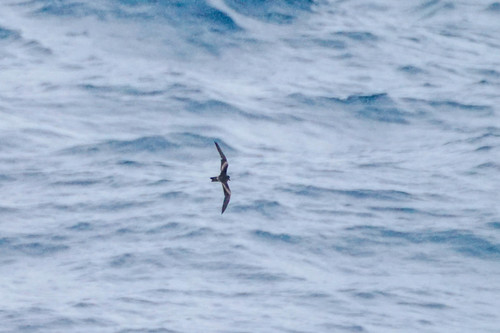
オーストンウミツバメ (Hydrobates tristrami) オーストンウミツバメ
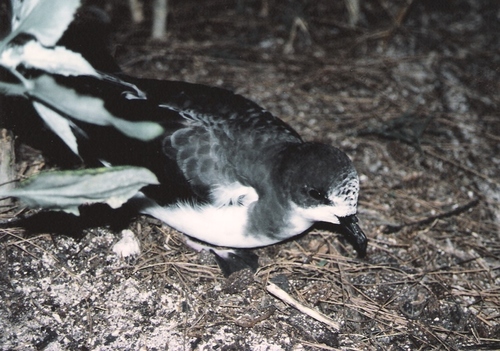
シロハラミズナギドリ (Pterodroma hypoleuca) シロハラミズナギドリ

メディア

読み込み中…

要点

トリストラムウミツバメとシロハラミズナギドリを区別する最も信頼できるフィールドマークは全体の羽毛です:トリストラムは均一に暗く、わずかに淡い尾羽と薄い上翼のバーしか持っていませんが、シロハラミズナギドリは下側と顔が際立って淡く、大胆な黒い帽子、暗い縁のある白い下翼、そして上翼に特徴的な「M」パターンがあります。飛行中、シロハラミズナギドリの対照的な翼と下部のパターンは、すすけた、ほぼ特徴のないトリストラムと対照的で間違いなく識別できます。構造的には、トリストラムは小さく、より角ばった翼を持ち、シロハラミズナギドリはより大きく、太いくちばしを持っています。両種は北西太平洋で一緒に見られることがありますが、特に繁殖島の周辺では、遠くからの視界や照明が悪い場合に混同が最も起こりやすいです。最も迅速に区別するためには、下翼と頭のパターンに注目してください。

識別のコツ

  1. Underwing pattern (all ages): シロハラミズナギドリは暗い縁と暗い手首の斑点を持つ白い下翼を示し、トリストラムウミツバメはわずかに淡いバーしか持たない均一に暗い下翼を持っています—これは飛行中に彼らを区別する最も早い方法です。
  2. Head pattern: シロハラミズナギドリは大胆な黒い帽子と顔の模様を持つ白い顔を持ち、「スケール」状の外観を作り出します;トリストラムウミツバメの頭は均一に暗く、淡いまたは帽子の効果がありません。
  3. Upperwing pattern: シロハラミズナギドリの上翼と背中には、淡い灰色の上部に対して暗い初列と覆羽によって形成された「M」パターンを探してください。トリストラムウミツバメは全体的にすすけており、上翼にはわずかに淡い灰色のバーしかなく、「M」や強いコントラストはありません。
  4. Breast and belly: シロハラミズナギドリは胸に暗い半襟を持つ白い下側を持っています;トリストラムは全体が暗いすすけた茶色で、下部も含まれます。
  5. Rump: トリストラムウミツバメはわずかに淡い尾羽を示すことがありますが、それは微妙で、シロハラミズナギドリの白い下部ほど対照的ではありません。
  6. Bill structure: シロハラミズナギドリは短く、フック状の黒いくちばしを持っています;トリストラムウミツバメのくちばしはより太いですが、明らかにフック状ではありません—これは距離があると微妙です。
  7. Legs and feet: シロハラミズナギドリは暗い斑点のあるピンクの足と足を持ち、着陸時や写真で時々見えることがあります;トリストラムの足の色はフィールドビューでは特に目立ちません。
  8. Flight style: トリストラムウミツバメは長く、角ばった翼でよりフラッターし、浮遊感のある飛行スタイルを持っています;シロハラミズナギドリはより重く、深い翼の打撃とより滑空します。
  9. Size and jizz: シロハラミズナギドリは明らかに大きく、よりがっしりしていますが、これは両種が一緒に見られるときに最もよく判断されます。
  10. Perched/colony views: シロハラミズナギドリの淡い顔と暗い帽子は巣穴の入り口で見られると明らかです;トリストラムは均一に暗く見えます。
  11. Seasonal context: 両種は冬に繁殖し、夜にコロニーに出現するため、タイミングだけでは彼らを区別できません。
  12. Habitat clues: 砂やサンゴにある密な巣穴コロニーはシロハラミズナギドリを示唆しますが、両種は一部の島で重なることがあります。
  13. Common pitfalls: 遠くから見たまたは逆光のシロハラミズナギドリは暗く見えることがありますが、白い下翼のフラッシュはまだ見えるはずです;トリストラムは決して強いコントラストを示しません。
  14. Juvenile confusion: トリストラムウミツバメのどの年齢もシロハラミズナギドリの幼鳥や成鳥の淡い下部や大胆な翼のパターンを示しません。
  15. Lighting: 照明が悪いとシロハラミズナギドリの淡い部分が隠れることがありますが、下翼のパターンは通常、飛行中に診断的です。

大きさ

トリストラムウミツバメは小さく、軽量で、体重は約84g、翼幅は54〜57cmです。シロハラミズナギドリは全体的に大きく、長さ約30cm、翼幅は約67cmに達します。フィールドでは、シロハラミズナギドリはよりがっしりしており、トリストラムはより細長く、特に翼においてそうです。サイズの違いは直接比較で目立ちますが、参照なしでは海上では微妙かもしれません。

羽色

幼鳥と成鳥のシロハラミズナギドリは下側が淡く、白い顔、大胆な黒い帽子、胸に暗い半襟を持っています。彼らの上部は淡い灰色で、背中と翼に大胆な暗い「M」があり、下翼は暗い縁と手首の関節に暗い斑点を持つ白です。対照的に、すべての年齢のトリストラムウミツバメはほぼ完全に暗いすすけた茶色で、わずかに淡い尾羽と上翼にわずかに淡い灰色のバーしかありません。強いコントラストの欠如、特に下翼と顔において、トリストラムの診断的な特徴です。これらの違いは飛行中に最も明らかで、シロハラミズナギドリの白い下部とパターンのある翼がトリストラムの均一な暗さに対して際立っています。

行動

両種は外洋性で、夜にコロニーに出現しますが、シロハラミズナギドリは密で騒がしいコロニーで見られる可能性が高く、砂やサンゴに長い巣穴を掘ることで知られています。トリストラムウミツバメはコロニーではより厳密に夜行性で、より秘密主義的です。飛行中、トリストラムは長く、角ばった翼を持ち、より軽く、浮遊感のある飛行スタイルを示し、シロハラミズナギドリはより重く、より直接的で、深い翼の打撃を持ちます。海上では、シロハラミズナギドリは滑空し、バンキングし、対照的な羽毛を見せることがありますが、トリストラムはよりフラッターし、強いパターンを示す可能性は低いです。

生息環境

両種は北西太平洋の遠隔の島々で繁殖し、北西ハワイ諸島や日本の南の島々を含みます。シロハラミズナギドリは巣穴を掘るために砂やサンゴの基盤を好み、トリストラムウミツバメは同様の地域にコロニーで巣を作りますが、巣穴掘りにあまり依存していません。海上では、両種は外洋性で範囲が重なりますが、シロハラミズナギドリは繁殖シーズン中に繁殖島の近くで見られる可能性が高いです。生息地だけでは診断的ではありませんが、文脈(例:密な巣穴コロニーの存在)はシロハラミズナギドリを示唆するかもしれません。

より良い説明を送る

比較と同じ項目を使ってください。文章はすぐに公開されます。

The most reliable field mark to separate Tristram's Storm-Petrel from Bonin Petrel is overall plumage: Tristram's is uniformly dark with only a slightly paler rump and faint upperwing bar, while Bonin Petrel is strikingly pale below and on the face, with a bold black cap, white underwings with dark edges, and a distinctive 'M' pattern across the upperwings. In flight, Bonin Petrel's contrasting wing and underpart patterns are unmistakable against the sooty, almost featureless Tristram's. Structurally, Tristram's is smaller and more angular-winged, while Bonin Petrel is bulkier with a stubbier bill. Both species may occur together in the northwest Pacific, especially around breeding islands, but confusion is most likely with distant or poorly lit views. Focus on underwing and head pattern for the quickest separation.

  1. Underwing pattern (all ages): Bonin Petrel shows a white underwing with dark edges and a dark carpal patch, while Tristram's Storm-Petrel has uniformly dark underwings with only a faint pale bar—this is the fastest way to separate them in flight.
  2. Head pattern: Bonin Petrel has a white face with a bold black cap and face markings, creating a 'scaled' look; Tristram's Storm-Petrel's head is uniformly dark, lacking any pale or capped effect.
  3. Upperwing pattern: Look for the 'M' pattern across Bonin Petrel's upperwings and back, formed by darker primaries and coverts against paler grey upperparts. Tristram's Storm-Petrel is sooty overall, with only a faint pale grey bar on the upperwing and no 'M' or strong contrast.
  4. Breast and belly: Bonin Petrel is white below with a dark half-collar on the breast; Tristram's is dark sooty brown all over, including the underparts.
  5. Rump: Tristram's Storm-Petrel may show a slightly paler rump, but it is subtle and not as contrasting as the Bonin Petrel's white underparts.
  6. Bill structure: Bonin Petrel has a short, hooked black bill; Tristram's Storm-Petrel's bill is stouter but not as obviously hooked—this is subtle at distance.
  7. Legs and feet: Bonin Petrel has pink legs and feet with dark patches, sometimes visible when landing or in photos; Tristram's leg color is not distinctive in field views.
  8. Flight style: Tristram's Storm-Petrel is more fluttery and buoyant with long, angular wings; Bonin Petrel is heavier, with deeper wingbeats and more gliding.
  9. Size and jizz: Bonin Petrel is noticeably larger and bulkier, but this is best judged when both species are seen together.
  10. Perched/colony views: Bonin Petrel's pale face and dark cap are obvious when seen at burrow entrances; Tristram's appears uniformly dark.
  11. Seasonal context: Both breed in winter and attend colonies at night, so timing alone does not separate them.
  12. Habitat clues: Dense burrow colonies in sand or coral suggest Bonin Petrel, but both species may overlap on some islands.
  13. Common pitfalls: Distant or backlit Bonin Petrels may appear darker, but the white underwing flashes should still be visible; Tristram's never shows strong contrast.
  14. Juvenile confusion: No age of Tristram's Storm-Petrel shows the pale underparts or bold wing pattern of Bonin Petrel juveniles or adults.
  15. Lighting: Poor light can obscure Bonin Petrel's pale areas, but the underwing pattern is usually still diagnostic in flight.

Tristram's Storm-Petrel is smaller and lighter, with a body mass around 84 g and a wingspan of 54–57 cm. Bonin Petrel is larger overall, reaching about 30 cm in length and a wingspan of approximately 67 cm. In the field, Bonin Petrel appears bulkier and more robust, while Tristram's is more slender and elongated, especially in the wings. The difference in size is noticeable in direct comparison, but may be subtle at sea without a reference.

Juvenile and adult Bonin Petrels are pale below, with a white face, black cap, and a dark half-collar on the breast. Their upperparts are pale grey with a bold dark 'M' across the back and wings, and the underwing is white with dark margins and a dark patch at the carpal joint. In contrast, Tristram's Storm-Petrel of all ages is almost entirely dark sooty brown, with only a slightly paler rump and a faint pale grey bar on the upperwing. The lack of strong contrast, especially on the underwing and face, is diagnostic for Tristram's. These differences are most obvious in flight, where Bonin Petrel's white underparts and patterned wings stand out against Tristram's uniform darkness.

Both species are pelagic and attend colonies at night, but Bonin Petrel is more likely to be seen in dense, noisy colonies and is known for digging long burrows in sand or coral. Tristram's Storm-Petrel is more strictly nocturnal at colonies and tends to be more secretive. In flight, Tristram's shows long, angular wings and a lighter, more buoyant flight style, while Bonin Petrel appears heavier and more direct, with deeper wingbeats. At sea, Bonin Petrel may be seen gliding and banking, showing off its contrasting plumage, while Tristram's is more fluttery and less likely to show strong patterning.

Both species breed on remote islands in the northwest Pacific, including the Northwestern Hawaiian Islands and islands south of Japan. Bonin Petrel prefers sandy or coral substrates for burrowing, while Tristram's Storm-Petrel nests colonially in similar areas but is less tied to burrow-digging. At sea, both are pelagic and overlap in range, but Bonin Petrel may be more likely to be seen closer to breeding islands during the nesting season. Habitat alone is not diagnostic, but context (e.g., presence in dense burrow colonies) may hint at Bonin Petrel.

変更を破棄しますか?

保存していない編集があります。今離れると失われます。

オーストンウミツバメ · シロハラミズナギドリ · 苦手な鳥