

Tristram's Storm-Petrel vs Bonin Petrel
Hydrobates tristrami contro Pterodroma hypoleuca
Fai un quiz con Tristram's Storm-Petrel e Bonin Petrel
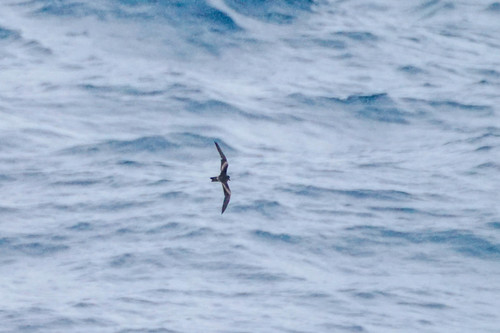 Tristram's Storm-Petrel
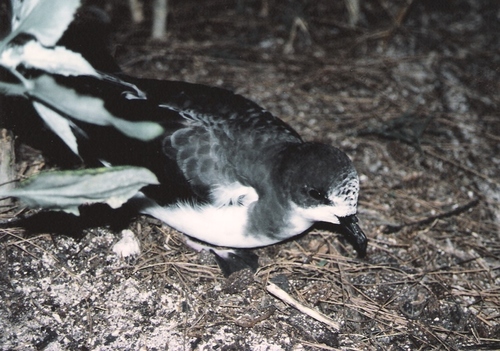 Bonin Petrel
In breve
Il segno distintivo più affidabile per separare il Tristram's Storm-Petrel dal Bonin Petrel è il piumaggio complessivo: il Tristram's è uniformemente scuro con solo un sottocoda leggermente più chiaro e una debole barra alare superiore, mentre il Bonin Petrel è notevolmente chiaro sotto e sul viso, con un audace cappello nero, ali inferiori bianche con bordi scuri e un distintivo motivo a 'M' sulle ali superiori. In volo, i motivi contrastanti delle ali e delle parti inferiori del Bonin Petrel sono inconfondibili contro il Tristram's, quasi privo di caratteristiche. Strutturalmente, il Tristram's è più piccolo e ha ali più angolari, mentre il Bonin Petrel è più robusto con un becco più tozzo. Entrambe le specie possono verificarsi insieme nel Pacifico nord-ovest, specialmente intorno alle isole di riproduzione, ma la confusione è più probabile con viste distanti o scarsamente illuminate. Concentrati sul motivo delle ali inferiori e della testa per la separazione più rapida.
Consigli di identificazione
- Motivo delle ali inferiori (tutte le età): Il Bonin Petrel mostra un'ala inferiore bianca con bordi scuri e una macchia carpale scura, mentre il Tristram's Storm-Petrel ha ali inferiori uniformemente scure con solo una debole barra chiara—questo è il modo più veloce per separarli in volo.
- Motivo della testa: Il Bonin Petrel ha un viso bianco con un audace cappello nero e segni sul viso, creando un aspetto 'squamoso'; la testa del Tristram's Storm-Petrel è uniformemente scura, priva di qualsiasi effetto chiaro o cappellato.
- Motivo delle ali superiori: Cerca il motivo a 'M' sulle ali superiori e sulla schiena del Bonin Petrel, formato da primarie e copritrici più scure contro parti superiori grigie più chiare. Il Tristram's Storm-Petrel è complessivamente scuro, con solo una debole barra grigia chiara sull'ala superiore e senza 'M' o forte contrasto.
- Petto e ventre: Il Bonin Petrel è bianco sotto con un mezzo collare scuro sul petto; il Tristram's è di un marrone scuro e fuligginoso ovunque, comprese le parti inferiori.
- Sottocoda: Il Tristram's Storm-Petrel può mostrare un sottocoda leggermente più chiaro, ma è sottile e non così contrastante come le parti inferiori bianche del Bonin Petrel.
- Struttura del becco: Il Bonin Petrel ha un becco nero corto e ricurvo; il becco del Tristram's Storm-Petrel è più robusto ma non così evidentemente ricurvo—questo è sottile a distanza.
- Zampe e piedi: Il Bonin Petrel ha zampe e piedi rosa con macchie scure, a volte visibili quando atterra o in foto; il colore delle zampe del Tristram's non è distintivo nelle viste di campo.
- Stile di volo: Il Tristram's Storm-Petrel è più fluttuante e galleggiante con ali lunghe e angolari; il Bonin Petrel è più pesante, con battiti d'ali più profondi e più planate.
- Dimensioni e impressione: Il Bonin Petrel è notevolmente più grande e robusto, ma questo è meglio giudicato quando entrambe le specie sono viste insieme.
- Viste in perching/colonia: Il viso chiaro e il cappello scuro del Bonin Petrel sono evidenti quando visti all'ingresso delle tane; il Tristram's appare uniformemente scuro.
- Contesto stagionale: Entrambi si riproducono in inverno e frequentano le colonie di notte, quindi il solo tempismo non li separa.
- Indizi sull'habitat: Colonie di tane dense in sabbia o corallo suggeriscono il Bonin Petrel, ma entrambe le specie possono sovrapporsi su alcune isole.
- Trappole comuni: Bonin Petrels distanti o retroilluminati possono apparire più scuri, ma i lampi bianchi delle ali inferiori dovrebbero comunque essere visibili; il Tristram's non mostra mai un forte contrasto.
- Confusione giovanile: Nessuna età del Tristram's Storm-Petrel mostra le parti inferiori chiare o il forte motivo delle ali dei giovani o adulti Bonin Petrel.
- Illuminazione: Una scarsa illuminazione può oscurare le aree chiare del Bonin Petrel, ma il motivo delle ali inferiori è solitamente ancora diagnostico in volo.
Taglia
Il Tristram's Storm-Petrel è più piccolo e leggero, con una massa corporea di circa 84 g e un'apertura alare di 54–57 cm. Il Bonin Petrel è più grande nel complesso, raggiungendo circa 30 cm di lunghezza e un'apertura alare di circa 67 cm. Sul campo, il Bonin Petrel appare più robusto e massiccio, mentre il Tristram's è più snello ed allungato, specialmente nelle ali. La differenza di dimensioni è evidente nel confronto diretto, ma può essere sottile in mare senza un riferimento.
Piumaggio
I giovani e gli adulti Bonin Petrel sono chiari sotto, con un viso bianco, cappello nero e un mezzo collare scuro sul petto. Le loro parti superiori sono grigie chiare con un audace 'M' scuro sulla schiena e sulle ali, e l'ala inferiore è bianca con margini scuri e una macchia scura all'articolazione carpale. Al contrario, il Tristram's Storm-Petrel di tutte le età è quasi interamente di un marrone scuro e fuligginoso, con solo un sottocoda leggermente più chiaro e una debole barra grigia chiara sull'ala superiore. La mancanza di forte contrasto, specialmente sulle ali inferiori e sul viso, è diagnostica per il Tristram's. Queste differenze sono più evidenti in volo, dove le parti inferiori bianche del Bonin Petrel e le ali a motivo si stagliano contro l'oscurità uniforme del Tristram's.
Comportamento
Entrambe le specie sono pelagiche e frequentano le colonie di notte, ma il Bonin Petrel è più probabile che venga visto in colonie dense e rumorose ed è noto per scavare lunghe tane nella sabbia o nel corallo. Il Tristram's Storm-Petrel è più strettamente notturno nelle colonie e tende a essere più riservato. In volo, il Tristram's mostra ali lunghe e angolari e uno stile di volo più leggero e galleggiante, mentre il Bonin Petrel appare più pesante e diretto, con battiti d'ali più profondi. In mare, il Bonin Petrel può essere visto planare e virare, mostrando il suo piumaggio contrastante, mentre il Tristram's è più fluttuante e meno probabile che mostri un forte motivo.
Habitat
Entrambe le specie si riproducono su isole remote nel Pacifico nord-ovest, comprese le Isole Hawaii nord-occidentali e le isole a sud del Giappone. Il Bonin Petrel preferisce substrati sabbiosi o corallini per scavare tane, mentre il Tristram's Storm-Petrel nidifica colonialmente in aree simili ma è meno legato allo scavo di tane. In mare, entrambe sono pelagiche e sovrappongono il loro areale, ma il Bonin Petrel potrebbe essere più probabile da vedere più vicino alle isole di riproduzione durante la stagione di nidificazione. L'habitat da solo non è diagnostico, ma il contesto (ad es., presenza in colonie di tane dense) può suggerire il Bonin Petrel.
Tristram's Storm-Petrel · Bonin Petrel · I miei uccelli difficili