

Motmot

Tristan Albatross 対 Antipodean Albatross

Diomedea dabbenena 対 Diomedea antipodensis

Tristan AlbatrossとAntipodean Albatrossのクイズ
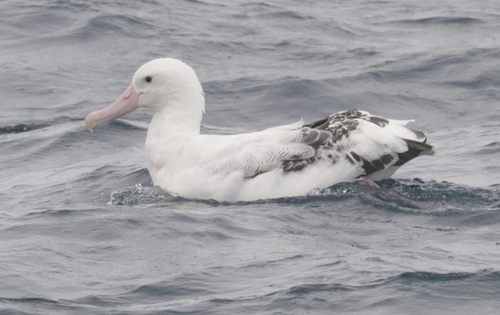
Tristan Albatross (Diomedea dabbenena) Tristan Albatross
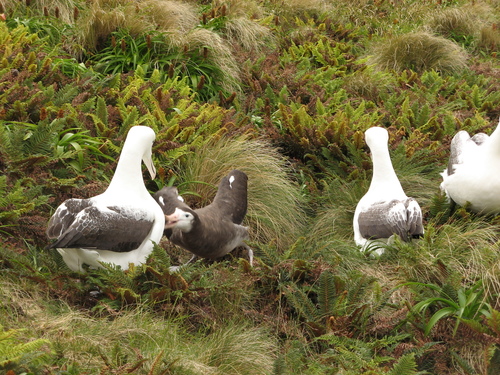
Antipodean Albatross (Diomedea antipodensis) Antipodean Albatross

メディア

読み込み中…

要点

トリスタン・アルバトロスとアンティポディアン・アルバトロスの最も信頼できるフィールドマークは、特に繁殖期と未成熟の羽毛における上面の全体的な暗さと模様です。特に雌と未成熟のアンティポディアン・アルバトロスは、白い渦巻模様と茶色の胸帯を持つ明らかに茶色がかった上面を示しますが、トリスタン・アルバトロスは雪白のアルバトロスよりもわずかに暗い背中を持っていますが、アンティポディアンほど茶色くはありません。両者は大きく、淡い大アルバトロスですが、アンティポディアンは一般的に茶色がかっており、全体的に白が少なく、トリスタンは雪白のアルバトロスの完全な白には達しません。くちばしの色と模様は役立つことがありますが、微妙で海上ではしばしば信頼できません。未成熟や非繁殖の鳥では分離が最も難しいため、上面の色と翼の下の模様に注意を払うことが重要です。

識別のコツ

  1. Upperpart color (all ages): アンティポディアン・アルバトロス、特に雌と未成熟は、白い渦巻模様を持つ明らかに茶色がかった上面を示します; トリスタンは決してこれほど茶色くはなく、上面はくすんで見えます。
  2. Breast band (adult female Antipodean): 成熟した雌のアンティポディアンに暗い茶色の胸帯を探してください; トリスタンにはこの特徴がありません。
  3. Back vermiculations (Antipodean): アンティポディアンの茶色の背中に細かい白い渦巻模様があり、トリスタンにはありません。
  4. Cap, tail, and humeral flexure (male Antipodean): 繁殖中の雄のアンティポディアンは、トリスタンよりも暗い帽子、尾、上腕屈曲を持っています。
  5. Underwing pattern: 両者は暗い先端を持つ白い翼の下を持っていますが、これは彼らの間で強く診断的ではありません; 代わりに上面に焦点を当ててください。
  6. Bill color and pattern: 両者はピンクのくちばしを持っていますが、いくつかのアンティポディアン(特に未成熟/雌)は下顎の先端がくすんで見え、時には上顎の切断エッジが暗くなります。トリスタンのくちばしは雪白のアルバトロスよりも短いですが、フィールドでアンティポディアンと直接比較した場合、信頼できる違いではありません。
  7. Overall whiteness (adults): トリスタンは雪白のアルバトロスの完全な白には達しませんが、ほとんどのアンティポディアンよりも白く、アンティポディアンは成鳥になっても茶色がかっています。
  8. Immature confusion: 両種の未成熟は若い雪白のアルバトロスに似ていますが、アンティポディアンは茶色がかっており、模様が多いです; トリスタンは雪白よりも単純で白が少なく、アンティポディアンほど茶色くはありません。
  9. Sex differences (Antipodean): 雌は胸帯があり茶色がかっています; 雄は白いですが、雪白やトリスタンほど白くはありません。
  10. Size and structure: 両者は巨大で長い翼を持つアルバトロスで、比例は似ています; サイズは信頼できる分離要因ではありません。
  11. Flight style: 両者は最小限の羽ばたきで滑空します; 行動の違いは観察されていません。
  12. Habitat/context: 繁殖島の近くにいる場合にのみ役立ちます(トリスタン: ゴフ; アンティポディアン: アンティポディーズ/キャンベル)、そうでなければ海上では診断的ではありません。
  13. Do not rely on voice: 海上では有用な音声の違いは観察されていません。
  14. Pitfall – snowy albatross confusion: 両者は雪白のアルバトロスと混同される可能性がありますが、雪白はより白いです; トリスタンとアンティポディアンの間では、アンティポディアンのために茶色のトーンと胸帯に焦点を当ててください。
  15. Lighting pitfalls: アンティポディアンのくちばしの模様(くすんだ先端/エッジ)は強い逆光によって誇張される可能性があります; 注意して使用し、羽毛で確認してください。

大きさ

両種は最も大きなアルバトロスの中にあり、体長は似ています(約110 cm/43 in)。トリスタン・アルバトロスは雪白のアルバトロスよりもわずかに小さいですが、アンティポディアン・アルバトロスと同じサイズです。フィールドでのトリスタンとアンティポディアンの間に強いサイズの違いはなく、両者は巨大な翼幅を持っています(トリスタンは最大3.05 m/10 ft)。くちばしの長さは微妙な違いです: トリスタンのくちばしは雪白のアルバトロスより約25 mm短いですが、トリスタンとアンティポディアンを直接比較する際には信頼できるフィールドマークではありません。全体的に、サイズはこれら二つの間で実用的な分離要因ではありません。

羽色

両種の幼鳥と未成熟は混乱を招く可能性がありますが、両者は若い雪白のアルバトロスに似ています。しかし、特に雌と未成熟のアンティポディアン・アルバトロスは、背中に白い渦巻模様を持ち、茶色の胸帯(雌)、暗い帽子、尾、上腕屈曲(雄)を持つ明らかに茶色がかった上面を示します。彼らの翼の下は暗い先端を持つ白です。トリスタン・アルバトロスは雪白のアルバトロスよりもわずかに暗い背中を持っていますが、アンティポディアンほど茶色くはありません; 彼らは雪白のアルバトロスの完全な白い成鳥の羽毛を発達させず、常に上面はややくすんで見えますが、アンティポディアンの強い茶色のトーンと渦巻模様は欠けています。くちばしの模様は役立つことがあります: 一部のアンティポディアン、特に未成熟と雌は下顎の先端がくすんで見え、時には上顎の切断エッジが暗くなりますが、両種はピンクのくちばしを持っています。要約すると、アンティポディアンは上面が茶色がかっており、特に雌と未成熟で模様が多いのに対し、トリスタンは雪白のアルバトロスよりも単純で白が少なく、アンティポディアンほど茶色くはありません。

行動

両種は古典的な大アルバトロスであり、硬くわずかに弓なりの翼で滑空し、強風や離陸時を除いてはめったに羽ばたきません。フィールドでトリスタンとアンティポディアンを信頼できるように分離する行動の違いは観察されていません。

生息環境

両種は外洋性で広大な海洋範囲を占めており、トリスタン・アルバトロスはゴフ島で繁殖し、アンティポディアン・アルバトロスはアンティポディーズとキャンベル島で繁殖します。海上では、彼らの範囲は大きく重ならないが、迷子は可能です。生息地は、知られた繁殖島の近くでない限り、信頼できる分離要因ではありません。

より良い説明を送る

比較と同じ項目を使ってください。文章はすぐに公開されます。

The most reliable field mark between Tristan Albatross and Antipodean Albatross is the overall darkness and patterning of the upperparts, especially in breeding and immature plumages. Antipodean Albatrosses, especially females and immatures, show distinctly browner upperparts with white vermiculations and a brown breast band, while Tristan Albatrosses are slightly darker-backed than snowy albatrosses but never as brown as Antipodeans. Both are large, pale great albatrosses, but Antipodean is generally browner and less white overall, and Tristan never achieves the full white of snowy albatrosses. Bill color and pattern can help, but is subtle and often unreliable at sea. Separation is most difficult in immatures and non-breeding birds, so careful attention to upperpart color and underwing pattern is essential.

  1. Upperpart color (all ages): Antipodean Albatross, especially females and immatures, shows distinctly browner upperparts with white vermiculations; Tristan is never as brown, appearing dusky but plainer above.
  2. Breast band (adult female Antipodean): Look for a dark brown breast band on adult female Antipodean; Tristan lacks this feature.
  3. Back vermiculations (Antipodean): Fine white vermiculations on the brown back of Antipodean are absent in Tristan.
  4. Cap, tail, and humeral flexure (male Antipodean): Breeding male Antipodean has a darker cap, tail, and humeral flexure than Tristan.
  5. Underwing pattern: Both have white underwings with a dark tip, but this is not strongly diagnostic between them; focus on upperparts instead.
  6. Bill color and pattern: Both have pink bills, but some Antipodean (especially immatures/females) show a dusky tip to the lower mandible and sometimes a dark cutting edge to the upper mandible. Tristan's bill is shorter than snowy albatross, but not reliably different from Antipodean in the field.
  7. Overall whiteness (adults): Tristan never attains the full white of snowy albatross, but is still whiter than most Antipodean, which remain browner even as adults.
  8. Immature confusion: Both species' immatures resemble young snowy albatrosses, but Antipodean is browner and more patterned; Tristan is plainer and less white than snowy, but not as brown as Antipodean.
  9. Sex differences (Antipodean): Females are browner with breast band; males are whiter but still not as white as snowy or Tristan.
  10. Size and structure: Both are huge, long-winged albatrosses with similar proportions; size is not a reliable separator.
  11. Flight style: Both soar with minimal flapping; no behavioral difference noted.
  12. Habitat/context: Only helpful if near breeding islands (Tristan: Gough; Antipodean: Antipodes/Campbell), otherwise not diagnostic at sea.
  13. Do not rely on voice: No vocal differences are noted or useful at sea.
  14. Pitfall – snowy albatross confusion: Both can be confused with snowy albatross, but snowy is whiter; between Tristan and Antipodean, focus on brown tones and breast band for Antipodean.
  15. Lighting pitfalls: Bill pattern (dusky tip/edge) on Antipodean can be exaggerated by strong backlighting; use with caution and confirm with plumage.

Both species are among the largest albatrosses, with similar body lengths (about 110 cm/43 in). Tristan Albatross is slightly smaller than the snowy albatross but similar in size to Antipodean Albatross. There is no strong size difference between Tristan and Antipodean in the field, and both have massive wingspans (Tristan up to 3.05 m/10 ft). Bill length is a subtle difference: Tristan's bill is about 25 mm shorter than snowy albatross, but this is not a reliable field mark when comparing Tristan and Antipodean directly. Overall, size is not a practical separator between these two.

Juveniles and immatures of both species can be confusing, as both resemble young snowy albatrosses. However, Antipodean Albatrosses, especially females and immatures, are noticeably browner above, with white vermiculations on the back, a brown breast band (females), and a darker cap, tail, and humeral flexure (males). Their underwings are white with a dark tip. Tristan Albatrosses are slightly darker-backed than snowy albatrosses but never as brown as Antipodean; they do not develop the full white adult plumage of snowy albatross, so always appear somewhat dusky above, but lack the strong brown tones and vermiculations of Antipodean. Bill pattern can help: some Antipodean, especially immatures and females, show a dusky tip to the lower mandible and sometimes a dark cutting edge to the upper mandible, but both species have pink bills. In summary, Antipodean is browner and more patterned above, especially in females and immatures, while Tristan is plainer and less white than snowy albatross but not as brown as Antipodean.

Both species are classic great albatrosses, soaring with stiff, slightly arched wings and rarely flapping except in strong winds or when taking off. No behavioral differences are noted in the sources that would reliably separate Tristan from Antipodean in the field.

Both species are pelagic and occupy vast oceanic ranges, with Tristan Albatross breeding on Gough Island and Antipodean Albatross breeding on the Antipodes and Campbell Islands. At sea, their ranges do not overlap significantly, but vagrants are possible. Habitat is not a reliable separator unless you are near a known breeding island.

変更を破棄しますか?

保存していない編集があります。今離れると失われます。

Tristan Albatross · Antipodean Albatross · 苦手な鳥