

Tristan Albatross vs Antipodean Albatross
Diomedea dabbenena contro Diomedea antipodensis
Fai un quiz con Tristan Albatross e Antipodean Albatross
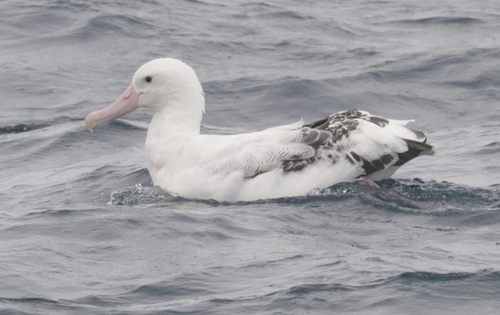 Tristan Albatross
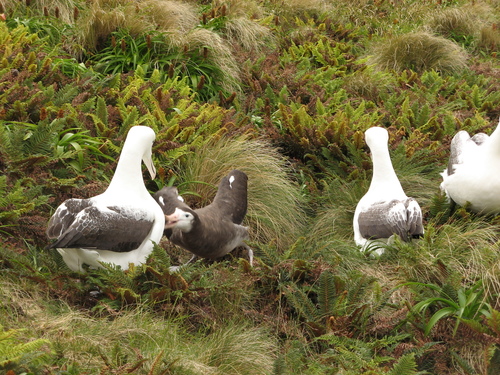 Antipodean Albatross
In breve
Il segno di campo più affidabile tra il Tristan Albatross e l'Antipodean Albatross è l'oscurità complessiva e il motivo delle parti superiori, specialmente nelle piume di riproduzione e immature. Gli Antipodean Albatross, specialmente le femmine e gli immaturi, mostrano parti superiori visibilmente più marroni con vermicolazioni bianche e una banda petto marrone, mentre i Tristan Albatross sono leggermente più scuri rispetto ai snowy albatross ma mai così marroni come gli Antipodean. Entrambi sono grandi, pallidi grandi albatross, ma l'Antipodean è generalmente più marrone e meno bianco nel complesso, e il Tristan non raggiunge mai il bianco completo dei snowy albatross. Il colore e il motivo del becco possono aiutare, ma sono sottili e spesso inaffidabili in mare. La separazione è più difficile negli immaturi e negli uccelli non in riproduzione, quindi è essenziale prestare attenzione al colore delle parti superiori e al motivo delle ali inferiori.
Consigli di identificazione
- Upperpart color (all ages): L'Antipodean Albatross, specialmente le femmine e gli immaturi, mostra parti superiori visibilmente più marroni con vermicolazioni bianche; il Tristan non è mai così marrone, apparendo scuro ma più semplice sopra.
- Breast band (adult female Antipodean): Cerca una banda petto marrone scuro sulla femmina adulta di Antipodean; il Tristan manca di questa caratteristica.
- Back vermiculations (Antipodean): Le fini vermicolazioni bianche sulla schiena marrone dell'Antipodean sono assenti nel Tristan.
- Cap, tail, and humeral flexure (male Antipodean): Il maschio in riproduzione dell'Antipodean ha un cappello, una coda e una flessione umerale più scuri rispetto al Tristan.
- Underwing pattern: Entrambi hanno ali inferiori bianche con una punta scura, ma questo non è fortemente diagnostico tra di loro; concentrati invece sulle parti superiori.
- Bill color and pattern: Entrambi hanno becchi rosa, ma alcuni Antipodean (soprattutto immaturi/femmine) mostrano una punta scura sulla mandibola inferiore e talvolta un bordo di taglio scuro sulla mandibola superiore. Il becco del Tristan è più corto rispetto ai snowy albatross, ma non è affidabilmente diverso dall'Antipodean sul campo.
- Overall whiteness (adults): Il Tristan non raggiunge mai il bianco completo dei snowy albatross, ma è comunque più bianco della maggior parte degli Antipodean, che rimangono più marroni anche da adulti.
- Immature confusion: Gli immaturi di entrambe le specie assomigliano ai giovani snowy albatross, ma l'Antipodean è più marrone e più motivo; il Tristan è più semplice e meno bianco rispetto ai snowy, ma non così marrone come l'Antipodean.
- Sex differences (Antipodean): Le femmine sono più marroni con banda petto; i maschi sono più bianchi ma comunque non così bianchi come i snowy o il Tristan.
- Size and structure: Entrambi sono enormi, albatross con ali lunghe con proporzioni simili; la dimensione non è un separatore affidabile.
- Flight style: Entrambi planano con un battito minimo; non sono state notate differenze comportamentali.
- Habitat/context: Utile solo se vicino a isole di riproduzione (Tristan: Gough; Antipodean: Antipodes/Campbell), altrimenti non diagnostico in mare.
- Do not rely on voice: Non sono state notate differenze vocali utili in mare.
- Pitfall – snowy albatross confusion: Entrambi possono essere confusi con i snowy albatross, ma i snowy sono più bianchi; tra il Tristan e l'Antipodean, concentrati sui toni marroni e sulla banda petto per l'Antipodean.
- Lighting pitfalls: Il motivo del becco (punta/bordo scuro) sull'Antipodean può essere esagerato da una forte retroilluminazione; usa con cautela e conferma con le piume.
Taglia
Entrambe le specie sono tra i più grandi albatross, con lunghezze corporee simili (circa 110 cm/43 in). Il Tristan Albatross è leggermente più piccolo dello snowy albatross ma simile in dimensioni all'Antipodean Albatross. Non c'è una forte differenza di dimensioni tra Tristan e Antipodean sul campo, e entrambi hanno aperture alari massicce (Tristan fino a 3.05 m/10 ft). La lunghezza del becco è una differenza sottile: il becco del Tristan è circa 25 mm più corto dello snowy albatross, ma questo non è un segno di campo affidabile quando si confrontano direttamente Tristan e Antipodean. Nel complesso, la dimensione non è un separatore pratico tra questi due.
Piumaggio
I giovani e gli immaturi di entrambe le specie possono essere confusi, poiché entrambi assomigliano ai giovani snowy albatross. Tuttavia, gli Antipodean Albatross, specialmente le femmine e gli immaturi, sono visibilmente più marroni sopra, con vermicolazioni bianche sulla schiena, una banda petto marrone (femmine), e un cappello, una coda e una flessione umerale più scuri (maschi). Le loro ali inferiori sono bianche con una punta scura. I Tristan Albatross sono leggermente più scuri rispetto ai snowy albatross ma mai così marroni come l'Antipodean; non sviluppano il piumaggio adulto completamente bianco dei snowy albatross, quindi appaiono sempre un po' scuri sopra, ma mancano dei forti toni marroni e delle vermicolazioni dell'Antipodean. Il motivo del becco può aiutare: alcuni Antipodean, specialmente immaturi e femmine, mostrano una punta scura sulla mandibola inferiore e talvolta un bordo di taglio scuro sulla mandibola superiore, ma entrambe le specie hanno becchi rosa. In sintesi, l'Antipodean è più marrone e più motivo sopra, specialmente nelle femmine e negli immaturi, mentre il Tristan è più semplice e meno bianco rispetto ai snowy albatross ma non così marrone come l'Antipodean.
Comportamento
Entrambe le specie sono classici grandi albatross, planando con ali rigide e leggermente arcuate e raramente battendo le ali tranne che in caso di forti venti o durante il decollo. Non sono state notate differenze comportamentali nelle fonti che separerebbero affidabilmente il Tristan dall'Antipodean sul campo.
Habitat
Entrambe le specie sono pelagiche e occupano vaste aree oceaniche, con il Tristan Albatross che nidifica sull'isola di Gough e l'Antipodean Albatross che nidifica sulle isole Antipodes e Campbell. In mare, i loro territori non si sovrappongono significativamente, ma sono possibili vagabondi. L'habitat non è un separatore affidabile a meno che tu non sia vicino a un'isola di riproduzione conosciuta.
Tristan Albatross · Antipodean Albatross · I miei uccelli difficili