

Motmot

ソリハシシギ 対 クサシギ

Xenus cinereus 対 Tringa ochropus

ソリハシシギとクサシギのクイズ
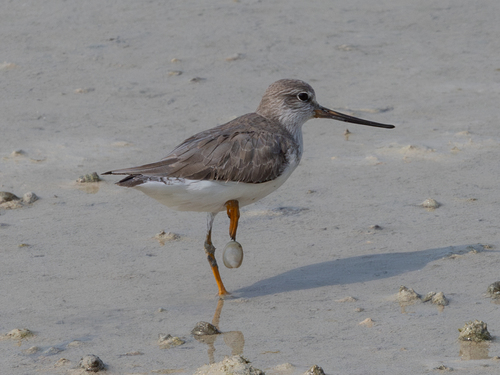
ソリハシシギ (Xenus cinereus) ソリハシシギ
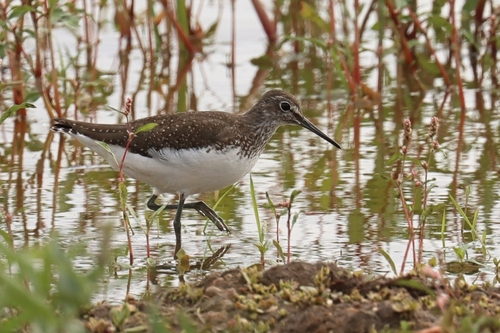
クサシギ (Tringa ochropus) クサシギ

メディア

読み込み中…

要点

ソリハシシギとクサシギを区別する最も信頼できる方法は、くちばしの形と飛行パターンです:ソリハシシギは長く、明確に上向きに曲がったくちばしを持ち、平坦な灰色の背中と翼を示します。一方、クサシギはまっすぐで短い暗いくちばしを持ち、飛行中に目を引く白い尾羽と暗い翼を持っています。幼鳥や非繁殖期のクサシギは、上面の斑点が少ないことが多いですが、常に白い尾羽を保持しており、これはソリハシシギにはありません。ソリハシシギの黄色い脚と活発で走り回る採餌スタイルは、クサシギの暗い脚とより慎重な動きと対照的です。両種は遠くから見ると似ていることがありますが、これらの特徴に注意を払うことで、ほとんどの混乱を解消できます。

識別のコツ

  1. Bill shape: ソリハシシギは長く、明確に上向きに曲がったくちばしを持っています(小さなアボセットのように)、一方、クサシギのくちばしは短く、まっすぐで暗いです。これはほとんどの角度と距離で見ることができます。
  2. Flight pattern (all ages): クサシギは飛行中に目を引く白い尾羽と暗い翼を示します。ソリハシシギは白い尾羽がなく、平坦な灰色の上翼と背中を持っています。
  3. Leg color: ソリハシシギの脚は黄色です;クサシギの脚は暗い緑です。これは鳥が立っているときや水に浸かっているときに最もよく見えます。
  4. Facial pattern: ソリハシシギはしばしば白い眉斑を示します(時々薄い)、一方、クサシギはより平坦な顔を持っています。
  5. Back and wing spotting: クサシギは背中に白い斑点があります(繁殖期の成鳥で最も明らかで、非繁殖期や幼鳥では減少します)、一方、ソリハシシギはすべての羽衣で平坦な灰色です。
  6. Breast and underparts: 両者は白い腹部を持っていますが、ソリハシシギの胸は灰色で、白い腹部に溶け込んでいます;クサシギの胸は灰色がかっていますが、通常は白い腹部からより明確に区別されます。
  7. Bill color: ソリハシシギのくちばしは基部が黄色がかっており、先端に向かって黒くなります;クサシギのくちばしは均一に暗いです。
  8. Structure and jizz: ソリハシシギはより細長く、脚とくちばしが長く、しばしばより直立して立っています;クサシギはよりコンパクトでふっくらしています。
  9. Feeding behavior: ソリハシシギは非常に活発で、獲物を追いかけたり、走り回ったりし、時々食べ物を洗います;クサシギはより慎重で、あまり慌ただしくありません。
  10. Habitat: ソリハシシギは開けた干潟や河口、特に沿岸を好みます;クサシギは淡水の池、湿地、川岸にいることが多いです。
  11. Associations: ソリハシシギはしばしば他の小型の水鳥やシギと混ざります;クサシギはより孤立しているか、緩くグループ化されています。
  12. Vocalizations: ソリハシシギの高い口笛と、クサシギの飛行中の三音のフルートのような鳴き声を聞いてください。
  13. Seasonal variation: クサシギの背中の斑点は繁殖期の成鳥で最も目立ち、冬や幼鳥では減少しますが、白い尾羽は常に存在します。
  14. Pitfalls: 遠くから見ると、両者はサイズや一般的な形が似ていることがあります;常にくちばしの形と飛行中の尾羽のパターンを確認してください。
  15. Sex and age: 両種に強い性差はありません;クサシギの年齢差は主に背中の斑点に影響を与え、尾羽のパターンには影響しません。

大きさ

クサシギはわずかに重く(体重約80g [wikidata])、ソリハシシギは少し長い(22–25 cm [wikipedia])ですが、現場ではサイズの違いは微妙で、信頼できる区別にはなりません。両者は小型のシギで、ソリハシシギはくちばしと脚が長いため、少し細長く見え、クサシギはよりコンパクトでふっくらしています。

羽色

年齢に関連する羽衣の主な違いは飛行中にあります:すべての年齢のクサシギは、目を引く白い尾羽と暗い翼を上面と下面で示し、非常に目立ち、診断的です。幼鳥や非繁殖期のクサシギは繁殖期の成鳥よりも背中の白い斑点が少なくなりますが、白い尾羽は明らかに残ります。ソリハシシギは、年齢や季節に関係なく、白い尾羽がなく、代わりに均一な灰色の背中、顔、胸と白い腹部を示します。地面では、クサシギは変動する白い斑点を持つ暗い緑がかった茶色の背中を持ち(繁殖期の成鳥で最大)、ソリハシシギは上面がより平坦な灰色です。ソリハシシギの白い眉斑は変動することがありますが、通常は存在し、クサシギはあまり明確な顔のパターンを持っていません。脚の色も手がかりの一つです:ソリハシシギの脚は黄色、クサシギの脚は暗い緑です。くちばしの色も異なります:ソリハシシギのくちばしは基部が黄色がかっており、クサシギのくちばしは均一に暗いです。

行動

ソリハシシギは特に活発で、獲物を追いかけたり、水辺を走ったりし、時々捕まえたものを洗います。クサシギはより慎重で、浅い水や泥の縁で突いたり、つまんだりして餌を取ります。ソリハシシギはしばしば他の小型の水鳥やシギと一緒にいることが多いですが、クサシギはより孤立しているか、緩いグループにいます。飛行中、ソリハシシギはより細長く、速く見えますが、クサシギの飛行は直接的で白い尾羽を示します。

生息環境

両種は泥や湿った生息地を好みますが、ソリハシシギは開けた干潟、河口、沿岸地域でより頻繁に見られ、特に渡りや冬の間にそうです。クサシギは池、湿地、川の縁などの淡水の生息地を好み、開けた沿岸の干潟で見られることは少ないです。繁殖期には、クサシギは水の近くの木に巣を作りますが、ソリハシシギは水の近くの地面に巣を作ります。

声

ソリハシシギは高い口笛を出しますが、クサシギは飛行中に特徴的な三音の口笛を持っています。両者の鳴き声はかなり異なり、ソリハシシギのものはより鋭く、クサシギのものはよりフルートのようです。鳴き声は、よく聞こえれば役立ちますが、遠くからは必ずしも診断的ではありません。

より良い説明を送る

比較と同じ項目を使ってください。文章はすぐに公開されます。

The most reliable way to separate Terek Sandpiper from Green Sandpiper is by bill shape and flight pattern: Terek Sandpiper has a long, distinctly upcurved bill and shows a plain grey back and wings, while Green Sandpiper has a straight, short dark bill and a striking white rump and dark wings in flight. Juvenile and non-breeding Green Sandpipers often show less spotting above, but always retain the white rump, which is absent in Terek. Terek Sandpiper's yellow legs and active, running feeding style also contrast with the Green Sandpiper's darker legs and more deliberate movements. Both species can appear similar at a distance, but careful attention to these features will resolve most confusion.

  1. Bill shape: Terek Sandpiper has a long, distinctly upcurved bill (like a small avocet), while Green Sandpiper's bill is short, straight, and dark. This is visible at most angles and distances.
  2. Flight pattern (all ages): Green Sandpiper shows a brilliant white rump and dark wings above and below in flight. Terek Sandpiper lacks a white rump and has a plain grey upperwing and back.
  3. Leg color: Terek Sandpiper's legs are yellow; Green Sandpiper's are dark green. This is best seen when birds are standing or wading.
  4. Facial pattern: Terek often shows a white supercilium (eyebrow), sometimes faint, while Green Sandpiper has a plainer face.
  5. Back and wing spotting: Green Sandpiper has white spots on the back (most obvious in breeding adults, reduced in non-breeding and juveniles), while Terek is plain grey above in all plumages.
  6. Breast and underparts: Both have white underparts, but Terek's breast is grey, blending into the white belly; Green Sandpiper's breast is greyish but usually more sharply demarcated from the white belly.
  7. Bill color: Terek's bill is yellowish at the base, black towards the tip; Green's is uniformly dark.
  8. Structure and jizz: Terek appears more elongated with longer legs and bill, often stands more upright; Green Sandpiper is more compact and plump.
  9. Feeding behavior: Terek is very active, running and chasing prey, sometimes washing food; Green is more deliberate and less frenetic.
  10. Habitat: Terek prefers open mudflats and estuaries, especially coastal; Green is more often at freshwater pools, marshes, and riverbanks.
  11. Associations: Terek often mixes with other small waders and plovers; Green is more solitary or loosely grouped.
  12. Vocalizations: Listen for Terek's high whistle versus Green's three-note fluting call, especially in flight.
  13. Seasonal variation: Green Sandpiper's back spots are most prominent in breeding adults, reduced in winter and juveniles, but white rump is always present.
  14. Pitfalls: At a distance, both can look similar in size and general shape; always check bill shape and flight rump pattern for confirmation.
  15. Sex and age: No strong sexual dimorphism in either species; age differences in Green Sandpiper mainly affect back spotting, not rump pattern.

Green Sandpiper is slightly heavier (body mass ~80g [wikidata]), while Terek Sandpiper is a bit longer (22–25 cm [wikipedia]), but in the field, size difference is subtle and not a reliable separator. Both are small waders, with Terek appearing a bit more elongated due to its longer bill and legs, while Green Sandpiper is more compact and plump.

The key age-related plumage difference is in flight: Green Sandpiper of all ages shows a brilliant white rump and dark wings above and below, which is highly conspicuous and diagnostic. Juvenile and non-breeding Green Sandpipers have less white spotting on the back than breeding adults, but the white rump remains obvious. Terek Sandpiper, regardless of age or season, lacks a white rump and instead shows a uniform grey back, face, and breast with a white belly. On the ground, Green Sandpiper has a dark greenish-brown back with variable white spots (maximal in breeding adults), while Terek Sandpiper is plainer grey above. Terek's white supercilium can be variable but is usually present, while Green Sandpiper has a less distinct facial pattern. Leg color is another clue: Terek's legs are yellow, Green's are dark green. Bill color also differs: Terek's bill is yellowish at the base, Green's is uniformly dark.

Terek Sandpiper is notably active, often chasing prey and running along the water's edge, sometimes washing its catch. Green Sandpiper is more deliberate, feeding by probing and picking in shallow water or muddy edges. Terek often associates with other small waders and plovers, while Green Sandpiper is more solitary or in loose groups. In flight, Terek appears more elongated and swift, while Green Sandpiper's flight is direct and shows the white rump.

Both species frequent muddy or wet habitats, but Terek Sandpiper is more often seen on open mudflats, estuaries, and coastal areas, especially during migration and winter. Green Sandpiper prefers freshwater habitats such as pools, marshes, and river edges, and is less likely to be found on open coastal mudflats. During breeding, Green Sandpiper nests in trees near water, while Terek breeds on the ground near water in the taiga.

Terek Sandpiper gives a high whistle, while Green Sandpiper has a characteristic three-note whistle in flight. Both calls are quite different, with Terek's being more piercing and Green's more fluting. Vocalizations are helpful if heard well, but not always diagnostic at a distance.

変更を破棄しますか?

保存していない編集があります。今離れると失われます。

ソリハシシギ · クサシギ · 苦手な鳥