

Piro piro del Terek vs Piro piro culbianco
Xenus cinereus contro Tringa ochropus
Fai un quiz con Piro piro del Terek e Piro piro culbianco
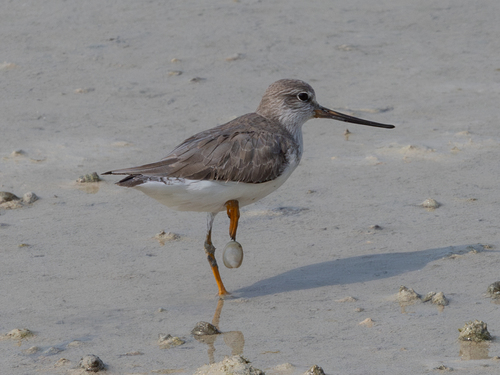 Piro piro del Terek
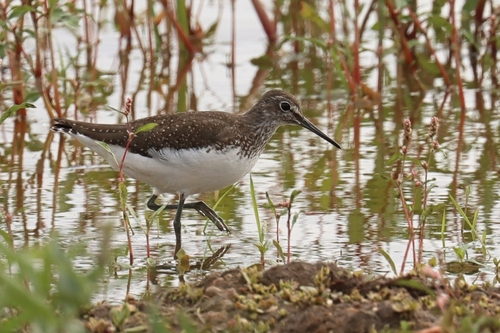 Piro piro culbianco
In breve
Il modo più affidabile per separare il Piro piro del Terek dal Piro piro culbianco è la forma del becco e il modello di volo: il Piro piro del Terek ha un becco lungo, distintamente curvato verso l'alto e mostra un dorso e ali grigie uniformi, mentre il Piro piro culbianco ha un becco dritto, corto e scuro e un caratteristico sottocoda bianco e ali scure in volo. I Piro piro culbianco giovani e non in riproduzione mostrano spesso meno macchie sopra, ma mantengono sempre il sottocoda bianco, che è assente nel Terek. Le gambe gialle del Piro piro del Terek e il suo stile di alimentazione attivo e correndo contrastano anche con le gambe più scure del Piro piro culbianco e i suoi movimenti più deliberati. Entrambe le specie possono apparire simili a distanza, ma un'attenta attenzione a queste caratteristiche risolverà la maggior parte delle confusioni.
Consigli di identificazione
- Forma del becco: il Piro piro del Terek ha un becco lungo, distintamente curvato verso l'alto (come un piccolo avocetta), mentre il becco del Piro piro culbianco è corto, dritto e scuro. Questo è visibile da quasi tutti gli angoli e distanze.
- Modello di volo (tutte le età): il Piro piro culbianco mostra un caratteristico sottocoda bianco e ali scure sopra e sotto in volo. Il Piro piro del Terek non ha un sottocoda bianco e ha un'ala superiore e un dorso grigi uniformi.
- Colore delle gambe: le gambe del Piro piro del Terek sono gialle; quelle del Piro piro culbianco sono verde scuro. Questo è meglio visibile quando gli uccelli sono in piedi o in cerca di cibo.
- Modello facciale: il Terek mostra spesso un sopracciglio bianco (supercilium), a volte debole, mentre il Piro piro culbianco ha un volto più semplice.
- Macchie su dorso e ali: il Piro piro culbianco ha macchie bianche sul dorso (più evidenti negli adulti in riproduzione, ridotte nei non in riproduzione e nei giovani), mentre il Terek è grigio uniforme sopra in tutte le livree.
- Petto e parti inferiori: entrambi hanno parti inferiori bianche, ma il petto del Terek è grigio, sfumando nel ventre bianco; il petto del Piro piro culbianco è grigiastro ma di solito più nettamente demarcato dal ventre bianco.
- Colore del becco: il becco del Terek è giallastro alla base, nero verso la punta; quello del Piro piro culbianco è uniformemente scuro.
- Struttura e aspetto: il Terek appare più allungato con gambe e becco più lunghi, spesso sta più eretto; il Piro piro culbianco è più compatto e grassottello.
- Comportamento alimentare: il Terek è molto attivo, corre e insegue le prede, a volte lava il cibo; il Piro piro culbianco è più deliberato e meno frenetico.
- Habitat: il Terek preferisce le distese di fango aperte e gli estuari, specialmente costieri; il Piro piro culbianco è più spesso in pozze d'acqua dolce, paludi e rive dei fiumi.
- Associazioni: il Terek spesso si mescola con altri piccoli limicoli e pavoncelle; il Piro piro culbianco è più solitario o in gruppi sciolti.
- Vocalizzazioni: ascolta il fischio acuto del Terek rispetto al richiamo a tre note del Piro piro culbianco, specialmente in volo.
- Variazione stagionale: le macchie sul dorso del Piro piro culbianco sono più prominenti negli adulti in riproduzione, ridotte in inverno e nei giovani, ma il sottocoda bianco è sempre presente.
- Trappole: a distanza, entrambi possono sembrare simili in dimensione e forma generale; controlla sempre la forma del becco e il modello del sottocoda in volo per conferma.
- Sesso e età: non c'è un forte dimorfismo sessuale in entrambe le specie; le differenze di età nel Piro piro culbianco influenzano principalmente le macchie sul dorso, non il modello del sottocoda.
Taglia
Il Piro piro culbianco è leggermente più pesante (massa corporea ~80g [wikidata]), mentre il Piro piro del Terek è un po' più lungo (22–25 cm [wikipedia]), ma sul campo, la differenza di dimensione è sottile e non è un separatore affidabile. Entrambi sono piccoli limicoli, con il Terek che appare un po' più allungato a causa del suo becco e delle sue gambe più lunghi, mentre il Piro piro culbianco è più compatto e grassottello.
Piumaggio
La principale differenza di livrea legata all'età è in volo: il Piro piro culbianco di tutte le età mostra un caratteristico sottocoda bianco e ali scure sopra e sotto, che è altamente evidente e diagnostico. I Piro piro culbianco giovani e non in riproduzione hanno meno macchie bianche sul dorso rispetto agli adulti in riproduzione, ma il sottocoda bianco rimane ovvio. Il Piro piro del Terek, indipendentemente dall'età o dalla stagione, non ha un sottocoda bianco e mostra invece un dorso, un volto e un petto grigi uniformi con un ventre bianco. A terra, il Piro piro culbianco ha un dorso marrone verdastro scuro con macchie bianche variabili (massimali negli adulti in riproduzione), mentre il Piro piro del Terek è grigio più uniforme sopra. Il supercilium bianco del Terek può essere variabile ma di solito è presente, mentre il Piro piro culbianco ha un modello facciale meno distinto. Il colore delle gambe è un altro indizio: le gambe del Terek sono gialle, quelle del Piro piro culbianco sono verde scuro. Anche il colore del becco differisce: il becco del Terek è giallastro alla base, quello del Piro piro culbianco è uniformemente scuro.
Comportamento
Il Piro piro del Terek è notevolmente attivo, spesso insegue le prede e corre lungo il bordo dell'acqua, a volte lavando il suo bottino. Il Piro piro culbianco è più deliberato, si nutre sondando e raccogliendo in acque poco profonde o bordi fangosi. Il Terek spesso si associa con altri piccoli limicoli e pavoncelle, mentre il Piro piro culbianco è più solitario o in gruppi sciolti. In volo, il Terek appare più allungato e veloce, mentre il volo del Piro piro culbianco è diretto e mostra il sottocoda bianco.
Habitat
Entrambe le specie frequentano habitat fangosi o umidi, ma il Piro piro del Terek è più spesso visto su distese di fango aperte, estuari e aree costiere, specialmente durante la migrazione e l'inverno. Il Piro piro culbianco preferisce habitat d'acqua dolce come pozze, paludi e rive dei fiumi, ed è meno probabile trovarlo su distese di fango costiere aperte. Durante la riproduzione, il Piro piro culbianco nidifica sugli alberi vicino all'acqua, mentre il Terek nidifica a terra vicino all'acqua nella taiga.
Voce
Il Piro piro del Terek emette un fischio acuto, mentre il Piro piro culbianco ha un caratteristico fischio a tre note in volo. Entrambi i richiami sono abbastanza diversi, con quello del Terek che è più penetrante e quello del Piro piro culbianco più flautato. Le vocalizzazioni sono utili se udite bene, ma non sempre diagnostiche a distanza.
Piro piro del Terek · Piro piro culbianco · I miei uccelli difficili