

Motmot

ムジタヒバリ 対 ニシヨーロッパタヒバリ

Anthus campestris 対 Anthus petrosus

ムジタヒバリとニシヨーロッパタヒバリのクイズ
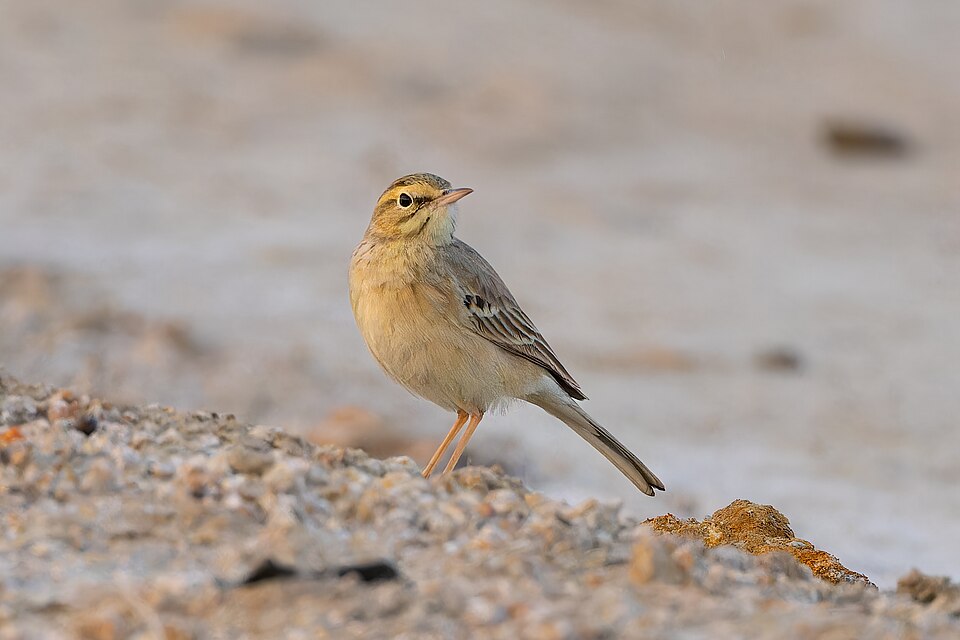
ムジタヒバリ (Anthus campestris) ムジタヒバリ
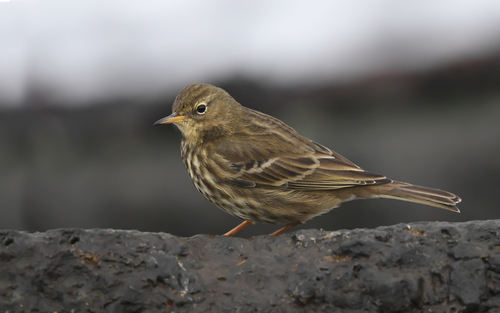
ニシヨーロッパタヒバリ (Anthus petrosus) ニシヨーロッパタヒバリ

メディア

読み込み中…

要点

タウニーピピットとロックピピットの間で最も信頼できるフィールドマークは、全体的な羽色のトーンとストリーキングです:タウニーピピットは砂色の茶色で、上も下も非常に地味ですが、ロックピピットはより暗く、オリーブ色の茶色で、特に下部で重いストリーキングがあります。両種の幼鳥と未熟な鳥はより多くのストリーキングがありますが、ロックピピットは常に下部でより広範囲でぼやけたストリーキングを示します。構造的には、タウニーピピットはわずかにスリムで、くちばしが狭く、脚が短いですが、これは微妙です。生息地はしばしば決定的です:タウニーピピットは開けた乾燥した地面に見られ、ロックピピットはほぼ常に岩の多い海岸にいます。呼び声と歌は異なりますが、経験を持って使用するのが最適です。

識別のコツ

  1. Underpart streaking: ロックピピットはすべての年齢で、バフ色の下部に重くぼやけた茶色のストリーキングを示します;タウニーピピットははるかに地味で、下部には淡いか全くストリーキングがありません(特に成鳥の場合)。
  2. Upperpart color: タウニーピピットは上が砂色または淡い茶色です;ロックピピットはより暗く、オリーブ色の茶色または煙のようです。
  3. Tail pattern in flight: ロックピピットは外側の尾羽が暗い(白くない)です;タウニーピピットはより淡い外側の尾羽とのコントラストを示しますが、これは微妙です。
  4. Bill and legs: タウニーピピットは狭くて細いくちばしと短い脚を持っています;ロックピピットはより頑丈で暗いくちばしと脚を持っていますが、違いは並べて見ないと判断が難しいことがあります。
  5. Supercilium: 夏の間、東部ロックピピット(littoralis)のみが淡いスーパシリウムとピンクがかった下部を示すことがあります;タウニーピピットは示しませんが、常に全体的に淡いです。
  6. Juvenile confusion: 幼鳥のロックピピットは上がより茶色く、よりストリーキングがあるように見えることがありますが、常に幼鳥のタウニーピピットよりも重い下部のストリーキングを示します。
  7. Habitat: 鳥が岩の海岸にいる場合、ロックピピットの可能性がはるかに高いです;タウニーピピットはそのような生息地を避け、開けた乾燥した地面を好みます。
  8. Flight style: タウニーピピットは強く直接飛びます;ロックピピットは繁殖期にひらひらとしたパラシュートのような降下を示すことがあります。
  9. Song and call: タウニーピピットの呼び声は高い「シュピッ」;ロックピピットの呼び声は鋭い「プシープ」です。歌は異なりますが、経験を持って使用するのが最適です。
  10. Seasonal context: 冬には、タウニーピピットはアフリカと南アジアの移動鳥ですが、ロックピピットはヨーロッパの海岸に留まります(移動性のフェンノスカンディア亜種を除き、これはさらに南で冬を越しますが、依然として海岸にいます)。
  11. Sex and age: 両種は性別間で似ています;年齢の違いは主にストリーキングにありますが、ロックピピットの重いストリーキングのパターンはすべての年齢に当てはまります。
  12. Confusion with other pipits: 両者はマキバタヒバリやサメイロタヒバリと混同されることがありますが、ロックピピットは常にタウニーピピットよりも暗く、よりストリーキングがあります。
  13. Iris and leg color: 両者は暗い虹彩を持っています;ロックピピットの脚は常に暗いですが、タウニーピピットの脚は淡いことがありますが、これは強いフィールドマークではありません。
  14. Display behavior: ロックピピットのみがテリトリーでパラシュートのような歌の飛行を行います。
  15. Local abundance: 岩の多いヨーロッパの海岸では、ロックピピットは一般的です;タウニーピピットはそのような生息地ではまれまたは不在です。

大きさ

タウニーピピットはわずかに小さく、軽量で、体重は約22 g [wikidata]ですが、ロックピピットは18–32.5 gの範囲です(重なりがありますが、しばしば重いです)[wikipedia]。両者は長さが似ており(タウニーピピットは約16 cm、ロックピピットは16.5–17 cm)、したがってサイズだけではフィールドでの信頼できる区別にはなりません。構造がより役立ちます:タウニーピピットは、よりスリムな体型、短い脚、狭いくちばしを持ち、より頑丈で暗いロックピピットと比較されます。

羽色

幼鳥と未熟なタウニーピピットは、同じ年齢のロックピピットよりも地味で、砂色の茶色の上面と下部の最小限のストリーキングを持っています。幼鳥のロックピピットは、より茶色く、上がよりストリーキングがあるように見えることがありますが、常に下部に重いぼやけたストリーキングを示し、一般的により暗いオリーブ色の茶色の色合いを持っています。成鳥はこれらの違いを維持します:タウニーピピットは下部が淡く、無地ですが、ロックピピットはバフ色で、定義が不明瞭な茶色のストリーキングがあります。ロックピピットはまた、すべての年齢において飛行中の便利なマークである暗い(白くない)外側の尾羽を持っています。東部ロックピピット(littoralis)は夏に淡いスーパシリウムとピンクがかった下部を示すことがありますが、これはタウニーピピットには存在しません。両性は各種で似ています;性別は羽色によって区別できません。

行動

ロックピピットは岩の多い海岸で非常にテリトリー意識が強く、しばしば岩の間で採餌しているのが見られ、パラシュートのような歌の飛行を示します。タウニーピピットは開けた乾燥した地面を歩いたり走ったりしているのが見られる可能性が高く、岩の上にはほとんどいません。飛行中、タウニーピピットは強く直接飛びますが、ロックピピットは繁殖期にひらひらとしたパラシュートのようなディスプレイ飛行を示すことがあります。両種は地面で餌を食べますが、好む基盤は大きく異なります。

生息環境

生息地は強力な区別要因です:タウニーピピットは、ユーラシアの開けた乾燥した砂地または草原のような生息地で繁殖し、採餌し、アフリカと南アジアの同様の開けた土地で冬を越します。ロックピピットは厳密に沿岸性で、岩の多いヨーロッパの海岸で繁殖し、冬を越し、内陸や即座の海岸から離れることはほとんどありません。岩や海から遠く離れたピピットを見た場合、それはほぼ確実にロックピピットではありません。

声

タウニーピピットの呼び声は鋭く高音の「シュピッ」で、リチャードピピットよりも高く、歌は短く大きな二音節の「チルリー チルリー」です。ロックピピットの飛行呼び声は鋭い「プシープ」で、マキバタヒバリとサメイロタヒバリの中間であり、歌は「チーパ」の音の連続に続いて薄い「ジー」の呼び声と短いトリルがあります。両種の呼び声は経験によって学ぶのが最適ですが、タウニーの方が高く短く、ロックの方がより引き延ばされて複雑です。

より良い説明を送る

比較と同じ項目を使ってください。文章はすぐに公開されます。

The most reliable field mark between Tawny Pipit and Rock Pipit is overall plumage tone and streaking: Tawny Pipit is sandy-brown and very plain above and below, while Rock Pipit is darker, more olive-brown, and heavily streaked, especially on the underparts. Juvenile and immature birds of both species are more streaked, but Rock Pipit always shows more extensive and blurred streaking below. Structurally, Tawny Pipit is slightly slimmer with a narrower bill and shorter legs, but this is subtle. Habitat is often decisive: Tawny Pipit is found in open, dry ground, while Rock Pipit is almost always on rocky coasts. Calls and songs differ, but are best used with experience.

  1. Underpart streaking: Rock Pipit of all ages shows heavy, blurry brown streaks on buff underparts; Tawny Pipit is much plainer, with faint or no streaks below (especially adults).
  2. Upperpart color: Tawny Pipit is sandy or pale brown above; Rock Pipit is darker, more olive-brown or smoky.
  3. Tail pattern in flight: Rock Pipit has dusky (not white) outer tail feathers; Tawny Pipit shows more contrast with paler outer tail feathers, but this is subtle.
  4. Bill and legs: Tawny Pipit has a narrower, finer bill and shorter legs; Rock Pipit has a stouter, darker bill and legs, but differences can be hard to judge unless side-by-side.
  5. Supercilium: Only eastern Rock Pipit (littoralis) in summer may show a pale supercilium and pinkish underparts; Tawny Pipit does not, but is always paler overall.
  6. Juvenile confusion: Juvenile Rock Pipits can look browner and more streaked above, but always show heavier underpart streaking than juvenile Tawny Pipits.
  7. Habitat: If the bird is on a rocky coast, Rock Pipit is far more likely; Tawny Pipit avoids such habitats and prefers open, dry ground.
  8. Flight style: Tawny Pipit flies strongly and directly; Rock Pipit may display with a fluttering, parachuting descent in breeding season.
  9. Song and call: Tawny Pipit's call is a high "schip"; Rock Pipit's is a shrill "pseep." Songs differ, but are best used with experience.
  10. Seasonal context: In winter, Tawny Pipit is a migrant in Africa and South Asia, while Rock Pipit remains on European coasts (except the migratory Fennoscandian subspecies, which winters further south but still on coasts).
  11. Sex and age: Both species are similar between sexes; age differences are mainly in streaking, but the pattern of heavier streaking in Rock Pipit holds for all ages.
  12. Confusion with other pipits: Both can be confused with Meadow or Water Pipit, but Rock Pipit is always darker and more streaked than Tawny Pipit.
  13. Iris and leg color: Both have dark irises; Rock Pipit's legs are always dark, while Tawny Pipit's can be paler but this is not a strong field mark.
  14. Display behavior: Only Rock Pipit performs the parachuting song flight on territory.
  15. Local abundance: On rocky European coasts, Rock Pipit is common; Tawny Pipit is rare or absent in such habitats.

Tawny Pipit is slightly smaller and lighter, with a body mass around 22 g [wikidata], while Rock Pipit ranges from 18–32.5 g (overlapping, but often heavier) [wikipedia]. Both are similar in length (Tawny Pipit about 16 cm, Rock Pipit 16.5–17 cm), so size alone is not a reliable separator in the field. Structure is more helpful: Tawny Pipit has a slimmer build, shorter legs, and a narrower bill compared to the chunkier, darker Rock Pipit.

Juvenile and immature Tawny Pipits are plainer than Rock Pipits of the same age, with sandy-brown upperparts and minimal streaking below. Juvenile Rock Pipits can be browner and more streaked above, sometimes resembling Meadow Pipit, but always show heavy, blurry streaks on the underparts and a generally darker, olive-brown cast. Adults maintain these differences: Tawny Pipit is pale and unmarked below, while Rock Pipit is buffy with poorly defined brown streaks. Rock Pipit also has dusky (not white) outer tail feathers, a useful mark in flight for all ages. The eastern Rock Pipit (littoralis) may show a pale supercilium and pinkish underparts in summer, but this is not present in Tawny Pipit. Both sexes are similar in each species; sex is not separable by plumage.

Rock Pipit is highly territorial on rocky coasts, often seen foraging among rocks and displaying with a parachuting song flight. Tawny Pipit is more likely to be seen walking or running on open, dry ground, rarely on rocks. In flight, Tawny Pipit is strong and direct, while Rock Pipit may show fluttering, parachute-like display flights in breeding season. Both species are ground-feeders, but their preferred substrates differ sharply.

Habitat is a strong separator: Tawny Pipit breeds and forages in open, dry, sandy or steppe-like habitats across the Palearctic, and winters in similar open country in Africa and South Asia. Rock Pipit is strictly coastal, breeding and wintering on rocky European shores, rarely venturing inland or away from the immediate coast. If you see a pipit well away from rocks or the sea, it is almost certainly not a Rock Pipit.

Tawny Pipit's call is a sharp, high-pitched "schip," higher than Richard's Pipit, and its song is a short, loud, disyllabic "chir-ree chir-ree." Rock Pipit's flight call is a shrill "pseep," intermediate between Meadow and Water Pipit, and its song is a tinkling series of "cheepa" notes followed by thin "gee" calls and a short trill. Both species' calls are best learned by experience, but Tawny's is higher and shorter, while Rock's is more drawn-out and complex.

変更を破棄しますか?

保存していない編集があります。今離れると失われます。

ムジタヒバリ · ニシヨーロッパタヒバリ · 苦手な鳥