

Calandro vs Spioncello marino
Anthus campestris contro Anthus petrosus
Fai un quiz con Calandro e Spioncello marino
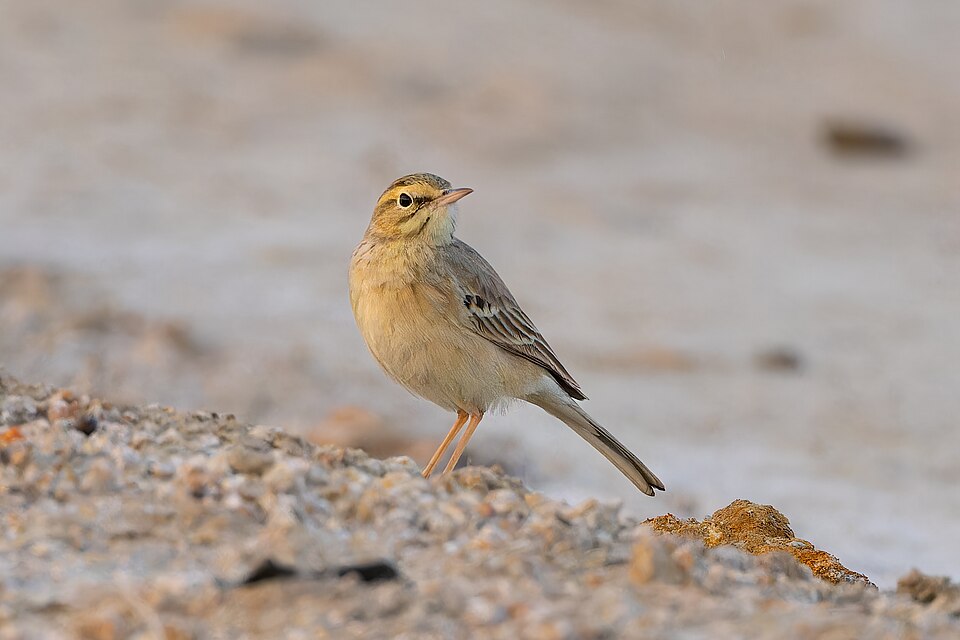 Calandro
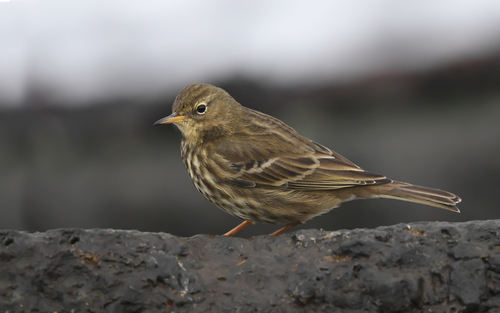 Spioncello marino
In breve
Il segno di campo più affidabile tra Calandro e Spioncello marino è il tono generale del piumaggio e le striature: il Calandro è di colore sabbia-marrone e molto semplice sopra e sotto, mentre lo Spioncello marino è più scuro, di un marrone oliva più intenso e fortemente striato, specialmente nelle parti inferiori. Gli uccelli giovanili e immaturi di entrambe le specie sono più striati, ma lo Spioncello marino mostra sempre striature più estese e sfocate sotto. Strutturalmente, il Calandro è leggermente più snello con un becco più stretto e zampe più corte, ma questo è sottile. L'habitat è spesso decisivo: il Calandro si trova in terreni aperti e asciutti, mentre lo Spioncello marino è quasi sempre sulle coste rocciose. I richiami e i canti differiscono, ma sono meglio utilizzati con esperienza.
Consigli di identificazione
- Underpart streaking: Lo Spioncello marino di tutte le età mostra pesanti e sfocate striature marroni sulle parti inferiori color buff; il Calandro è molto più semplice, con striature deboli o assenti sotto (soprattutto negli adulti).
- Upperpart color: Il Calandro è di colore sabbia o marrone chiaro sopra; lo Spioncello marino è più scuro, di un marrone oliva o fumoso.
- Tail pattern in flight: Lo Spioncello marino ha penne esterne della coda scure (non bianche); il Calandro mostra più contrasto con penne esterne della coda più chiare, ma questo è sottile.
- Bill and legs: Il Calandro ha un becco più stretto e fine e zampe più corte; lo Spioncello marino ha un becco e zampe più robusti e scuri, ma le differenze possono essere difficili da giudicare a meno che non siano affiancati.
- Supercilium: Solo lo Spioncello marino orientale (littoralis) in estate può mostrare un supercilium chiaro e parti inferiori rossastre; il Calandro non lo fa, ma è sempre più chiaro nel complesso.
- Juvenile confusion: Gli Spioncelli marini giovanili possono apparire più marroni e più striati sopra, ma mostrano sempre striature più pesanti nelle parti inferiori rispetto agli Spioncelli giovanili.
- Habitat: Se l'uccello si trova su una costa rocciosa, è molto più probabile che sia uno Spioncello marino; il Calandro evita tali habitat e preferisce terreni aperti e asciutti.
- Flight style: Il Calandro vola in modo forte e diretto; lo Spioncello marino può esibirsi con un volo a caduta fluttuante in stagione di nidificazione.
- Song and call: Il richiamo del Calandro è un alto "schip"; quello dello Spioncello marino è un acuto "pseep." I canti differiscono, ma sono meglio utilizzati con esperienza.
- Seasonal context: In inverno, il Calandro è un migratore in Africa e Asia meridionale, mentre lo Spioncello marino rimane sulle coste europee (eccetto la sottospecie migratoria fennoscandiana, che sverna più a sud ma sempre sulle coste).
- Sex and age: Entrambe le specie sono simili tra i sessi; le differenze di età sono principalmente nelle striature, ma il modello di striature più pesanti nello Spioncello marino è valido per tutte le età.
- Confusion with other pipits: Entrambi possono essere confusi con Pispola o Spioncello, ma lo Spioncello marino è sempre più scuro e più striato del Calandro.
- Iris and leg color: Entrambi hanno iridi scure; le zampe dello Spioncello marino sono sempre scure, mentre quelle del Calandro possono essere più chiare, ma questo non è un segno di campo forte.
- Display behavior: Solo lo Spioncello marino esegue il volo di canto a caduta nel territorio.
- Local abundance: Sulle coste rocciose europee, lo Spioncello marino è comune; il Calandro è raro o assente in tali habitat.
Taglia
Il Calandro è leggermente più piccolo e leggero, con una massa corporea di circa 22 g [wikidata], mentre lo Spioncello marino varia da 18 a 32,5 g (sovrapposto, ma spesso più pesante) [wikipedia]. Entrambi sono simili in lunghezza (Calandro circa 16 cm, Spioncello marino 16,5–17 cm), quindi la dimensione da sola non è un separatore affidabile sul campo. La struttura è più utile: il Calandro ha una corporatura più snella, zampe più corte e un becco più stretto rispetto allo Spioncello marino, più robusto e scuro.
Piumaggio
Gli Spioncelli giovanili e immaturi sono più semplici rispetto agli Spioncelli marini della stessa età, con parti superiori di colore sabbia-marrone e striature minime sotto. Gli Spioncelli marini giovanili possono essere più marroni e più striati sopra, a volte somigliando alla Pispola, ma mostrano sempre pesanti e sfocate striature nelle parti inferiori e un aspetto generalmente più scuro e marrone oliva. Gli adulti mantengono queste differenze: il Calandro è chiaro e non marcato sotto, mentre lo Spioncello marino è color buff con striature marroni poco definite. Lo Spioncello marino ha anche penne esterne della coda scure (non bianche), un segno utile in volo per tutte le età. Lo Spioncello marino orientale (littoralis) può mostrare un supercilium chiaro e parti inferiori rossastre in estate, ma questo non è presente nel Calandro. Entrambi i sessi sono simili in ciascuna specie; il sesso non è separabile dal piumaggio.
Comportamento
Lo Spioncello marino è altamente territoriale sulle coste rocciose, spesso visto cercare cibo tra le rocce e esibirsi con un volo di canto a caduta. Il Calandro è più probabile che venga visto camminare o correre su terreni aperti e asciutti, raramente su rocce. In volo, il Calandro è forte e diretto, mentre lo Spioncello marino può mostrare voli di esibizione fluttuanti e simili a paracadute in stagione di nidificazione. Entrambe le specie sono alimentatori a terra, ma i loro substrati preferiti differiscono nettamente.
Habitat
L'habitat è un forte separatore: il Calandro nidifica e cerca cibo in habitat aperti, asciutti, sabbiosi o simili a steppa in tutta la Paleartica, e sverna in paesi aperti simili in Africa e Asia meridionale. Lo Spioncello marino è strettamente costiero, nidificando e svernando sulle coste rocciose europee, raramente avventurandosi nell'entroterra o lontano dalla costa immediata. Se vedi un pipit lontano da rocce o dal mare, è quasi certamente non uno Spioncello marino.
Voce
Il richiamo del Calandro è un "schip" acuto e tagliente, più alto di quello del Calandro maggiore, e il suo canto è un breve e forte "chir-ree chir-ree" disillabico. Il richiamo in volo dello Spioncello marino è un "pseep" acuto, intermedio tra Pispola e Spioncello, e il suo canto è una serie tintinnante di note "cheepa" seguite da richiami sottili "gee" e un breve trill. I richiami di entrambe le specie sono meglio appresi con esperienza, ma quello del Calandro è più alto e più corto, mentre quello dello Spioncello è più prolungato e complesso.