

Motmot

ムジタヒバリ 対 マキバタヒバリ

Anthus campestris 対 Anthus pratensis

ムジタヒバリとマキバタヒバリのクイズ
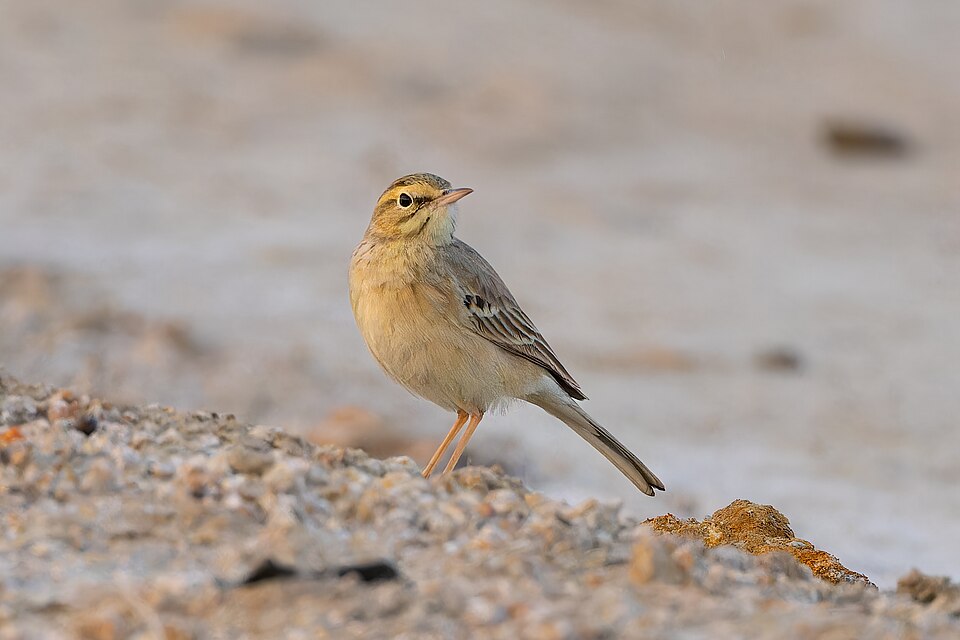
ムジタヒバリ (Anthus campestris) ムジタヒバリ
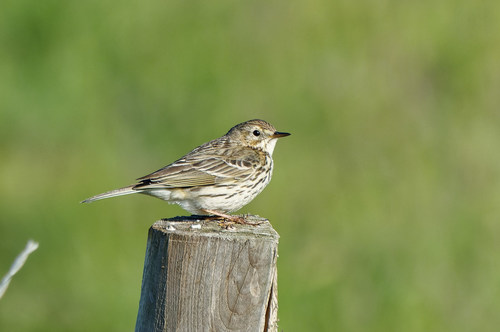
マキバタヒバリ (Anthus pratensis) マキバタヒバリ

メディア

読み込み中…

要点

ムジタヒバリとマキバタヒバリを区別する最も信頼できる方法は、全体の構造と縞模様の量によるものです。ムジタヒバリは大きく、脚が長く、縞模様が少なく、より素朴な砂色の上面ときれいな下面を持っています。一方、マキバタヒバリは小さく、よりコンパクトで、上面と下面に強い縞模様があります。飛んでいるときや止まっているときは、マキバタヒバリの強い暗い縞模様と長い後爪を探してください。ムジタヒバリは素朴で、相対的に脚が長いです。声や生息地も役立ちますが、最も迅速なフィールドでの区別のためには、構造と縞模様に注目してください。

識別のコツ

  1. Streaking: マキバタヒバリは常に上面と下面(背中、胸、側面)に強い縞模様がありますが、ムジタヒバリは非常に素朴で、下面には最小限または全く縞模様がありません。これはすべての羽色で最も一貫した視覚的手がかりです。
  2. Structure: ムジタヒバリは脚が長く、より直立して立ち、より頑丈で細長い外観を持っています。マキバタヒバリはよりコンパクトで、脚が短く、しゃがんだ姿勢です。
  3. Bill: ムジタヒバリはより狭く、暗いくちばしを持っています。マキバタヒバリのくちばしは細いですが、あまり明確に暗くありません。これは微妙で、良い光の下で近距離で使用するのが最適です。
  4. Leg Color: マキバタヒバリは淡いピンクがかった黄色の脚を持ち、よく見えれば有用な補助的なマークになります。ムジタヒバリの脚の色はあまり特徴的ではありません。
  5. Hind Claw: マキバタヒバリは非常に長い後爪(後ろの足の指よりも長い)を持ち、良い視界や写真で確認できます。ムジタヒバリの後爪はそれほど長くも目立ちません。
  6. Tail Pattern: マキバタヒバリは狭い白い外縁を持つ茶色の尾を持ち、飛んでいるときや尾を広げたときに見えることがあります。ムジタヒバリの尾はあまり明確にマークされていません。
  7. Flight Style: ムジタヒバリは強く直接的に飛びますが、マキバタヒバリは特に歌の飛行中に、よりひらひらとした波状の飛行をします。
  8. Voice: ムジタヒバリの鋭く高い「シュッ」という呼び声と、マキバタヒバリの柔らかい「ツィツィ」を聞いてください。歌の違いも役立ちます:ムジタヒバリの歌は短く大きな「チルリー」で、マキバタヒバリの歌は最後に加速する繰り返しのシリーズです。
  9. Habitat: 乾燥した開けた砂地や石の地面、特に南ヨーロッパや東ヨーロッパ、アジアではムジタヒバリがより可能性があります。湿った草地、湿原、または高地ではマキバタヒバリがデフォルトです。
  10. Season and Range: マキバタヒバリは西ヨーロッパで年間を通じて広く分布し、しばしば豊富です。ムジタヒバリはその範囲の多くで夏の訪問者または通過移動者で、冬は南方に生息します。
  11. Regional Variation: アイルランドやスコットランド西部の一部のマキバタヒバリは暗いですが、ムジタヒバリよりもまだ縞模様が多いです。
  12. Perched vs. In Flight: 両種は止まっているときは似て見えることがありますが、飛んでいるときはマキバタヒバリの縞模様と白い尾の縁がより明らかになるかもしれません。ムジタヒバリは素朴で砂色のままです。
  13. Confusion Risk: 南アジアの冬には、複数の大型ヒバリが発生するため注意が必要です。サイズだけでなく、常に縞模様と構造を確認してください。
  14. Sex and Age: 両種に強い性差はありません。マキバタヒバリのすべての年齢に縞模様があり、ムジタヒバリは一貫して素朴です。
  15. Pitfalls: 両種が並んでいない限り、サイズだけに頼らないでください。常に縞模様、構造、声の組み合わせを使用して自信を持って識別してください。

大きさ

ムジタヒバリは明らかに大きく、重い(体重約22g [wikidata])、長さ約16 cm、翼幅25〜28 cm [wikipedia]です。マキバタヒバリは小さく、軽い(長さ14.5〜15 cm、体重15〜22g)で、より繊細な体型をしています。距離があると違いは微妙ですが、直接比較すると、ムジタヒバリは脚が長く、より頑丈に見え、マキバタヒバリはよりコンパクトで優雅です。

羽色

幼鳥と成鳥のマキバタヒバリは上面と下面に強い縞模様があり、胸、側面、背中に暗い縞模様があります。彼らの尾は狭い白い縁を持つ茶色です。すべての年齢のムジタヒバリははるかに素朴で、上面は砂色、下面は淡色で、縞模様は最小限で、しばしば下面はほとんど無地です。このコントラストは、特に新鮮な秋のマキバタヒバリにおいて明確で、太い縞模様を示すのに対し、ほとんど無地のムジタヒバリと対照的です。ソースには、両種の年齢特有の上翼や飛行のマークは記載されていませんが、ムジタヒバリの全体的な素朴さはすべての年齢で際立っています。マキバタヒバリの脚は淡いピンクがかった黄色で、ムジタヒバリの脚はあまり特徴的な色ではありません。ムジタヒバリのくちばしは狭く、暗いですが、これは微妙です。マキバタヒバリには微妙な地域変異が存在します(例:アイルランド/スコットランドの暗い鳥)が、すべてがムジタヒバリよりも多くの縞模様を持っています。

行動

ムジタヒバリはより直立した長脚の姿勢で歩く傾向があり、しばしばマキバタヒバリよりも自信があり、神経質ではないように見えます。その飛行は強く直接的と表現されます。マキバタヒバリは通常、飛行中によりひらひらとした波状の動きをし、しばしば歌の飛行を行っているのが見られます。地面では、マキバタヒバリは素早く神経質な動きで這ったり走ったりしているのが見られることが多いです。

生息環境

ムジタヒバリは中央ユーラシア全体の開けた乾燥した砂地や石の生息地で繁殖し、熱帯アフリカやインド亜大陸で冬を越します。マキバタヒバリは湿った草地、湿原、開けた国で非常に広く分布し、パレアールクティックの大部分、特に西ヨーロッパでは年間を通じてしばしば生息しています。両者は開けた国で重なることがありますが、マキバタヒバリは湿った草地や高地の生息地でより可能性が高く、ムジタヒバリは乾燥した裸の地面を好みます。

声

ムジタヒバリの呼び声は鋭く高い「シュッ」で、マキバタヒバリのかすかな「ツィツィ」よりも明らかに高いです。ムジタヒバリの歌は短く大きな二音節の「チルリー チルリー」で、マキバタヒバリの歌は単純で繰り返しのシリーズで、最後に加速することが多く、短い歌の飛行で届けられます。フィールドでは、呼び声が最も迅速な音声の手がかりです:ムジタヒバリは鋭く明確で、マキバタヒバリは柔らかく、よりシビラントです。

より良い説明を送る

比較と同じ項目を使ってください。文章はすぐに公開されます。

The most reliable way to separate Tawny Pipit from Meadow Pipit is by overall structure and the amount of streaking: Tawny Pipit is larger, longer-legged, and much less streaked, with a plainer sandy-brown upperpart and cleaner underparts, while Meadow Pipit is smaller, more compact, and heavily streaked above and below. In flight or perched, look for the Meadow Pipit's strong dark barring and long hind claw, versus the Tawny Pipit's plainness and proportionally longer legs. Voice and habitat can help, but focus on structure and streaking for the quickest field separation.

  1. Streaking: Meadow Pipit is always heavily streaked above and below (back, breast, flanks), while Tawny Pipit is much plainer, with minimal or no streaking on the underparts; this is the most consistent visual clue in all plumages.
  2. Structure: Tawny Pipit is longer-legged and stands more upright, with a more robust, elongated appearance. Meadow Pipit is more compact, with a shorter-legged, crouched posture.
  3. Bill: Tawny Pipit has a narrower, darker bill; Meadow Pipit's bill is thin but less distinctly dark. This is subtle and best used in good light at close range.
  4. Leg Color: Meadow Pipit has pale pinkish-yellow legs, which can be a useful supporting mark if seen well. Tawny Pipit's leg color is less distinctive.
  5. Hind Claw: Meadow Pipit has a very long hind claw (longer than the hind toe), visible in good views or photos. Tawny Pipit's hind claw is not as long or prominent.
  6. Tail Pattern: Meadow Pipit has a brown tail with narrow white outer edges, which may be visible in flight or when the tail is spread. Tawny Pipit's tail is less distinctly marked.
  7. Flight Style: Tawny Pipit flies strongly and directly; Meadow Pipit has a more fluttery, undulating flight, especially during song flights.
  8. Voice: Listen for Tawny Pipit's sharp, high 'schip' call versus Meadow Pipit's soft 'tsi-tsi'. Song differences are also useful if heard: Tawny Pipit's is a short, loud 'chir-ree', Meadow Pipit's is a repetitive series that speeds up at the end.
  9. Habitat: In dry, open, sandy or stony ground, especially in southern or eastern Europe or Asia, Tawny Pipit is more likely. In damp grassland, moorland, or upland areas, Meadow Pipit is the default.
  10. Season and Range: Meadow Pipit is widespread and often abundant in western Europe year-round; Tawny Pipit is a summer visitor or passage migrant in much of its range, wintering farther south.
  11. Regional Variation: Some Meadow Pipits in Ireland and western Scotland are darker, but still more streaked than Tawny Pipit.
  12. Perched vs. In Flight: Both species can look similar when perched, but in flight, Meadow Pipit's streaking and white tail edges may be more apparent; Tawny Pipit remains plain and sandy.
  13. Confusion Risk: Be cautious in winter in South Asia, where multiple large pipits occur; always check for streaking and structure, not just size.
  14. Sex and Age: No strong sexual dimorphism in either species; streaking is present in all ages of Meadow Pipit, and plainness is consistent in Tawny Pipit.
  15. Pitfalls: Do not rely on size alone unless both species are side by side; always use a combination of streaking, structure, and voice for confident identification.

Tawny Pipit is distinctly larger and heavier (body mass ~22g [wikidata]), measuring about 16 cm in length with a wingspan of 25–28 cm [wikipedia]. Meadow Pipit is smaller and lighter (length 14.5–15 cm, weight 15–22g), with a more delicate build. The difference is subtle at a distance, but in direct comparison, Tawny Pipit appears longer-legged and more robust, while Meadow Pipit is more compact and dainty.

Juvenile and adult Meadow Pipits are heavily streaked above and below, with dark barring across the breast, flanks, and back. Their tails are brown with narrow white edges. Tawny Pipit of all ages is much plainer: sandy brown above, pale below, and with minimal streaking—often nearly unmarked on the underparts. This contrast is especially clear in fresh autumn Meadow Pipits, which show bold streaking, versus the almost unmarked Tawny Pipit. No distinctive age-specific upperwing or flight marks are noted for either species in the sources, but the overall plainness of Tawny Pipit stands out at all ages. Meadow Pipit's legs are pale pinkish-yellow, while Tawny Pipit's are less distinctly colored. The bill of Tawny Pipit is narrower and darker, but this is subtle. Subtle regional variation exists in Meadow Pipit (e.g., darker birds in Ireland/Scotland), but all remain more streaked than Tawny Pipit.

Tawny Pipit tends to walk with a more upright, long-legged stance and often appears more confident and less nervous than Meadow Pipit. Its flight is described as strong and direct. Meadow Pipit is typically more fluttery and undulating in flight, and often seen performing song flights. On the ground, Meadow Pipit is more likely to be seen creeping or running with quick, nervous movements.

Tawny Pipit breeds in open, dry, sandy or stony habitats across the central Palearctic, and winters in tropical Africa and the Indian subcontinent. Meadow Pipit is much more widespread and abundant in damp grasslands, moorlands, and open country throughout much of the Palearctic, including western Europe where it is often resident year-round. While both can overlap in open country, Meadow Pipit is more likely in wet, grassy, or upland habitats, and Tawny Pipit prefers drier, barer ground.

Tawny Pipit's call is a sharp, high-pitched 'schip', distinctly higher than the Meadow Pipit's faint 'tsi-tsi'. Tawny Pipit's song is a short, loud, disyllabic 'chir-ree chir-ree', while Meadow Pipit's song is a simple, repetitive series that accelerates towards the end, often delivered in a short song flight. In the field, call is often the quickest vocal clue: Tawny Pipit is sharper and clearer, Meadow Pipit softer and more sibilant.

変更を破棄しますか?

保存していない編集があります。今離れると失われます。

ムジタヒバリ · マキバタヒバリ · 苦手な鳥