

Calandro vs Pispola
Anthus campestris contro Anthus pratensis
Fai un quiz con Calandro e Pispola
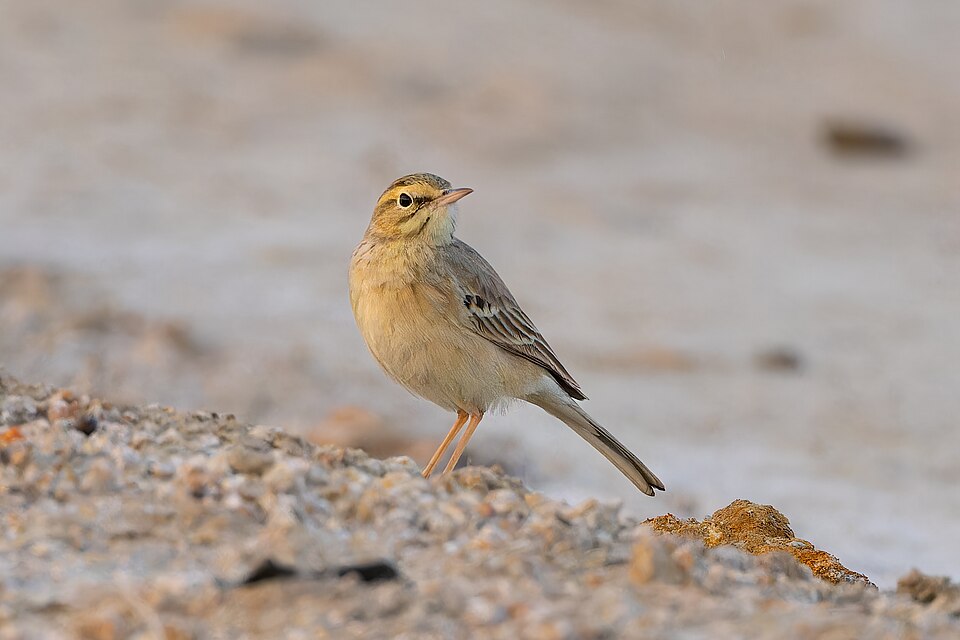 Calandro
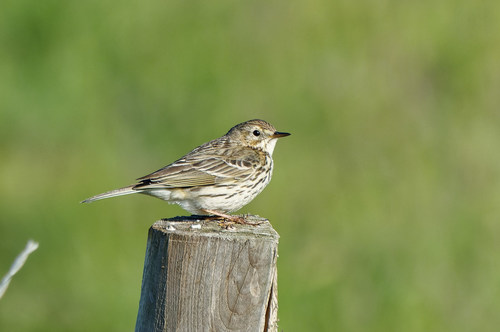 Pispola
In breve
Il modo più affidabile per separare il Calandro dalla Pispola è la struttura generale e la quantità di striature: il Calandro è più grande, con zampe più lunghe e molto meno striato, con una parte superiore di un marrone sabbioso più semplice e una parte inferiore più pulita, mentre la Pispola è più piccola, più compatta e pesantemente striata sopra e sotto. In volo o posata, cerca le forti striature scure della Pispola e il lungo artiglio posteriore, rispetto alla semplicità del Calandro e alle sue zampe proporzionalmente più lunghe. La voce e l'habitat possono aiutare, ma concentrati sulla struttura e sulle striature per la separazione più rapida sul campo.
Consigli di identificazione
- Striature: La Pispola è sempre pesantemente striata sopra e sotto (schiena, petto, fianchi), mentre il Calandro è molto più semplice, con striature minime o assenti sulla parte inferiore; questo è l'indizio visivo più consistente in tutte le livree.
- Struttura: Il Calandro ha zampe più lunghe e si erge più dritto, con un aspetto più robusto ed allungato. La Pispola è più compatta, con una postura accovacciata e zampe più corte.
- Becco: Il Calandro ha un becco più stretto e scuro; il becco della Pispola è sottile ma meno distintamente scuro. Questo è sottile e meglio utilizzato in buona luce a distanza ravvicinata.
- Colore delle Zampe: La Pispola ha zampe di un pallido giallo-rosato, che possono essere un utile segno di supporto se viste bene. Il colore delle zampe del Calandro è meno distintivo.
- Artiglio Posteriore: La Pispola ha un artiglio posteriore molto lungo (più lungo del dito posteriore), visibile in buone viste o foto. L'artiglio posteriore del Calandro non è così lungo o prominente.
- Schema della Coda: La Pispola ha una coda marrone con bordi bianchi stretti, che possono essere visibili in volo o quando la coda è aperta. La coda del Calandro è meno distintamente segnata.
- Stile di Volo: Il Calandro vola in modo forte e diretto; la Pispola ha un volo più fluttuante e ondulato, specialmente durante i voli di canto.
- Voce: Ascolta il richiamo acuto e alto del Calandro rispetto al morbido 'tsi-tsi' della Pispola. Le differenze nel canto sono anche utili se ascoltate: quello del Calandro è un breve e forte 'chir-ree', quello della Pispola è una serie ripetitiva che accelera alla fine.
- Habitat: In terreni asciutti, aperti, sabbiosi o rocciosi, specialmente nell'Europa meridionale o orientale o in Asia, è più probabile trovare il Calandro. In prati umidi, brughiere o aree montane, la Pispola è la norma.
- Stagione e Distribuzione: La Pispola è diffusa e spesso abbondante nell'Europa occidentale tutto l'anno; il Calandro è un visitatore estivo o migratore di passaggio in gran parte della sua area, svernando più a sud.
- Variazione Regionale: Alcune Pispole in Irlanda e nella Scozia occidentale sono più scure, ma rimangono comunque più striate del Calandro.
- Posato vs. In Volo: Entrambe le specie possono sembrare simili quando sono posate, ma in volo, le striature e i bordi bianchi della coda della Pispola possono essere più evidenti; il Calandro rimane semplice e sabbioso.
- Rischio di Confusione: Fai attenzione in inverno nel Sud Asia, dove si trovano più grandi pipit; controlla sempre le striature e la struttura, non solo la dimensione.
- Sesso e Età: Non c'è un forte dimorfismo sessuale in nessuna delle due specie; le striature sono presenti in tutte le età della Pispola, e la semplicità è costante nel Calandro.
- Trappole: Non fare affidamento sulla dimensione da sola a meno che entrambe le specie non siano affiancate; utilizza sempre una combinazione di striature, struttura e voce per un'identificazione sicura.
Taglia
Il Calandro è nettamente più grande e pesante (massa corporea ~22g [wikidata]), misurando circa 16 cm di lunghezza con un'apertura alare di 25–28 cm [wikipedia]. La Pispola è più piccola e leggera (lunghezza 14.5–15 cm, peso 15–22g), con una struttura più delicata. La differenza è sottile a distanza, ma in confronto diretto, il Calandro appare con zampe più lunghe e più robusto, mentre la Pispola è più compatta e delicata.
Piumaggio
Le Pispole juvenile e adulte sono pesantemente striate sopra e sotto, con striature scure sul petto, fianchi e schiena. Le loro code sono marroni con bordi bianchi stretti. Il Calandro di tutte le età è molto più semplice: marrone sabbioso sopra, pallido sotto, e con striature minime—spesso quasi non marcato sulla parte inferiore. Questo contrasto è particolarmente chiaro nelle Pispole fresche d'autunno, che mostrano striature audaci, rispetto al Calandro quasi non marcato. Non sono notati segni distintivi specifici per età sulle ali superiori o sul volo per nessuna delle due specie nelle fonti, ma la semplicità complessiva del Calandro si distingue in tutte le età. Le zampe della Pispola sono di un pallido giallo-rosato, mentre quelle del Calandro sono meno distintivamente colorate. Il becco del Calandro è più stretto e scuro, ma questo è sottile. Esiste una variazione regionale sottile nella Pispola (ad es., uccelli più scuri in Irlanda/Scozia), ma tutti rimangono più striati del Calandro.
Comportamento
Il Calandro tende a camminare con una postura più eretta e zampe lunghe e spesso appare più sicuro e meno nervoso della Pispola. Il suo volo è descritto come forte e diretto. La Pispola è tipicamente più fluttuante e ondulata in volo, e spesso vista mentre esegue voli di canto. A terra, la Pispola è più probabile che venga vista strisciare o correre con movimenti rapidi e nervosi.
Habitat
Il Calandro nidifica in habitat aperti, asciutti, sabbiosi o rocciosi in tutta la Palearctico centrale, e sverna in Africa tropicale e nel subcontinente indiano. La Pispola è molto più diffusa e abbondante in prati umidi, brughiere e campagne aperte in gran parte della Palearctico, inclusa l'Europa occidentale dove è spesso residente tutto l'anno. Sebbene entrambe possano sovrapporsi in campagna aperta, la Pispola è più probabile in habitat umidi, erbosi o montani, e il Calandro preferisce terreni più asciutti e spogli.
Voce
Il richiamo del Calandro è un 'schip' acuto e di alta tonalità, distintamente più alto del debole 'tsi-tsi' della Pispola. Il canto del Calandro è un breve, forte 'chir-ree chir-ree', mentre il canto della Pispola è una semplice serie ripetitiva che accelera verso la fine, spesso eseguita in un breve volo di canto. Sul campo, il richiamo è spesso l'indizio vocale più rapido: il Calandro è più acuto e chiaro, la Pispola più morbida e sibilante.