

Motmot

ハイバラブユムシクイ 対 Long-billed Gnatwren

Microbates cinereiventris 対 Ramphocaenus melanurus

ハイバラブユムシクイとLong-billed Gnatwrenのクイズ
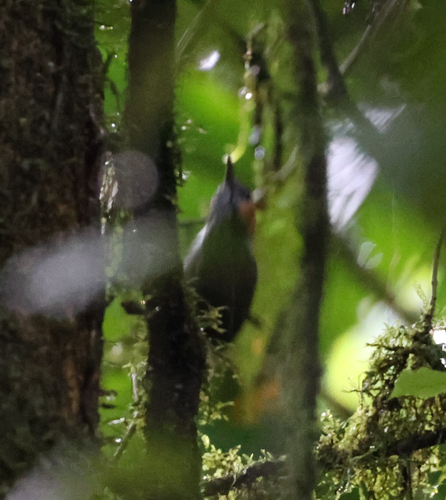
ハイバラブユムシクイ (Microbates cinereiventris) ハイバラブユムシクイ
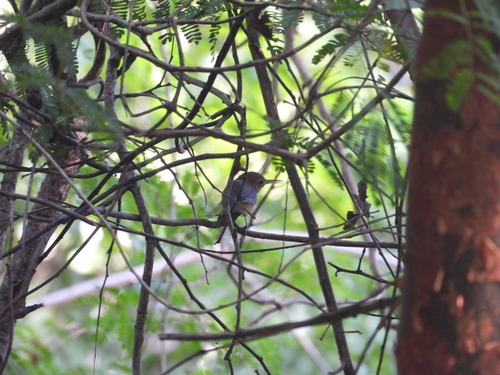
Long-billed Gnatwren (Ramphocaenus melanurus) Long-billed Gnatwren

メディア

読み込み中…

要点

ハイバラブユムシクイとLong-billed Gnatwrenを区別する最も信頼できるフィールドマークは、顔と下部の色合いの組み合わせです:Tawny-facedは特徴的な黄褐色または赤褐色の顔を示し、Long-billedは頭の側面にのみ赤褐色があり、対照的に白い喉を持っています。両種は小さく、活発で、全体的な形状は似ていますが、Long-billed Gnatwrenは明らかに長く、細いくちばしと、より傾いた黒と白の尾を持っています。フィールドでは、特に鳥が密な下草を素早く移動しているときに、顔の色と尾のパターンに焦点を当ててください。幼鳥や未熟な特有の翼や飛行マークは資料には記載されていないため、大人の羽毛と構造に頼って区別してください。

識別のコツ

  1. Face color is key: ハイバラブユムシクイは強く均一な黄褐色または赤褐色の顔を持ち、Long-billed Gnatwrenは頭の側面にのみ赤褐色があり、鋭く白い喉を持っています。
  2. Throat contrast: Long-billed Gnatwrenは明るい白い喉を示し、これはバフの下部と赤褐色の頭の側面に対して際立っています。Tawny-facedはより淡い喉を持っていますが、鋭く白く対照的ではありません。
  3. Tail pattern and posture: Long-billed Gnatwrenは白い先端を持つ黒い尾(中央の羽を除く)を持ち、習慣的に尾を傾けて振ります。Tawny-facedの尾のパターンと行動は資料ではあまり特徴的ではありません。
  4. Bill structure: Long-billed GnatwrenはTawny-facedよりも明らかに長く、細いくちばしを持ち、これは近距離または良い光の下でより明らかです。
  5. Upperparts: 両種は灰褐色の上面を持っていますが、これは強い区別要因ではありません。
  6. Underparts: Long-billed Gnatwrenはバフの下部を持ち、Tawny-facedの下部はより淡いですが、明確にバフではありません。
  7. No age-specific wing pattern: 幼鳥や未熟な翼や飛行パターンの違いは記載されていないため、これらに頼って区別しないでください。
  8. Behavior: Long-billed Gnatwrenの尾を振る傾いた尾に注意してください、特に密な植生の中で低く採餌しているとき。
  9. Vocalizations: もし急速なトリル音を聞いたら、それはLong-billed (Trilling) Gnatwrenの診断的な音です。この音がないことはTawny-facedの診断にはなりません。
  10. Habitat overlap: 両種は同じ森林タイプと地域に出現する可能性があるため、範囲が重なっている場所では生息地だけで区別しないでください。
  11. Size: 両方とも小さく、サイズは似ています;サイズを主要なフィールドマークとして使用しないでください。
  12. Pitfalls: 光が悪い場合や短い視界では顔と喉のパターンを判断するのが難しいことがあります。可能な限り顔の色と喉の対比の組み合わせに焦点を当ててください。
  13. Sex and season: 両種において重要な性的または季節的な羽毛の違いは記載されていません;これらのマークは年間を通じて両方の性別に機能します。
  14. When in doubt: 顔と喉の明確な視界を優先し、可能であれば声を聞いてください。もし尾のパターンと行動しか見えない場合、傾いた黒と白の尾はLong-billed Gnatwrenを強く支持します。

大きさ

ハイバラブユムシクイはわずかに重い(11.9 g対10.0 g)ですが、両方とも非常に小さな鳥であり、この違いはフィールドでは明らかではないでしょう。Long-billed Gnatwrenは12〜13 cmの長さと記載されていますが、体長の違いはフィールド識別には無視できるものです。両種はサイズが似ており、同様に小さくて繊細と見なすことができます。

羽色

両種において年齢特有の翼や飛行パターンの違いは記載されていません。大人の場合、ハイバラブユムシクイは全体的に黄褐色または赤褐色の顔が際立ち、淡い喉と下部と対比しています。Long-billed Gnatwrenは灰褐色の上面、赤褐色の頭の側面、白い喉、バフの下部を持っています。その尾は中央の羽を除いて白い先端を持つ黒で、しばしば上向きに傾いています。顔のパターンは彼らを区別する最も迅速な方法です:Tawny-facedはより広範で均一な黄褐色の顔を持ち、Long-billedは頭の側面にのみ赤褐色を示し、鋭く白い喉を持っています。幼鳥や未熟な特有の羽毛の違いは利用可能な資料には詳細に記載されていません。

行動

両種は活発な昆虫食性の鳥で、密な下草の中で採餌します。Long-billed Gnatwrenは頻繁に尾を振る習慣があり、その尾は黒で白い先端を持っています。ハイバラブユムシクイの行動はあまり具体的には記載されていませんが、gnatwrenとして、同様に活発で隠れる可能性があります。Long-billed Gnatwrenの尾を振る行動と傾いた尾の姿勢は、よく観察された場合にフィールドでの区別に役立つかもしれません。

生息環境

両種は中央アメリカと南アメリカの低地および丘陵の森林に生息し、コロンビア、エクアドル、パナマなどの国で範囲が重なっています。ハイバラブユムシクイはニカラグアからペルーおよびボリビアにかけて見られ、Long-billed Gnatwrenはメキシコ南東部からアマゾニアにかけて分布しています。生息地の好みは広く似ており、密な森林の下草を好むため、範囲が重なっている場所では生息地だけでは信頼できる区別要因ではありません。

声

Long-billed Gnatwren (Trilling Gnatwren)は、急速な「drdrdrdrdrdrdrdrdrdr」と表現される特徴的なトリル音を出します。資料にはハイバラブユムシクイの声の記述は提供されていないため、Long-billedのトリル音が聞こえた場合のみ声が診断的です。この音がないことはTawny-facedを確認するものではありませんが、トリルの存在はLong-billedを支持します。

より良い説明を送る

比較と同じ項目を使ってください。文章はすぐに公開されます。

The most reliable field mark to separate Tawny-faced Gnatwren from Long-billed Gnatwren is the combination of face and underpart coloration: Tawny-faced shows a distinctive tawny or rufous face, while Long-billed has rufous only on the head sides and a contrastingly white throat. Both species are tiny, active, and similar in overall shape, but Long-billed Gnatwren has a notably longer, thinner bill and a more cocked, black-and-white tail. In the field, focus on face color and tail pattern, especially when birds are moving quickly through dense undergrowth. Juvenile and immature-specific wing or flight marks are not described in the sources, so rely on adult plumage and structure for separation.

  1. Face color is key: Tawny-faced Gnatwren has a strong, uniform tawny or rufous face; Long-billed Gnatwren has rufous only on the sides of the head, with a sharply white throat.
  2. Throat contrast: Long-billed Gnatwren shows a bright white throat, which stands out against the buff underparts and rufous head sides. Tawny-faced has a paler throat but not as sharply white or contrasting.
  3. Tail pattern and posture: Long-billed Gnatwren has a black tail with white tips (except central feathers) and habitually cocks and wags its tail. Tawny-faced's tail pattern and behavior are less distinctive in the sources.
  4. Bill structure: Long-billed Gnatwren has a noticeably longer, thinner bill than Tawny-faced, which is more apparent at close range or in good light.
  5. Upperparts: Both species have grey-brown upperparts, but this is not a strong separator.
  6. Underparts: Long-billed Gnatwren has buff underparts; Tawny-faced's underparts are paler but not as distinctly buff.
  7. No age-specific wing pattern: There are no described juvenile or immature wing or flight pattern differences, so do not rely on these for separation.
  8. Behavior: Watch for the tail-wagging, cocked tail of Long-billed Gnatwren, especially when foraging low in dense vegetation.
  9. Vocalizations: If you hear a rapid trilled call, it is diagnostic for Long-billed (Trilling) Gnatwren. Absence of this call is not diagnostic for Tawny-faced.
  10. Habitat overlap: Both species can occur in the same forest types and regions, so do not use habitat alone to separate them where ranges overlap.
  11. Size: Both are tiny and similar in size; do not use size as a primary field mark.
  12. Pitfalls: Poor light or brief views can make the face and throat pattern hard to judge. Focus on the combination of face color and throat contrast whenever possible.
  13. Sex and season: No significant sexual or seasonal plumage differences are described for either species; these marks work year-round and for both sexes.
  14. When in doubt: Prioritize a clear view of the face and throat, and listen for vocalizations if possible. If only the tail pattern and behavior are seen, a cocked, black-and-white tail strongly favors Long-billed Gnatwren.

Tawny-faced Gnatwren is slightly heavier (11.9 g vs 10.0 g) but both are very small birds and this difference is not likely to be apparent in the field. Long-billed Gnatwren is described as 12–13 cm long, but the difference in body length is negligible for field identification. Both species are similar in size and can be considered equally small and delicate.

No age-specific wing or flight pattern differences are described for either species. For adults, Tawny-faced Gnatwren stands out with its overall tawny or rufous face, which contrasts with a paler throat and underparts. Long-billed Gnatwren has grey-brown upperparts, rufous sides to the head, a white throat, and buff underparts. Its tail is black with white tips to all but the central feathers, and is often cocked upward. The face pattern is the quickest way to separate them: Tawny-faced has a more extensive and uniform tawny face, while Long-billed shows rufous only on the sides of the head, with a sharply white throat. Juvenile or immature-specific plumage differences are not detailed in the available sources.

Both species are active, insectivorous birds that forage in dense undergrowth. Long-billed Gnatwren is noted for its habit of frequently wagging its cocked tail, which is black with white tips. Tawny-faced Gnatwren's behavior is less specifically described, but as a gnatwren, it is likely similarly active and skulking. The tail-wagging and cocked tail posture of Long-billed Gnatwren may help in field separation when observed well.

Both species occur in lowland and foothill forests in Central and South America, with overlapping ranges in countries like Colombia, Ecuador, and Panama. Tawny-faced Gnatwren is found from Nicaragua to Peru and Bolivia, while Long-billed Gnatwren ranges from southeast Mexico to Amazonia. Habitat preferences are broadly similar, favoring dense forest undergrowth, so habitat alone is not a reliable separator where their ranges overlap.

Long-billed Gnatwren (Trilling Gnatwren) gives a distinctive trilled call, described as a rapid 'drdrdrdrdrdrdrdrdrdr.' No vocal description is provided for Tawny-faced Gnatwren in the sources, so voice is only diagnostic if the trilled call of Long-billed is heard. Absence of this call does not confirm Tawny-faced, but presence of the trill supports Long-billed.

変更を破棄しますか?

保存していない編集があります。今離れると失われます。

ハイバラブユムシクイ · Long-billed Gnatwren · 苦手な鳥