

Tawny-faced Gnatwren vs Long-billed Gnatwren
Microbates cinereiventris contro Ramphocaenus melanurus
Fai un quiz con Tawny-faced Gnatwren e Long-billed Gnatwren
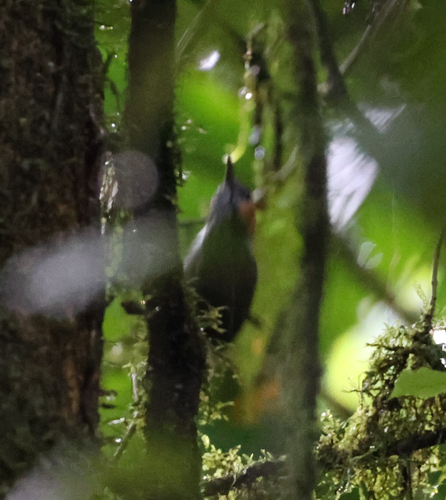 Tawny-faced Gnatwren
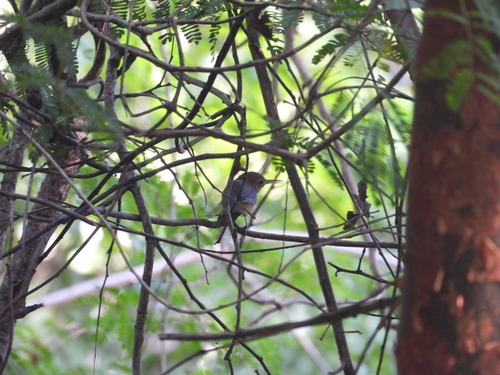 Long-billed Gnatwren
In breve
Il segno di campo più affidabile per separare il Tawny-faced Gnatwren dal Long-billed Gnatwren è la combinazione di colore del viso e delle parti inferiori: il Tawny-faced mostra un viso distintivo color tawny o ruggine, mentre il Long-billed ha ruggine solo sui lati della testa e una gola bianchissima in contrasto. Entrambe le specie sono piccole, attive e simili nella forma generale, ma il Long-billed Gnatwren ha un becco notevolmente più lungo e sottile e una coda nera e bianca più sollevata. Sul campo, concentrati sul colore del viso e sul motivo della coda, specialmente quando gli uccelli si muovono rapidamente attraverso la fitta vegetazione. I segni specifici delle ali o del volo per i giovani e gli immaturi non sono descritti nelle fonti, quindi fai affidamento sul piumaggio e sulla struttura degli adulti per la separazione.
Consigli di identificazione
- Il colore del viso è fondamentale: Il Tawny-faced Gnatwren ha un viso tawny o ruggine forte e uniforme; il Long-billed Gnatwren ha ruggine solo sui lati della testa, con una gola bianchissima.
- Contrasto della gola: Il Long-billed Gnatwren mostra una gola bianca brillante, che si distingue contro le parti inferiori color buff e i lati della testa ruggine. Il Tawny-faced ha una gola più chiara ma non così bianca o contrastante.
- Motivo e postura della coda: Il Long-billed Gnatwren ha una coda nera con punte bianche (eccetto le piume centrali) e abitualmente solleva e agita la sua coda. Il motivo e il comportamento della coda del Tawny-faced sono meno distintivi nelle fonti.
- Struttura del becco: Il Long-billed Gnatwren ha un becco visibilmente più lungo e sottile rispetto al Tawny-faced, che è più evidente a distanza ravvicinata o in buona luce.
- Parti superiori: Entrambe le specie hanno parti superiori grigio-marroni, ma questo non è un separatore forte.
- Parti inferiori: Il Long-billed Gnatwren ha parti inferiori color buff; le parti inferiori del Tawny-faced sono più chiare ma non così distintamente color buff.
- Nessun motivo di ali specifico per età: Non ci sono differenze descritte nei motivi delle ali o del volo per i giovani o gli immaturi, quindi non fare affidamento su questi per la separazione.
- Comportamento: Fai attenzione alla coda sollevata e che agita del Long-billed Gnatwren, specialmente quando cerca cibo in basso nella vegetazione densa.
- Vocalizzazioni: Se senti un richiamo trillo rapido, è diagnostico per il Long-billed (Trilling) Gnatwren. L'assenza di questo richiamo non è diagnostica per il Tawny-faced.
- Sovrapposizione dell'habitat: Entrambe le specie possono verificarsi negli stessi tipi di foresta e regioni, quindi non usare solo l'habitat per separarli dove le loro aree si sovrappongono.
- Dimensioni: Entrambi sono piccoli e simili in dimensioni; non usare la dimensione come segno di campo principale.
- Insidie: Luce scarsa o visioni brevi possono rendere difficile giudicare il motivo del viso e della gola. Concentrati sulla combinazione di colore del viso e contrasto della gola ogni volta che è possibile.
- Sesso e stagione: Non sono descritte differenze significative nel piumaggio sessuale o stagionale per nessuna delle due specie; questi segni funzionano tutto l'anno e per entrambi i sessi.
- Quando hai dubbi: Dai priorità a una vista chiara del viso e della gola, e ascolta le vocalizzazioni se possibile. Se si vedono solo il motivo della coda e il comportamento, una coda sollevata nera e bianca favorisce fortemente il Long-billed Gnatwren.
Taglia
Il Tawny-faced Gnatwren è leggermente più pesante (11,9 g contro 10,0 g) ma entrambi sono uccelli molto piccoli e questa differenza non è probabile che sia evidente sul campo. Il Long-billed Gnatwren è descritto come lungo 12–13 cm, ma la differenza nella lunghezza del corpo è trascurabile per l'identificazione sul campo. Entrambe le specie sono simili in dimensioni e possono essere considerate ugualmente piccole e delicate.
Piumaggio
Non sono descritte differenze specifiche per età nei motivi delle ali o del volo per nessuna delle due specie. Per gli adulti, il Tawny-faced Gnatwren si distingue per il suo viso tawny o ruggine complessivo, che contrasta con una gola e parti inferiori più chiare. Il Long-billed Gnatwren ha parti superiori grigio-marroni, lati della testa ruggine, una gola bianca e parti inferiori color buff. La sua coda è nera con punte bianche su tutte tranne le piume centrali, ed è spesso sollevata. Il motivo del viso è il modo più rapido per separarli: il Tawny-faced ha un viso tawny più esteso e uniforme, mentre il Long-billed mostra ruggine solo sui lati della testa, con una gola bianchissima. Le differenze di piumaggio specifiche per i giovani o gli immaturi non sono dettagliate nelle fonti disponibili.
Comportamento
Entrambe le specie sono uccelli attivi e insettivori che cercano cibo nella fitta vegetazione. Il Long-billed Gnatwren è noto per la sua abitudine di agitare frequentemente la sua coda sollevata, che è nera con punte bianche. Il comportamento del Tawny-faced Gnatwren è meno specificamente descritto, ma come gnatwren, è probabile che sia altrettanto attivo e furtivo. L'agitazione della coda e la postura della coda sollevata del Long-billed Gnatwren possono aiutare nella separazione sul campo quando osservati bene.
Habitat
Entrambe le specie si trovano in foreste di pianura e di collina in Centro e Sud America, con aree sovrapposte in paesi come Colombia, Ecuador e Panama. Il Tawny-faced Gnatwren si trova dal Nicaragua al Perù e alla Bolivia, mentre il Long-billed Gnatwren si estende dal sud-est del Messico all'Amazzonia. Le preferenze di habitat sono ampiamente simili, favorendo la fitta vegetazione forestale, quindi l'habitat da solo non è un separatore affidabile dove le loro aree si sovrappongono.
Voce
Il Long-billed Gnatwren (Trilling Gnatwren) emette un richiamo trillo distintivo, descritto come un rapido 'drdrdrdrdrdrdrdrdrdr.' Nessuna descrizione vocale è fornita per il Tawny-faced Gnatwren nelle fonti, quindi la voce è diagnostica solo se si sente il richiamo trillo del Long-billed. L'assenza di questo richiamo non conferma il Tawny-faced, ma la presenza del trillo supporta il Long-billed.
Tawny-faced Gnatwren · Long-billed Gnatwren · I miei uccelli difficili