

Motmot

チュウジシギ 対 ハリオシギ

Gallinago megala 対 Gallinago stenura

チュウジシギとハリオシギのクイズ
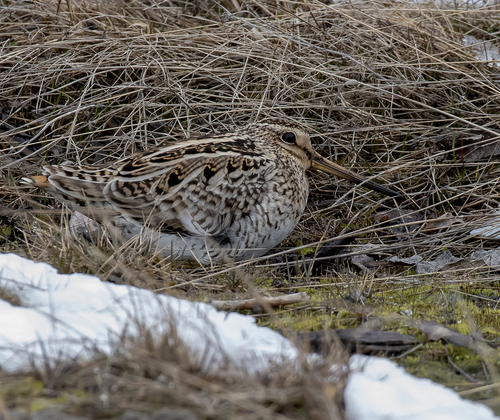
チュウジシギ (Gallinago megala) チュウジシギ
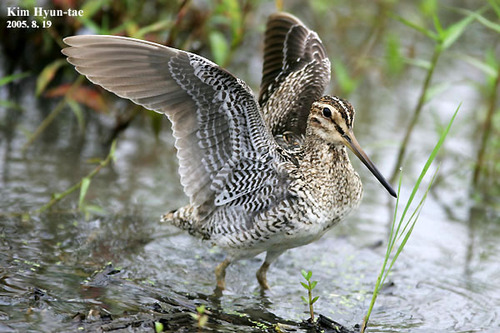
ハリオシギ (Gallinago stenura) ハリオシギ

メディア

読み込み中…

要点

チュウジシギとハリオシギをフィールドで区別するのは非常に難しいことで知られており、特に非繁殖期や未成熟の羽毛では、両者は似た構造と色合いを持つ暗色模様のGallinagoシギです。最も信頼できる違いは微妙です:チュウジシギはわずかに大きく、重く、くちばしと尾がわずかに長いですが、これらは直接比較なしでは判断が難しいです。両種は似たようなまだら模様の茶色、バフ、白の上面と、縞模様の下面を示し、未成熟個体は羽毛でほとんど区別がつきません。飛行行動や構造の微妙な違い(尾の長さや翼の形など)が最良の手がかりを提供するかもしれませんが、経験豊富な観察者でも近くで見ることや直接比較なしでは苦労することがよくあります。

識別のコツ

  1. サイズと構造: チュウジシギはハリオシギよりもわずかに大きく、重い(140 g対116.5 g)で、くちばしと尾がわずかに長いです。この違いは微妙で、鳥が並んで見られない限りは常に明らかではありません。
  2. くちばしの長さ: チュウジシギはわずかに長いくちばしを持っていますが、これはフィールドで判断するのが難しいです。
  3. 尾の長さ: チュウジシギはわずかに長い尾を持っていますが、これも微妙な違いであり、単独で使用するのは容易ではありません。
  4. 上面の模様: 両種は黒、茶色、バフ、白の暗色模様の上面を持っています。両者の間で模様や色合いに信頼できる違いは記載されていません。
  5. 下面の模様: 両者は縞模様のバフの胸と白い腹を示します。暗い目のストライプと淡い眉斑および眼下線は両者に存在するため、診断には使えません。
  6. 飛行中の翼の形: ハリオシギはタシギよりも尖った翼を持たないと記載されていますが、チュウジシギとの直接比較はありません。両者はタシギの白い後縁を欠いています。
  7. 飛行中の尾の形: ハリオシギはタシギよりも短い尾と平坦な飛行経路を持つと言われていますが、チュウジシギとの違いは指定されていません。両者は飛行中に似て見えるかもしれません。
  8. 幼鳥/未成熟の羽毛: 両種のいずれにも信頼できる分離を可能にする独特の幼鳥または初冬の上翼や尾の模様は記載されていません。
  9. 性差: 両種の性は似ており、性をフィールドマークとして使用しないでください。
  10. 鳴き声: 聞こえた場合、ハリオシギのオスは大きく、繰り返しの「チケカ」という歌を歌い、飛行中に笛のような音を出すことがあります。チュウジシギの鳴き声はここでは記載されていないため、展示の文脈での限られた手がかりかもしれません。
  11. 行動: 両種はカバーから嫌々飛び出し、似たような採餌と移動行動を示します。ハリオシギの群れでの展示行動は繁殖期以外ではほとんど観察されません。
  12. 生息地: 両者は似た湿地生息地を使用し、生息地は信頼できる分離要因ではありません。
  13. 落とし穴: ほとんどのフィールドマークは重複しており、経験豊富なバーダーでも近くでの長時間の観察や手に持っての検査なしではこれらの種を信頼できるように分離できないかもしれません。微妙な違いを過剰に解釈することに注意してください。
  14. 最良の実践: サイズ、構造、および利用可能な鳴き声や行動の手がかりの組み合わせを使用しますが、多くの個体はフィールドで特定できないままであることを受け入れてください。
  15. 疑問がある場合: 上記に基づいて二者を自信を持って分離できない場合は、「チュウジシギ/ハリオシギ」と記録し、不確実性を記載するのが最善です。

大きさ

チュウジシギはハリオシギよりも明らかに重く(140 g対116.5 g)、わずかに長い(27–29 cm対25–27 cm)です。しかし、これらの違いはフィールドでは微妙で、特に鳥が単独で見られる場合や遠くから見られる場合には顕著ではありません。くちばしの長さもチュウジシギの方がわずかに大きいですが、これも並んで見ない限り信頼できる評価は難しいです。両者は中型のGallinagoシギであり、サイズだけでは診断にはほとんど役立ちません。

羽色

両種は黒、茶色、バフ、白の暗色模様の上面を持ち、淡い下面と縞模様のバフの胸を持っています。両者の未成熟個体はほとんど同一で、フィールドで簡単に見えない小さな詳細でのみ異なります。ハリオシギは暗い目のストライプと淡い眉斑および眼下線を示し、白い腹を持っていますが、これらの特徴はチュウジシギとも共有されています。両種に信頼できる分離を可能にする独特の幼鳥または初冬の上翼模様は記載されていません。ハリオシギの翼はタシギよりも尖っていないと記載されていますが、チュウジシギとの具体的な対比はありません。両者はタシギの白い後縁を欠いています。尾の模様はこれら二者の間で独特であるとは記載されていません。要約すると、現在の情報源に基づいて、羽毛は年齢に関係なく信頼できる分離要因ではありません。

行動

両種は秘密主義で地面に生息するシギで、カバーから嫌々飛び出します。飛行中、ハリオシギはタシギと比較して平坦な飛行経路と短い尾を持つとされていますが、ハリオシギとチュウジシギの違いは明確に記載されていません。オスのハリオシギは群れで展示することがありますが、これはほとんどの観察者にとって信頼できるフィールドマークではありません。両種は似たような採餌と飛び出し行動を示します。

生息環境

提供された情報源には、チュウジシギとハリオシギの間に診断的な生息地の違いは記載されていません。両者は移動中や冬に湿った草地、湿地、類似の生息地を占有します。

声

ハリオシギのオスは大きく、繰り返しの「チケカ」という歌で展示し、飛行中にピンのような外尾羽から笛のような音を出すことがあります。通常の鳴き声は弱い「スクイック」です。提供されたノートにはチュウジシギの独特の鳴き声は記載されていません。しかし、これらの鳴き声は最もよく展示や繁殖の文脈で聞かれ、ほとんどのフィールドでの遭遇には関連しないかもしれません。

より良い説明を送る

比較と同じ項目を使ってください。文章はすぐに公開されます。

Separating Swinhoe's Snipe from Pin-tailed Snipe in the field is notoriously difficult, especially in non-breeding or immature plumages, as both are cryptically patterned Gallinago snipes with similar structure and coloration. The most reliable differences are subtle: Swinhoe's Snipe is slightly larger and heavier, with a marginally longer bill and tail, but these are hard to judge without direct comparison. Both species show similar mottled brown, buff, and white upperparts and streaked underparts, and immatures are nearly indistinguishable in plumage. Flight behavior and subtle differences in structure (such as tail length and wing shape) may offer the best clues, but even experienced observers often struggle without close views or direct comparison.

  1. Size and Structure: Swinhoe's Snipe is slightly larger and heavier than Pin-tailed Snipe (140 g vs 116.5 g), with a marginally longer bill and tail. This difference is subtle and not always apparent unless birds are seen side by side.
  2. Bill Length: Swinhoe's Snipe has a slightly longer bill, but this is difficult to judge in the field unless birds are close and unobstructed.
  3. Tail Length: Swinhoe's Snipe has a marginally longer tail, but again, this is a subtle distinction and not easily used in isolation.
  4. Upperpart Pattern: Both species have cryptic, mottled upperparts in black, brown, buff, and white. No reliable differences in the pattern or coloration are described between the two.
  5. Underpart Pattern: Both show a streaked buff breast and white belly. The dark eye-stripe with pale supercilium and subocular lines is present in both, so not diagnostic.
  6. Wing Shape in Flight: Pin-tailed Snipe is described as having less pointed wings than Common Snipe, but no direct comparison to Swinhoe's is given. Both lack the white trailing edge of Common Snipe.
  7. Tail Shape in Flight: Pin-tailed Snipe is said to have a shorter tail and a flatter flight path than Common Snipe, but differences with Swinhoe's are not specified. Both may appear similar in flight.
  8. Juvenile/Immature Plumage: No distinctive juvenile or first-winter upperwing or tail patterns are described for either species that would allow reliable separation.
  9. Sex Differences: Sexes are similar in both species; do not use sex as a field mark.
  10. Vocalizations: If heard, Pin-tailed Snipe males may give a loud, repetitive 'tcheka' song and produce whistling noises in display flight. Swinhoe's Snipe vocalizations are not described here, so this may be a limited but possible clue in display contexts.
  11. Behavior: Both species flush reluctantly from cover and show similar feeding and movement behavior. Display behavior (group displays in Pin-tailed) is rarely observed outside the breeding season.
  12. Habitat: Both use similar wetland habitats; habitat is not a reliable separator.
  13. Pitfalls: Most field marks overlap, and even experienced birders may not be able to separate these species reliably without close, prolonged views or in-hand examination. Be cautious about over-interpreting subtle differences.
  14. Best Practice: Use a combination of size, structure, and any available vocal or behavioral clues, but accept that many individuals will remain unidentified in the field.
  15. When in Doubt: If you cannot confidently separate the two based on the above, it is best to record as 'Swinhoe's/Pin-tailed Snipe' and note the uncertainty.

Swinhoe's Snipe averages noticeably heavier (140 g vs 116.5 g) and slightly longer (27–29 cm vs 25–27 cm) than Pin-tailed Snipe. However, these differences are subtle in the field, especially when birds are seen singly or at a distance. Bill length is also slightly greater in Swinhoe's, but again, this is difficult to assess reliably without side-by-side views. Both are medium-sized Gallinago snipes, and size alone is rarely diagnostic.

Both species have cryptic, mottled upperparts in black, brown, buff, and white, with pale underparts and a streaked buff breast. Immatures of both are nearly identical, differing only in minor details not easily seen in the field. Pin-tailed Snipe shows a dark eye-stripe with pale supercilium and subocular lines, and a white belly, but these features are shared with Swinhoe's. No distinctive juvenile or first-winter upperwing patterns are described for either species that allow reliable separation. The wings of Pin-tailed Snipe are described as less pointed than Common Snipe, but not specifically contrasted with Swinhoe's. Both lack the white trailing edge of Common Snipe. Tail pattern is not described as distinctive between these two. In summary, plumage is not a reliable separator at any age based on current sources.

Both species are secretive, ground-dwelling waders that flush reluctantly from cover. In flight, Pin-tailed Snipe is noted for a flatter flight path and shorter tail compared to Common Snipe, but differences between Pin-tailed and Swinhoe's are not clearly described. Male Pin-tailed Snipe may display in groups, but this is not a reliable field mark for most observers. Both species show similar feeding and flushing behavior.

No diagnostic habitat differences are described between Swinhoe's and Pin-tailed Snipe in the provided sources. Both occupy wet grasslands, marshes, and similar habitats during migration and winter.

Pin-tailed Snipe males may display with a loud, repetitive 'tcheka' song and produce whistling noises in flight from their pin-like outer tail feathers. The normal call is a weak 'squik.' No distinctive vocalizations are described for Swinhoe's Snipe in the provided notes. However, these vocalizations are most often heard in display or breeding contexts, which may not be relevant for most field encounters.

変更を破棄しますか?

保存していない編集があります。今離れると失われます。

チュウジシギ · ハリオシギ · 苦手な鳥