

Swinhoe's Snipe vs Beccaccino stenuro
Gallinago megala contro Gallinago stenura
Fai un quiz con Swinhoe's Snipe e Beccaccino stenuro
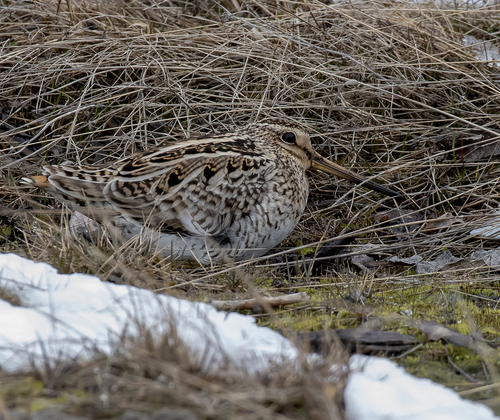 Swinhoe's Snipe
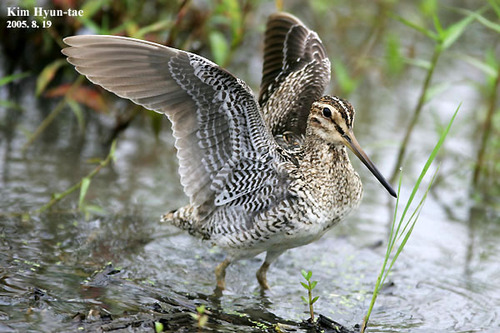 Beccaccino stenuro
In breve
Separare Swinhoe's Snipe da Beccaccino stenuro sul campo è notoriamente difficile, specialmente in piumaggi non riproduttivi o immaturi, poiché entrambi sono beccaccini Gallinago con un pattern criptico simile e una struttura e colorazione simili. Le differenze più affidabili sono sottili: Swinhoe's Snipe è leggermente più grande e pesante, con un becco e una coda marginalmente più lunghi, ma è difficile giudicarli senza un confronto diretto. Entrambe le specie mostrano parti superiori macchiate di marrone, buff e bianco simili e parti inferiori striate, e gli immaturi sono quasi indistinguibili nel piumaggio. Il comportamento in volo e le sottili differenze nella struttura (come la lunghezza della coda e la forma dell'ala) possono offrire i migliori indizi, ma anche gli osservatori esperti spesso faticano senza viste ravvicinate o confronto diretto.
Consigli di identificazione
- Dimensioni e Struttura: Swinhoe's Snipe è leggermente più grande e pesante di Beccaccino stenuro (140 g vs 116.5 g), con un becco e una coda marginalmente più lunghi. Questa differenza è sottile e non sempre evidente a meno che gli uccelli non siano visti fianco a fianco.
- Lunghezza del Becco: Swinhoe's Snipe ha un becco leggermente più lungo, ma è difficile giudicarlo sul campo a meno che gli uccelli non siano vicini e non ostruiti.
- Lunghezza della Coda: Swinhoe's Snipe ha una coda marginalmente più lunga, ma anche in questo caso, è una distinzione sottile e non facilmente utilizzabile in isolamento.
- Pattern delle Parti Superiori: Entrambe le specie hanno parti superiori criptiche e macchiate in nero, marrone, buff e bianco. Non sono descritte differenze affidabili nel pattern o nella colorazione tra le due.
- Pattern delle Parti Inferiori: Entrambe mostrano un petto striato di buff e una pancia bianca. La striscia oculare scura con supercilium chiaro e linee suboculari è presente in entrambe, quindi non è diagnostica.
- Forma dell'Ala in Volo: Beccaccino stenuro è descritto come avente ali meno appuntite rispetto al Beccaccino, ma non è fornito alcun confronto diretto con Swinhoe's.
- Forma della Coda in Volo: Beccaccino stenuro è detto avere una coda più corta e un percorso di volo più piatto rispetto al Beccaccino, ma non sono specificate differenze con Swinhoe's. Entrambi possono apparire simili in volo.
- Piumaggio Giovanile/Immature: Non sono descritti pattern distintivi delle ali superiori o della coda per nessuna delle due specie che consentano una separazione affidabile.
- Differenze Sessuali: I sessi sono simili in entrambe le specie; non utilizzare il sesso come segno sul campo.
- Vocalizzazioni: Se udite, i maschi di Beccaccino stenuro possono emettere un canto forte e ripetitivo 'tcheka' e produrre suoni fischianti in volo di display. Le vocalizzazioni di Swinhoe's Snipe non sono descritte qui, quindi questo potrebbe essere un indizio limitato ma possibile in contesti di display.
- Comportamento: Entrambe le specie si allontanano riluttanti dalla copertura e mostrano comportamenti di alimentazione e movimento simili. Il comportamento di display (display di gruppo nel Beccaccino stenuro) è raramente osservato al di fuori della stagione riproduttiva.
- Habitat: Entrambi utilizzano habitat umidi simili; l'habitat non è un separatore affidabile.
- Trappole: La maggior parte dei segni sul campo si sovrappone, e anche gli osservatori esperti potrebbero non essere in grado di separare queste specie in modo affidabile senza viste ravvicinate e prolungate o esami a mano. Fai attenzione a non sovrainterpretare differenze sottili.
- Migliore Pratica: Utilizza una combinazione di dimensioni, struttura e qualsiasi indizio vocale o comportamentale disponibile, ma accetta che molti individui rimarranno non identificati sul campo.
- Quando in Dubbio: Se non puoi separare con fiducia i due basandoti su quanto sopra, è meglio registrare come 'Swinhoe's/Beccaccino stenuro' e annotare l'incertezza.
Taglia
Swinhoe's Snipe è mediamente visibilmente più pesante (140 g vs 116.5 g) e leggermente più lungo (27–29 cm vs 25–27 cm) rispetto a Beccaccino stenuro. Tuttavia, queste differenze sono sottili sul campo, specialmente quando gli uccelli sono visti singolarmente o a distanza. La lunghezza del becco è anche leggermente maggiore in Swinhoe's, ma anche in questo caso, è difficile valutare in modo affidabile senza viste fianco a fianco. Entrambi sono beccaccini Gallinago di dimensioni medie, e la dimensione da sola è raramente diagnostica.
Piumaggio
Entrambe le specie hanno parti superiori criptiche e macchiate in nero, marrone, buff e bianco, con parti inferiori chiare e un petto striato di buff. Gli immaturi di entrambe sono quasi identici, differendo solo in dettagli minori non facilmente visibili sul campo. Beccaccino stenuro mostra una striscia oculare scura con supercilium chiaro e linee suboculari, e una pancia bianca, ma queste caratteristiche sono condivise con Swinhoe's. Non sono descritti pattern distintivi delle ali superiori giovanili o di primo inverno per nessuna delle due specie che consentano una separazione affidabile. Le ali di Beccaccino stenuro sono descritte come meno appuntite rispetto al Beccaccino, ma non sono specificamente contrastate con Swinhoe's. Entrambi mancano del bordo bianco di coda del Beccaccino. Il pattern della coda non è descritto come distintivo tra questi due. In sintesi, il piumaggio non è un separatore affidabile a qualsiasi età basato sulle fonti attuali.
Comportamento
Entrambe le specie sono waders segreti e terrestri che si allontanano riluttanti dalla copertura. In volo, Beccaccino stenuro è noto per un percorso di volo più piatto e una coda più corta rispetto al Beccaccino, ma le differenze tra Beccaccino stenuro e Swinhoe's non sono chiaramente descritte. I maschi di Beccaccino stenuro possono esibirsi in gruppi, ma questo non è un segno affidabile per la maggior parte degli osservatori. Entrambe le specie mostrano comportamenti di alimentazione e di fuga simili.
Habitat
Non sono descritte differenze diagnostiche di habitat tra Swinhoe's e Beccaccino stenuro nelle fonti fornite. Entrambi occupano prati umidi, paludi e habitat simili durante la migrazione e l'inverno.
Voce
I maschi di Beccaccino stenuro possono esibirsi con un canto forte e ripetitivo 'tcheka' e produrre suoni fischianti in volo dalle loro penne di coda esterne simili a pin. Il richiamo normale è un debole 'squik.' Non sono descritte vocalizzazioni distintive per Swinhoe's Snipe nelle note fornite. Tuttavia, queste vocalizzazioni sono più spesso udite in contesti di display o riproduzione, che potrebbero non essere rilevanti per la maggior parte degli incontri sul campo.
Swinhoe's Snipe · Beccaccino stenuro · I miei uccelli difficili