

Motmot

スラツカツクリ 対 チャミミウズラ

Megapodius bernsteinii 対 Odontophorus erythrops

スラツカツクリとチャミミウズラのクイズ

スラツカツクリ (Megapodius bernsteinii) スラツカツクリ
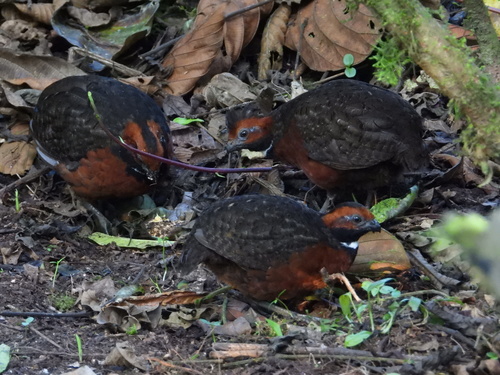
チャミミウズラ (Odontophorus erythrops) チャミミウズラ

メディア

読み込み中…

要点

スラツカツクリとチャミミウズラを区別する最も信頼できる方法は、全体の色と脚の色です:スラツカツクリは均一な赤褐色で、長く目を引く赤またはオレンジ赤の脚を持っています。一方、チャミミウズラは赤褐色、黒、オリーブの混合を示し、特徴的な赤褐色の冠と顔、そして裸の紫または青黒い目の輪があります。スラツカツクリは大きく、尖った冠を持ち、より均一な外観をしていますが、ウズラは小さく、丸みを帯びており、特に背中と腹部に模様があります。両者は地上に生息していますが、分布域は重なりません:スラツカツクリはスラ島とバンガイ島に限定され、チャミミウズラはコロンビアとエクアドルに生息しています。未成熟のウズラは腹部に黒い斑点と帯を示しますが、スラツカツクリにはそれは存在しません。

識別のコツ

  1. Uniformity of Plumage: スラツカツクリは常に均一な赤褐色で、体、翼、または腹部にバリング、斑点、または対照的な色はありません。チャミミウズラは赤褐色、黒、オリーブの混合を示し、背中と腹部に黒い斑点があります(特に幼鳥において)。
  2. Leg Color and Length: スラツカツクリは長く明るい赤またはオレンジ赤の脚を持ち、特に歩いているときに非常に目立ちます。チャミミウズラははるかに短く、目立たない脚を持っています。
  3. Crest Shape: 両種は冠を持っていますが、スラツカツクリの冠は短く尖っており、ウズラの冠はより丸みを帯びていて赤褐色の冠と融合しています。
  4. Facial Pattern: チャミミウズラは特徴的な赤褐色の冠と顔を持ち、裸の紫(オス)または青黒(メス)の目の輪があり、顔がより模様がありカラフルに見えます。スラツカツクリの顔は体の他の部分と同じ赤褐色で、対照的な目の輪や顔の斑点はありません。
  5. Juvenile Pattern: 幼鳥のウズラは腹部に黒い斑点と帯を持っており、これはスラツカツクリのどの年齢にも存在しない特徴です。腹部にバリングや斑点が見られた場合、それはウズラです。
  6. Back and Rump: ウズラは黒またはオリーブの背中に黒い斑点を示すことがありますが、スラツカツクリは上面が単色の赤褐色です。
  7. Throat Color (O. e. parambae): ウズラのパランバエ亜種は白い喉を持ち、これはスラツカツクリでは見られません。
  8. Body Shape and Posture: スラツカツクリは長く、より直立しており、「脚が長い」印象を与えますが、ウズラはコンパクトで丸みを帯びており、地面に低く座ります。
  9. Size: スラツカツクリは30–35 cmの長さで、明らかに大きいです。もしスケール感があれば、これは役立ちます。
  10. Behavior: メガポッドはしばしば直立して歩き、より意図的に見えることがありますが、ウズラは群れで素早く動き、突然飛び立つ可能性が高いです。
  11. Range: スラ島またはバンガイ島にいない場合、スラツカツクリは見られません。コロンビア/エクアドルの外にいる場合、チャミミウズラは見られません。
  12. Sex Differences: スラツカツクリの性別は似ています。ウズラでは、メスは顔が鈍く、青黒い目の輪を持っていますが、両性とも主要なフィールドマークを共有しています。
  13. Flight Views: どちらの種にも特徴的な上翼の模様は記載されていないため、飛行中は体の色と構造に依存してください。
  14. No Voice Data: 音声は情報源に記載されていないため、呼び声や歌に依存して区別しないでください。
  15. Habitat Context: 両種は森林の生息地を好みますが、メガポッドはマングローブや低木地にも生息することがありますが、ウズラはアンデスの山麓に厳密に森林に生息しています。

大きさ

スラツカツクリは明らかに大きく、長さは30–35 cmで、チャミミウズラは23–28 cmです。メガポッドは長い赤またはオレンジ赤の脚のため、脚が長く、より直立しているように見えますが、ウズラはよりコンパクトで丸みを帯びています。質量では、ウズラは約329–340 gですが、メガポッドの質量は記載されていません。長さと脚の構造の違いは、現場でより視覚的に際立っています。

羽色

幼鳥と成鳥のスラツカツクリは全体が均一な赤褐色で、バリング、斑点、または対照的な模様はなく、両性とも似ています。彼らは短く尖った冠と長く鮮やかな赤またはオレンジ赤の脚を持っています。それに対して、成鳥のチャミミウズラのオスは赤褐色の冠、冠、顔を持ち、裸の紫の目の輪と、黒またはオリーブの背中/臀部に黒い斑点があることがあります;胸部と腹部は暗い赤褐色です。メスは顔が鈍い栗色で青黒い目の輪を持っています。幼鳥はメスに似ていますが、腹部に黒い斑点と帯を示します—これはスラツカツクリのどの年齢にも見られない重要な特徴です。O. e. parambae亜種は上面がより暗く、白い喉を持ち、さらなるコントラストを加えます。飛行中または地上では、ウズラは常に均一なメガポッドよりも多くの模様とコントラストを示します。

行動

両種は地上に生息し、秘密主義ですが、スラツカツクリは直立した姿勢で歩いているのが見られる可能性が高く、その長い脚と冠を見せます。チャミミウズラは群れで動く傾向があり、密な下草をすばやく駆け抜け、よりコンパクトで丸みを帯びているように見えます。メガポッドの行動は「鶏のよう」に見えることがありますが、ウズラはより用心深く、素早く動きます。

生息環境

この2種は決して分布域が重なりません:スラツカツクリはインドネシアのスラ島とバンガイ島にのみ生息し、乾燥した低地、湿った低地、マングローブ、低木地などのさまざまな森林タイプに生息しています。チャミミウズラはコロンビアとエクアドルに限定され、森林地域に生息しています。自分の位置を知っていれば、これは決定的な区別です。

より良い説明を送る

比較と同じ項目を使ってください。文章はすぐに公開されます。

The most reliable way to separate Sula Megapode from Rufous-fronted Wood-Quail is by overall color and leg color: Sula Megapode is a uniform reddish-brown with long, striking red or orange-red legs, while Rufous-fronted Wood-Quail shows a mix of rufous, black, and olive with a distinctive rufous crown and face, and a bare purple or blue-black eye ring. Sula Megapode is larger, with a pointed crest and a more uniform appearance, whereas the wood-quail is smaller, rounder, and patterned, especially on the back and belly. Both are ground-dwellers, but their ranges do not overlap: Sula Megapode is restricted to the Sula and Banggai Islands, while Rufous-fronted Wood-Quail is found in Colombia and Ecuador. Immature wood-quails show black spots and bars on the belly, which are never present in Sula Megapode.

  1. Uniformity of Plumage: Sula Megapode is always a uniform reddish-brown with no barring, spots, or contrasting colors on the body, wings, or belly. Rufous-fronted Wood-Quail shows a mix of rufous, black, and olive, with black spots on the back and belly (especially in juveniles).
  2. Leg Color and Length: Sula Megapode has long, bright red or orange-red legs that are very obvious in the field, especially when walking. Rufous-fronted Wood-Quail has much shorter, less conspicuous legs.
  3. Crest Shape: Both species have a crest, but Sula Megapode's is short and pointed, while the wood-quail's crest is more rounded and blends with the rufous crown.
  4. Facial Pattern: Rufous-fronted Wood-Quail has a distinctive rufous crown and face, with a bare purple (male) or blue-black (female) eye ring, making the face look more patterned and colorful. Sula Megapode's face is the same reddish-brown as the rest of the body, lacking any contrasting eye ring or facial patch.
  5. Juvenile Pattern: Juvenile wood-quails have black spots and bars on the belly—a mark never present in Sula Megapode of any age. If you see belly barring or spotting, it's a wood-quail.
  6. Back and Rump: Wood-quail can show black or olive backs with black spots, while Sula Megapode is plain reddish-brown above.
  7. Throat Color (O. e. parambae): The parambae subspecies of wood-quail has a white throat, which is never seen in Sula Megapode.
  8. Body Shape and Posture: Sula Megapode is longer, more upright, and 'leggier,' while wood-quail is compact, rounded, and sits lower to the ground.
  9. Size: Sula Megapode is 30–35 cm long, noticeably larger than the 23–28 cm wood-quail. If you have a sense of scale, this is helpful.
  10. Behavior: Megapodes often walk upright and can appear more deliberate, while wood-quail move quickly in groups and are more likely to flush suddenly.
  11. Range: If you are not on the Sula or Banggai Islands, you are not seeing Sula Megapode. If you are outside Colombia/Ecuador, you are not seeing Rufous-fronted Wood-Quail.
  12. Sex Differences: Sula Megapode sexes are alike. In wood-quail, the female is duller on the face and has a blue-black eye ring, but both sexes share the main field marks.
  13. Flight Views: No distinctive upperwing pattern is described for either species, so rely on body color and structure in flight.
  14. No Voice Data: Vocalizations are not described in the sources, so do not rely on calls or songs for separation.
  15. Habitat Context: Both species prefer forested habitats, but megapode can also occur in mangroves and shrubland, while wood-quail is strictly forest-dwelling in the Andes foothills.

Sula Megapode is noticeably larger, measuring 30–35 cm in length, while Rufous-fronted Wood-Quail is 23–28 cm. The megapode also appears longer-legged and more upright due to its long red or orange-red legs, whereas the wood-quail is more compact and rounded. In mass, the wood-quail is around 329–340 g, but no mass is given for the megapode; the difference in length and leg structure is more visually striking in the field.

Juvenile and adult Sula Megapode are a uniform reddish-brown all over, with no barring, spotting, or contrasting pattern, and both sexes look alike. They have a short, pointed crest and long, vividly colored red or orange-red legs. In contrast, adult Rufous-fronted Wood-Quail males have a rufous crown, crest, and face, a bare purple eye ring, and a back/rump that can be black or olive with black spots; the breast and belly are dark rufous. Females are duller chestnut on the face with a blue-black eye ring. Juveniles resemble females but show black spots and bars on the belly—a key mark not found in Sula Megapode of any age. The O. e. parambae subspecies has darker upperparts and a white throat, adding further contrast. In flight or on the ground, the wood-quail always shows more pattern and contrast than the uniform megapode.

Both species are ground-dwelling and secretive, but Sula Megapode is more likely to be seen walking with an upright stance, showing off its long legs and crest. Rufous-fronted Wood-Quail tends to move in coveys, scurrying through dense undergrowth, and appears more compact and rounded. The megapode's behavior may seem more 'chicken-like,' while the wood-quail is more furtive and quick-moving.

The two species never overlap in range: Sula Megapode is found only on the Sula and Banggai Islands in Indonesia, in a variety of forest types including dry, moist lowland, mangrove, and shrubland. Rufous-fronted Wood-Quail is restricted to Colombia and Ecuador, inhabiting forested areas. If you know your location, this is a decisive separation.

変更を破棄しますか?

保存していない編集があります。今離れると失われます。

スラツカツクリ · チャミミウズラ · 苦手な鳥