

Motmot

アネッタイスズメフクロウ 対 コスズメフクロウ

Glaucidium parkeri 対 Glaucidium griseiceps

アネッタイスズメフクロウとコスズメフクロウのクイズ
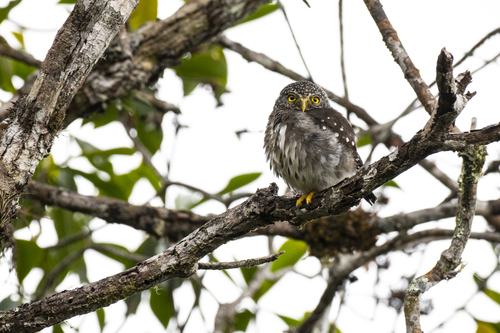
アネッタイスズメフクロウ (Glaucidium parkeri) アネッタイスズメフクロウ
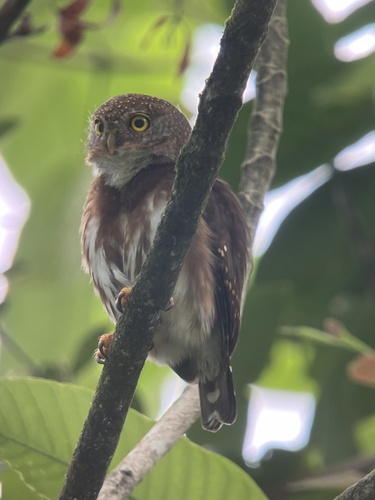
コスズメフクロウ (Glaucidium griseiceps) コスズメフクロウ

メディア

読み込み中…

要点

アネッタイスズメフクロウとコスズメフクロウの最も信頼できるフィールドマークは、特に幼鳥における頭頂部と後頭部の模様と斑点です:幼鳥のコスズメフクロウは、無地の灰色で斑点のない頭頂部とすすけた後頭部の「偽の目」を持っていますが、成鳥およびおそらく幼鳥のアネッタイスズメフクロウは、頭頂部と顔に目立つ白い斑点を示します。両種の成鳥は似て見えることがありますが、アネッタイスズメフクロウはより暗く、オリーブブラウンの上面の色合いを持ち、尾は黒っぽく斑点のある白い帯があります。一方、コスズメフクロウの尾はより豊かな茶色で淡い帯があります。両種は小さく、ずんぐりしたフクロウで構造は似ていますが、コスズメフクロウは平均してやや大きく、重いです。鳴き声は異なりますが、フィールドで常に診断的ではありません。分布は強い手がかりです:アネッタイスズメフクロウはボリビア、コロンビア、エクアドル、ペルーのアンデスに限定されているのに対し、コスズメフクロウは南メキシコから中央アメリカを経て南米北西部に分布しています。

識別のコツ

  1. Juvenile crown pattern: 幼鳥のコスズメフクロウは無地の灰色で斑点のない頭頂部とすすけた後頭部の「偽の目」を持っています—もしきれいな灰色の頭で頭頂部に斑点がない小さなフクロウを見たら、それはコスズメフクロウです。幼鳥のアネッタイスズメフクロウは記載されていませんが、成鳥(おそらく未成熟個体)には頭頂部と顔に目立つ白い斑点があります。
  2. Adult crown spotting: アネッタイスズメフクロウの成鳥は灰褐色の頭頂部に目立つ白い斑点があります;コスズメフクロウの成鳥は灰褐色の頭頂部に淡いから白っぽい斑点がありますが、これらは目立たないことがあります。
  3. Nape 'false eyes': 両種は後頭部に暗い「偽の目」を持っていますが、コスズメフクロウの幼鳥はすすけた(より暗い)斑点を持っているのに対し、アネッタイスズメフクロウのものは黒です。
  4. Upperparts tone: アネッタイスズメフクロウはより暗く、オリーブブラウンの背中と尻を持っています;コスズメフクロウは上面がより豊かな茶色です。
  5. Tail pattern: アネッタイスズメフクロウの尾は黒っぽく斑点のある白い帯があります;コスズメフクロウの尾は豊かな茶色で淡い帯があります。帯の鋭さと背景色の違いを探してください。
  6. Underpart streaking: 両種は白っぽい腹部に赤褐色の斑点がありますが、アネッタイスズメフクロウの斑点はより広く鈍い(赤オリーブブラウン)であり、コスズメフクロウのものはより狭く、より赤褐色です。
  7. Rufous morph: 両種はまれな赤褐色の変異を示すことがありますが、フィールドで信頼できる分離はできません—これを主要なマークとして使用するのは避けてください。
  8. Size: コスズメフクロウはやや大きく、重いことがありますが、重なりが大きいです;極端な場合が観察されない限り、サイズに頼らないでください。
  9. Vocalization: もし2〜4回のフクロウの鳴き声が続き、間に一時停止があり、その後に似たような音の急速な連続が聞こえたら、それはコスズメフクロウです。アネッタイスズメフクロウの歌はここでは記載されていないので、注意してください。
  10. Range: アネッタイスズメフクロウはボリビア、コロンビア、エクアドル、ペルーのアンデスに限定されています;コスズメフクロウは南メキシコから中央アメリカを経てコロンビアとエクアドルに分布しています。重なりのある地域(コロンビア、エクアドル)では、 habitat と標高を利用してください。
  11. Habitat and elevation: アネッタイスズメフクロウはより高い標高の亜熱帯/山地の森林を好みます;コスズメフクロウはより低地や丘陵の森林に多く見られます。もし低地の中央アメリカにいるなら、ほぼ確実にコスズメフクロウです。
  12. Perched posture and jizz: 両種は構造と姿勢が似ており—小さく、ずんぐりした、直立したフクロウ—これを分離の基準として使用しないでください。
  13. Flight views: どちらの種についても特定の飛行や上翼のパターンの違いは記載されていないので、飛行中に見た場合は頭と尾のパターンに焦点を当ててください。
  14. Sex and season: これらの2種を分離するのに役立つ季節的または性的な羽毛の違いは記載されていません。
  15. Pitfalls: 赤褐色の変異や斑点の強度には注意が必要です。これらは個体によって変わることがあり、重なることがあります。最も信頼できる分離のためには、頭頂部の斑点(特に幼鳥において)、尾のパターン、分布/生息地に焦点を当ててください。

大きさ

アネッタイスズメフクロウは約14〜14.5 cmの長さで、オスの平均体重は61.6 gです。コスズメフクロウは13〜18 cmの長さで、オスは50.6〜58.8 g、メスは約56 gです。重なりがありますが、コスズメフクロウはやや大きく、重いことがあります、特にその範囲の上限で。フィールドでは、この違いは微妙であり、両種が並んで見られない限り信頼できる分離の基準にはなりません。

羽色

幼鳥のコスズメフクロウは特徴的です:その頭頂部と後頭部は無地の灰色で斑点がなく、後頭部の「偽の目」はすすけています。対照的に、幼鳥のアネッタイスズメフクロウの羽毛は記載されていませんが、成鳥(おそらく未成熟個体)は灰褐色の頭頂部と顔に目立つ白い斑点を示し、後頭部には黒い「偽の目」があります。成鳥のアネッタイスズメフクロウは白い斑点のある灰褐色の頭頂部、暗い茶色の背中と尻、斑点のある白い帯のある黒っぽい尾を持っています。コスズメフクロウの成鳥は灰褐色の頭頂部に淡いから白っぽい斑点、豊かな茶色の上面、淡い帯のある尾を持っています。腹部は両種で似ており:白っぽく赤褐色の斑点がありますが、アネッタイスズメフクロウの斑点はより広く鈍い赤オリーブブラウンです。両種はまれな赤褐色の変異を持っており、フィールドで信頼できる分離はできません。

行動

両種は小さく、ずんぐりしたフクロウで、森林生息地で直立して止まっているのがよく見られます。フィールドで信頼できる分離を行うための強い行動の違いは記載されていません。

生息環境

アネッタイスズメフクロウはボリビア、コロンビア、エクアドル、ペルーのアンデスに見られ、通常は亜熱帯または山地の森林に生息しています。コスズメフクロウは南メキシコから中央アメリカを経て南米北西部(コロンビアとエクアドルを含む)に至るまで、はるかに広い範囲を占めており、低地や丘陵の森林に見られます。コロンビアとエクアドルでは重なりが発生することがありますが、生息地の標高と森林の種類が役立ちます:アネッタイスズメフクロウはより高い標高とより山地の環境を好みます。

声

コスズメフクロウの歌は、2〜4回の均等に間隔を置いたフクロウの鳴き声、短い一時停止、その後に6〜18回の似たような音の連続(「フー、フー、フー...」)で始まり、時にはトリルが前に来ることがあります。ここではアネッタイスズメフクロウの特定の鳴き声の説明はありませんので、声は信頼できる分離の基準にはなりません、完全な歌が聞かれ、既知の録音と比較されない限り。

より良い説明を送る

比較と同じ項目を使ってください。文章はすぐに公開されます。

The most reliable field mark between Subtropical Pygmy-Owl and Central American Pygmy-Owl is the pattern and spotting on the crown and nape, especially in juveniles: juvenile Central American Pygmy-Owls have a plain gray, unspotted crown and sooty nape 'false eyes', while adult and likely juvenile Subtropical Pygmy-Owls show prominent white spots on the crown and face. Adults of both can look similar, but Subtropical Pygmy-Owl tends to have a darker, more olive-brown upperpart tone, and its tail is blackish with spotty white bands, while Central American Pygmy-Owl's tail is richer brown with pale bars. Both species are small, chunky owls with similar structure, but Central American Pygmy-Owl averages slightly larger and heavier. Vocalizations differ, but are not always diagnostic in the field. Range is a strong clue: Subtropical Pygmy-Owl is restricted to the Andes of Bolivia, Colombia, Ecuador, and Peru, while Central American Pygmy-Owl is found from southern Mexico through Central America into northwestern South America.

  1. Juvenile crown pattern: Juvenile Central American Pygmy-Owl has a plain gray, unspotted crown and sooty nape 'false eyes'—if you see a small owl with a clean gray head and no crown spots, it's Central American Pygmy-Owl. Juvenile Subtropical Pygmy-Owl is undescribed, but adults (and likely immatures) show prominent white spots on the crown and face.
  2. Adult crown spotting: Subtropical Pygmy-Owl adults have prominent white spots on a grayish-brown crown; Central American Pygmy-Owl adults have buff to whitish spots on a grayish-brown crown, but these may be less conspicuous.
  3. Nape 'false eyes': Both species have dark 'false eyes' on the nape, but Central American Pygmy-Owl juveniles have sooty (darker) patches, while Subtropical Pygmy-Owl's are black.
  4. Upperparts tone: Subtropical Pygmy-Owl has a darker, more olive-brown back and rump; Central American Pygmy-Owl is richer brown above.
  5. Tail pattern: Subtropical Pygmy-Owl's tail is blackish with spotty white bands; Central American Pygmy-Owl's tail is rich brown with pale bars. Look for the difference in band sharpness and background color.
  6. Underpart streaking: Both have whitish underparts with reddish-brown streaks, but Subtropical Pygmy-Owl's streaks are broader and duller (reddish-olive brown), while Central American Pygmy-Owl's are narrower and more reddish brown.
  7. Rufous morph: Both species can show a rare rufous morph, which is not reliably separable in the field—avoid using this as a primary mark.
  8. Size: Central American Pygmy-Owl can be slightly larger and heavier, but overlap is significant; do not rely on size unless extremes are observed.
  9. Vocalization: If you hear a song starting with 2–4 hoots, a pause, then a rapid series of similar notes, it's Central American Pygmy-Owl. Subtropical Pygmy-Owl's song is not described here, so use caution.
  10. Range: Subtropical Pygmy-Owl is restricted to the Andes of Bolivia, Colombia, Ecuador, and Peru; Central American Pygmy-Owl ranges from southern Mexico through Central America to Colombia and Ecuador. In areas of overlap (Colombia, Ecuador), use habitat and elevation to help.
  11. Habitat and elevation: Subtropical Pygmy-Owl prefers subtropical/montane forests at higher elevations; Central American Pygmy-Owl is more often in lowland and foothill forests. If you are in lowland Central America, it's almost certainly Central American Pygmy-Owl.
  12. Perched posture and jizz: Both species are similar in structure and posture—small, chunky, upright owls—so do not use this as a separator.
  13. Flight views: No specific flight or upperwing pattern differences are described for either species, so focus on head and tail pattern if seen in flight.
  14. Sex and season: No seasonal or sexual plumage differences are described that would help separate these two species.
  15. Pitfalls: Be cautious with rufous morphs and streaking intensity, as these can vary individually and overlap. Focus on crown spotting (especially in juveniles), tail pattern, and range/habitat for the most reliable separation.

Subtropical Pygmy-Owl is about 14–14.5 cm long, with males averaging 61.6 g. Central American Pygmy-Owl ranges from 13–18 cm in length, with males 50.6–58.8 g and females about 56 g. There is overlap, but Central American Pygmy-Owl can be slightly larger and heavier, especially at the upper end of its range. In the field, this difference is subtle and not a reliable separator unless both species are seen side-by-side.

Juvenile Central American Pygmy-Owls are distinctive: their crown and nape are plain gray, lacking spots, and the nape's 'false eyes' are sooty. In contrast, juvenile Subtropical Pygmy-Owl plumage has not been described, but adults (and likely immatures) show prominent white spots on the grayish-brown crown and face, and black 'false eyes' on the nape. Adult Subtropical Pygmy-Owls have a grayish-brown crown with white spots, dark brown back and rump, and a blackish tail with spotty white bands. Central American Pygmy-Owl adults have a grayish-brown crown with buff to whitish spots, rich brown upperparts, and a tail with pale bars. Underparts are similar in both: whitish with reddish-brown streaks, but Subtropical Pygmy-Owl's streaks are broader and duller reddish-olive brown. Both species have a rare rufous morph, which is not reliably separable in the field.

Both species are small, stocky owls often seen perched upright in forested habitats. There are no strong behavioral differences described that would reliably separate them in the field.

Subtropical Pygmy-Owl is found in the Andes of Bolivia, Colombia, Ecuador, and Peru, typically in subtropical or montane forests. Central American Pygmy-Owl occupies a much broader range, from southern Mexico through Central America to northwestern South America (including Colombia and Ecuador), and is found in lowland and foothill forests. Overlap may occur in Colombia and Ecuador, but habitat elevation and forest type can help: Subtropical Pygmy-Owl favors higher elevations and more montane settings.

Central American Pygmy-Owl's song starts with 2–4 equally spaced hoots, a brief pause, then a series of 6–18 similar notes ('huu-huu, huu-huu-huu...'), sometimes preceded by trills. No specific vocal description is given for Subtropical Pygmy-Owl here, so voice is not a reliable separator unless the full song is heard and compared to known recordings.

変更を破棄しますか?

保存していない編集があります。今離れると失われます。

アネッタイスズメフクロウ · コスズメフクロウ · 苦手な鳥