

Subtropical Pygmy-Owl vs Central American Pygmy-Owl
Glaucidium parkeri contro Glaucidium griseiceps
Fai un quiz con Subtropical Pygmy-Owl e Central American Pygmy-Owl
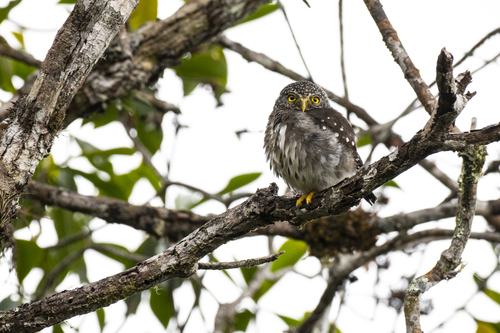 Subtropical Pygmy-Owl
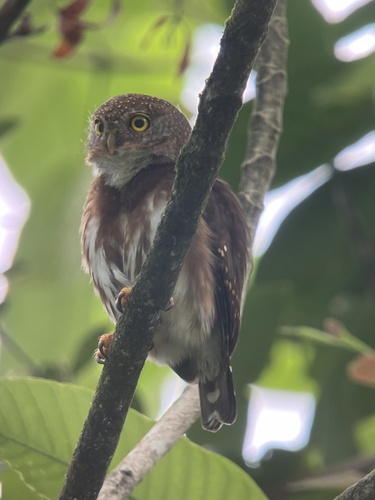 Central American Pygmy-Owl
In breve
Il segno di campo più affidabile tra il Gufo Pygmy Subtropicale e il Gufo Pygmy Centroamericano è il motivo e le macchie sulla corona e sul nape, specialmente nei giovani: i giovani Gufi Pygmy Centroamericani hanno una corona grigia uniforme, senza macchie, e un nape con 'falsi occhi' scuri, mentre i Gufi Pygmy Subtropicali adulti e probabilmente giovani mostrano macchie bianche prominenti sulla corona e sul viso. Gli adulti di entrambi possono sembrare simili, ma il Gufo Pygmy Subtropicale tende ad avere un tono superiore più scuro e marrone oliva, e la sua coda è nerastra con bande bianche macchiate, mentre la coda del Gufo Pygmy Centroamericano è di un marrone più ricco con barre chiare. Entrambe le specie sono piccoli gufi tozzi con una struttura simile, ma il Gufo Pygmy Centroamericano è mediamente leggermente più grande e pesante. Le vocalizzazioni differiscono, ma non sono sempre diagnostiche sul campo. L'areale è un forte indizio: il Gufo Pygmy Subtropicale è ristretto alle Ande della Bolivia, Colombia, Ecuador e Perù, mentre il Gufo Pygmy Centroamericano si trova dal sud del Messico attraverso l'America Centrale fino al nord-ovest del Sud America.
Consigli di identificazione
- Motivo della corona giovanile: Il giovane Gufo Pygmy Centroamericano ha una corona grigia uniforme, senza macchie, e un nape con 'falsi occhi' scuri—se vedi un piccolo gufo con una testa grigia pulita e senza macchie sulla corona, è un Gufo Pygmy Centroamericano. Il giovane Gufo Pygmy Subtropicale non è descritto, ma gli adulti (e probabilmente gli immaturi) mostrano macchie bianche prominenti sulla corona e sul viso.
- Macchie sulla corona degli adulti: Gli adulti del Gufo Pygmy Subtropicale hanno macchie bianche prominenti su una corona marrone grigiastro; gli adulti del Gufo Pygmy Centroamericano hanno macchie color crema a bianche su una corona marrone grigiastro, ma queste possono essere meno evidenti.
- 'Falsi occhi' sul nape: Entrambe le specie hanno 'falsi occhi' scuri sul nape, ma i giovani Gufi Pygmy Centroamericani hanno macchie scure (più scure), mentre quelli del Gufo Pygmy Subtropicale sono neri.
- Tono delle parti superiori: Il Gufo Pygmy Subtropicale ha un dorso e un rene più scuri e marrone oliva; il Gufo Pygmy Centroamericano è di un marrone più ricco sopra.
- Motivo della coda: La coda del Gufo Pygmy Subtropicale è nerastra con bande bianche macchiate; la coda del Gufo Pygmy Centroamericano è di un marrone ricco con barre chiare. Cerca la differenza nella nitidezza delle bande e nel colore di sfondo.
- Striature delle parti inferiori: Entrambi hanno parti inferiori bianche con striature marrone-rossicce, ma le striature del Gufo Pygmy Subtropicale sono più larghe e più opache (marrone-rossiccio oliva), mentre quelle del Gufo Pygmy Centroamericano sono più strette e di un marrone più rossiccio.
- Morfologia ruggine: Entrambe le specie possono mostrare una rara morfologia ruggine, che non è separabile in modo affidabile sul campo—evita di usare questo come segno principale.
- Dimensione: Il Gufo Pygmy Centroamericano può essere leggermente più grande e pesante, ma l'overlap è significativo; non fare affidamento sulla dimensione a meno che non vengano osservati estremi.
- Vocalizzazione: Se senti un canto che inizia con 2–4 hoot, una pausa, poi una serie rapida di note simili, è un Gufo Pygmy Centroamericano. Il canto del Gufo Pygmy Subtropicale non è descritto qui, quindi usa cautela.
- Areale: Il Gufo Pygmy Subtropicale è ristretto alle Ande della Bolivia, Colombia, Ecuador e Perù; il Gufo Pygmy Centroamericano si estende dal sud del Messico attraverso l'America Centrale fino alla Colombia e all'Ecuador. Nelle aree di sovrapposizione (Colombia, Ecuador), usa l'habitat e l'elevazione per aiutare.
- Habitat e elevazione: Il Gufo Pygmy Subtropicale preferisce foreste subtropicali/montane a elevazioni più alte; il Gufo Pygmy Centroamericano si trova più spesso in foreste di pianura e di piede. Se ti trovi nell'America Centrale di pianura, è quasi certamente un Gufo Pygmy Centroamericano.
- Postura e jizz in perching: Entrambe le specie sono simili nella struttura e nella postura—gufi piccoli, tozzi e dritti—quindi non usare questo come separatore.
- Visioni in volo: Non sono descritte differenze specifiche nel volo o nel motivo delle ali superiori per nessuna delle due specie, quindi concentrati sul motivo della testa e della coda se viste in volo.
- Sesso e stagione: Non sono descritte differenze di piumaggio stagionali o sessuali che aiuterebbero a separare queste due specie.
- Trappole: Fai attenzione con le morfologie ruggine e l'intensità delle striature, poiché queste possono variare individualmente e sovrapporsi. Concentrati sulle macchie della corona (specialmente nei giovani), sul motivo della coda e sull'areale/habitat per la separazione più affidabile.
Taglia
Il Gufo Pygmy Subtropicale è lungo circa 14–14.5 cm, con i maschi che pesano mediamente 61.6 g. Il Gufo Pygmy Centroamericano varia da 13–18 cm di lunghezza, con i maschi che pesano 50.6–58.8 g e le femmine circa 56 g. C'è sovrapposizione, ma il Gufo Pygmy Centroamericano può essere leggermente più grande e pesante, specialmente all'estremità superiore del suo range. Sul campo, questa differenza è sottile e non è un separatore affidabile a meno che entrambe le specie non siano viste fianco a fianco.
Piumaggio
I giovani Gufi Pygmy Centroamericani sono distintivi: la loro corona e il nape sono grigi uniformi, privi di macchie, e gli 'occhi falsi' del nape sono scuri. Al contrario, il piumaggio del giovane Gufo Pygmy Subtropicale non è stato descritto, ma gli adulti (e probabilmente gli immaturi) mostrano macchie bianche prominenti sulla corona e sul viso marrone grigiastro, e 'falsi occhi' neri sul nape. Gli adulti del Gufo Pygmy Subtropicale hanno una corona marrone grigiastro con macchie bianche, un dorso e un rene marrone scuro, e una coda nerastra con bande bianche macchiate. Gli adulti del Gufo Pygmy Centroamericano hanno una corona marrone grigiastro con macchie color crema a bianche, parti superiori marrone ricco, e una coda con barre chiare. Le parti inferiori sono simili in entrambe: bianche con striature marrone-rossicce, ma le striature del Gufo Pygmy Subtropicale sono più larghe e più opache marrone-rossiccio oliva. Entrambe le specie hanno una rara morfologia ruggine, che non è separabile in modo affidabile sul campo.
Comportamento
Entrambe le specie sono piccoli gufi tozzi spesso visti in posizione eretta in habitat forestali. Non ci sono forti differenze comportamentali descritte che aiuterebbero a separarle in modo affidabile sul campo.
Habitat
Il Gufo Pygmy Subtropicale si trova nelle Ande della Bolivia, Colombia, Ecuador e Perù, tipicamente in foreste subtropicali o montane. Il Gufo Pygmy Centroamericano occupa un areale molto più ampio, dal sud del Messico attraverso l'America Centrale fino al nord-ovest del Sud America (inclusa la Colombia e l'Ecuador), e si trova in foreste di pianura e di piede. Può verificarsi sovrapposizione in Colombia e Ecuador, ma l'elevazione dell'habitat e il tipo di foresta possono aiutare: il Gufo Pygmy Subtropicale favorisce elevazioni più alte e ambienti più montani.
Voce
Il canto del Gufo Pygmy Centroamericano inizia con 2–4 hoot equidistanti, una breve pausa, poi una serie di 6–18 note simili ('huu-huu, huu-huu-huu...'), a volte precedute da trilli. Non è fornita qui una descrizione vocale specifica per il Gufo Pygmy Subtropicale, quindi la voce non è un separatore affidabile a meno che l'intero canto non venga ascoltato e confrontato con registrazioni note.
Subtropical Pygmy-Owl · Central American Pygmy-Owl · I miei uccelli difficili