

Motmot

シマノドユミハチドリ 対 スミレセンニョハチドリ

Phaethornis striigularis 対 Heliothryx barroti

シマノドユミハチドリとスミレセンニョハチドリのクイズ
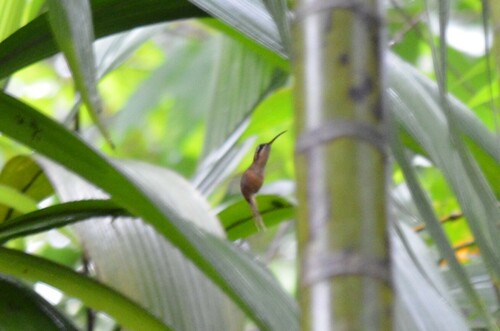
シマノドユミハチドリ (Phaethornis striigularis) シマノドユミハチドリ
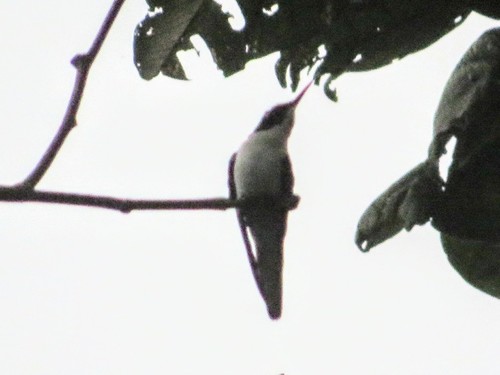
スミレセンニョハチドリ (Heliothryx barroti) スミレセンニョハチドリ

メディア

読み込み中…

要点

ストライプスロートハーミットとスミレセンニョハチドリを区別する最も信頼できるフィールドマークは、全体の構造と顔のパターンです:ハーミットは小さく、地味で、長いくちばしを持つハチドリで、強い黒と白の顔のマスクとわずかに縞模様の喉を持っています。一方、フェアリーはより大きく、細長く、短いくちばしの種で、目を引く白い腹部、エメラルド色の上面、そして(オスでは)金属的な紫色の冠を持っています。若いスミレセンニョハチドリはシナモン色のエッジのある上面と下にまばらな暗い斑点を示し、ハーミットとは異なります。飛行中または止まっているとき、フェアリーの長く尖った白い縁のある尾と純白の下部が際立ちますが、ハーミットの尾は短く、より丸みを帯び、黄土色または白っぽい先端を持っています。くちばしの形状(ハーミットは長く湾曲しているのに対し、フェアリーは短くまっすぐ)は、すべての年齢での重要な区別点です。両種は暗い目のストライプを持っていますが、ハーミットだけが強いマラールとスーペルシリウムを持っています。ハーミットの性別は似ていますが、フェアリーのオスは鮮やかな紫色の冠を持っています。

識別のコツ

  1. Bill shape and length: ストライプスロートハーミットは、下くちばしの黄色がかった基部を持つ長く強く湾曲したくちばしを持っています;スミレセンニョハチドリは短く、まっすぐで、全体が黒いくちばしを持っています。これはすべての年齢と性別で最も一貫した構造的な区別点です。
  2. Tail shape and pattern: フェアリーの尾は長く、尖っており、青黒い中央の羽と白い外羽で鋭く模様が付けられています;ハーミットの尾は短く、より丸みを帯び、黄土色から白っぽい先端を持っています(決して大胆な白い外羽はありません)。尾の模様は、飛行中や鳥が尾を広げるときに特に明確です。
  3. Underparts color: ストライプスロートハーミットは、淡い灰褐色の喉と腹部を持ち、しばしば喉にわずかな暗い縞模様があります;スミレセンニョハチドリは、成鳥ではバフや茶色の洗いがない純白の下部を持っています。未熟なフェアリーは白い喉と胸にまばらな暗い斑点を示すことがありますが、ハーミットの縞模様や茶色がかった外観は決してありません。
  4. Facial pattern: ハーミットは、上に白っぽいバフのスーペルシリウムと下に白っぽいバフのマラールストライプで囲まれた強い黒いマスクを示し、三部構成の顔を形成します;フェアリーは黒い目のストライプを持っていますが、大胆なスーペルシリウムとマラールが欠けており、目の下はよりクリーンで白いです。
  5. Crown color (males): オスのスミレセンニョハチドリは金属的な紫色の前冠と目の後ろに紫色の斑点を持っています;ストライプスロートハーミットは頭に紫色を示しません。メスのフェアリーは緑色の冠を持ち、紫色が欠けていますが、ハーミットの鈍い緑色の冠とは依然として異なります。
  6. Upperparts: ハーミットは上面が鈍い虹色の緑色で、淡いルフス色の尾を持っています;フェアリーは上面が明るいエメラルドグリーンで、ルフス色の尾はありません。若いハーミットは淡いルフス色の背中を持ち、未熟なフェアリーはシナモン色のエッジのある上面を持っています。
  7. Size and jizz: フェアリーはより大きく、細長く、尾が長いことが多く、飛行中や止まっているときにより伸びた印象を与えます。ハーミットは小さく、コンパクトで、より背中を丸めた姿勢を持っています。
  8. Flight style: ハーミットは低く直接的に飛ぶ傾向があり、しばしば植生の近くを飛びます;フェアリーはより高く採餌し、特に中層や樹冠でより浮遊感や敏捷性を持っているように見えます。
  9. Juvenile/immature marks: 若いハーミットは淡いルフス色の背中を持っています;未熟なフェアリーは上面にシナモン色の縁取りと白い喉と胸にまばらな暗い斑点を持っています。これらの年齢特有のマークは、よく見られれば診断的です。
  10. Throat pattern: ハーミットの喉は淡い灰褐色で、わずかな暗い縞模様があります(時には見えにくいことがあります);フェアリーの喉は成鳥では純白で、未熟なものにはまばらな暗い斑点しかありません。
  11. Bill base color: ハーミットは下くちばしの基部に黄色を示します;フェアリーのくちばしは完全に黒いです。
  12. Tail tip color: ハーミットの尾は黄土色から白っぽい先端を持ち(決して純白の外羽はありません);フェアリーの尾は白い外羽と青黒い中央羽を持っています。
  13. Vocalizations: レックから高音で、きしむような単調な歌を聞いた場合、ストライプスロートハーミットを疑ってください。フェアリーの歌はここでは説明されていません。
  14. Habitat context: 密な下層植生や低い森林では、ハーミットがより可能性が高いです;中層や樹冠、特に森林の端では、フェアリーがより可能性が高いです。
  15. Sex differences: ハーミットの性別はほぼ同じですが、フェアリーのオスは紫色の冠を持ち、メスは緑色の冠を持ち、顔の黒が少なく、両者はハーミットの顔のパターンとは異なります。

大きさ

ストライプスロートハーミットは、スミレセンニョハチドリ(9–13 cm、約5.5 g)よりもかなり小さく軽い(9–10 cm、2–3 g)です。最小の長さは重なりますが、フェアリーは通常、目に見えて長く、ほぼ2倍の重さです。フェアリーはまた、より細長く、外観が伸びており、長く尖った尾を持っています。ハーミットはコンパクトで、短く丸みを帯びた尾と、相対的に長く湾曲したくちばしを持っています。

羽色

若い鳥と未熟な鳥は、上面と下面のパターンによって最もよく区別されます:若いストライプスロートハーミットは淡いルフス色の背中を持ち、未熟なスミレセンニョハチドリは上面にシナモン色の縁取りと白い喉と胸にまばらな暗い斑点を示します。成鳥では、ハーミットは上面が鈍い緑色で、淡いルフス色の尾、バフの側面、淡い灰褐色の喉にわずかな暗い縞模様を持っています;フェアリーは上面が明るいエメラルドグリーンで、下部は純白で、青黒い中央羽と白い外羽を持つ長く尖った尾を持っています。ハーミットの顔は白っぽいスーペルシリウムとマラールで囲まれた黒いマスクを持ち、フェアリーの顔は黒い目のストライプを持っていますが、強いマラールとスーペルシリウムが欠けています。オスのスミレセンニョハチドリは金属的な紫色の前冠と目の後ろに紫色の斑点を持ち、ハーミットにはありません。ハーミットの尾は黄土色から白っぽい先端を持ち、フェアリーの尾は白い外羽で鋭く模様が付けられています。

行動

ストライプスロートハーミットは通常孤独ですが、オスは歌うためにレックに集まることがあります。彼は低いから中程度の高さで採餌し、しばしば下層で行動します。スミレセンニョハチドリは中層や樹冠で見られる可能性が高く、時には森林の端で低くなることもあります。フェアリーはあまり領土意識が強くありませんが、他のハチドリに対して顕著に攻撃的であることが多いです。彼はホバリングして採餌し、花を刺して蜜を奪うことがあります。ハーミットの採餌はハーミットに典型的で、攻撃性が少なく、より孤独な行動を示します。

生息環境

両種は中米と南米北西部に生息していますが、彼らのマイクロハビタットの好みは異なります。ストライプスロートハーミットは低から中程度の森林の下層や端を好み、スミレセンニョハチドリは特に森林の端で中層や樹冠にいることが多いです。フェアリーはハーミットよりも森林の層の高い位置に見られることがあります。両者は同じ地域に生息することがありますが、ハーミットは密で低い植生により結びついています。

声

ストライプスロートハーミットのオスは高音で、きしむような単調な歌を歌い、レックで簡単に聞き取れます。スミレセンニョハチドリの声は提供されたメモには記載されていません。したがって、エリアで持続的な高音のきしむような歌が聞こえた場合、特にレックから聞こえた場合はハーミットを指し示すかもしれません。

より良い説明を送る

比較と同じ項目を使ってください。文章はすぐに公開されます。

The most reliable field mark to separate Stripe-throated Hermit from Purple-crowned Fairy is overall structure and face pattern: the hermit is a small, drab, long-billed hummingbird with a strong black-and-white facial mask and faintly streaked throat, while the fairy is a larger, slender, short-billed species with a striking white belly, emerald upperparts, and (in males) a metallic violet crown. Juvenile Purple-crowned Fairies show cinnamon-edged upperparts and sparse dusky spots below, unlike any hermit. In flight or perched, the fairy’s long, pointed, white-edged tail and pure white underparts stand out, while the hermit’s tail is shorter, more rounded, and tipped ochraceous or whitish. Bill shape (long, decurved in hermit vs short, straight in fairy) is a key separator at all ages. Both species have a dark eye-stripe, but only the hermit has a strong malar and supercilium. Sexes are similar in the hermit, but fairy males have a vivid violet crown.

  1. Bill shape and length: Stripe-throated Hermit has a long, strongly decurved bill with a yellowish base to the lower mandible; Purple-crowned Fairy has a short, straight, all-black bill. This is the most consistent structural separator at all ages and sexes.
  2. Tail shape and pattern: The fairy’s tail is long, pointed, and sharply patterned with blue-black central feathers and white outer feathers; the hermit’s tail is shorter, more rounded, and tipped whitish to ochraceous (never with bold white outers). Tail pattern is especially clear in flight or when the bird fans its tail.
  3. Underparts color: Stripe-throated Hermit has buff flanks and a pale greyish-brown throat and belly, often with faint dark streaks on the throat; Purple-crowned Fairy has pure white underparts with no buff or brown wash in adults. Immature fairies may show sparse dusky spots on the white throat and breast, but never the streaked or brownish look of the hermit.
  4. Facial pattern: Hermit shows a strong black mask bordered above by a whitish-buff supercilium and below by a whitish-buff malar stripe, giving a three-part face; fairy has a black eye-stripe but lacks the bold supercilium and malar, and the face is cleaner and whiter below the eye.
  5. Crown color (males): Male Purple-crowned Fairy has a metallic violet forecrown and a violet spot behind the eye; Stripe-throated Hermit never shows violet on the head. Female fairy has a green crown, lacking violet, but still differs from the hermit’s dull green crown.
  6. Upperparts: Hermit is dull iridescent green above with a pale rufous rump; fairy is bright emerald green above with no rufous rump. Juvenile hermits have a pale rufous back, while immature fairies have cinnamon-edged upperparts.
  7. Size and jizz: The fairy is larger, more slender, and longer-tailed, often appearing more elongated in flight or perched. The hermit is smaller, compact, and has a more hunched posture.
  8. Flight style: Hermits tend to fly low and direct, often close to vegetation; fairies may forage higher and appear more buoyant or agile in the mid-story and canopy.
  9. Juvenile/immature marks: Juvenile hermits have a pale rufous back; immature fairies have cinnamon fringes on upperparts and sparse dusky spots on the white throat and breast. These age-specific marks are diagnostic if seen well.
  10. Throat pattern: Hermit’s throat is pale greyish-brown with faint dark streaks (sometimes hard to see); fairy’s throat is pure white in adults, with only sparse dusky spots in immatures.
  11. Bill base color: Hermit shows yellow at the base of the lower mandible; fairy’s bill is entirely black.
  12. Tail tip color: Hermit’s tail is tipped whitish to ochraceous (never pure white outer feathers); fairy’s tail has white outer feathers and blue-black central feathers.
  13. Vocalizations: If you hear a high-pitched, squeaky, monotonous song from a lek, suspect Stripe-throated Hermit. Fairy’s song is not described here.
  14. Habitat context: In dense understory or low forest, hermit is more likely; in mid-story or canopy, especially at forest edge, fairy is more likely.
  15. Sex differences: Hermit sexes are virtually identical; fairy males have a violet crown, females have a green crown and less facial black, but both differ from hermit’s facial pattern.

Stripe-throated Hermit is significantly smaller and lighter (9–10 cm, 2–3 g) than Purple-crowned Fairy (9–13 cm, about 5.5 g). While their minimum lengths overlap, the fairy is usually noticeably longer and almost twice as heavy. The fairy is also more slender and elongated in appearance, with a longer, more pointed tail. The hermit is compact, with a shorter, more rounded tail and a proportionally longer, decurved bill.

Juvenile and immature birds are best separated by upperpart and underpart pattern: young Stripe-throated Hermits have a pale rufous back, while immature Purple-crowned Fairies show cinnamon fringes on the upperparts and sparse dusky spots on the white throat and breast. In adults, the hermit is dull green above with a pale rufous rump, buff flanks, and a pale grey-brown throat with faint dark streaks; the fairy is bright emerald green above, pure white below, and has a long, pointed tail with blue-black central feathers and white outers. The hermit’s face has a black mask bordered by a whitish supercilium and malar, while the fairy’s face has a black eye-stripe but lacks the strong malar and supercilium. Male Purple-crowned Fairies have a metallic violet forecrown and a violet spot behind the eye, absent in hermits. The hermit’s tail is tipped whitish to ochraceous, while the fairy’s tail is sharply patterned with white outer feathers.

Stripe-throated Hermit is typically solitary but males may gather in leks to sing. It forages low to mid-level, often in the understory. Purple-crowned Fairy is more likely to be seen in the mid-story and canopy, sometimes coming lower at forest edges. The fairy is not highly territorial but is notably aggressive, often confronting other hummingbirds. It forages by hovering and gleaning, and may rob nectar by piercing flowers. The hermit’s foraging is more typical of hermits, with less aggression and more solitary behavior.

Both species occur in Central America and northwestern South America, but their microhabitat preferences differ. Stripe-throated Hermit favors low to mid-level forest understory and edges, while Purple-crowned Fairy is more often in the mid-story and canopy, especially at forest edges. The fairy may be seen higher in the forest strata than the hermit. Both can occur in similar regions, but the hermit is more tied to dense, lower vegetation.

Stripe-throated Hermit males sing a high-pitched, squeaky, monotonous song, easily overheard at leks. The Purple-crowned Fairy’s vocalizations are not described in the provided notes. Thus, a persistent, high, squeaky song in the area may point to a hermit, especially if heard from a lek.

変更を破棄しますか?

保存していない編集があります。今離れると失われます。

シマノドユミハチドリ · スミレセンニョハチドリ · 苦手な鳥