

Motmot

シマボウシカマドドリ 対 サザイカマドドリ

Cranioleuca pyrrhophia 対 Spartonoica maluroides

シマボウシカマドドリとサザイカマドドリのクイズ
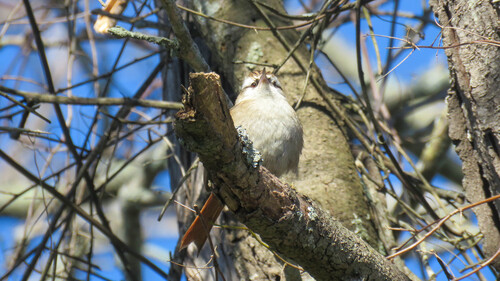
シマボウシカマドドリ (Cranioleuca pyrrhophia) シマボウシカマドドリ
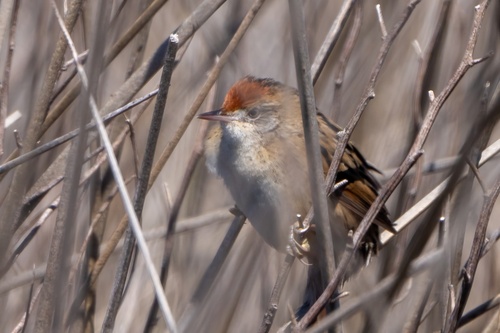
サザイカマドドリ (Spartonoica maluroides) サザイカマドドリ

メディア

読み込み中…

要点

シマボウシカマドドリとサザイカマドドリを区別する最も信頼できるフィールドマークは冠のパターンです:成鳥のStripe-crownedは大胆にストライプされた冠を持ち、サザイカマドドリは無地の赤褐色の冠を示します。幼鳥のStripe-crownedは冠のストライプが欠けています(成鳥とは異なります)が、全体的な色合いや尾のパターンで依然として異なります。シマボウシカマドドリは乾燥した森林や低木を好み、サザイカマドドリは厳密に湿地や葦原に生息しています。どちらも小さく、茶色がかったオーブンバードで尖った尾を持っていますが、頭のパターン、 habitat、微妙な構造の違いに注意を払うことで混乱を防ぐことができます。

識別のコツ

  1. Crown pattern (adults): シマボウシカマドドリは常に大胆にストライプされた冠(黒っぽいと黄褐色)を示します;サザイカマドドリはストライプのない無地の赤褐色の冠を持っています。これは成鳥にとって最も信頼できるマークです。
  2. Crown pattern (juveniles): 幼鳥のStripe-crownedは冠のストライプが欠けており、無地の冠を持っていますが、全体的に暗く、わずかにまだらまたは鱗状の下部とhabitatでBay-cappedとは異なります。Bay-cappedの幼鳥は常に赤褐色の冠を持っています。
  3. Supercilium: 両者とも白っぽいスーパシリウムを持っていますが、Stripe-crownedのものはより広く、対照的で、特に暗褐色のロアと目の後ろで顕著です。Bay-cappedのものは狭く、砂色の顔に配置されています。
  4. Face pattern: Stripe-crownedは暗褐色のロアと白っぽい/茶色の耳羽の混合を示します;Bay-cappedは無地の砂色の顔を持っています。
  5. Upperparts: Bay-cappedは後頭部と上背に大胆な黒いストライプを持っていますが、Stripe-crownedはそれが欠けています(その背中は亜種によって均一な灰褐色またはより茶色です)。
  6. Tail shape and color: 両者とも段階的で尖った尾を持っていますが、Stripe-crownedの尾はより明らかに分岐しており、赤褐色と茶色のパターンがあります(中央の羽は暗褐色/赤褐色、外側の羽は赤褐色)。Bay-cappedの尾は主に茶色で、中央のペアに少し黒があり、色のコントラストが少ないです。
  7. Wing pattern: Stripe-crownedは赤褐色の翼覆いと鈍い茶色の飛行羽を持っています;Bay-cappedの翼は飛行羽の基部にシナモン色がある茶色です。これは微妙で、近距離または良い光の下で最もよく見えます。
  8. Underparts: Stripe-crownedは茶色がかった灰色または黄褐色の灰色で、腹部はより暗いです;Bay-cappedは胸、側面、腹部に黄褐色またはシナモン色の洗いがかかった白っぽいです。Stripe-crownedの幼鳥はわずかにまだらまたは鱗状の下部を持っています。
  9. Iris color: Stripe-crownedの虹彩は変動があり(暗赤色からオレンジ、茶色まで)、Bay-cappedのものは淡い(鈍い白から淡い青みがかったもの)です。これは近距離でのみ見えます。
  10. Bill and legs: 両者とも似たような嘴の構造を持っています;Stripe-crownedの足はオリーブグリーンから緑がかった灰色または黄褐色で、Bay-cappedの足は淡いタンです。これは強いフィールドマークではありません。
  11. Habitat: 鳥が湿地にいる場合、特に葦やセジの中にいる場合、Bay-cappedが強く好まれます。森林、低木、または乾燥したサバンナにいる場合は、Stripe-crownedです。
  12. Behavior: Bay-cappedは通常、密な湿地の植生の中で孤独で隠れていることが多いです;Stripe-crownedはより樹上性で、しばしばペアまたは小グループで、木や低木の中でより活発です。
  13. Size: Stripe-crownedはわずかに大きく、重いですが、これは通常、フィールドでは役に立ちません。
  14. Voice: バッタのようなブンブンという歌が聞こえた場合、それはBay-cappedを指します。そうでなければ、声は利用可能な情報で強い区別にはなりません。
  15. Season and range: 両種はアルゼンチン、ブラジル、パラグアイ、ウルグアイの一部で重なりますが、Stripe-crownedは高地や乾燥したhabitatでのみ発生します。曖昧な場合は、habitatと標高を常に考慮してください。

大きさ

シマボウシカマドドリはサザイカマドドリよりもわずかに重い(15.0 g対11.0 g)で、少し長い(13–16 cm)です。フィールドでは、この違いは微妙で通常は診断的ではありませんが、Stripe-crownedは少しずんぐりして見えることがあります。どちらも小さく、細長い鳥で、サイズだけでは安全な区別はめったにありません。

羽色

行動

シマボウシカマドドリは通常、さまざまな森林や低木のhabitatで採餌しているのが見られ、しばしば枝や葉の間を移動し、時にはペアまたは小グループで見られます。機敏で活発で、時には尾を振ることもあります。サザイカマドドリは湿地や葦原に制限されており、通常は一人で見られ、密な草やセジの中を移動し、昆虫を採取します。その行動はより隠れており、湿地の植生に結びついています。両種とも段階的で尖った尾を持っていますが、Bay-cappedは湿地の植生の低いところで見られる可能性が高く、Stripe-crownedはより樹上性または乾燥した低木にいます。

生息環境

habitatは強い区別要因です。シマボウシカマドドリは、乾燥から半湿潤の森林、ギャラリー森林、乾燥した山地の低木、サバンナ、時にはアンデスの森林に生息し、海面近くから3,100 mまで見られます。真の湿地を避けます。サザイカマドドリは湿地の専門家で、淡水、塩水、または塩水の湿地の葦原やセジの中にのみ見られ、海面から900 mまで生息します。鳥が湿地にいる場合、Bay-cappedがはるかに可能性が高いです;森林や低木にいる場合は、Stripe-crownedがデフォルトです。

声

メモには声の詳細な比較は提供されていません。サザイカマドドリは、主な歌にバッタのようなブンブン音を持っていると記述されています。シマボウシカマドドリの歌はここでは記述されていません。声は、Bay-cappedのブンブン音が聞こえない限り、最も信頼できる区別要因ではありません。

より良い説明を送る

比較と同じ項目を使ってください。文章はすぐに公開されます。

The most reliable field mark to separate Stripe-crowned Spinetail from Bay-capped Wren-Spinetail is the crown pattern: adult Stripe-crowned has a boldly striped crown, while Bay-capped Wren-Spinetail shows a solid rufous crown. Juvenile Stripe-crowned lacks crown stripes (unlike adults), but still differs in overall coloration and tail pattern. Stripe-crowned Spinetail prefers drier woodlands and scrub, whereas Bay-capped Wren-Spinetail is found strictly in marshes and reedbeds. Both are small, brownish ovenbirds with pointed tails, but careful attention to head pattern, habitat, and subtle structural differences will prevent confusion.

  1. Crown pattern (adults): Stripe-crowned Spinetail always shows a boldly striped crown (blackish and buffy brown); Bay-capped Wren-Spinetail has a solid rufous crown with no stripes. This is the single most reliable mark for adults.
  2. Crown pattern (juveniles): Juvenile Stripe-crowned lacks crown stripes and has a plain crown, but still differs from Bay-capped by overall darker, faintly mottled/scaled underparts and habitat. Bay-capped juveniles always have a rufous crown.
  3. Supercilium: Both have a whitish supercilium, but Stripe-crowned's is broader and more contrasting, especially above the dark brown lores and behind the eye. Bay-capped's is narrower, set on a sandy brown face.
  4. Face pattern: Stripe-crowned shows dark brown lores and a mix of whitish/brown ear coverts; Bay-capped has a plain sandy brown face.
  5. Upperparts: Bay-capped has bold black streaks on the nape and upper back, which Stripe-crowned lacks (its back is more uniform grayish brown or browner, depending on subspecies).
  6. Tail shape and color: Both have graduated, pointed tails, but Stripe-crowned's tail is more obviously forked, with rufous and brown patterning (central feathers dark brown/rufous, outer feathers rufous). Bay-capped's tail is mostly brown, with some black on the central pair, and less color contrast.
  7. Wing pattern: Stripe-crowned has rufous wing coverts and dull brownish flight feathers; Bay-capped's wings are brown with cinnamon at the base of the flight feathers. This is subtle and best seen at close range or in good light.
  8. Underparts: Stripe-crowned is brownish gray or buffish gray, darker on the belly; Bay-capped is whitish with a buff or cinnamon wash on the breast, sides, and flanks. Stripe-crowned juveniles have faintly mottled/scaled underparts.
  9. Iris color: Stripe-crowned's iris is variable (dark red to orange to brown); Bay-capped's is pale (dull white to pale bluish). This is only visible at close range.
  10. Bill and legs: Both have similar bill structure; Stripe-crowned's legs are olive-green to greenish gray or yellowish brown, while Bay-capped's are light tan. This is not a strong field mark.
  11. Habitat: If the bird is in a marsh, especially among reeds or sedges, Bay-capped is strongly favored. If in woodland, scrub, or dry savanna, it is Stripe-crowned.
  12. Behavior: Bay-capped is typically solitary and skulking in dense marsh vegetation; Stripe-crowned is more arboreal, often in pairs or small groups, and more active in trees and shrubs.
  13. Size: Stripe-crowned is slightly larger and heavier, but this is rarely useful in the field unless both are seen side by side.
  14. Voice: If a grasshopper-like buzzing song is heard, it points to Bay-capped. Otherwise, voice is not a strong separator with the information available.
  15. Season and range: Both species overlap in parts of Argentina, Brazil, Paraguay, and Uruguay, but only Stripe-crowned occurs at higher elevations and in drier habitats. Always consider habitat and elevation in ambiguous cases.

Stripe-crowned Spinetail is slightly heavier (15.0 g vs. 11.0 g) and a bit longer (13–16 cm) than Bay-capped Wren-Spinetail (13–14.5 cm). In the field, this difference is subtle and not usually diagnostic, but Stripe-crowned may appear a touch bulkier. Both are small, slender birds; size alone is rarely a safe separator.

  • Juveniles: Juvenile Stripe-crowned Spinetail lacks the adult's crown stripes, showing a plain crown and darker, faintly mottled or scaled underparts. Bay-capped Wren-Spinetail juveniles are not described as differing much from adults, but always have a solid rufous crown.
  • Adults: Stripe-crowned Spinetail (all subspecies) shows a strikingly striped crown (blackish and buffy brown), a wide white supercilium, and a graduated, pointed tail with rufous and brown patterning. Bay-capped Wren-Spinetail has a solid rufous crown, a whitish supercilium, sandy brown face, and a tail that is mostly brown with some black on the central feathers.
  • Upperparts: Stripe-crowned is grayish to brownish above, with less obvious streaking; Bay-capped has bold black streaks on the nape and upper back.
  • Underparts: Stripe-crowned is brownish gray to buffish gray, darker on the belly; Bay-capped is whitish with a buff or cinnamon wash on breast and flanks.
  • Wings: Stripe-crowned has rufous wing coverts and dull brownish flight feathers; Bay-capped's wings are brown with cinnamon at the base of the flight feathers.
  • Iris color: Stripe-crowned varies (dark red to orange to brown); Bay-capped is pale (dull white to pale bluish).

Stripe-crowned Spinetail is typically seen foraging in a variety of wooded and shrubby habitats, often moving through branches and foliage, sometimes in pairs or small groups. It is agile and active, sometimes flicking its tail. Bay-capped Wren-Spinetail is restricted to marshes and reedbeds, usually seen alone, moving through dense grasses and sedges, gleaning insects. Its behavior is more skulking and tied to wetland vegetation. Both species have graduated, pointed tails, but Bay-capped is more likely to be seen low in marshy vegetation, while Stripe-crowned is more arboreal or in drier scrub.

Habitat is a strong separator. Stripe-crowned Spinetail inhabits a wide range of dry to semi-humid woodlands, gallery forests, arid montane scrub, savannas, and sometimes Andean woodlands, from near sea level to 3,100 m. It avoids true wetlands. Bay-capped Wren-Spinetail is a marsh specialist, found only in reedbeds and sedges of freshwater, brackish, or saltwater marshes, from sea level up to 900 m. If the bird is in a marsh, Bay-capped is far more likely; if in woodland or scrub, Stripe-crowned is the default.

The notes do not provide a detailed comparison of vocalizations. Bay-capped Wren-Spinetail is described as having a grasshopper-like buzz for its primary song. Stripe-crowned Spinetail's song is not described here. Voice is not the most reliable separator unless the Bay-capped's buzzing song is heard.

変更を破棄しますか?

保存していない編集があります。今離れると失われます。

シマボウシカマドドリ · サザイカマドドリ · 苦手な鳥