

Motmot

ササゴイ 対 アメリカササゴイ

Butorides striata 対 Butorides virescens

ササゴイとアメリカササゴイのクイズ
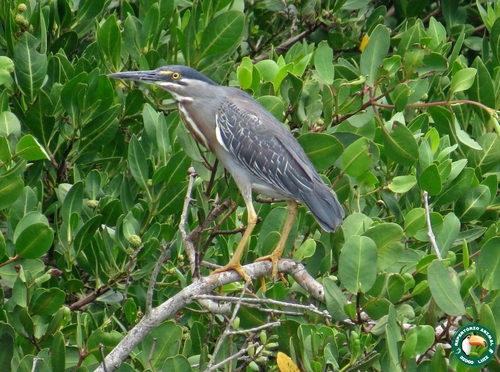
ササゴイ (Butorides striata) ササゴイ
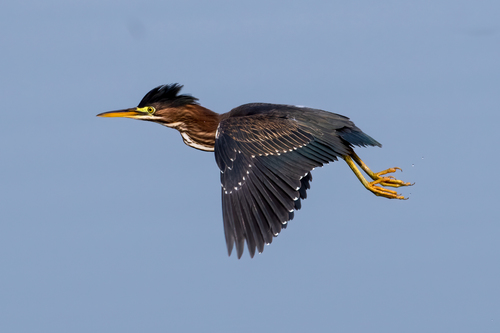
アメリカササゴイ (Butorides virescens) アメリカササゴイ

メディア

読み込み中…

要点

ササゴイとアメリカササゴイの最も信頼できるフィールドマークは、特に成鳥における首と下部の色と模様です。ササゴイは通常、下部が中灰色からオレンジ色またはピンク色の洗い流しで、暗い帽子と白い喉を持っています。一方、アメリカササゴイの成鳥は、前面に明確な白い線がある豊かな栗色の首を持っています。両種の幼鳥は下部に縞模様がありますが、アメリカササゴイの幼鳥は茶色と白の縞模様がより強く広範囲にわたっており、タンの斑点のある上部を示します。両種はコンパクトで短い脚を持つヘロンで、サイズと構造は似ていますが、羽毛や脚の色に微妙な違いがあります。止まっているときや餌を探しているときは、首の色、縞模様、上部の色調に注目して区別してください。

識別のコツ

  1. Juvenile streaking: 幼鳥のアメリカササゴイは、首、胸、お腹に太い茶色と白の縞模様を示し、タンの斑点のある背中と翼の覆羽を持っています。幼鳥のササゴイは上部がより茶色で、下部に強い縞模様がありますが、縞模様は一般的にあまり広範囲ではなく、はっきりと定義されていません。このマークを幼鳥に使用してください。
  2. Adult neck color: 成鳥のアメリカササゴイは、前面に1本以上の明確な白い線がある豊かな栗色の首を持っています。ササゴイはこの栗色の色合いがなく、代わりに中灰色からオレンジ色またはピンク色の洗い流しを持っており、時々白い喉があります。
  3. Cap and back: 両種は暗い帽子を持っていますが、アメリカササゴイの帽子は光沢のある緑がかった黒で、ササゴイの帽子は黒です。ササゴイの背中と翼は青灰色ですが、アメリカササゴイは虹色の緑がかった背中と翼を示し、青または灰黒にグラデーションしています。
  4. Underparts: ササゴイの成鳥は白または淡い下部を持ち、時々ピンク色またはオレンジ色の洗い流しがあります。アメリカササゴイの成鳥は灰色の下部を持っていますが、栗色の首と白い線がより特徴的です。
  5. Leg color: 両種は成鳥として短い黄色の脚を持っていますが、アメリカササゴイの幼鳥は緑がかった黄色の脚とくちばしを持ち、ササゴイの幼鳥は黄色の脚を持っています。
  6. Bill color: アメリカササゴイの成鳥は長く鋭い先端を持つ暗いくちばしを持っています。ササゴイはくちばしから目の下まで暗い線がありますが、くちばしの色は両者の間で強く診断的ではありません。
  7. Sexual dimorphism: アメリカササゴイの雌は雄よりも小さく、特に繁殖期には鈍いです。ササゴイの性別は似ています。
  8. Behavior: 両種は孤独で秘密主義ですが、アメリカササゴイは餌を取るときに他の鳥に対して特に耐性がありません。ササゴイの幼鳥は脅かされると首を伸ばし、くちばしを空に向けることでディスプレイすることがあります。
  9. Habitat context: アメリカ大陸では、アメリカササゴイは内陸の湿地、池、湖にいる可能性が高く、ササゴイは沿岸に多く、特にマングローブにいます。範囲と生息地を補助的な文脈として使用し、主要なIDとしては使用しないでください。
  10. Flight and jizz: 両者はコンパクトで短い首のヘロンで、飛行中は首を引っ込めています。構造は信頼できる区別要因ではありません。
  11. Voice: アメリカササゴイの鳴き声のみが記述されています(「キョウ」、「クク」、「ラアラ」、「など」)が、鳴き声はよく聞かれない限り診断的ではありません。
  12. Seasonal movement: アメリカササゴイはその範囲の北部で渡りを行い、北部地域では冬に不在です。ササゴイは主に定住しています。
  13. Plumage variability: ササゴイの下部は中灰色からオレンジ色またはピンク色まで変化することがあるため、色の変化に注意してください。アメリカササゴイの成鳥の栗色の首と白い線を常に確認してください。
  14. Pitfalls: 幼鳥は似たような縞模様のためにしばしば混同されます。幼鳥の縞模様の広がりと鋭さ、上部の色、脚の色に注目してください。
  15. When in doubt: 鳥が栗色の首と白い線を示している場合、それはアメリカササゴイです。下部がより均一な灰色または洗い流しであり、鳥が南アメリカまたはカリブ海のマングローブまたは沿岸の環境にいる場合、ササゴイの可能性が高いです。

大きさ

両種はサイズと構造が非常に似ており、成鳥は約41〜48 cmの長さです。ササゴイは35〜48 cmの長さで、体重は130〜250 g、翼幅は52〜60 cmです。アメリカササゴイは41〜46 cmの長さで、約240 gで、翼幅は64〜68 cmとやや広いです。フィールドでは、これらの違いは微妙であり、区別するための信頼できるものではありません。両者はコンパクトで短い首と短い脚のヘロンです。

羽色

幼鳥のササゴイは上部がより茶色で、下部に強い縞模様がありますが、縞模様は一般的にアメリカササゴイの幼鳥よりも広範囲ではなく、はっきりと定義されていません。アメリカササゴイの幼鳥は頭、首、下部に茶色と白の縞模様があり、タンの斑点のある背中と翼の覆羽、緑がかった黄色の脚とくちばしを持っています。成鳥のササゴイは青灰色の背中と翼、黒い帽子、白い下部(時々ピンク色またはオレンジ色の洗い流しがあります)、短い黄色の脚を持っています。対照的に、成鳥のアメリカササゴイは光沢のある緑がかった黒の帽子、虹色の緑がかった背中と翼、前面に白い線がある豊かな栗色の首、灰色の下部、短い黄色の脚を持っています。雌のアメリカササゴイは繁殖期に特にやや鈍く、明るいです。最も一貫した違いは、成鳥のアメリカササゴイの栗色の首と白い首の線と、ササゴイのより均一な灰色または洗い流しの下部です。

行動

両種は餌を探しているときに孤独で秘密主義であり、しばしば水辺や低い枝に静止して立っています。アメリカササゴイは餌を取るときに他の鳥に対して耐性がないことで知られ、群れで見られることはほとんどありません。両種は餌を引き寄せるために物を水に落とす餌釣りの技術を使用します。幼鳥のササゴイは脅かされると首を伸ばし、くちばしを空に向けることでディスプレイすることがありますが、この行動はアメリカササゴイには特に記載されていません。飛行中、両者はコンパクトに見え、首を引っ込めています。

生息環境

ササゴイは主に定住しており、南アメリカとカリブ海に見られ、しばしばマングローブや沿岸の生息地に関連しています。アメリカササゴイは北アメリカと中央アメリカに見られ、河川域、湿地、池、湖、運河、溝に生息しています。両者は似たような湿地の生息地に見られますが、アメリカササゴイは内陸の淡水地域にいる可能性が高く、ササゴイはその範囲でより沿岸およびマングローブに関連しています。

声

アメリカササゴイは大きく突然の「キョウ」という鳴き声と一連の控えめな「クク」という音を出すと記述されています。求愛中、雄は「ラアラ」、「フームフームフーム」、「ルー・ルー」といった騒がしい鳴き声を出します。ササゴイの鳴き声は提供されたメモには記載されていないため、この情報に基づいての区別のための信頼できるフィールドマークではありません。

より良い説明を送る

比較と同じ項目を使ってください。文章はすぐに公開されます。

The most reliable field mark between Striated Heron and Green Heron is the color and pattern of the neck and underparts, especially in adults: Striated Heron usually shows a mid-grey to orangey or pinkish wash below with a dark cap and white throat, while Green Heron adults have a rich chestnut neck with distinct white lines down the front. Juveniles of both species are streaked below, but Green Heron juveniles are more heavily and extensively streaked with brown and white, and show tan-splotched upperparts. Both species are compact, short-legged herons with similar size and structure, but subtle differences in plumage and leg color can help. When seen perched or foraging, focus on the neck color, streaking, and upperpart tones to separate them.

  1. Juvenile streaking: Juvenile Green Herons show bold brown and white streaks on the neck, breast, and belly, with tan-splotched backs and wing coverts. Juvenile Striated Herons are browner above and heavily streaked below, but the streaking is generally less extensive and less sharply defined. Use this mark for immatures.
  2. Adult neck color: Adult Green Herons have a rich chestnut neck with one or more distinct white lines down the front. Striated Herons lack this chestnut coloration and instead have a mid-grey to orangey or pinkish wash below, sometimes with a white throat.
  3. Cap and back: Both species have a dark cap, but Green Heron's is glossy greenish-black, while Striated Heron's is black. The back and wings of Striated Heron are blue-grey, while Green Heron shows an iridescent greenish back and wings, grading into blue or gray-black.
  4. Underparts: Striated Heron adults have white or pale underparts, sometimes with a pinkish or orangey wash. Green Heron adults have gray underparts, but the chestnut neck and white lines are more distinctive.
  5. Leg color: Both have short yellow legs as adults, but Green Heron juveniles have greenish-yellow legs and bill, while Striated Heron juveniles have yellow legs.
  6. Bill color: Green Heron adults have a dark bill with a long, sharp point; Striated Heron has a dark line from the bill to under the eye, but bill color is not strongly diagnostic between the two.
  7. Sexual dimorphism: Green Heron females are smaller and duller than males, especially in breeding season. Striated Heron sexes are alike.
  8. Behavior: Both species are solitary and secretive, but Green Heron is especially intolerant of other birds while feeding. Striated Heron juveniles may display by stretching necks and pointing bills skyward when threatened.
  9. Habitat context: In the Americas, Green Heron is more likely in inland wetlands, ponds, and lakes, while Striated Heron is more coastal, especially in mangroves. Use range and habitat as supporting context, not primary ID.
  10. Flight and jizz: Both are compact, short-necked herons with the neck pulled in during flight. Structure is not a reliable separator.
  11. Voice: Only Green Heron's calls are described ('kyow', 'kuk', 'raah-rahh', etc.), but vocalization is rarely diagnostic unless heard well.
  12. Seasonal movement: Green Heron is migratory in the north of its range, absent in winter from northern areas. Striated Heron is mostly sedentary.
  13. Plumage variability: Striated Heron underparts can vary from mid-grey to orangey or pinkish, so beware of color variation. Always check for the chestnut neck and white lines of Green Heron adults.
  14. Pitfalls: Immature birds are often confused due to similar streaking. Focus on the extent and sharpness of streaks, upperpart color, and leg color for juveniles.
  15. When in doubt: If the bird shows a chestnut neck with white lines, it's a Green Heron. If the underparts are more uniform grayish or washed, and the bird is in a mangrove or coastal setting in South America or the Caribbean, Striated Heron is more likely.

Both species are very similar in size and structure, with adults measuring about 41–48 cm in length. Striated Heron is 35–48 cm long, weighing 130–250 g, with a wingspan of 52–60 cm. Green Heron is 41–46 cm long, about 240 g, and has a slightly broader wingspan of 64–68 cm. In the field, these differences are subtle and not reliable for separation. Both are compact, short-necked, and short-legged herons.

Juvenile Striated Herons are browner above and heavily streaked below, but the streaking is generally less extensive and less sharply defined than in Green Heron juveniles. Green Heron juveniles have brown and white streaks on the head, neck, and underparts, with tan-splotched backs and wing coverts, and greenish-yellow legs and bill. Adult Striated Herons have a blue-grey back and wings, a black cap, white underparts (sometimes with a pinkish or orangey wash), and short yellow legs. In contrast, adult Green Herons have a glossy greenish-black cap, iridescent greenish back and wings, a rich chestnut neck with white lines down the front, gray underparts, and short yellow legs. Female Green Herons are slightly duller and lighter, especially in the breeding season. The most consistent difference is the chestnut neck and white neck lines in adult Green Herons versus the more uniform grayish or washed underparts of Striated Heron.

Both species are solitary and secretive when foraging, often standing motionless at the water's edge or on low branches. Green Herons are noted for their intolerance of other birds while feeding and are rarely seen in groups. Both species use bait-fishing techniques, dropping objects on the water to lure prey. Juvenile Striated Herons may display by stretching their necks and pointing their bills skyward when threatened, a behavior not specifically noted for Green Heron. In flight, both appear compact with the neck pulled in.

Striated Heron is mostly sedentary, found in South America and the Caribbean, and is often associated with mangroves and coastal habitats. Green Heron is found in North and Central America, inhabiting riparian zones, wetlands, ponds, lakes, canals, and ditches. Both can be found in similar wetland habitats, but Green Heron is more likely in inland freshwater areas, while Striated Heron is more coastal and mangrove-associated in its range.

Green Heron is described as giving a loud, sudden 'kyow' call and a series of subdued 'kuk' notes. During courtship, males are noisy with 'raah-rahh', 'whoom-whoom-whoom', and 'roo-roo' calls. Striated Heron's vocalizations are not described in the provided notes, so calls are not a reliable field mark for separation based on this information.

変更を破棄しますか?

保存していない編集があります。今離れると失われます。

ササゴイ · アメリカササゴイ · 苦手な鳥