

Airone striato vs Airone verde
Butorides striata contro Butorides virescens
Fai un quiz con Airone striato e Airone verde
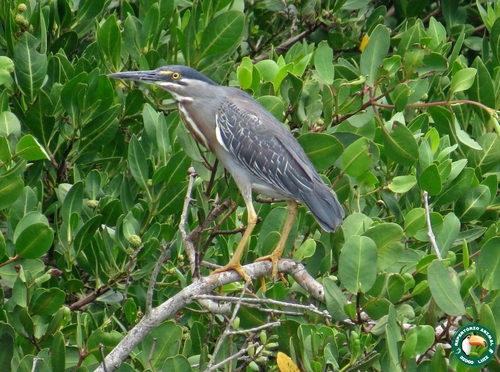 Airone striato
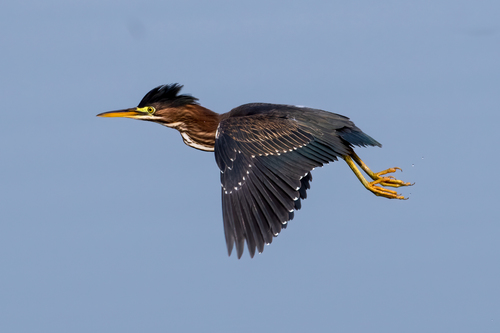 Airone verde
In breve
Il segno di campo più affidabile tra Airone striato e Airone verde è il colore e il motivo del collo e delle parti inferiori, specialmente negli adulti: l'Airone striato mostra solitamente una tonalità grigio medio a arancione o rosa sotto con un cappuccio scuro e una gola bianca, mentre gli adulti dell'Airone verde hanno un collo castano ricco con linee bianche distinte lungo la parte anteriore. I giovani di entrambe le specie sono striati sotto, ma i giovani dell'Airone verde sono più pesantemente e ampiamente striati di marrone e bianco, e mostrano parti superiori macchiate di beige. Entrambe le specie sono aironi compatti e a gambe corte con dimensioni e struttura simili, ma sottili differenze nel piumaggio e nel colore delle gambe possono aiutare. Quando vengono visti appollaiati o a caccia, concentrati sul colore del collo, sulle striature e sulle tonalità delle parti superiori per separarli.
Consigli di identificazione
- Striature nei giovani: I giovani Aironi verdi mostrano striature audaci di marrone e bianco sul collo, sul petto e sull'addome, con schiene e copritrici delle ali macchiate di beige. I giovani Aironi striati sono più marroni sopra e pesantemente striati sotto, ma le striature sono generalmente meno estese e meno nettamente definite. Usa questo segno per gli immaturi.
- Colore del collo negli adulti: Gli adulti Aironi verdi hanno un collo castano ricco con una o più linee bianche distinte lungo la parte anteriore. Gli Aironi striati mancano di questa colorazione castana e hanno invece una tonalità grigio medio a arancione o rosa sotto, a volte con una gola bianca.
- Cappuccio e schiena: Entrambe le specie hanno un cappuccio scuro, ma quello dell'Airone verde è lucido verde-nerastro, mentre quello dell'Airone striato è nero. La schiena e le ali dell'Airone striato sono blu-grigie, mentre l'Airone verde mostra una schiena e ali iridescenti verde-nerastre, che sfumano in blu o grigio-nero.
- Parti inferiori: Gli adulti dell'Airone striato hanno parti inferiori bianche o chiare, a volte con una tonalità rosa o arancione. Gli adulti dell'Airone verde hanno parti inferiori grigie, ma il collo castano e le linee bianche sono più distintivi.
- Colore delle gambe: Entrambi hanno gambe corte gialle da adulti, ma i giovani dell'Airone verde hanno gambe e becco giallo-verde, mentre i giovani dell'Airone striato hanno gambe gialle.
- Colore del becco: Gli adulti dell'Airone verde hanno un becco scuro con una lunga punta affilata; l'Airone striato ha una linea scura dal becco sotto l'occhio, ma il colore del becco non è fortemente diagnostico tra i due.
- Dimorfismo sessuale: Le femmine dell'Airone verde sono più piccole e meno vivaci dei maschi, specialmente durante la stagione di riproduzione. I sessi dell'Airone striato sono simili.
- Comportamento: Entrambe le specie sono solitarie e riservate, ma l'Airone verde è soprattutto intollerante verso altri uccelli mentre si nutre. I giovani dell'Airone striato possono esibire comportamenti allungando il collo e puntando i becchi verso l'alto quando minacciati.
- Contesto dell'habitat: Nelle Americhe, l'Airone verde è più probabile che si trovi in zone umide interne, stagni e laghi, mentre l'Airone striato è più costiero, specialmente nelle mangrovie. Usa l'areale e l'habitat come contesto di supporto, non come identificazione primaria.
- Volo e aspetto: Entrambi sono aironi compatti e a collo corto con il collo ritirato durante il volo. La struttura non è un separatore affidabile.
- Voce: Solo i richiami dell'Airone verde sono descritti ('kyow', 'kuk', 'raah-rahh', ecc.), ma la vocalizzazione è raramente diagnostica a meno che non venga udita bene.
- Movimento stagionale: L'Airone verde è migratorio nel nord del suo areale, assente in inverno dalle aree settentrionali. L'Airone striato è per lo più sedentario.
- Variabilità del piumaggio: Le parti inferiori dell'Airone striato possono variare da grigio medio a arancione o rosa, quindi fai attenzione alla variazione di colore. Controlla sempre il collo castano e le linee bianche degli adulti dell'Airone verde.
- Trappole: Gli uccelli immaturi sono spesso confusi a causa di striature simili. Concentrati sull'estensione e sulla nitidezza delle striature, sul colore delle parti superiori e sul colore delle gambe per i giovani.
- Quando hai dubbi: Se l'uccello mostra un collo castano con linee bianche, è un Airone verde. Se le parti inferiori sono più uniformemente grigie o lavate, e l'uccello si trova in un ambiente di mangrovie o costiero in Sud America o nei Caraibi, è più probabile che sia un Airone striato.
Taglia
Entrambe le specie sono molto simili in dimensione e struttura, con adulti che misurano circa 41–48 cm di lunghezza. L'Airone striato è lungo 35–48 cm, pesando 130–250 g, con un'apertura alare di 52–60 cm. L'Airone verde è lungo 41–46 cm, circa 240 g, e ha un'apertura alare leggermente più ampia di 64–68 cm. Sul campo, queste differenze sono sottili e non affidabili per la separazione. Entrambi sono aironi compatti, a collo corto e a gambe corte.
Piumaggio
I giovani Aironi striati sono più marroni sopra e pesantemente striati sotto, ma le striature sono generalmente meno estese e meno nettamente definite rispetto ai giovani dell'Airone verde. I giovani dell'Airone verde hanno striature marroni e bianche sulla testa, sul collo e sulle parti inferiori, con schiene e copritrici delle ali macchiate di beige, e gambe e becco giallo-verdi. Gli adulti dell'Airone striato hanno una schiena e ali blu-grigie, un cappuccio nero, parti inferiori bianche (a volte con una tonalità rosa o arancione) e gambe corte gialle. Al contrario, gli adulti dell'Airone verde hanno un cappuccio lucido verde-nerastro, schiena e ali iridescenti verde-nerastre, un collo castano ricco con linee bianche lungo la parte anteriore, parti inferiori grigie e gambe corte gialle. Le femmine dell'Airone verde sono leggermente meno vivaci e più chiare, specialmente durante la stagione di riproduzione. La differenza più consistente è il collo castano e le linee bianche del collo negli adulti dell'Airone verde rispetto alle parti inferiori più uniformemente grigie o lavate dell'Airone striato.
Comportamento
Entrambe le specie sono solitarie e riservate quando si nutrono, spesso stando immobili al bordo dell'acqua o su rami bassi. Gli Aironi verdi sono noti per la loro intolleranza verso altri uccelli mentre si nutrono e raramente vengono visti in gruppi. Entrambe le specie utilizzano tecniche di pesca con esca, lasciando cadere oggetti sull'acqua per attirare le prede. I giovani Aironi striati possono esibire comportamenti allungando i loro colli e puntando i loro becchi verso l'alto quando minacciati, un comportamento non specificamente notato per l'Airone verde. In volo, entrambi appaiono compatti con il collo ritirato.
Habitat
L'Airone striato è per lo più sedentario, trovato in Sud America e nei Caraibi, ed è spesso associato a mangrovie e habitat costieri. L'Airone verde si trova in Nord e Centro America, abitante zone ripariali, zone umide, stagni, laghi, canali e fossati. Entrambi possono essere trovati in habitat umidi simili, ma l'Airone verde è più probabile che si trovi in aree interne di acqua dolce, mentre l'Airone striato è più costiero e associato alle mangrovie nel suo areale.
Voce
L'Airone verde è descritto come emettente un forte e improvviso richiamo 'kyow' e una serie di note 'kuk' soppresse. Durante il corteggiamento, i maschi sono rumorosi con richiami 'raah-rahh', 'whoom-whoom-whoom' e 'roo-roo'. Le vocalizzazioni dell'Airone striato non sono descritte nelle note fornite, quindi i richiami non sono un segno di campo affidabile per la separazione basata su queste informazioni.