

Motmot

アメリカイソシギ 対 コキアシシギ

Actitis macularius 対 Tringa flavipes

アメリカイソシギとコキアシシギのクイズ
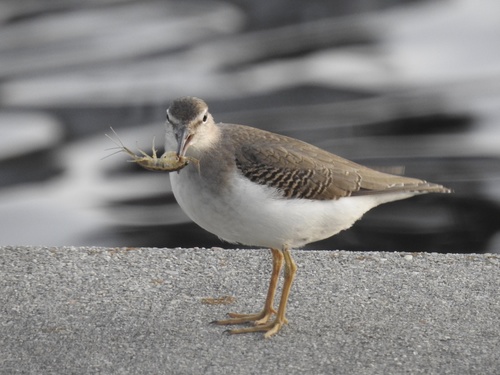
アメリカイソシギ (Actitis macularius) アメリカイソシギ
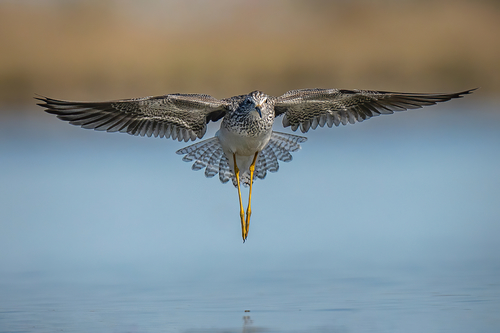
コキアシシギ (Tringa flavipes) コキアシシギ

メディア

読み込み中…

要点

アメリカイソシギとコキアシシギの最も信頼できるフィールドマークは、全体の構造とサイズです:コキアシシギは明らかに大きく、脚が長く、より優雅であり、一方アメリカイソシギはコンパクトで短い尾と特徴的な揺れ歩きがあります。繁殖期には、アメリカイソシギは下に大胆な黒い斑点を示しますが、非繁殖羽毛では両種ともに下は地味であり、混同が最も起こりやすいです。コキアシシギは常に長く明るい黄色の脚と、頭の長さほどの細くまっすぐな暗いくちばしを持ち、アメリカイソシギは短く黄色がかった脚と、暗い先端を持つ短いオレンジ色のくちばしを持っています。飛行中、アメリカイソシギは多くのトリンガの大胆な白い尾羽と後縁を欠き、その上翼のパターンはイソシギよりも洗練されていませんが、コキアシシギは均一な上翼を示します。構造、脚の色、くちばしの形は、すべての年齢と季節において最も信頼できる手がかりです。

識別のコツ

  1. サイズと構造: コキアシシギははるかに大きく、高く、長く細い脚と長い首を持っています。アメリカイソシギはコンパクトで、短い尾と低く水平な姿勢を持っています。スケール感があれば、どんな距離でも信頼できます。
  2. 脚の色: コキアシシギは常に長く明るい黄色の脚を持っています。アメリカイソシギは短く黄色がかった(時には鈍い)脚を持っていますが、コキアシシギのような長い脚の見た目はありません。
  3. くちばしの形と色: コキアシシギは頭の長さほどの細くまっすぐな均一に暗いくちばしを持っています。アメリカイソシギは短いオレンジ色のくちばしを持ち、明確な暗い先端があります。これは中距離で確認できます。
  4. 繁殖羽毛の下部: 繁殖羽毛のアメリカイソシギの成鳥は、白い下部に大胆な黒い斑点を持っています—診断的です。コキアシシギは下に斑点を示さず、胸と側面に細い筋模様や縞模様のみを持っています。
  5. 非繁殖/未成熟の下部: 両種は非繁殖羽毛では下が単色の白になりますが、コキアシシギは胸と側面にいくつかの細い筋模様を保持することがあります。アメリカイソシギは下がきれいな白で、特に幼鳥では非常に地味です。
  6. 眉斑: アメリカイソシギは特に非繁殖羽毛で白い眉斑を示します。コキアシシギはかすかな淡い線を示すことがありますが、あまり明確ではありません。
  7. 飛行中の上翼パターン: アメリカイソシギはイソシギよりも洗練された上翼パターンを持ち、大胆な白いパネルや後縁を欠いています。コキアシシギは大胆なコントラストのない均一な上翼を持っています。飛行中の分離は構造と脚の色に依存し、翼のパターンには依存しません。
  8. 行動: アメリカイソシギは歩いたり立ったりする際に常に尾を上下させます—これは古典的な行動で非常に信頼できます。コキアシシギは同じように尾を上下させず、高く足を上げて活発に動きます。
  9. 飛行スタイル: アメリカイソシギは水面の上を低く飛び、硬く浅い羽ばたきで飛びます。コキアシシギはより高く、より直接的に飛び、トリンガに典型的な安定した羽ばたきで飛びます。
  10. 生息地の好み: アメリカイソシギは岩や泥の岸辺や小さな水域で見られることが多いです。コキアシシギは開けた浅い湿地、干潟、浸水した田んぼを好み、しばしば深い水で群れを成していることが多いです。
  11. 群れのサイズ: アメリカイソシギは通常、単独またはペアで見られます。コキアシシギは特に移動中に小から中規模の群れで採餌することが多いです。
  12. 性差: 両種は性別間で羽毛が似ていますが、雌のアメリカイソシギは雄よりも重いです(通常はフィールドでは見えません)。
  13. 年齢による変異: アメリカイソシギの幼鳥と非繁殖の鳥は斑点がなく、非常に地味であることがあり、混乱を増します。これらの場合は構造と行動に焦点を当ててください。
  14. 落とし穴: 非繁殖羽毛では、両種は下が地味で似ていることがあります。下部のマーキングだけに頼らず、サイズ、脚の長さ、くちばしの形、行動を使用してください。
  15. 疑問がある場合: 鳥が常に尾を上下させていて、小さくコンパクトであれば、それはアメリカイソシギです。もしそれが高く、長い黄色の脚、まっすぐな暗いくちばしを持ち、深い水で採餌しているか群れと一緒にいるなら、それはコキアシシギです。

大きさ

コキアシシギはアメリカイソシギよりもかなり大きく、重いです。コキアシシギは長さ23〜25 cm(9.1〜9.8インチ)で、重さ67〜94 g(2.4〜3.3オンス)[wikidata]、一方アメリカイソシギは長さ18〜20 cm(7.1〜7.9インチ)で、重さ34〜50 g(1.2〜1.8オンス)[wikipedia]です。直接比較すると、その違いは明らかです:コキアシシギはより高く立ち、はるかに長い脚と長い首を持ち、より細長く、直立した外観を与えます。アメリカイソシギはコンパクトで、短い尾と低い姿勢を持っています。

羽色

繁殖羽毛では、アメリカイソシギの成鳥は上が茶色で下が白く、下部には大胆な黒い斑点があります。これらの斑点は繁殖鳥の診断的な特徴ですが、繁殖期以外では色あせます。非繁殖のアメリカイソシギは斑点を失い、下が単色の白になりますが、イソシギに非常に似ていますが、白い眉斑と飛行中のより洗練された翼のパターンを示します。幼鳥と未成熟のアメリカイソシギは大胆な斑点がなく、下が非常に地味であることがあり、コキアシシギとの混乱を増します。繁殖羽毛のコキアシシギは灰褐色、黒、白のまだらな上部を持ち、白い下部と胸と首に不規則な茶色の筋模様があります。非繁殖羽毛では、上部はより均一な灰褐色になり、下部は白のままで、胸と側面にいくつかの細かいマーキングがあります。脚は常に明るい黄色です。飛行中、コキアシシギは大胆なパネルや後縁のない均一な上翼を示します。両種ともに白い下翼を持っていますが、アメリカイソシギの上翼はより洗練されており、一部のトリンガの大胆なコントラストが欠けています。どちらの種にも特有の幼鳥の上翼パターンは記載されていないため、飛行中の分離は構造と脚の色に依存します。

行動

アメリカイソシギは、採餌中や停止中に常に尾を上下させることで有名で、これはコキアシシギではめったに見られません。コキアシシギは高く足を上げて活発に動き、しばしば首を伸ばして浅い水を素早く移動しながら採餌します。飛行中、アメリカイソシギは特徴的な硬い翼で水面を低く飛ぶスタイルを持ち、コキアシシギはトリンガに典型的な安定した直接的な羽ばたきで飛びます。アメリカイソシギは単独またはペアで見られることが多いですが、コキアシシギはしばしば小さな群れで採餌します。

生息環境

両種は淡水域の端に見られますが、アメリカイソシギは岩や泥の岸辺、川岸、小さな池で見られることが多いです、特に北アメリカでは。コキアシシギは開けた浅い湿地、浸水した田んぼ、干潟を好み、しばしばアメリカイソシギよりも深い水で歩いています。移動中、コキアシシギは開けた泥や浅い水で大きな群れで見られることが多いですが、アメリカイソシギは単独または小さなグループでいる傾向があります。

より良い説明を送る

比較と同じ項目を使ってください。文章はすぐに公開されます。

The most reliable field mark between Spotted Sandpiper and Lesser Yellowlegs is overall structure and size: Lesser Yellowlegs is distinctly larger, longer-legged, and more elegant, while Spotted Sandpiper is compact with a short tail and a distinctive teetering walk. In breeding season, Spotted Sandpiper shows bold black spots below, but in non-breeding plumage both species are plain below and confusion is most likely. Lesser Yellowlegs always has long, bright yellow legs and a slim, straight, dark bill about the length of its head, while Spotted Sandpiper has shorter, yellowish legs and a shorter orange bill with a dark tip. In flight, Spotted Sandpiper lacks the bold white rump and trailing edge of many Tringa, and its upperwing pattern is more washed-out than Common Sandpiper, but Lesser Yellowlegs shows a uniform upperwing. Structure, leg color, and bill shape are the most reliable clues in all ages and seasons.

  1. Size and structure: Lesser Yellowlegs is much larger and taller, with long, thin legs and a longer neck. Spotted Sandpiper is compact, with a short tail and a lower, horizontal stance. This is reliable at any distance if you have a sense of scale.
  2. Leg color: Lesser Yellowlegs always has long, bright yellow legs. Spotted Sandpiper has shorter, yellowish (sometimes duller) legs, but never the long, stilt-like look of Lesser Yellowlegs.
  3. Bill shape and color: Lesser Yellowlegs has a slim, straight, uniformly dark bill about the length of its head. Spotted Sandpiper has a shorter, orange bill with a distinct dark tip. This is visible at moderate range.
  4. Breeding plumage underparts: Spotted Sandpiper adults in breeding plumage have bold black spots on the white underparts—diagnostic. Lesser Yellowlegs never shows spots below, only fine streaking or barring on breast and flanks.
  5. Non-breeding/immature underparts: Both species become plain white below in non-breeding plumage, but Lesser Yellowlegs may retain some fine streaking on the breast and flanks. Spotted Sandpiper is clean white below and can be very plain, especially in juveniles.
  6. Supercilium: Spotted Sandpiper shows a white supercilium (eyebrow), especially in non-breeding plumage. Lesser Yellowlegs may show a faint pale line but is less distinct.
  7. Upperwing pattern in flight: Spotted Sandpiper has a more washed-out upperwing pattern than Common Sandpiper, lacking bold white panels or trailing edges. Lesser Yellowlegs has uniform upperwings without bold contrasts. Separation in flight relies on structure and leg color, not wing pattern.
  8. Behavior: Spotted Sandpiper bobs its tail constantly when walking or standing—this is a classic behavior and very reliable. Lesser Yellowlegs does not bob its tail in the same way and moves with a high-stepping, active gait.
  9. Flight style: Spotted Sandpiper flies low over water with stiff, shallow wingbeats. Lesser Yellowlegs flies higher and more directly, with steady wingbeats typical of Tringa.
  10. Habitat preference: Spotted Sandpiper is more often found along rocky or muddy shorelines and smaller water bodies. Lesser Yellowlegs prefers open, shallow wetlands, mudflats, and flooded fields, often in deeper water and in flocks.
  11. Group size: Spotted Sandpiper is usually solitary or in pairs. Lesser Yellowlegs often forages in small to medium-sized flocks, especially during migration.
  12. Sex differences: Both species are similar in plumage between sexes, but female Spotted Sandpipers are heavier than males (not usually visible in the field).
  13. Age-related variation: Spotted Sandpiper juveniles and non-breeding birds lack spots and can be very plain, increasing confusion. Focus on structure and behavior in these cases.
  14. Pitfalls: In non-breeding plumage, both species can appear plain and similar below. Do not rely on underpart markings alone—use size, leg length, bill shape, and behavior.
  15. When in doubt: If the bird is bobbing its tail constantly and is small and compact, it's a Spotted Sandpiper. If it's taller, with long yellow legs, a straight dark bill, and foraging in deeper water or with a flock, it's a Lesser Yellowlegs.

Lesser Yellowlegs is substantially larger and heavier than Spotted Sandpiper. Lesser Yellowlegs measures 23–25 cm (9.1–9.8 in) in length and weighs 67–94 g (2.4–3.3 oz) [wikidata], while Spotted Sandpiper is only 18–20 cm (7.1–7.9 in) long and weighs 34–50 g (1.2–1.8 oz) [wikipedia]. The difference is obvious in direct comparison: Lesser Yellowlegs stands taller, with much longer legs and a longer neck, giving it a lankier, more upright look. Spotted Sandpiper is compact, with a shorter tail and lower stance.

In breeding plumage, Spotted Sandpiper adults are brown above and white below with bold black spots on the underparts. These spots are diagnostic for breeding birds, but fade outside the breeding season. Non-breeding Spotted Sandpipers lose the spots and become plain white below, closely resembling Common Sandpiper, but still show a white supercilium and a more washed-out wing pattern in flight. Juvenile and immature Spotted Sandpipers lack the bold spots and can be very plain below, increasing confusion with Lesser Yellowlegs. Lesser Yellowlegs in breeding plumage has grey-brown, black, and white mottled upperparts, with white underparts and irregular brown streaking on the breast and neck. In non-breeding plumage, the upperparts become more uniform grey-brown, and the underparts remain white with some fine markings on the breast and flanks. The legs are always bright yellow. In flight, Lesser Yellowlegs shows uniform upperwings without bold panels or trailing edges. Both species have white underwings, but Spotted Sandpiper's upperwing is more washed-out and lacks the bold contrast of some Tringa. No distinctive juvenile upperwing pattern is described for either species, so separation in flight relies on structure and leg color.

Spotted Sandpiper is famous for its constant tail-bobbing walk, both when foraging and when paused, which is rarely matched by Lesser Yellowlegs. Lesser Yellowlegs moves with a high-stepping, active gait, often foraging with neck outstretched and moving quickly through shallow water. In flight, Spotted Sandpiper has a distinctive stiff-winged, low-over-water flight style, while Lesser Yellowlegs flies with steady, direct wingbeats typical of Tringa. Spotted Sandpiper is more likely to be seen singly or in pairs, while Lesser Yellowlegs often forages in small flocks.

Both species can be found at the edges of freshwater bodies, but Spotted Sandpiper is more often seen along rocky or muddy shorelines, stream banks, and smaller ponds, especially in North America. Lesser Yellowlegs prefers open, shallow wetlands, flooded fields, and mudflats, often wading in deeper water than Spotted Sandpiper. During migration, Lesser Yellowlegs is more likely to be found in large flocks on open mud or shallow water, while Spotted Sandpiper tends to be solitary or in small groups.

変更を破棄しますか?

保存していない編集があります。今離れると失われます。

アメリカイソシギ · コキアシシギ · 苦手な鳥