

Piro piro macchiato vs Totano zampegialle minore
Actitis macularius contro Tringa flavipes
Fai un quiz con Piro piro macchiato e Totano zampegialle minore
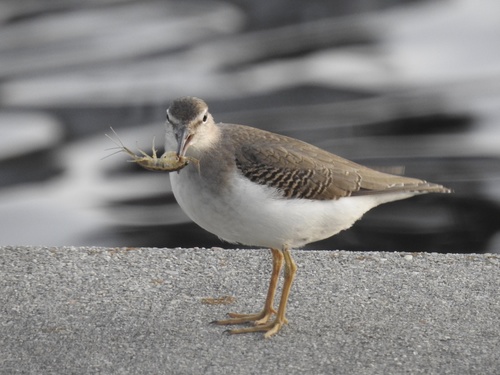 Piro piro macchiato
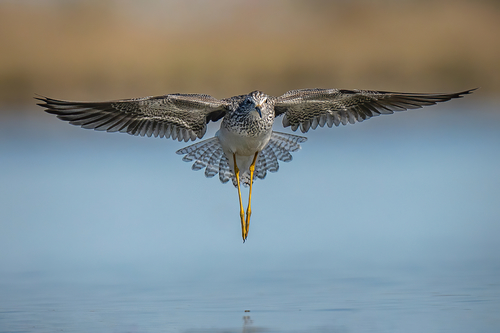 Totano zampegialle minore
In breve
Il segno di campo più affidabile tra Piro piro macchiato e Totano zampegialle minore è la struttura e la dimensione complessive: il Totano zampegialle minore è decisamente più grande, con gambe più lunghe e più elegante, mentre il Piro piro macchiato è compatto, con una coda corta e una camminata dondolante distintiva. Durante la stagione di riproduzione, il Piro piro macchiato mostra macchie nere audaci sotto, ma in piumaggio non riproduttivo entrambe le specie sono semplici sotto e la confusione è più probabile. Il Totano zampegialle minore ha sempre gambe lunghe e gialle brillanti e un becco snello, dritto e scuro della lunghezza della testa, mentre il Piro piro macchiato ha gambe più corte, giallastre e un becco arancione più corto con una punta scura. In volo, il Piro piro macchiato manca del caratteristico sopracciglio bianco e del bordo posteriore di molti Tringa, e il suo schema di ala superiore è più sbiadito rispetto al Piro piro piccolo, ma il Totano zampegialle minore mostra un'ala superiore uniforme. La struttura, il colore delle gambe e la forma del becco sono gli indizi più affidabili in tutte le età e stagioni.
Consigli di identificazione
- Dimensione e struttura: Il Totano zampegialle minore è molto più grande e alto, con gambe lunghe e sottili e un collo più lungo. Il Piro piro macchiato è compatto, con una coda corta e una postura orizzontale più bassa. Questo è affidabile a qualsiasi distanza se hai un senso della scala.
- Colore delle gambe: Il Totano zampegialle minore ha sempre gambe lunghe e gialle brillanti. Il Piro piro macchiato ha gambe più corte, giallastre (a volte più opache), ma mai l'aspetto lungo e slanciato del Totano zampegialle minore.
- Forma e colore del becco: Il Totano zampegialle minore ha un becco snello, dritto e uniformemente scuro della lunghezza della testa. Il Piro piro macchiato ha un becco arancione più corto con una punta scura distintiva. Questo è visibile a distanza moderata.
- Piumaggio di riproduzione sotto: Gli adulti di Piro piro macchiato in piumaggio di riproduzione hanno macchie nere audaci sulle parti inferiori bianche—diagnostico. Il Totano zampegialle minore non mostra mai macchie sotto, solo striature fini o barre sul petto e sui fianchi.
- Parti inferiori non riproduttive/immature: Entrambe le specie diventano bianche semplici sotto in piumaggio non riproduttivo, ma il Totano zampegialle minore può mantenere alcune striature fini sul petto e sui fianchi. Il Piro piro macchiato è pulito bianco sotto e può essere molto semplice, specialmente nei giovani.
- Supercilium: Il Piro piro macchiato mostra un supercilium bianco (sopracciglio), specialmente in piumaggio non riproduttivo. Il Totano zampegialle minore può mostrare una linea pallida ma è meno distintivo.
- Schema dell'ala superiore in volo: Il Piro piro macchiato ha uno schema dell'ala superiore più sbiadito rispetto al Piro piro piccolo, mancando di pannelli bianchi audaci o bordi posteriori. Il Totano zampegialle minore ha ali superiori uniformi senza contrasti audaci. La separazione in volo si basa su struttura e colore delle gambe, non sul pattern delle ali.
- Comportamento: Il Piro piro macchiato dondola costantemente la coda quando cammina o sta in piedi—questo è un comportamento classico e molto affidabile. Il Totano zampegialle minore non dondola la coda allo stesso modo e si muove con un passo alto e attivo.
- Stile di volo: Il Piro piro macchiato vola basso sull'acqua con battiti d'ala rigidi e superficiali. Il Totano zampegialle minore vola più in alto e più direttamente, con battiti d'ala costanti tipici di Tringa.
- Preferenza dell'habitat: Il Piro piro macchiato si trova più spesso lungo coste rocciose o fangose e corpi idrici più piccoli. Il Totano zampegialle minore preferisce zone umide aperte, fanghi e campi allagati, spesso in acque più profonde e in stormi.
- Dimensione del gruppo: Il Piro piro macchiato è solitamente solitario o in coppie. Il Totano zampegialle minore spesso cerca cibo in stormi di piccole o medie dimensioni, specialmente durante la migrazione.
- Differenze sessuali: Entrambe le specie sono simili nel piumaggio tra i sessi, ma le femmine di Piro piro macchiato sono più pesanti dei maschi (non solitamente visibile sul campo).
- Variazione legata all'età: I giovani di Piro piro macchiato e gli uccelli non riproduttivi mancano di macchie e possono essere molto semplici, aumentando la confusione. Concentrati su struttura e comportamento in questi casi.
- Trappole: In piumaggio non riproduttivo, entrambe le specie possono apparire semplici e simili sotto. Non fare affidamento solo sui segni delle parti inferiori—usa dimensione, lunghezza delle gambe, forma del becco e comportamento.
- Quando hai dubbi: Se l'uccello dondola costantemente la coda ed è piccolo e compatto, è un Piro piro macchiato. Se è più alto, con lunghe gambe gialle, un becco dritto e scuro, e cerca cibo in acque più profonde o con uno stormo, è un Totano zampegialle minore.
Taglia
Il Totano zampegialle minore è sostanzialmente più grande e pesante del Piro piro macchiato. Il Totano zampegialle minore misura 23–25 cm (9.1–9.8 in) di lunghezza e pesa 67–94 g (2.4–3.3 oz) [wikidata], mentre il Piro piro macchiato è lungo solo 18–20 cm (7.1–7.9 in) e pesa 34–50 g (1.2–1.8 oz) [wikipedia]. La differenza è ovvia in un confronto diretto: il Totano zampegialle minore è più alto, con gambe molto più lunghe e un collo più lungo, conferendogli un aspetto più slanciato e verticale. Il Piro piro macchiato è compatto, con una coda più corta e una postura più bassa.
Piumaggio
In piumaggio di riproduzione, gli adulti di Piro piro macchiato sono marroni sopra e bianchi sotto con macchie nere audaci sulle parti inferiori. Queste macchie sono diagnostiche per gli uccelli in riproduzione, ma svaniscono al di fuori della stagione di riproduzione. I Piro piro macchiato non riproduttivi perdono le macchie e diventano bianchi semplici sotto, assomigliando molto al Piro piro piccolo, ma mostrano ancora un supercilium bianco e un pattern di ali più sbiadito in volo. I giovani e gli immaturi Piro piro macchiato mancano delle macchie audaci e possono essere molto semplici sotto, aumentando la confusione con il Totano zampegialle minore. Il Totano zampegialle minore in piumaggio di riproduzione ha parti superiori macchiate di grigio-marrone, nero e bianco, con parti inferiori bianche e striature irregolari marroni sul petto e sul collo. In piumaggio non riproduttivo, le parti superiori diventano più uniformi grigio-marrone, e le parti inferiori rimangono bianche con alcune marcature fini sul petto e sui fianchi. Le gambe sono sempre gialle brillanti. In volo, il Totano zampegialle minore mostra ali superiori uniformi senza pannelli audaci o bordi posteriori. Entrambe le specie hanno parti inferiori bianche, ma l'ala superiore del Piro piro macchiato è più sbiadita e manca del contrasto audace di alcuni Tringa. Non è descritto alcun pattern distintivo dell'ala superiore per i giovani di entrambe le specie, quindi la separazione in volo si basa su struttura e colore delle gambe.
Comportamento
Il Piro piro macchiato è famoso per la sua camminata costantemente dondolante, sia quando cerca cibo che quando è fermo, un comportamento raramente eguagliato dal Totano zampegialle minore. Il Totano zampegialle minore si muove con un passo alto e attivo, spesso cercando cibo con il collo allungato e muovendosi rapidamente attraverso acque poco profonde. In volo, il Piro piro macchiato ha uno stile di volo distintivo con ali rigide e basse sull'acqua, mentre il Totano zampegialle minore vola con battiti d'ala costanti e diretti tipici di Tringa. Il Piro piro macchiato è più probabile che venga visto singolarmente o in coppie, mentre il Totano zampegialle minore cerca spesso cibo in piccoli stormi.
Habitat
Entrambe le specie possono essere trovate ai margini di corpi d'acqua dolce, ma il Piro piro macchiato è più spesso visto lungo coste rocciose o fangose, sponde di torrenti e piccoli stagni, specialmente in Nord America. Il Totano zampegialle minore preferisce zone umide aperte e poco profonde, campi allagati e fanghi, spesso guadando in acque più profonde rispetto al Piro piro macchiato. Durante la migrazione, il Totano zampegialle minore è più probabile che venga trovato in grandi stormi su fanghi aperti o acque poco profonde, mentre il Piro piro macchiato tende a essere solitario o in piccoli gruppi.
Piro piro macchiato · Totano zampegialle minore · I miei uccelli difficili