

Motmot

マダラシギダチョウ 対 カオジロブロンズトキ

Nothura maculosa 対 Plegadis chihi

マダラシギダチョウとカオジロブロンズトキのクイズ
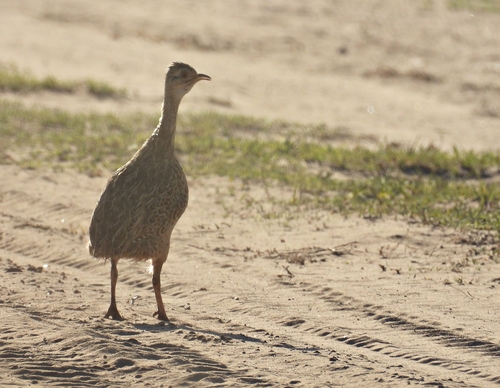
マダラシギダチョウ (Nothura maculosa) マダラシギダチョウ
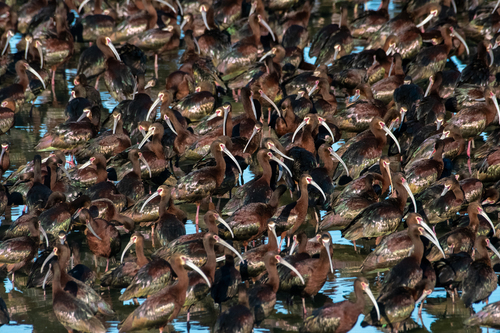
カオジロブロンズトキ (Plegadis chihi) カオジロブロンズトキ

メディア

読み込み中…

要点

マダラシギダチョウとカオジロブロンズトキを区別する最も信頼できるフィールドマークは、全体的な構造と印象です:マダラシギダチョウは短い脚と小さな頭を持つコンパクトな地上性のティナモであり、カオジロブロンズトキは長い脚と長く湾曲したくちばし、伸びた首を持つ大きな水鳥です。飛行中または地上では、トキははるかに大きくて細長く、特徴的な水鳥のシルエットを持っていますが、シギダチョウはウズラのようで、決して水に入ることはありません。羽毛の違いも顕著です:マダラシギダチョウは特に胸部と側面に茶色と淡褐色の縞模様と横縞を示しますが、カオジロブロンズトキは暗く光沢があり、微妙な繁殖期の顔のマーキングを除いて模様がありません。生息地は強い手がかりです:シギダチョウは乾燥した草原に、トキは湿地に生息しています。

識別のコツ

  1. Size and Structure: カオジロブロンズトキははるかに大きく、長い首、脚、湾曲したくちばしを持っています;マダラシギダチョウはコンパクトで短い脚を持ち、ウズラのようです。この違いは遠くからでも明らかです。
  2. Bill Shape: シギダチョウは短くてまっすぐなくちばしを持っています;トキは長くて細い、下向きに湾曲したくちばしを持っています。くちばしの形だけで、明確な視界で診断できます。
  3. Leg Length: トキは飛行中と地上で見える長い脚を持っています;シギダチョウの脚は短く、飛行中に尾を超えることはありません。
  4. Flight Silhouette: トキは首と脚を伸ばして飛び、長い水平のプロファイルを形成します;シギダチョウはコンパクトで丸みを帯びた体、短い尾、目に見える首の延長がない状態で飛びます。
  5. Plumage Pattern: シギダチョウは上面が茶色で、腹部には淡褐色の縞模様と横縞があります(すべての年齢);トキは均一に暗く光沢があり、縞模様や横縞はありません。
  6. Face and Eye Color: 繁殖期のトキは、白い羽毛の縁取りがあるピンクの裸の顔と赤い目を示します;シギダチョウは縞模様のある頭部と白い喉を持ち、裸の皮膚や明るい目の色はありません。非繁殖期のトキは白い縁取りがありませんが、裸の顔と赤い目を持っています。
  7. Leg Color: トキの脚は明るい赤(特に繁殖期に)で、シギダチョウの脚は鈍い黄灰色または茶色です。
  8. Habitat: シギダチョウは乾燥した草原にのみ見られ、トキは湿地や水辺にのみ見られます。生息地だけで通常は彼らを区別できます。
  9. Behavior: シギダチョウは地面を歩いたり走ったりし、めったに飛びません;トキはしばしば水に入って泥を探ったり、群れで飛ぶのが見られます。
  10. Juvenile Confusion: 幼鳥のトキは白い顔の縁取りがありませんが、依然として暗く模様がなく、長いくちばしと脚を持っています;幼鳥のシギダチョウは成鳥のように縞模様と横縞があります。
  11. Underwing/Flight Pattern: どちらの種にも特定の年齢に特有の上翼や飛行パターンは記載されていないため、構造と羽毛に頼ります。
  12. Voice: メモには音声が記載されていません;区別のために音声を使用しないでください。
  13. Context: 群れで見られた場合、特に水上を飛んでいる場合は、ほぼ確実にトキです;シギダチョウは孤独またはペアで、決して空中で群れを作りません。
  14. Pitfalls: 遠くから見ると、地上の遠くのトキは茶色っぽく見えるかもしれませんが、長いくちばしと脚は依然として見えます。シギダチョウはトキのプロポーションや行動を示すことはありません。
  15. When Uncertain: くちばしや脚が見えない場合は、生息地と全体的な形状を使用してください—乾燥した草原でコンパクトで縞模様のある(シギダチョウ)対湿地で細長く暗い(トキ)。

大きさ

カオジロブロンズトキはマダラシギダチョウよりも劇的に大きく、重いです。トキは46–56 cmの長さで、体重は約612.5 g [wikidata]ですが、シギダチョウはわずか24–25.5 cmの長さ [wikipedia] で、はるかに軽いです(正確な体重は記載されていませんが、このサイズのティナモは通常300 g未満です)。フィールドでは、トキはシギダチョウの上にそびえ立ち、はるかに長い脚、首、くちばしを持っています。シギダチョウはウズラのサイズで、トキは体重と体格で小さなサギに近いです。

羽色

どちらの種にも特定の年齢に特有の上翼や飛行パターンは記載されていないため、全体的な体の羽毛に焦点を当てます。マダラシギダチョウ(すべての年齢)は上面が茶色で淡褐色の縞模様があり、腹部は淡褐色で、胸部には黒と茶色の縞模様と側面に横縞があります。頭部は黒で淡褐色の縞模様があり、喉は白です。シギダチョウの羽毛は草の中でのカモフラージュのために隠蔽的で模様があります。それに対して、カオジロブロンズトキは全体的に暗く光沢があり、体には縞模様や横縞がありません。繁殖期の成鳥は、白い羽毛の縁取りがあるピンクの裸の顔、灰色のくちばし、赤い目と脚を持っています;非繁殖期の成鳥は白い顔の縁取りがありませんが、依然として暗く光沢があります。幼鳥のトキは成鳥に似ていますが、より鈍く、白い顔の縁取りがありません。どの年齢でも体には横縞や縞模様はありません。したがって、腹部に強い縞模様や横縞がある鳥はシギダチョウであり、均一に暗く光沢のある体と長いくちばしを持つ鳥はトキです。

行動

マダラシギダチョウは地上性の鳥で、通常は草原を歩いたり走ったりしているのが見られ、めったに飛び立ちません。水に入ったり泳いだりすることはありません。カオジロブロンズトキは社会的でコロニアルな水鳥で、しばしば浅い水で長いくちばしを使って探ったり、湿地を歩いたり、首と脚を伸ばして群れで飛んでいるのが見られます。トキは水から離れて見つかることはまれで、ほぼ常に湿地の環境で見られます。彼らの行動は非常に異なるため、静的で近くからの視界を除いて混乱することはありません。

生息環境

マダラシギダチョウは乾燥した草地—開けた草原、パンパス、サバンナ—に見られ、ブラジルの東部と南部、パラグアイ、ボリビア、ウルグアイ、アルゼンチン北部に分布しています [wikipedia]。湿地を避けます。カオジロブロンズトキは湿地、湿地、洪水のある畑に厳密に関連しており、密な湿地の植生や低木に巣を作り、浅い水で餌を取ります。南アメリカの一部でシギダチョウと分布が重なりますが、2つの種は全く異なる生息地を占めています。もし鳥が湿地にいるなら、ほぼ確実にトキです;乾燥した草原では、シギダチョウです。

より良い説明を送る

比較と同じ項目を使ってください。文章はすぐに公開されます。

The most reliable field mark to separate Spotted Nothura from White-faced Ibis is overall structure and jizz: Spotted Nothura is a compact, ground-dwelling tinamou with short legs and a small head, while White-faced Ibis is a large, long-legged wader with a long, decurved bill and elongated neck. In flight or on the ground, the ibis is much larger and lankier, with a distinctive wader silhouette, whereas the nothura is quail-like and never seen wading. Plumage differences are also strong: Spotted Nothura shows brown and buff streaking and barring, especially on the breast and flanks, while White-faced Ibis is dark, glossy, and unpatterned except for subtle breeding face markings. Habitat is a strong clue: nothura in dry grassland, ibis in marshes.

  1. Size and Structure: White-faced Ibis is much larger, with a long neck, legs, and decurved bill; Spotted Nothura is compact, short-legged, and quail-like. This difference is obvious even at a distance.
  2. Bill Shape: Nothura has a short, straight bill; ibis has a long, slender, downward-curved bill. Bill shape alone is diagnostic in any clear view.
  3. Leg Length: Ibis has long, stilt-like legs visible both in flight and on the ground; nothura's legs are short and never extend beyond the tail in flight.
  4. Flight Silhouette: Ibis flies with neck and legs outstretched, forming a long, horizontal profile; nothura flies with a compact, rounded body, short tail, and no visible neck extension.
  5. Plumage Pattern: Nothura is brown above with buff streaking and barring on the underparts (all ages); ibis is uniformly dark and glossy, lacking any streaks or bars.
  6. Face and Eye Color: Breeding ibis shows a pink bare face with a white feather border and red eyes; nothura has a streaked crown and white throat, with no bare skin or bright eye color. Non-breeding ibis lacks the white border but still has a bare face and red eyes.
  7. Leg Color: Ibis legs are bright red (especially in breeding season); nothura's legs are dull yellowish-grey or brown.
  8. Habitat: Nothura is only found in dry grasslands; ibis is only found in marshes and wetlands. Habitat alone is usually enough to separate them.
  9. Behavior: Nothura walks or runs on the ground, rarely flushes; ibis is often seen wading, probing mud, or flying in flocks.
  10. Juvenile Confusion: Juvenile ibis lack the white facial border but are still dark and unpatterned, with a long bill and legs; juvenile nothura are streaked and barred like adults.
  11. Underwing/Flight Pattern: No distinctive age-specific upperwing or flight pattern is described for either species, so rely on structure and plumage.
  12. Voice: No vocalizations are described in the notes; do not use voice for separation.
  13. Context: If seen in a flock, especially in flight over water, it is almost certainly an ibis; nothura are solitary or in pairs and never flock in open air.
  14. Pitfalls: At long range, a distant ibis on land might appear brownish, but the long bill and legs will still be visible. A nothura never shows the ibis's proportions or behavior.
  15. When Uncertain: If you cannot see the bill or legs, use habitat and overall shape—compact and streaked in dry grass (nothura) vs. lanky and dark in wetland (ibis).

White-faced Ibis is dramatically larger and heavier than Spotted Nothura. The ibis measures 46–56 cm in length with a body mass around 612.5 g [wikidata], while the nothura is only 24–25.5 cm long [wikipedia] and much lighter (exact mass not given, but tinamous of this size are typically under 300 g). In the field, the ibis towers over the nothura, with much longer legs, neck, and bill. The nothura is quail-sized; the ibis is closer to a small heron in bulk and stature.

No age-specific upperwing or flight patterns are described for either species, so focus is on overall body plumage. Spotted Nothura (all ages) is brown above with buff streaking, and the underparts are buff with black and brown streaks on the breast and barring on the flanks. The crown is black streaked with buff, and the throat is white. The nothura's plumage is cryptic and patterned for camouflage in grass. In contrast, White-faced Ibis is dark and glossy overall, with no streaking or barring on the body. Breeding adults have a pink bare face bordered with white feathers, a gray bill, and red eyes and legs; non-breeding adults lack the white face border but remain dark and glossy. Juvenile ibis are similar to adults but duller, and lack the white facial border. There is no barring or streaking on the body at any age. Thus, any bird with strong streaking or barring on the underparts is a nothura; any bird with a uniform dark glossy body and long bill is an ibis.

Spotted Nothura is a terrestrial, ground-dwelling bird, typically seen walking or running in grasslands and rarely flies except when flushed. It never wades or swims. White-faced Ibis is a social, colonial wader, often seen probing in shallow water with its long bill, walking through marshes, or flying in flocks with neck and legs outstretched. The ibis is rarely found away from water and is almost always seen in wetland settings. Their behaviors are so different that confusion is unlikely except in a static, close-up view.

Spotted Nothura is found in dry, grassy habitats—open grasslands, pampas, and savannas—across eastern and southern Brazil, Paraguay, Bolivia, Uruguay, and northern Argentina [wikipedia]. It avoids wetlands. White-faced Ibis is strictly associated with marshes, wetlands, and flooded fields, nesting in dense marsh vegetation or low trees and feeding in shallow water. Its range overlaps with nothura in parts of South America, but the two species occupy entirely different habitats. If the bird is in a wetland, it is almost certainly an ibis; in dry grassland, a nothura.

変更を破棄しますか?

保存していない編集があります。今離れると失われます。

マダラシギダチョウ · カオジロブロンズトキ · 苦手な鳥