

Motmot

キバラクロシメ 対 シュイロマシコ

Mycerobas melanozanthos 対 Carpodacus sipahi

キバラクロシメとシュイロマシコのクイズ
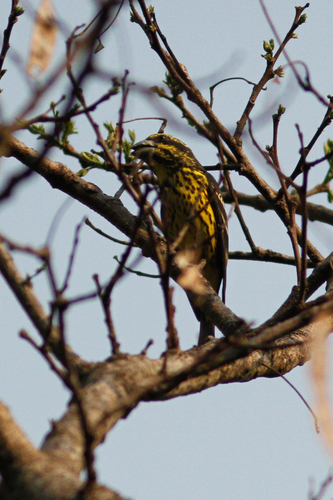
キバラクロシメ (Mycerobas melanozanthos) キバラクロシメ
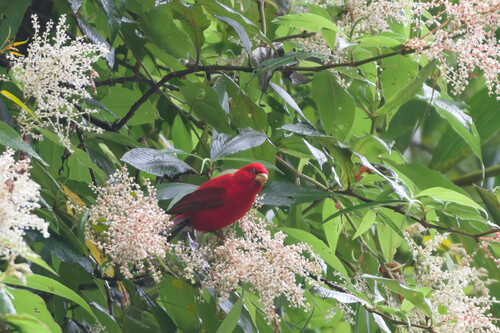
シュイロマシコ (Carpodacus sipahi) シュイロマシコ

メディア

読み込み中…

要点

キバラクロシメとシュイロマシコは、ヒマラヤと東南アジアでその分布が重なる場所で混同されることがありますが、最も信頼できるフィールドマークはサイズです:キバラクロシメはシュイロマシコよりもかなり重く、がっしりとしています。2羽の鳥を一緒に見ると、キバラクロシメは明らかに大きく、より頑丈に見えます。両種は似たような山地の森林生息地に生息しているため、構造と全体的な印象に注目してください。羽毛の詳細は情報源には記載されていないため、サイズと印象に頼って区別してください。

識別のコツ

  1. サイズは最も信頼できるフィールドマーク:キバラクロシメはシュイロマシコよりもはるかに大きく、重いです。直接比較や鳥の体格がはっきり見えるときにこれを使用してください。
  2. 全体的な構造/印象:キバラクロシメはより頑丈に見え、首が太く、体が重いのに対し、シュイロマシコはスリムでより繊細な体型です。
  3. くちばしのサイズ:情報源には詳細は記載されていませんが、一般的にキバラクロシメはシュイロマシコよりも太く、深いくちばしを持っています。特に太く円錐形のくちばしを見た場合、それはおそらくキバラクロシメのものです。
  4. 羽毛は診断的ではない:情報源には、どちらの種についても年齢特有または成鳥の羽毛マークは記載されていません。区別のために翼の模様や色の違いに頼らないでください。
  5. 飛行時の視点:翼の模様や飛行特有のマークが与えられていないため、飛行中の鳥のサイズと形に注目してください。キバラクロシメはよりがっしりとし、力強く見えるはずです。
  6. 生息地の重複:両種は同じタイプの山地森林に生息しており、一緒に見られることがあるため、生息地を主要な区別要因として使用しないでください。
  7. 群れの文脈:混成群れを見た場合、最も大きく、頑丈なマシコを探してください—これがキバラクロシメである可能性が高いです。
  8. 止まり姿勢:キバラクロシメは止まっているときにより直立していてしっかりとした印象を与えるかもしれませんが、シュイロマシコはより繊細で威圧感が少ないように見えるかもしれません。
  9. 鳴き声データはなし:現在の情報源に基づいて、鳴き声による区別は行わないでください。
  10. 地理的範囲:両種はヒマラヤと東南アジアで広く重なっているため、範囲だけでは安全な区別要因とはなりません。
  11. 性別と年齢:情報源にはフィールド識別のための性別または年齢特有の違いは記載されていません。両種の年齢と性別に関してサイズが一貫していると仮定してください。
  12. 季節:両種はその分布の一部で年間を通じて存在します;季節的な移動は区別のための信頼できるフィールドマークではありません。
  13. 疑問がある場合:サイズや構造を判断できず、他のマークが見えない場合、短時間または遠くからの視点でこれらの種を自信を持って区別することはできないかもしれません。

大きさ

キバラクロシメはシュイロマシコ(40g)よりもはるかに重い(62g)[wikidata]ため、その分布内で最もがっしりとしたマシコの一つです。フィールドでは、これはより大きく、力強い鳥として明らかになり、シュイロマシコに比べて首が太く、体ががっしりしています。良い視界を得た場合、キバラクロシメのサイズと質量は、特に両種が同じ餌場や止まり木にいる場合、遠くからでもしばしば明らかです。

羽色

情報源には、どちらの種についても詳細な羽毛や年齢特有の翼の模様情報は提供されていません。したがって、この文脈でキバラクロシメとシュイロマシコを区別するための信頼できるフィールドマークとして羽毛は使用できません。構造、サイズ、印象に注目してください。

行動

提供された情報源には行動の違いは記載されていません。両種はマシコであり、木や低木で餌を食べているのが見られる可能性が高く、時には混成群れで見られます。さらなる詳細がない限り、行動は信頼できる区別要因ではありません。

生息環境

両種は似たような生息地に生息しています:亜熱帯または熱帯の湿った山地森林と中高地の乾燥森林。彼らの分布はヒマラヤと東南アジアの一部で重なっているため、生息地だけでは信頼できる区別はできません。両種はインドとネパールからタイとベトナムまで見られます。

より良い説明を送る

比較と同じ項目を使ってください。文章はすぐに公開されます。

Spot-winged Grosbeak and Scarlet Finch can be confused where their ranges overlap in the Himalayas and Southeast Asia, but the most reliable field mark is size: Spot-winged Grosbeak is substantially heavier and bulkier than Scarlet Finch. If you see two birds together, the grosbeak will look noticeably larger and more robust. Both species occur in similar montane forest habitats, so focus on structure and overall impression. Plumage details are not described in the sources, so rely on size and jizz for separation.

  1. Size is the most reliable field mark: Spot-winged Grosbeak is much larger and heavier than Scarlet Finch. Use this whenever you get a direct comparison or a clear view of the bird's bulk.
  2. Overall structure/jizz: Spot-winged Grosbeak appears more robust, with a thicker neck and heavier body, while Scarlet Finch is slimmer and more delicate in build.
  3. Bill size: Although not detailed in the sources, grosbeaks generally have a stouter, deeper bill than finches. If you see a particularly thick, conical bill, it likely belongs to the grosbeak.
  4. Plumage is not diagnostic: No age-specific or adult plumage marks are described for either species in the sources. Do not rely on wing pattern or color differences for separation.
  5. Flight views: Since no wing pattern or flight-specific marks are given, focus on the bird's size and shape in flight. The grosbeak should appear bulkier and more powerful.
  6. Habitat overlap: Both species occur in the same types of montane forests and can be found together, so do not use habitat as a primary separator.
  7. Flock context: If you see a mixed flock, look for the largest, most robust finch—this will likely be the Spot-winged Grosbeak.
  8. Perched posture: Spot-winged Grosbeak may appear more upright and solid when perched, while Scarlet Finch may look more delicate and less imposing.
  9. No vocalization data: Do not use voice for separation based on current sources.
  10. Geographic range: Both species overlap widely in the Himalayas and Southeast Asia, so range alone is not a safe separator.
  11. Sex and age: No sex- or age-specific differences are described for field identification in the sources. Assume size is consistent across ages and sexes for both species.
  12. Season: Both species are present year-round in parts of their range; seasonal movement is not a reliable field mark for separation.
  13. When in doubt: If you cannot judge size or structure, and no other marks are visible, it may not be possible to separate these species with confidence from a brief or distant view.

Spot-winged Grosbeak is much heavier (62g) than Scarlet Finch (40g) [wikidata], making it one of the bulkiest finches in its range. In the field, this translates to a noticeably larger, more powerful bird with a thicker neck and stouter body compared to the more delicate, slim Scarlet Finch. If you get a good view, the grosbeak's size and mass are often apparent even at a distance, especially if both species are present at the same feeding flock or perch.

No detailed plumage or age-specific wing pattern information is provided in the sources for either species. Therefore, plumage is not a reliable field mark for separating Spot-winged Grosbeak from Scarlet Finch in this context. Focus on structure, size, and jizz.

Behavioral differences are not described in the provided sources. Both species are finches and likely to be seen feeding in trees or shrubs, sometimes in mixed flocks. Without further details, behavior is not a reliable separator.

Both species occur in similar habitats: subtropical or tropical moist montane forests and dry forests at middle to higher elevations. Their ranges overlap in the Himalayas and parts of Southeast Asia, so habitat alone will not reliably separate them. Both can be found from India and Nepal east to Thailand and Vietnam.

変更を破棄しますか?

保存していない編集があります。今離れると失われます。

キバラクロシメ · シュイロマシコ · 苦手な鳥