

Spot-winged Grosbeak vs Scarlet Finch
Mycerobas melanozanthos contro Carpodacus sipahi
Fai un quiz con Spot-winged Grosbeak e Scarlet Finch
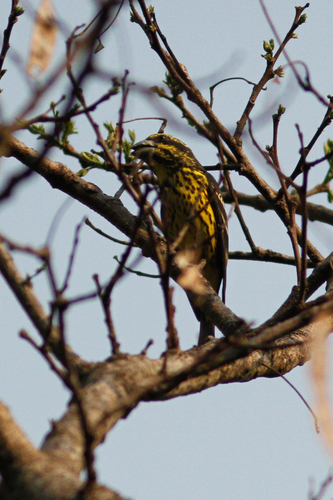 Spot-winged Grosbeak
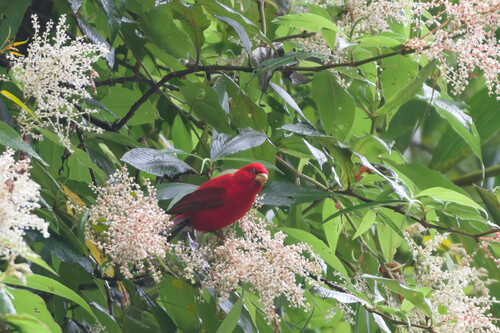 Scarlet Finch
In breve
Spot-winged Grosbeak e Scarlet Finch possono essere confusi dove i loro areali si sovrappongono nell'Himalaya e nel Sud-est asiatico, ma il segno di campo più affidabile è la dimensione: Spot-winged Grosbeak è sostanzialmente più pesante e massiccio rispetto a Scarlet Finch. Se vedi due uccelli insieme, il grosbeak apparirà notevolmente più grande e robusto. Entrambe le specie si trovano in habitat forestali montani simili, quindi concentrati sulla struttura e sull'impressione generale. I dettagli del piumaggio non sono descritti nelle fonti, quindi fai affidamento su dimensione e jizz per la separazione.
Consigli di identificazione
- La dimensione è il segno di campo più affidabile: Spot-winged Grosbeak è molto più grande e pesante di Scarlet Finch. Usa questo ogni volta che hai un confronto diretto o una vista chiara della massa dell'uccello.
- Struttura generale/jizz: Spot-winged Grosbeak appare più robusto, con un collo più spesso e un corpo più pesante, mentre Scarlet Finch è più snello e delicato nella costruzione.
- Dimensione del becco: Anche se non dettagliato nelle fonti, i grosbeaks generalmente hanno un becco più robusto e profondo rispetto ai finches. Se vedi un becco particolarmente spesso e conico, probabilmente appartiene al grosbeak.
- Il piumaggio non è diagnostico: Non sono descritti segni di piumaggio specifici per età o adulti per nessuna delle due specie nelle fonti. Non fare affidamento su schemi di ali o differenze di colore per la separazione.
- Visioni in volo: Poiché non sono forniti schemi di ali o segni specifici per il volo, concentrati sulla dimensione e sulla forma dell'uccello in volo. Il grosbeak dovrebbe apparire più massiccio e potente.
- Sovrapposizione dell'habitat: Entrambe le specie si trovano negli stessi tipi di foreste montane e possono essere trovate insieme, quindi non usare l'habitat come separatore principale.
- Contesto di stormo: Se vedi uno stormo misto, cerca il finch più grande e robusto: questo sarà probabilmente il Spot-winged Grosbeak.
- Postura in perching: Spot-winged Grosbeak può apparire più eretto e solido quando è in perching, mentre Scarlet Finch può sembrare più delicato e meno imponente.
- Nessun dato di vocalizzazione: Non usare la voce per la separazione basata sulle fonti attuali.
- Gamma geografica: Entrambe le specie si sovrappongono ampiamente nell'Himalaya e nel Sud-est asiatico, quindi la gamma da sola non è un separatore sicuro.
- Sesso e età: Non sono descritte differenze specifiche per sesso o età per l'identificazione sul campo nelle fonti. Assumi che la dimensione sia coerente tra età e sessi per entrambe le specie.
- Stagione: Entrambe le specie sono presenti tutto l'anno in alcune parti del loro areale; il movimento stagionale non è un segno di campo affidabile per la separazione.
- Quando hai dei dubbi: Se non riesci a giudicare la dimensione o la struttura, e non sono visibili altri segni, potrebbe non essere possibile separare queste specie con fiducia da una vista breve o distante.
Taglia
Spot-winged Grosbeak è molto più pesante (62g) di Scarlet Finch (40g) [wikidata], rendendolo uno dei finches più massicci nel suo areale. Sul campo, questo si traduce in un uccello notevolmente più grande e potente con un collo più spesso e un corpo più robusto rispetto al più delicato e snello Scarlet Finch. Se hai una buona vista, la dimensione e la massa del grosbeak sono spesso evidenti anche da lontano, specialmente se entrambe le specie sono presenti nello stesso stormo di alimentazione o posato.
Piumaggio
Nessuna informazione dettagliata sul piumaggio o sul pattern delle ali specifico per età è fornita nelle fonti per entrambe le specie. Pertanto, il piumaggio non è un segno di campo affidabile per separare Spot-winged Grosbeak da Scarlet Finch in questo contesto. Concentrati su struttura, dimensione e jizz.
Comportamento
Le differenze comportamentali non sono descritte nelle fonti fornite. Entrambe le specie sono finches e probabilmente saranno viste nutrirsi in alberi o arbusti, a volte in stormi misti. Senza ulteriori dettagli, il comportamento non è un separatore affidabile.
Habitat
Entrambe le specie si trovano in habitat simili: foreste montane umide subtropicali o tropicali e foreste secche a elevazioni medie o alte. I loro areali si sovrappongono nell'Himalaya e in alcune parti del Sud-est asiatico, quindi l'habitat da solo non le separerà in modo affidabile. Entrambe possono essere trovate dall'India e dal Nepal verso est fino alla Thailandia e al Vietnam.
Spot-winged Grosbeak · Scarlet Finch · I miei uccelli difficili